Why Front Yards Are Becoming Edible Landscapes in 2025
Have you ever looked at your front yard and sensed untapped potential? The grass may appear orderly, and the shrubs neatly shaped, yet the space offers little beyond aesthetics. Homeowners nationwide share this realization, prompting a shift toward edible landscapes that infuse vitality, color, and utility into front yards. This trend redefines outdoor spaces as sources of nourishment and connection, blending ornamental appeal with practical productivity.
Reframing the Front Yard's Role
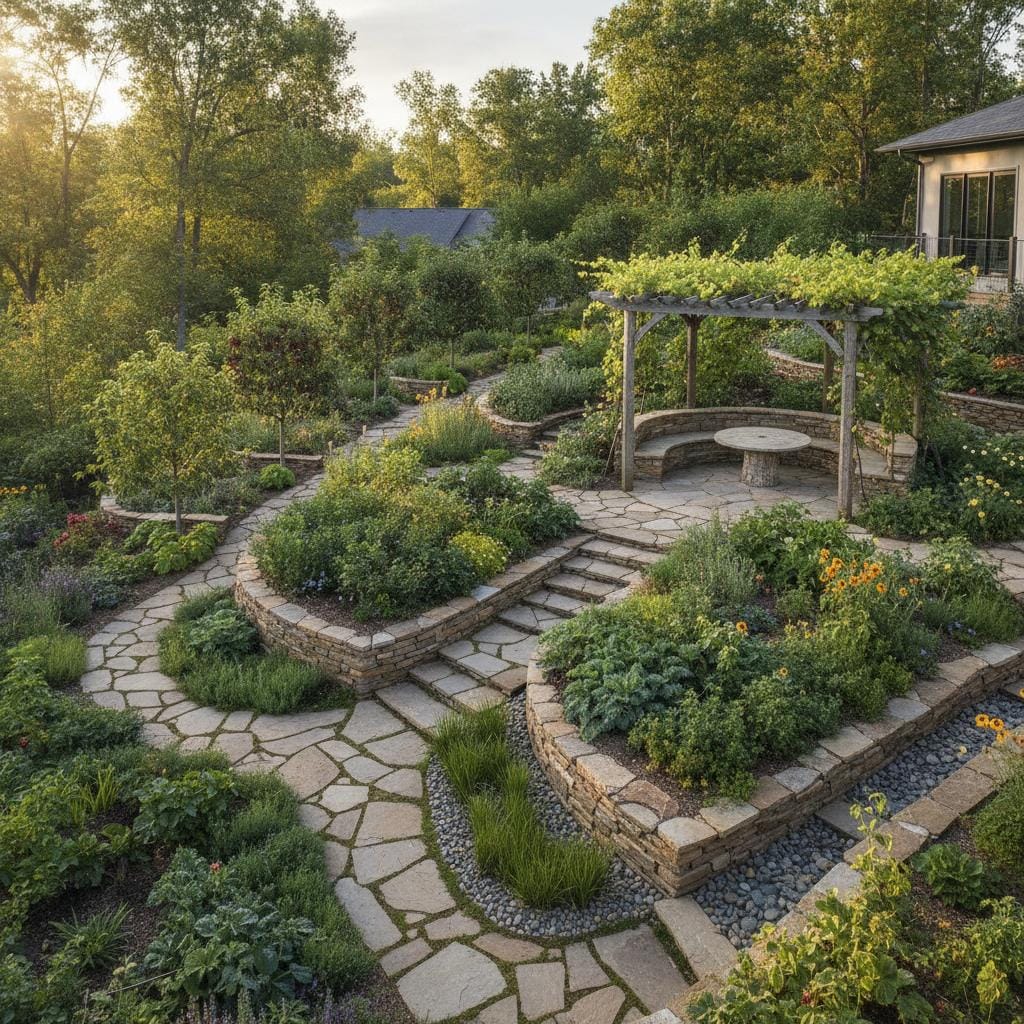
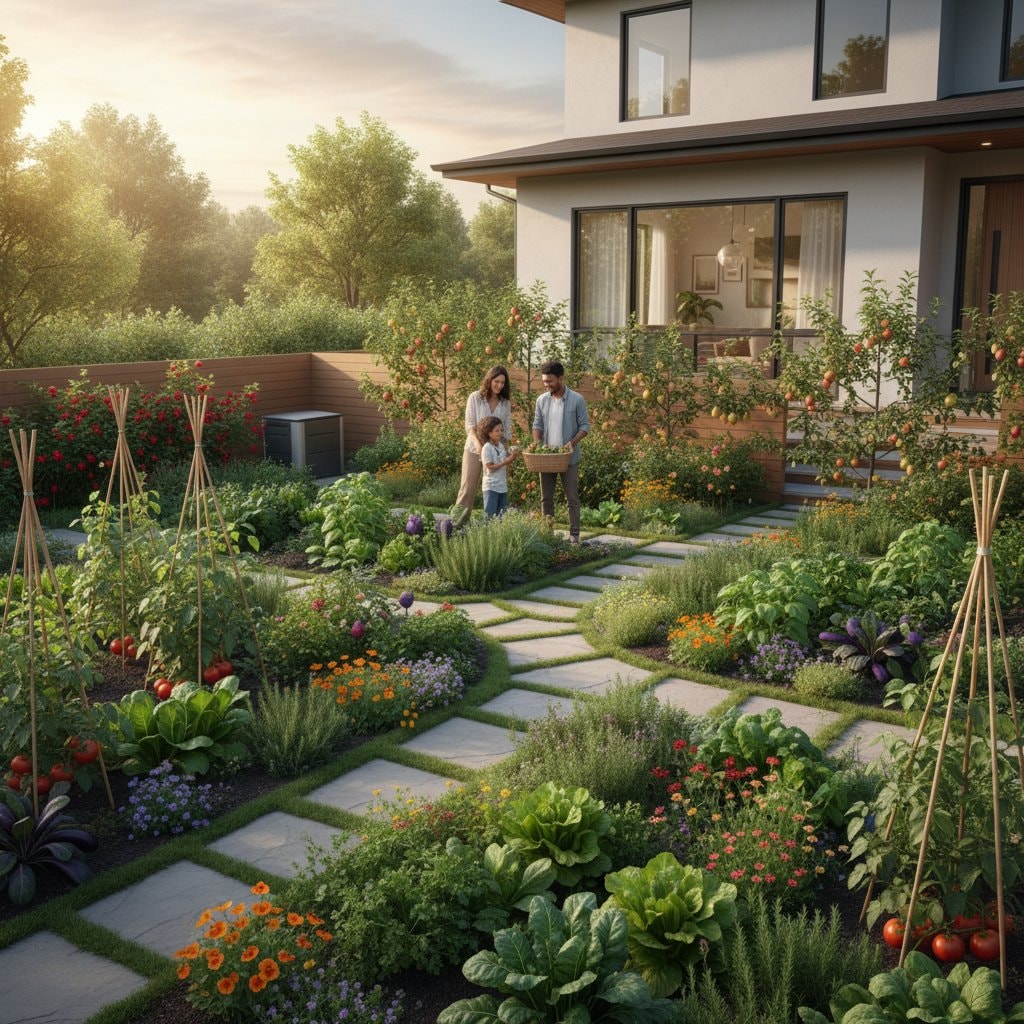
Traditionally, front yards served as visual gateways to the home, prioritizing curb appeal over functionality. That perspective evolves today as individuals recognize the harmony between beauty and bounty. Edible landscapes integrate vegetables, herbs, and fruit plants with flowers and shrubs, creating gardens that attract neighbors and wildlife alike. The aroma of fresh herbs intertwines with floral scents, fostering an inviting atmosphere.
This approach enhances rather than replaces conventional designs. Edible elements transform the yard into a dynamic ecosystem, where care yields tangible rewards like homegrown produce.
Drivers Behind the Edible Landscaping Surge
Practical benefits propel this movement forward. Homeowners seek transparency in food origins and efficient use of available land. An edible front yard minimizes the journey from garden to table, reinforcing independence with each harvest.
Sustainability plays a central role as well. Conventional lawns demand significant water, fertilizers, and maintenance while providing minimal returns. Edible gardens enrich the soil, support pollinators, and supply fresh food, potentially cutting grocery expenses and reducing household waste. Community bonds strengthen through exchanges of surplus crops or gardening tips.
Adaptability suits diverse preferences. Options range from a single raised bed to a full lawn conversion, with each addition contributing to the overall impact.
Step One: Evaluate Your Yard Thoroughly
Observation forms the foundation of success. Track sunlight patterns throughout the day, identify drainage areas, and test soil texture by digging a few inches deep. These insights guide plant selection to optimal locations.
Consider your goals clearly. Envision structured rows of greens or seamless integration with existing beds. For instance, position herbs along pathways for easy access, or substitute foundation shrubs with compact fruit varieties like dwarf blueberries.
Sketch a basic yard diagram. Designate full-sun zones for heat-loving crops such as tomatoes, peppers, and basil. Allocate partial shade to cool-season options like lettuce and kale. Address challenging soil with raised beds filled with custom compost blends for superior control.
Step Two: Design for Aesthetic Harmony and Functionality
Elegance defines an effective edible front yard, achieved through thoughtful composition. Treat the layout as an artistic arrangement of forms, hues, and patterns that complement one another.
Incorporate these strategies to merge edibles and ornamentals:
- Layer heights for depth. Combine upright elements like sunflowers or bean poles with ground covers such as creeping thyme, enhancing visual interest and biodiversity.
- Incorporate vibrant contrasts. Select varieties like rainbow Swiss chard, bronze fennel, or multicolored beans to inject lively accents amid foliage.
- Establish patterns through repetition. Echo specific plants or shades across sections to convey cohesion and purpose.
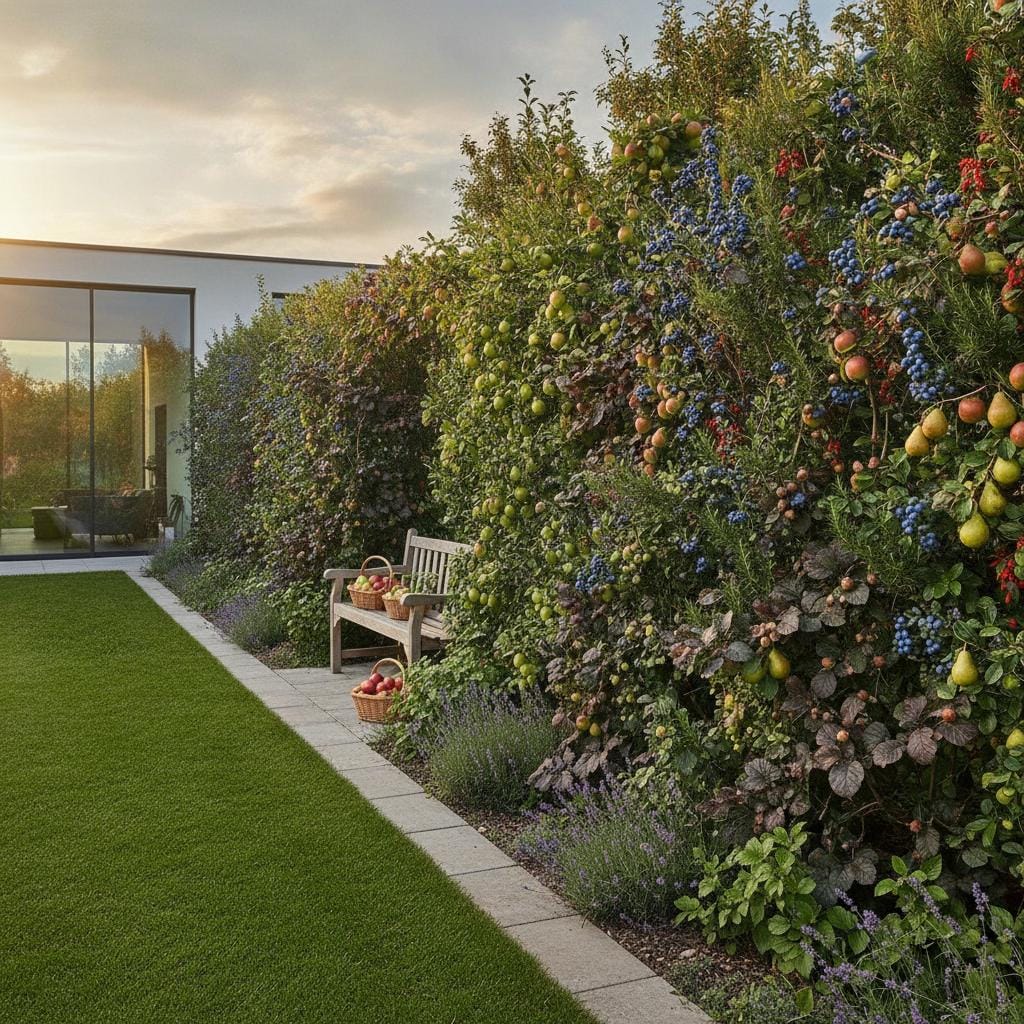
- Define edges purposefully. Line borders with low-maintenance options including lavender, mint, or alpine strawberries, which suppress weeds and add subtle fragrance.
Such intentional design elevates the yard as an extension of home style. Interactions with passersby often spark discussions, turning the garden into a communal focal point.
Step Three: Prepare and Plant with Precision
With a solid plan in place, proceed to implementation at a manageable scale. Focus on enjoyment during the initial phase, allowing room to adapt based on real-world responses.
Enhance soil quality first by incorporating organic matter such as leaf mold or worm castings, which boost fertility and structure. Aim for a pH-balanced mix suited to your chosen crops, tested via simple home kits.
Select plants aligned with culinary habits. Prioritize everyday herbs like cilantro and dill, quick-yielding veggies such as radishes and snap peas, and reliable fruits including everbearing raspberries. Space seedlings according to mature sizes to prevent overcrowding, and incorporate companion planting, like marigolds near brassicas, to deter pests naturally.
Establish a watering routine that promotes deep roots: soak thoroughly every few days rather than daily sprinkles. Apply organic mulch layers to retain moisture, moderate soil temperature, and minimize weed competition. Consistent attention builds a resilient foundation for ongoing yields.
Step Four: Sustain and Refine Over Time
Edible yards thrive on ongoing dialogue between gardener and garden. Imperfections like stray weeds signal active growth rather than shortcomings.
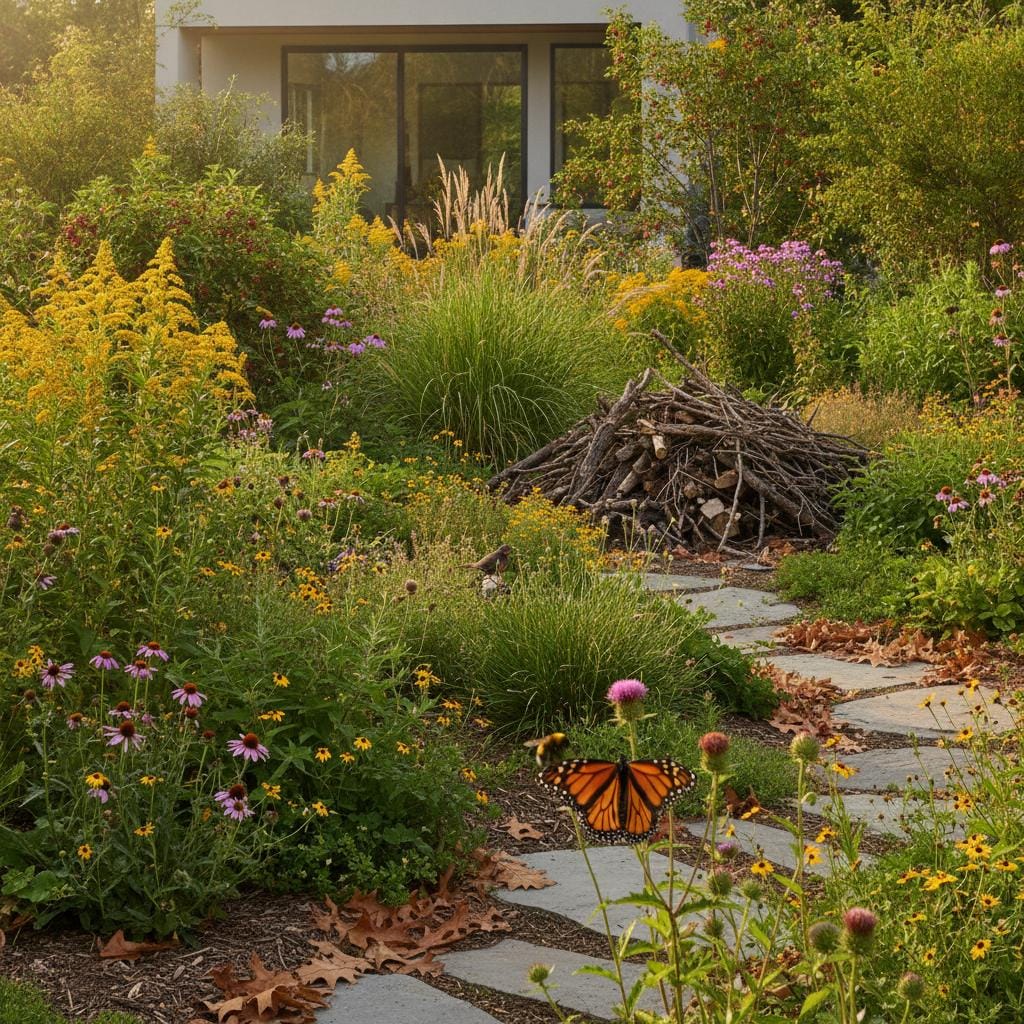
Monitor plant health diligently. Address discoloration by calibrating irrigation or inspecting for aphids, introducing ladybugs as natural controls if needed. Integrate nectar-rich blooms such as nasturtiums or borage to bolster beneficial insect populations.
Maintain shape through selective pruning, which improves circulation and vigor. Regular harvesting stimulates production; for example, pinch basil tops to encourage bushiness. Document observations in a journal to track patterns and refine techniques annually.
Routine evolves into intuitive practice. Anticipate needs like mid-season fertilizing with fish emulsion or fall cleanups, fostering a self-sustaining cycle.
Fostering Community Through Visible Gardens
Front yard edibles stand exposed, serving as beacons of stewardship that encourage engagement. Onlookers notice the changes, often initiating exchanges about varieties or care methods.
Generosity amplifies connections: offer surplus zucchini or trade heirloom seeds with locals. These interactions cultivate support networks, enhancing collective knowledge on topics from pest management to preservation techniques.
Personal endeavors frequently ignite broader participation. A single transformed yard can motivate block-wide initiatives, creating corridors of shared sustainability and mutual aid.
Adapting to Seasonal Cycles
Gardens demand tailored care year-round. During peak growing periods, prioritize consistent moisture and prompt picking to sustain output. Introduce succession planting, sowing new seeds every two weeks, for continuous supply.
Transition to fall with cool-weather staples like spinach and garlic, alongside soil-protecting covers such as fava beans. These amendments prevent nutrient depletion and suppress winter weeds.
Use dormant months for reflection and preparation. Assess successes, such as high-yield cherry tomatoes, and experiment with perennials like artichokes or currants for low-maintenance returns. Crop rotation and targeted soil tests ensure long-term vitality.
Realizing the Deeper Rewards of Edible Yards
Harvests represent just one facet of fulfillment. The process cultivates mindfulness, as daily checks reveal subtle progress in leaf expansion or bud formation.
This practice reshapes home life, shifting focus from upkeep to cultivation. Mornings might begin with inspections, revealing overnight developments that spark quiet appreciation.
Edible landscaping embodies a timeless principle: harmony with nature sustains both sustenance and soul. Start modestly, and witness how incremental efforts yield a vibrant, integrated outdoor haven.