The Shift to Edible Front Yards in 2026
Homeowners increasingly view front yards as opportunities for productivity rather than mere decoration. In 2026, this trend accelerates due to rising food costs, climate awareness, and a desire for self-reliance. Traditional grass lawns give way to gardens filled with vegetables, herbs, and fruit-bearing plants, blending beauty with utility.
These edible landscapes address multiple needs. They provide fresh, homegrown food that reduces reliance on store-bought produce. At the same time, they enhance property aesthetics through colorful foliage and structured layouts. Communities benefit as well, with shared harvests promoting social interactions and local sustainability.
Benefits of Edible Landscaping
Edible front yards offer practical advantages beyond ornamentation. Homeowners save money by harvesting their own fruits and vegetables, potentially cutting annual grocery bills by hundreds of dollars. For instance, planting tomatoes, lettuce, and strawberries yields abundant supplies throughout the growing season.
Environmental gains are significant. These gardens improve soil health and biodiversity. Native plants and perennials attract essential pollinators, supporting local wildlife. Unlike lawns that require constant watering and chemicals, edible yards conserve resources and minimize pollution.
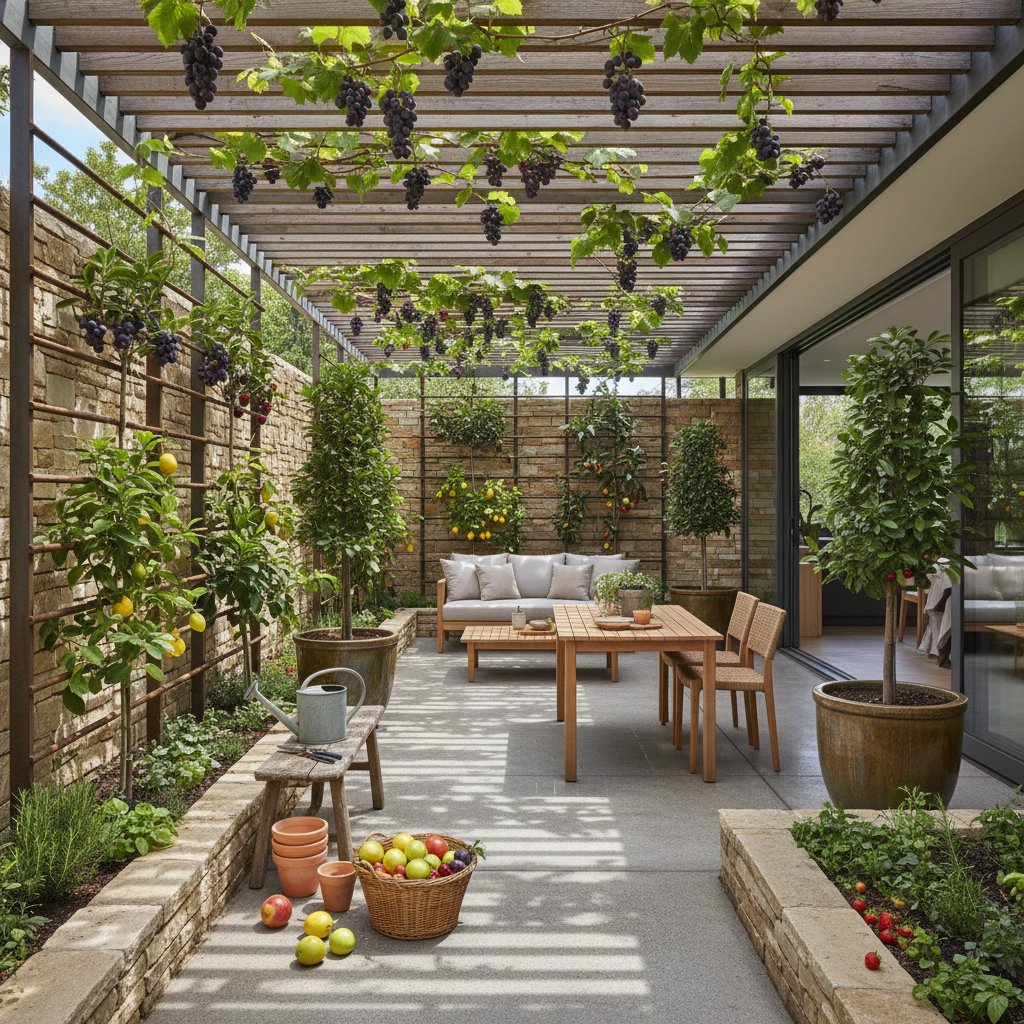
Curb appeal remains a priority. Well-designed edible gardens feature layered plantings and focal points, such as espaliered fruit trees or herb borders. This approach creates a polished look that impresses passersby while serving a purpose.
Social and Environmental Impact
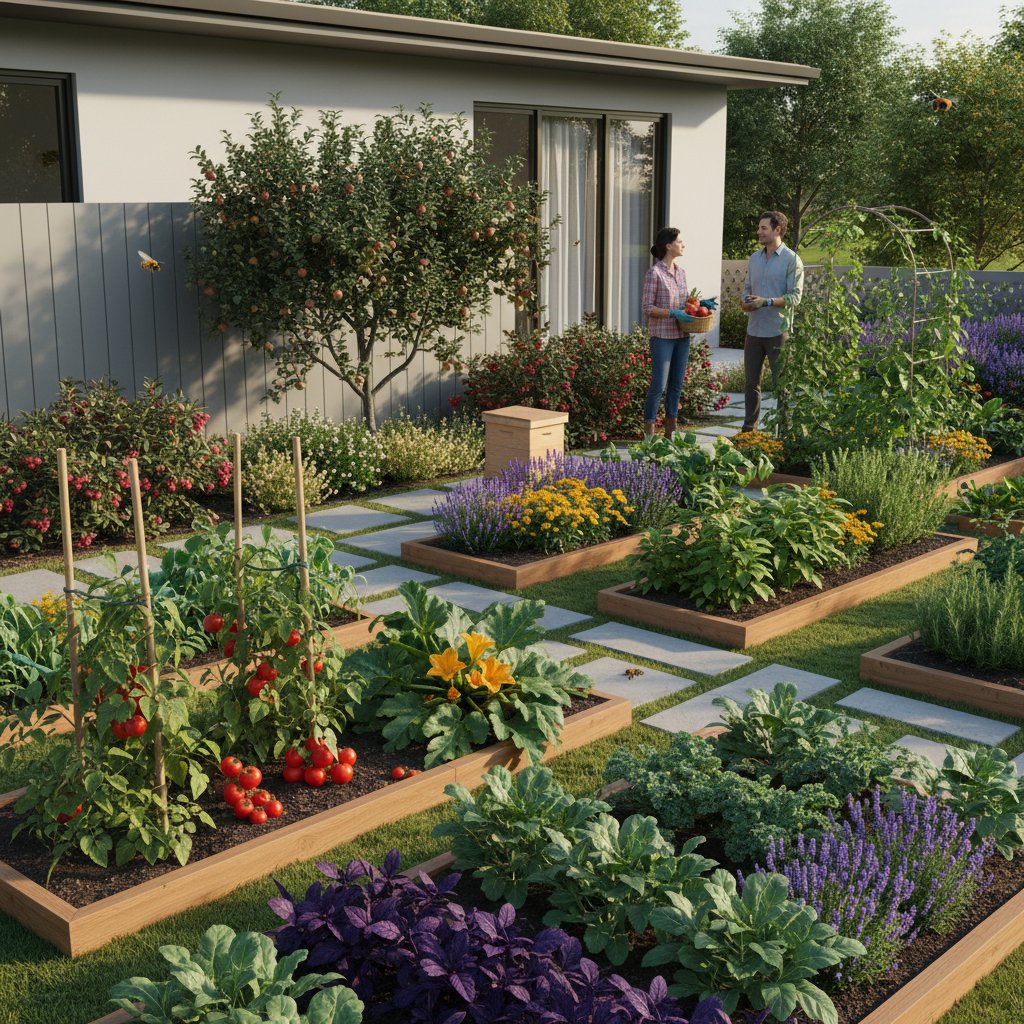
Edible front yards reshape neighborhoods into vibrant, interconnected spaces. Greener, more diverse plantings replace monotonous turf, fostering ecosystems that benefit all residents. Flowering edibles, like basil and zucchini blossoms, draw bees and butterflies, boosting pollination for nearby areas.
These gardens also mitigate urban challenges. Improved soil structure absorbs rainwater effectively, reducing flooding risks from stormwater runoff. In arid regions, drought-tolerant edibles such as kale and rosemary lower water usage compared to thirsty grass.
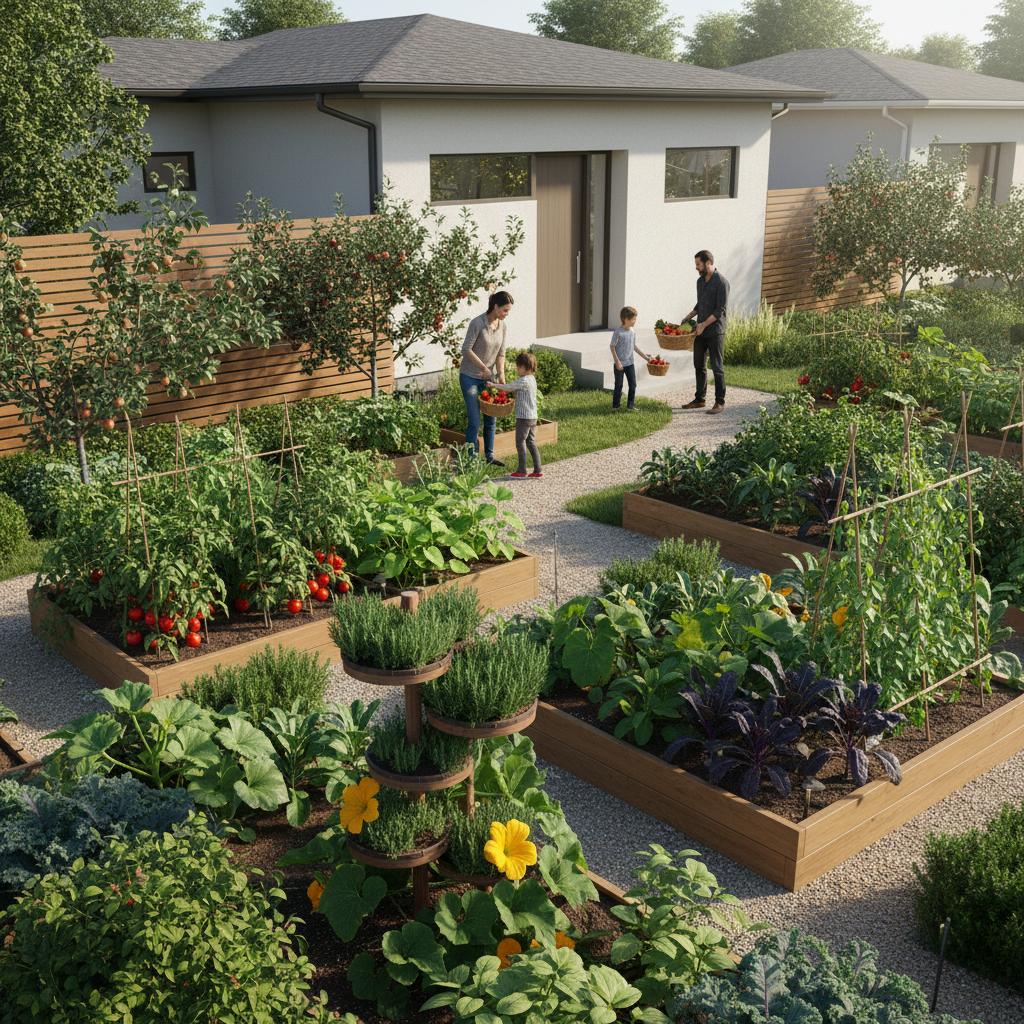
Socially, the impact proves equally profound. Neighbors often exchange surplus crops, from excess apples to homemade jams, strengthening community ties. Some areas organize seed swaps or harvest festivals, turning individual efforts into collective celebrations. This sharing culture enhances food security and reduces waste, as produce goes directly to those in need.
Aesthetic Design Principles
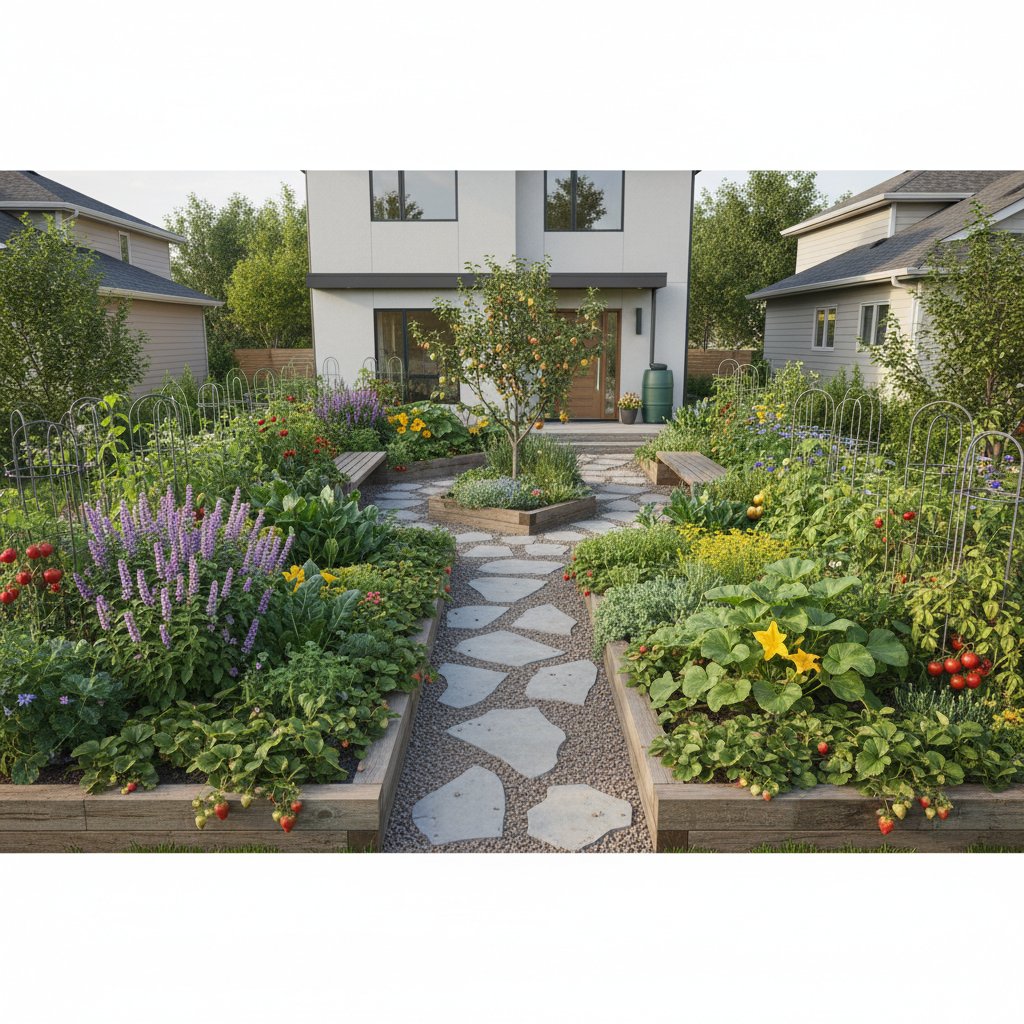
A successful edible front yard balances productivity with visual harmony. Start by defining clear boundaries with edging stones or low hedges to contain plantings. Pathways made from gravel or stepping stones guide visitors and prevent soil compaction.
Consistent spacing ensures plants receive adequate light and air circulation. Group edibles by height: tall sunflowers at the back, medium-height peppers in the middle, and low-growing lettuces upfront. This tiered arrangement creates depth and prevents overcrowding.
Incorporate hardscape elements for structure. Benches or trellises add functionality while framing the garden. Choose color-coordinated varieties, such as red chard alongside green spinach, to maintain a cohesive palette that rivals any flower bed.
Maintenance Strategies for Thriving Gardens
Sustained care keeps edible yards productive and attractive. Rotate crops annually to maintain soil fertility and disrupt pest cycles. For example, follow tomatoes with legumes like beans, which naturally enrich the earth with nitrogen.
Prune fruit trees and berry bushes in late winter to promote vigorous growth. Remove dead wood and thin dense branches, allowing sunlight to reach inner fruits. This practice not only shapes the plants but also increases yields.
Fertilize organically to avoid chemical residues on edibles. Apply compost tea or worm castings in spring and fall, targeting root zones without excess. Monitor for pests and diseases through weekly inspections; hand-pick aphids or apply neem oil sprays as needed.
In off-seasons, plant cover crops such as clover or rye to shield soil from erosion. These green mulches suppress weeds and add organic matter upon tilling. With these routines, gardens remain healthy year-round.
Steps to Create Your Edible Front Yard
Begin the transformation with a site assessment. Evaluate sunlight patterns, soil type, and water access to select suitable plants. Test soil pH and amend with lime or sulfur if necessary for optimal growth.
Start modestly to build confidence. Install one or two raised beds using untreated lumber or recycled materials. Fill them with a mix of topsoil, compost, and perlite for drainage. Plant easy starters like radishes, which mature in weeks, alongside perennials such as rhubarb.
Expand gradually based on success. Add vertical elements like cucumber trellises to maximize space. Integrate fruit trees, such as dwarf apples or figs, as long-term investments. Consult local extension services for region-specific advice on varieties and timing.
Document progress with a garden journal. Note planting dates, yields, and adjustments to refine future seasons. This methodical approach ensures the yard evolves into a personalized, efficient food source.
Harvesting Rewards and Lasting Influence
An edible front yard delivers ongoing rewards that extend beyond the harvest. Fresh meals from your own plants enhance daily nutrition and satisfaction. Neighbors may seek advice, sparking inspiration for similar projects in the community.
These spaces contribute to broader goals of resilience and stewardship. By producing food locally, you reduce carbon footprints from transportation. Pollinator-friendly designs support declining species, aiding ecological balance.
Ultimately, this shift redefines home landscapes as integral to well-being. What begins as a simple planting becomes a source of nourishment, beauty, and connection. Your front yard stands as a model, encouraging others to embrace sustainable, productive living.