Why Edible Front Yards Will Dominate 2026 Trends
Homeowners increasingly view their front yards as opportunities for more than aesthetic appeal. The trend toward edible landscapes combines visual charm with practical benefits, such as fresh produce and environmental support. This shift reflects a broader desire for self-sufficiency and sustainability in residential spaces.
Transforming a front yard into an edible garden requires careful consideration of local climate and soil conditions. Such designs enhance curb appeal while providing ongoing harvests. Homeowners discover that these gardens foster a deeper connection to their surroundings.
Assessing Your Yard's Potential
Begin by evaluating your front yard's unique features. Observe sunlight patterns throughout the day, noting areas that receive full sun for at least six hours, ideal for tomatoes and peppers. Identify drainage spots where water pools, as these suit moisture-loving plants like lettuce.
Examine existing vegetation for compatibility. Hardy perennials such as lavender can integrate with edibles, offering both fragrance and pollinator attraction. This assessment reveals how to maximize space without starting from scratch.
Consider scale based on yard size. In compact areas, vertical elements like trellises support climbing beans or peas. Larger yards allow for fruit trees that anchor the design while providing seasonal yields.
Designing for Balance and Beauty
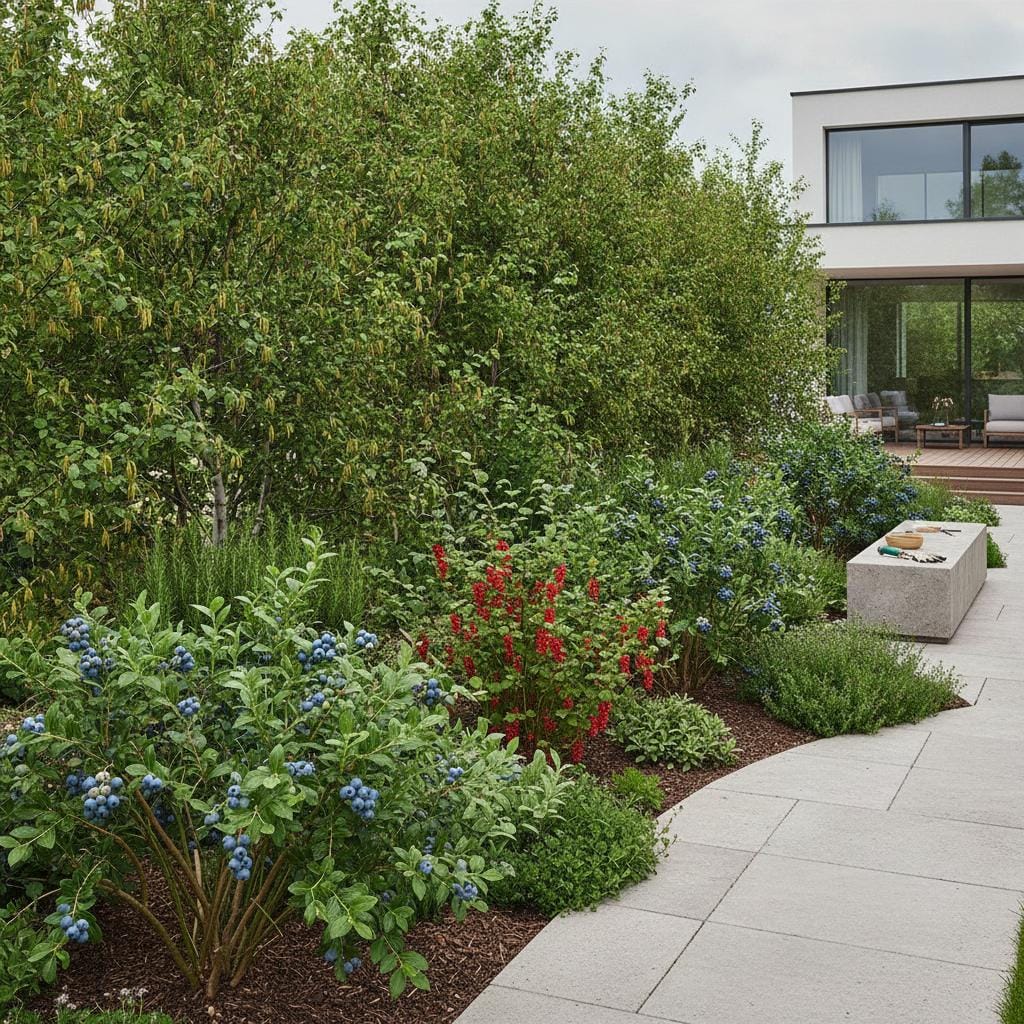
Create a layered planting scheme to maintain structure. Position taller elements, such as dwarf apple trees or espaliered pears, at the back to offer dappled shade without overwhelming the space. Mid-level shrubs like gooseberries or serviceberries add texture and year-round interest.
Incorporate edibles that double as ornamentals in the foreground. Swiss chard varieties display vibrant stems in red, yellow, and pink, mimicking colorful foliage plants. Nasturtiums serve as edible flowers that trail along edges, deterring pests naturally.
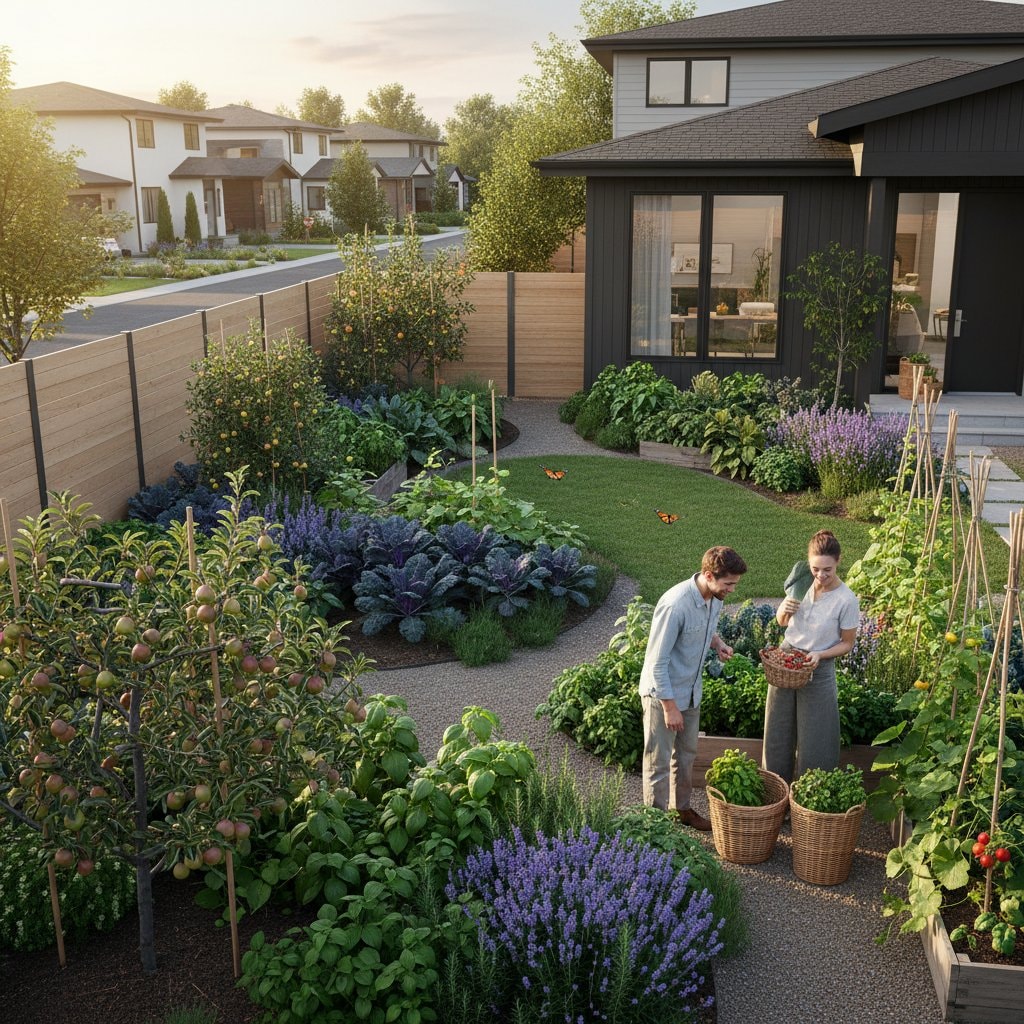
Plan pathways for easy access during maintenance. Install gravel or mulch paths two feet wide to reach inner plantings without compacting soil. These features guide visitors' eyes and prevent erosion from foot traffic.
Ensure year-round appeal by selecting a mix of evergreens and deciduous plants. For example, replace boxwood hedges with rosemary borders that thrive in USDA zones 7 through 10 and yield culinary herbs. This approach keeps the yard inviting across seasons.
Implementing Initial Plantings
Select crops suited to your growing zone for success. In temperate climates, start with cool-season greens like kale and spinach that tolerate partial shade. Warm-season options, such as zucchini or eggplant, flourish in sunnier spots during summer months.
Prepare the soil by testing pH levels; most edibles prefer 6.0 to 7.0. Amend with organic matter like aged manure to improve fertility and drainage. Remove turf in sections using a sod cutter, then cover bare areas with cardboard and mulch to suppress regrowth.
Plant in raised beds if soil is poor, elevating them six to twelve inches for better root development. Space plants according to seed packet guidelines, such as twelve inches between lettuce heads, to allow air circulation and reduce disease risk.
Water deeply after planting to establish roots, aiming for one inch per week. Monitor for the first few weeks, adjusting based on rainfall. These steps build a strong foundation for long-term productivity.
Maintaining Productivity Over Time
Establish a routine for care to sustain yields. Water consistently, using drip irrigation to deliver moisture directly to roots and conserve water. Prune fruiting plants like tomatoes to remove suckers, directing energy toward larger harvests.
Enrich soil annually with homemade compost, applying a two-inch layer in spring. This practice enhances microbial activity and nutrient availability without chemical inputs. Test soil every two years to address any deficiencies, such as adding lime for acidity.
Rotate plant families each season to disrupt pest cycles. Follow brassicas like broccoli with legumes such as beans, which fix nitrogen in the soil. Integrate companion planting, pairing basil with tomatoes to repel aphids naturally.
Harvest regularly to encourage production. Pick herbs like mint in the morning for peak flavor, and gather fruits when fully colored. These practices keep plants vigorous and the garden visually tidy.
Fostering Community Through Shared Spaces
Edible front yards spark interactions that strengthen neighborhood ties. Visitors often pause to admire unusual plants, leading to exchanges of seeds or growing tips. Such gardens demonstrate innovative land use and inspire others to experiment.
Incorporate elements that welcome observation. Place benches near pathways or install interpretive signs noting plant benefits, like how elderberries support bird habitats. These touches turn the yard into a subtle educational feature.
Address potential concerns from local regulations by consulting guidelines early. Many communities now permit edible landscapes if they maintain neat appearances. Start with low-profile changes, such as herb-lined walkways, to gauge acceptance.
Over time, these gardens contribute to broader sustainability efforts. They reduce food miles by providing local produce and support biodiversity through diverse plantings. Homeowners find that the social rewards enhance the personal satisfaction of gardening.
Harvesting Rewards and Sustaining Growth
The first harvest marks a milestone in your edible landscape journey. Biting into a sun-warmed strawberry or a just-picked salad leaf delivers immediate gratification. These moments reinforce the value of invested effort.
Track progress with a garden journal, noting what thrives and adjustments needed. This record informs future seasons, refining your approach for better results. Challenges like drought or insects build resilience through adaptive strategies.
Ultimately, an edible front yard enriches daily life with abundance and beauty. It nourishes the body, engages the community, and stewards the environment. Embrace this evolving practice to cultivate a space that reflects intentional living.