Low-Mow Meadows: Rewild Your Yard for 2026
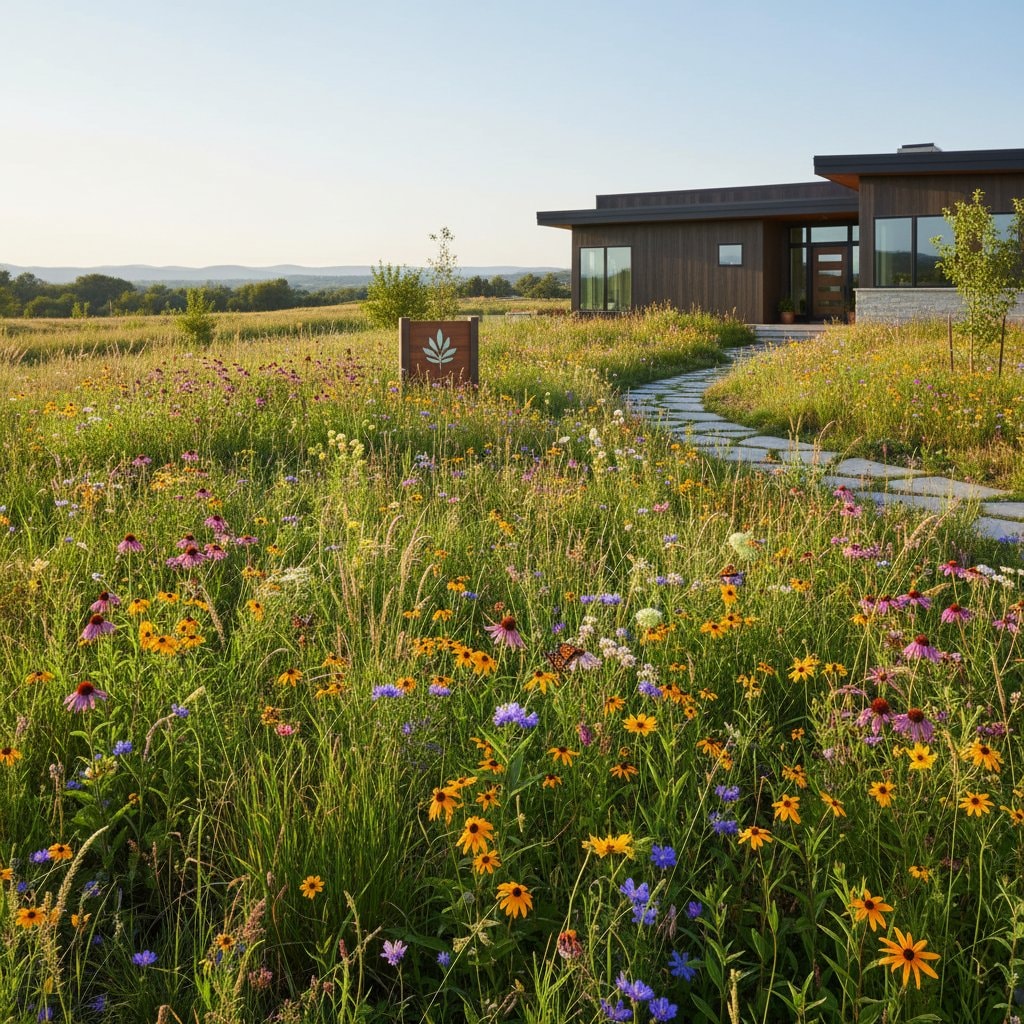
Homeowners increasingly seek ways to reduce yard maintenance while enhancing environmental value. A low-mow meadow replaces the conventional turf lawn with a diverse blend of native grasses and wildflowers. This design requires infrequent mowing, supports local wildlife, and adapts to various climates once rooted.
The shift to a meadow lawn extends beyond convenience. It fosters a resilient ecosystem tailored to your site's conditions, promoting long-term sustainability and natural beauty.
Reasons Homeowners Choose Meadow Lawns
Traditional lawns demand significant effort and resources, prompting many to explore alternatives. Low-mow meadows deliver both practical efficiencies and ecological gains that align with modern gardening priorities.
Reduced Maintenance Demands
Establishment demands attention in the initial year, after which mowing occurs only one or two times annually. Eliminate routine fertilizing, excessive watering, and chemical weed controls to simplify care.
Cost Savings Over Time
Annual expenses for fuel, fertilizers, and irrigation on a standard lawn often exceed several hundred dollars. Meadows thrive with minimal inputs, yielding substantial reductions in ongoing costs.
Support for Pollinator Populations
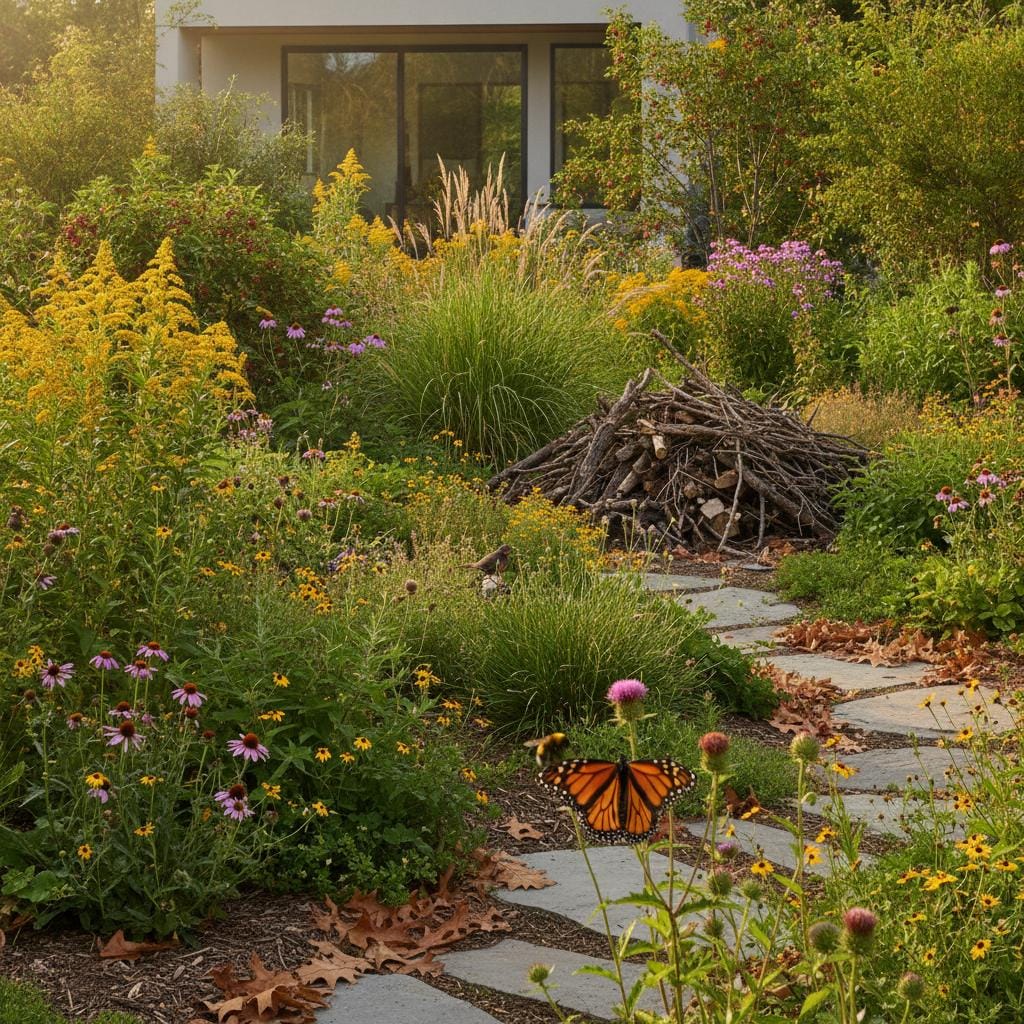
Native plants in meadows supply nectar and habitat for bees, butterflies, and other insects vital to food production. This contribution strengthens regional biodiversity and ecosystem health.
Enhanced Soil Health and Water Management
Plants with extensive root systems stabilize soil against erosion and facilitate groundwater recharge. Rainwater infiltrates effectively, diminishing runoff and alleviating urban drainage pressures.
Dynamic Visual Interest Throughout Seasons
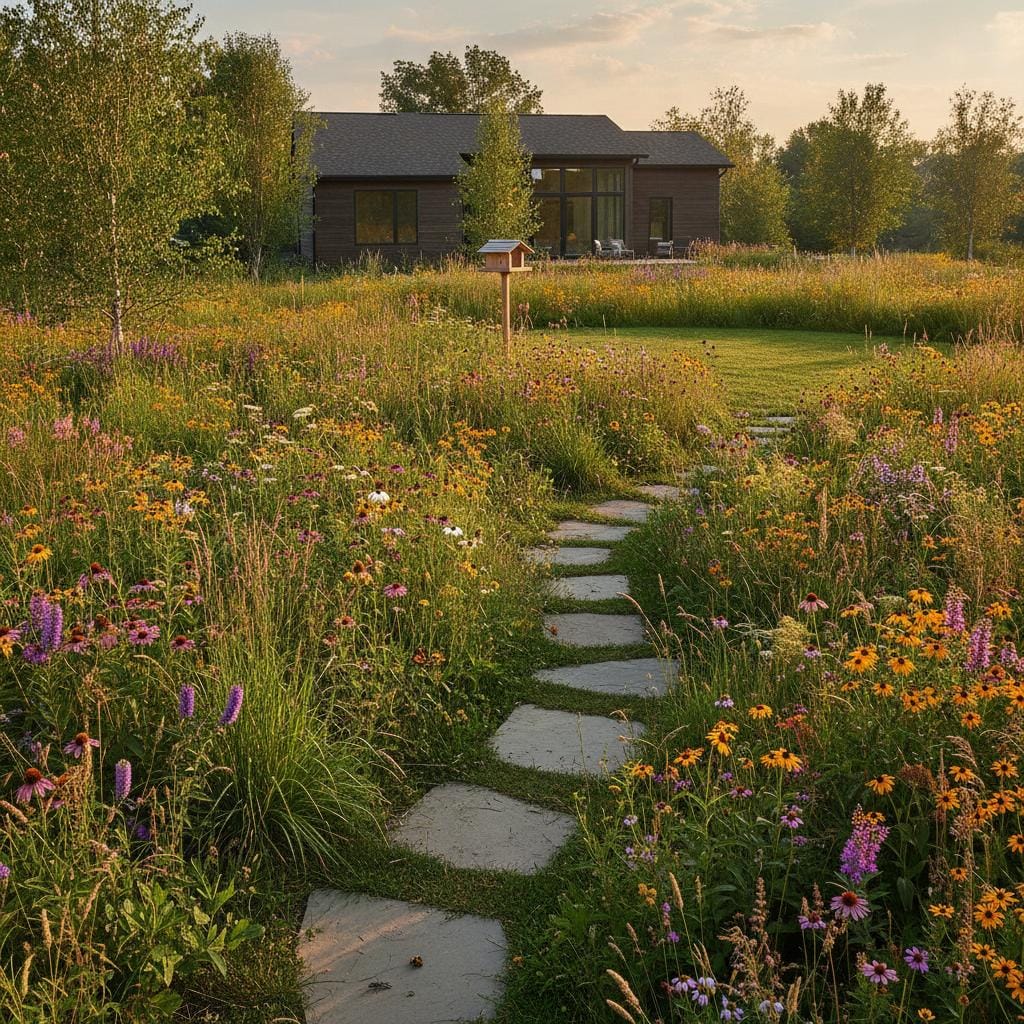
Meadows evolve with blooming cycles, offering varied colors, heights, and textures. This organic progression creates a more engaging vista compared to the monotonous uniformity of turfgrass.
Steps to Establish a Meadow Lawn
Success hinges on thorough preparation during the first season. Established meadows then require limited intervention, allowing plants to flourish independently.
Remove Existing Vegetation
Clear the site by layering cardboard topped with several inches of compost to suppress grass growth, or employ a sod cutter for direct removal. These methods prevent competition from lingering turf and weeds.
Amend the Soil Lightly
Rake or till the topsoil to a depth of two to four inches for aeration. Avoid heavy fertilization, as most meadow species perform best in nutrient-poor conditions that discourage aggressive weeds.
Distribute Seeds Uniformly
Select a seed mix suited to your region's hardiness zone and sunlight exposure, such as a blend of little bluestem grass and black-eyed Susan wildflowers. Scatter seeds by hand or use a broadcast spreader, then rake lightly and press into the soil with a roller for optimal germination contact. Initiate watering immediately to maintain consistent moisture.
Nurture Seedlings Through the First Season
Sustain even soil moisture until germination, typically within two to three weeks. Reduce watering to drought periods thereafter, focusing energy on root establishment. Expect modest blooms initially, with fuller displays emerging in subsequent years as perennials mature.
Maintenance Routines by Season
Though low-maintenance, meadows benefit from targeted care to preserve vitality and appearance.
- Spring Preparation: Clear winter debris and thatch with a rake to encourage fresh growth. Overseed sparse areas with additional native seed to fill gaps.
- Summer Management: Trim pathways or edges to one to two feet high for accessibility. Hand-pull invasive species promptly to limit spread before seed production.
- Fall Preservation: Permit seed heads to mature and disperse naturally, aiding self-propagation and providing winter food for birds.
- Winter Protection: Leave standing structures intact for wildlife cover and visual interest. Avoid cleanup until early spring to support overwintering insects.
Perform an annual mow in late winter or early spring at a height of four to six inches. This practice controls woody encroachment and refreshes the meadow's structure.
Addressing Typical Challenges
Transitioning to a meadow involves adaptation, but common obstacles prove manageable with informed strategies.
Managing Initial Weed Pressure: Seedlings compete with opportunists in year one, resulting in uneven coverage. Mow at three inches monthly during this phase to suppress weeds without harming desired plants.
Overcoming Spotty Establishment: Germination varies due to soil inconsistencies or weather. Perennials fill in naturally by year two; supplement with targeted reseeding in affected zones during cool, moist periods.
Navigating Neighbor Perceptions: Unfamiliar aesthetics may draw questions. Maintain crisp borders with mowed strips or gravel paths to integrate the meadow harmoniously with surrounding landscapes.
Optimizing Care Schedule: Premature cutting risks seedling loss, while delayed action allows excess thatch buildup. Time major trims for after frost in spring or post-seed set in autumn, monitoring plant maturity cues.
Cultivating Meadow Success
A thriving meadow elevates your yard into a biodiverse haven, drawing diverse pollinators and avian visitors. Improved soil retention conserves water, and reduced mowing frees hours for leisure.
Gradually expand by incorporating complementary natives, such as coneflowers for extended bloom or switchgrass for height variation. Begin with a modest trial area of 200 square feet to build expertise before scaling.
For hybrid designs, intersperse mowed turf corridors amid meadow expanses. This balances usability for recreation with the wild allure of native plantings, ensuring a versatile outdoor space.