Why Edible Front Yards Will Boom in 2026
Many homeowners stand on their front porch and gaze at the yard, sensing a desire for more purpose in the space. The grass may appear lackluster, and flowerbeds might seem outdated. This sentiment drives a shift toward transforming ornamental areas into productive ones that nourish both body and soul. Edible front yards fulfill this need by combining aesthetics with functionality, yielding fresh produce while enhancing the landscape.
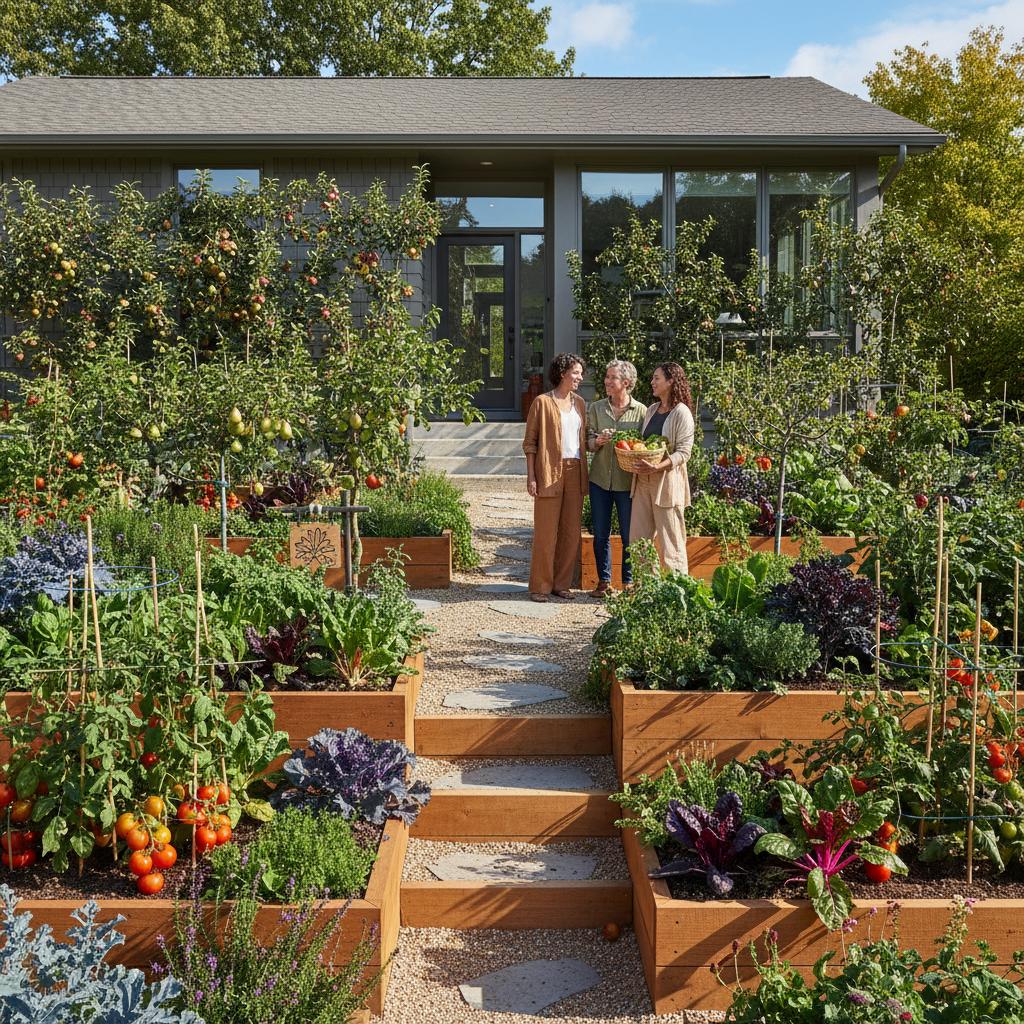
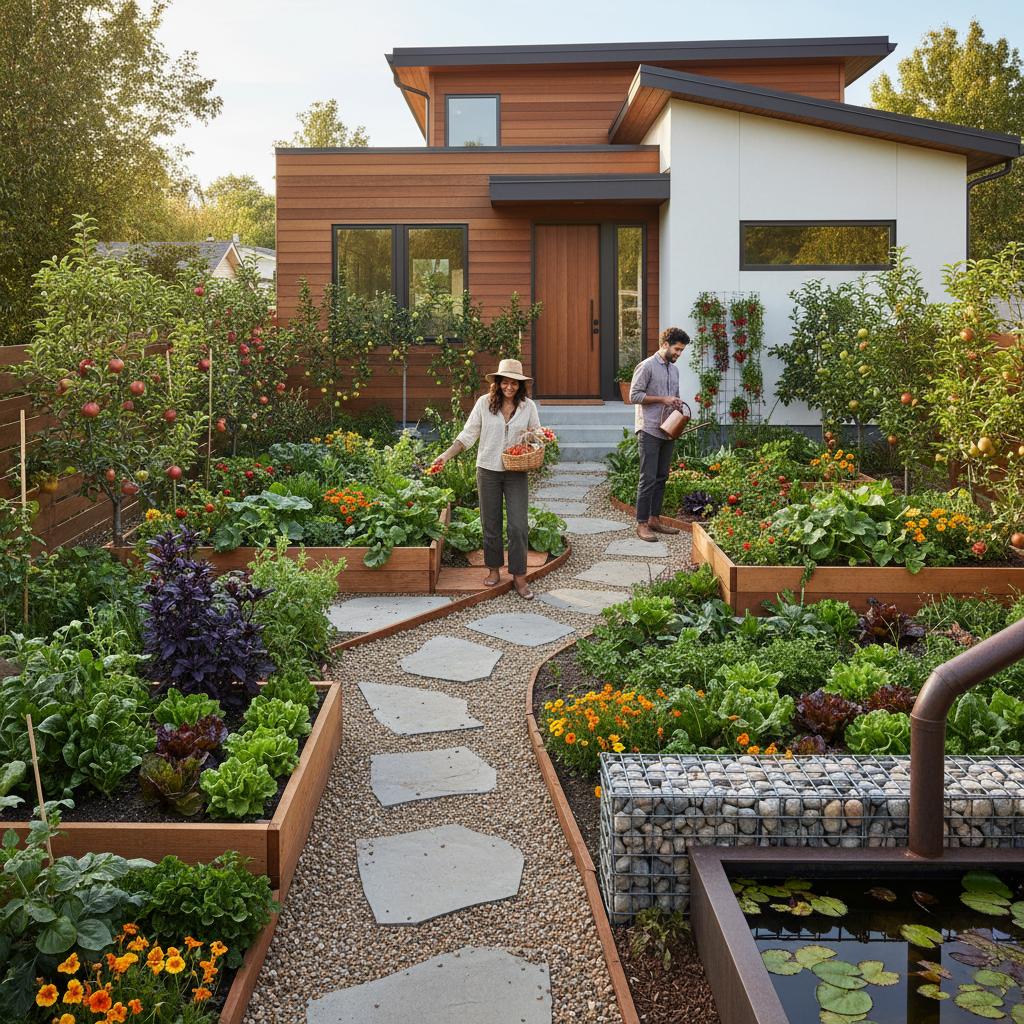
Edible front yards feature vegetables, fruits, herbs, and edible flowers in areas traditionally occupied by lawns or shrubs. These designs integrate color, texture, and utility, allowing homeowners to harvest and share bountiful yields. As interest in sustainable living grows, foodscaping evolves from a specialized practice to a widespread trend. By 2026, expect this approach to dominate residential landscapes, fostering connections to nature and self-sufficiency.
Redefining Garden Beauty
Traditional views equate a pristine lawn with pride and upkeep. However, gardens offer diverse expressions of beauty. Consider rainbow chard with its colorful stems catching the sunset, or blueberry bushes laden with berries providing summer shade. Such elements rival any floral display in visual appeal.
Edible landscaping redefines aesthetics by emphasizing abundance over uniformity. A thoughtfully arranged yard maintains tidiness through structured plantings. Low herbs like thyme serve as groundcover, fruit trees provide vertical interest, and vining peas climb trellises for added dimension. The overall effect radiates vitality and invitation.
This evolution expands rather than discards heritage. Harvesting crisp lettuce or ripe tomatoes from the front yard reveals how form and purpose harmonize seamlessly.
Benefits Extending Past the Produce
Edible front yards deliver advantages that surpass immediate harvests.
Reduced Water Consumption and Enhanced Biodiversity
Lawns demand consistent irrigation. Opt for climate-adapted edibles to cut water needs and boost ecological variety. Drought-tolerant herbs such as oregano, sage, and lavender thrive with minimal moisture, attracting beneficial insects.
Improved Pest Resistance
Diverse plantings outperform monoculture lawns in warding off threats. Employ companion planting to promote health; for example, position basil alongside tomatoes to repel aphids and enhance fruit taste.
Fostering Social Ties
Visible gardens spark interactions. Neighbors comment on changes, children explore the plants, and sharing surplus items like strawberries or seed packets builds rapport. This visibility strengthens community bonds in an era of isolation.
Boosting Personal Health
Gardening provides exercise, fresh air, and tranquility. Gathering homegrown items, such as a bunch of mint, instills accomplishment. These routines accumulate to support overall well-being.
Steps to Convert Lawn into Productive Space
Transitioning the front yard may seem overwhelming, yet incremental steps simplify the process.
Incorporate Containers or Raised Beds
These structures offer defined boundaries for testing ideas without extensive soil disruption. Position them flexibly and amend with nutrient-rich compost to support vigorous growth.
Substitute Plants Gradually
Exchange a non-productive shrub for a blueberry bush or currant that yields fruit. Replace ground ivy with spreading thyme or mint. Each swap increases output while preserving the yard's framework.
Repurpose Existing Features
Adapt a trellis from ornamental vines to support snap beans or cucumbers. Surround a birdbath with nasturtiums and cherry tomatoes to create a focal point that draws pollinators. This method conserves effort and evolves the space organically.
Year-Round Design Strategies
Plan edible yards to deliver interest across seasons.
Spring and Early Summer
Plant cool-season options like arugula, peas, and carrots. These establish swiftly, occupying spaces until heat-loving varieties take over.
Peak Summer
Introduce sun-warmers such as eggplant, basil, and summer squash. Their foliage and fruits provide dynamic patterns and scents.
Fall Transition
Incorporate beets, Brussels sprouts, and Swiss chard. These endure light frosts, extending the harvest period.
Winter Maintenance
Rely on perennials like chives and bay laurel for structure. Apply mulch over bare soil and sow cover crops like clover to enrich it for spring renewal. This cycle keeps the yard vibrant throughout the year.
Home-Based Sustainability Practices
Edible front yards align with intentional lifestyles by sourcing food locally. Homegrown items shorten supply chains, trim expenses, and minimize plastic use. A modest area might yield enough salad greens to offset weekly market trips.
These gardens instill resource stewardship. Transform kitchen scraps into compost to fertilize beds. Install rain barrels to capture runoff for irrigation. Such habits cultivate harmony with the environment.
Adopters often extend benefits: observing bees on lavender leads to habitat enhancements, while fresh harvests inspire seasonal meals. The yard transforms into a hub for education, sharing, and appreciation.
Addressing Typical Hesitations
Concerns about aesthetics, rules, or upkeep deter some from starting. Address them directly for confident progress.
Maintaining a Polished Look
Define beds with edging materials like wood or metal. Prune climbers regularly and use stakes for upright growth. Balanced layouts, such as mirrored herb borders, lend formality to edibles.
Navigating Restrictions
Review community guidelines for permitted features. Select dual-purpose plants like dwarf citrus trees or espaliered apples that comply while producing. Consult associations early to align designs.
Simplifying Care
Established perennials like rhubarb require less attention than mowing. Layer mulch to suppress weeds and retain moisture. Routine tasks shift from chores to rewarding investments.
Experiencing the Rewards of Growth
A thriving edible front yard reshapes daily life at home. Mornings involve inspecting dew-kissed strawberries en route to the door. Evening breezes carry rosemary's aroma. Visitors depart with armfuls of produce and ideas, turning the space into a catalyst for inspiration and connection.