Why Decomposed Granite Leads Budget Hardscapes in 2026
Homeowners often envision an inviting outdoor space but hesitate due to high costs of materials like stone or concrete. Decomposed granite, known as DG, emerges as a practical solution that delivers natural appeal and durability without straining budgets. This material transforms backyards into functional, earthy retreats that withstand daily use.
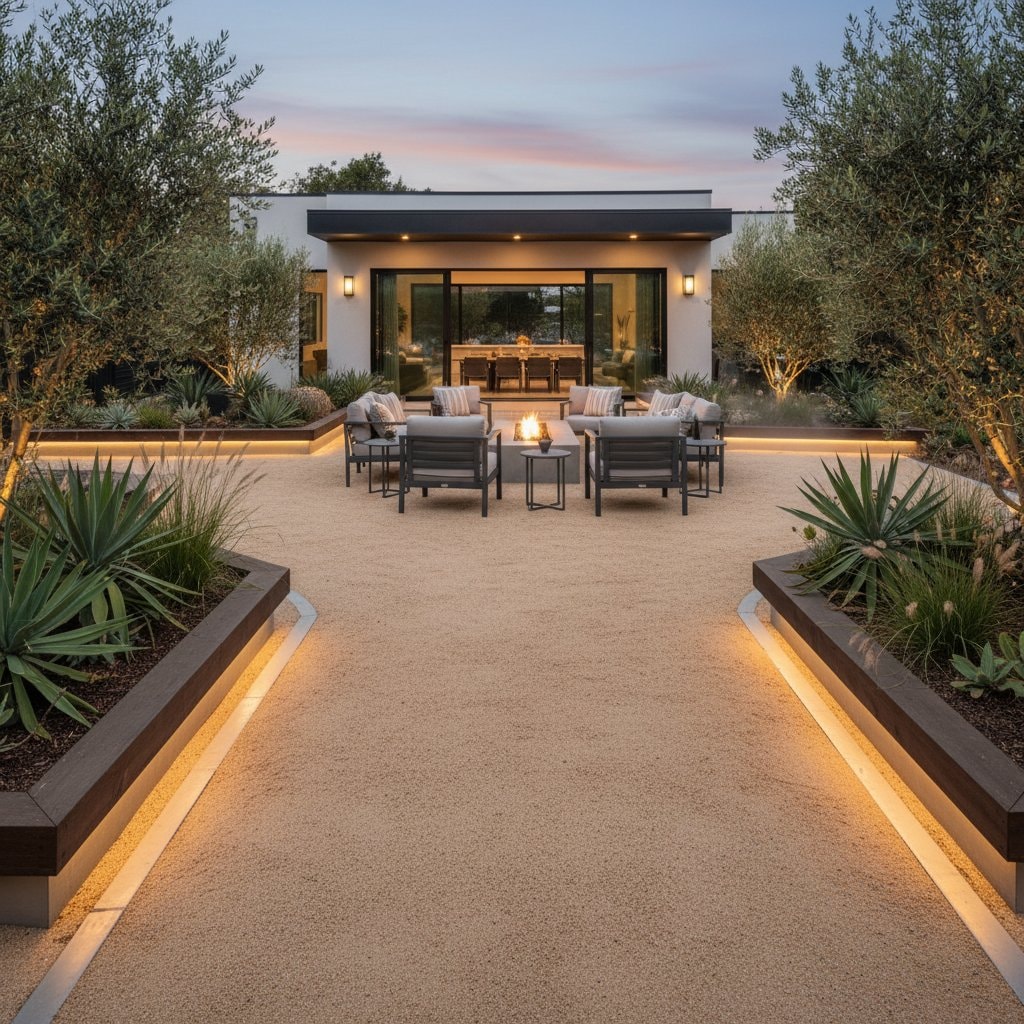
Decomposed granite consists of weathered granite broken into gravel and fine particles. When compacted, it forms a stable surface that retains an organic texture. Available in natural hues such as gold, gray, and rust, DG integrates seamlessly into landscapes, providing an affordable path to enhanced outdoor living.
Key Types of Decomposed Granite
Decomposed granite offers options suited to different needs, allowing customization based on traffic levels and aesthetic preferences.
- Loose DG suits casual walkways or planting beds, promoting excellent drainage and a loose, permeable feel.
- Stabilized DG incorporates a binding agent for added firmness, ideal for moderate foot traffic while preserving a natural appearance.
- Sealed DG applies a hardening coat for a polished, resilient finish, perfect for patios or driveways exposed to heavier use.
Select the type that aligns with your project's demands. For instance, use stabilized DG in high-traffic zones to prevent shifting, ensuring long-term stability.
Evaluating Your Outdoor Area
Assess your yard's layout and usage patterns before purchasing materials. Identify zones for paths, seating, or drainage solutions to guide your design.
Walk the space and note challenges like pooling water or eroded soil. Decomposed granite addresses these by facilitating natural percolation and providing a firm base. Outline proposed areas using flexible garden hoses to test shapes and ensure smooth transitions between features.
Consider sunlight exposure and soil type as well. In sloped areas, stabilized DG prevents washouts, while loose varieties work in flat, low-use spots.
Budgeting for a Decomposed Granite Project
Decomposed granite stands out for its cost-effectiveness, typically ranging from $1 to $3 per square foot, far below pavers or poured concrete. Installation often requires only basic tools, making it feasible for DIY enthusiasts.
Divide the project into phases to control expenses. Start with a 100-square-foot path, then add a patio later. Source bulk deliveries from local suppliers to secure volume discounts, and calculate needs by multiplying length by width, adding 10 percent for waste.
Factor in base materials like gravel, which add $0.50 to $1 per square foot but enhance longevity. This strategic planning maximizes value without compromising quality.
Step-by-Step Installation Guide
Prepare the site by removing vegetation and leveling the ground to a depth of four inches. Install a geotextile fabric to suppress weeds and improve stability.
Add a two-inch layer of crushed stone base, compact it thoroughly with a plate compactor rented for $50 to $100 per day. Spread decomposed granite to a three-inch depth, wet it lightly, and compact in layers to achieve a solid bond.
For stabilized versions, premix the binder per product guidelines, typically one part stabilizer to ten parts DG. Allow 24 to 48 hours for curing before use. This process yields a professional result with minimal effort.
Enduring Advantages of Decomposed Granite
Beyond initial savings, decomposed granite proves resilient against weathering and wear. It handles vehicle tires on driveways and foot traffic on paths without cracking, unlike rigid concrete.
Natural drainage reduces erosion and flooding risks, while its permeability supports groundwater recharge. Over time, DG settles into a low-profile surface that requires occasional touch-ups rather than full replacements.
Environmentally, it minimizes heat island effects compared to asphalt and integrates with native ecosystems, fostering sustainable landscapes.
Integrating Decomposed Granite with Complementary Elements
Enhance decomposed granite's versatility by bordering it with retained boulders or timber edging for definition. Combine with permeable pavers in transitional zones to create visual interest.
Incorporate groundcovers like creeping thyme along edges to add fragrance and soften lines. For modern accents, embed LED path lights that accentuate the material's subtle grains during evening hours.
These pairings elevate basic installations into cohesive designs that reflect personal style while maintaining budget constraints.
Maintenance Practices for Lasting Appeal
Regular upkeep preserves decomposed granite's integrity and appearance. Rake the surface monthly to redistribute material and remove debris.
After storms, inspect for depressions and refill with matching DG, then compact. Reapply a thin stabilizer layer annually in high-wear areas to sustain firmness.
Avoid pressure washing, which can displace fines; instead, use a leaf blower for cleaning. These routines ensure the surface remains vibrant and functional year-round.
Enhancing Plant Growth with Decomposed Granite
Decomposed granite serves as an effective mulch alternative, conserving soil moisture and suppressing weeds around perennials and shrubs. Its coarse texture aerates soil, promoting root development in xeriscape designs.
Pair it with drought-resistant species like lavender or agave to create low-water gardens. The material's neutral palette frames foliage colors, resulting in a serene, balanced planting scheme.
In vegetable beds, use DG pathways to separate rows, preventing soil compaction and easing access during harvests.
Realizing the Full Potential of Your Landscape
A completed decomposed granite installation invites extended outdoor enjoyment, from casual strolls to gatherings. The material's subtle crunch underfoot signals a well-crafted space that evolves with your needs.
Observe how it unifies elements, drawing the eye through the yard and encouraging exploration. This investment yields enduring satisfaction, blending utility with natural elegance.