Why Decomposed Granite Outperforms Gravel for Durable Garden Paths
Garden paths often face challenges from uneven surfaces or scattered materials that disrupt the serene atmosphere of outdoor spaces. Gravel, while popular, frequently shifts under foot traffic or weather, leading to ongoing frustration and upkeep. Decomposed granite presents a superior alternative, combining natural aesthetics with exceptional stability to create pathways that endure with minimal intervention.
Key Differences Between Decomposed Granite and Gravel
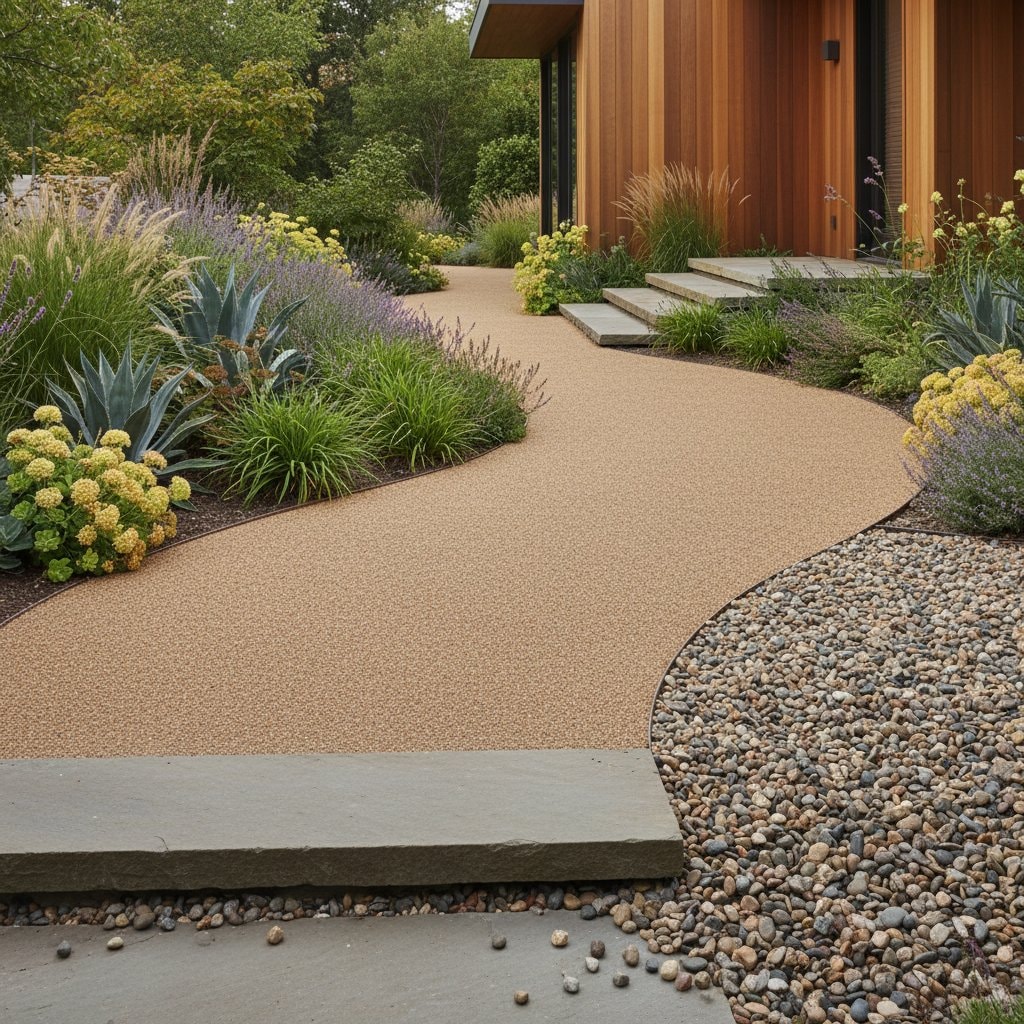
Gravel comprises rounded pebbles that roll and displace readily, creating an unstable base prone to erosion. In contrast, decomposed granite derives from granite rock broken down by natural weathering into angular, sand-like particles. These particles interlock when compacted, forming a cohesive layer that supports weight without displacement.
This structural variance influences practical use significantly. Decomposed granite permits efficient water drainage while maintaining firmness, ideal for pathways in rainy climates. Gravel, however, often requires edging or barriers to contain its movement, adding complexity to installation and maintenance.
Benefits of Stability and Natural Integration
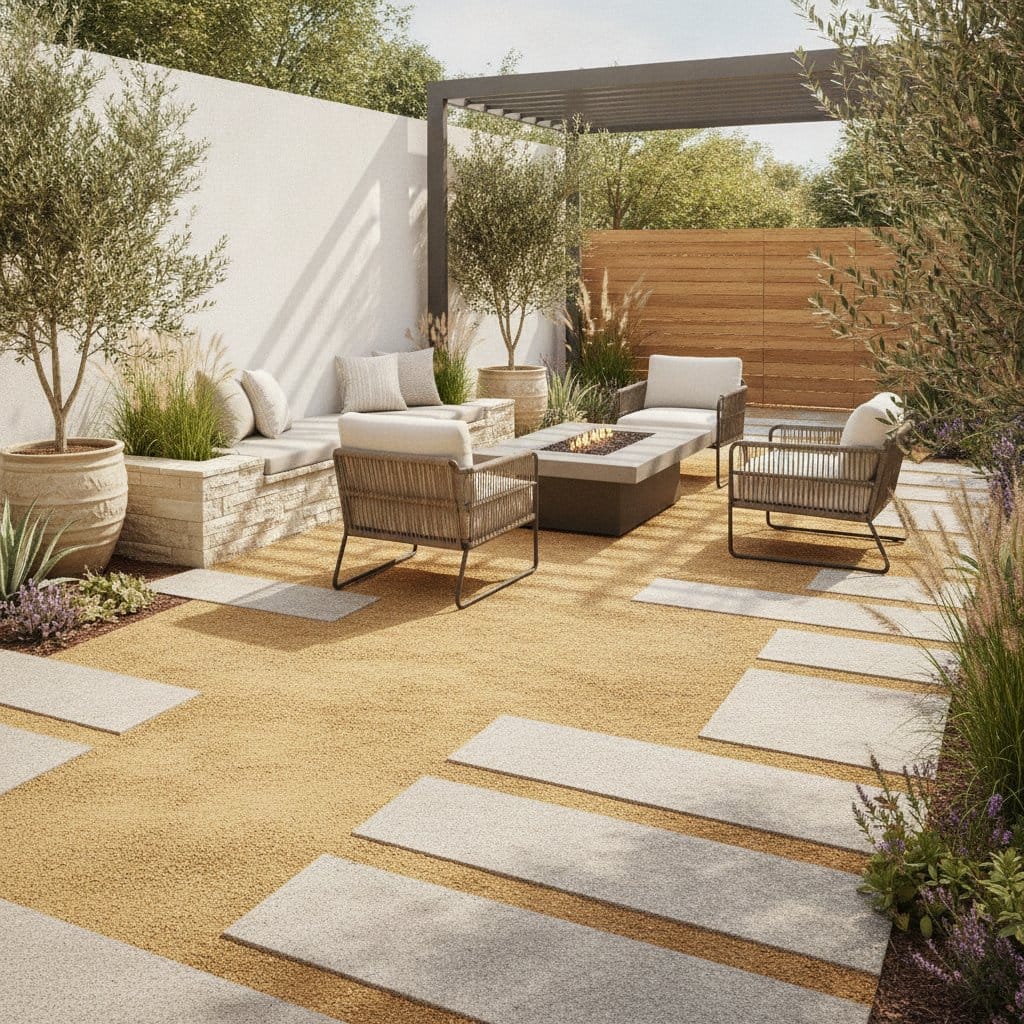
The compaction process of decomposed granite binds particles tightly, resulting in a surface that yields slightly underfoot for comfort yet resists shifting. Available in shades from warm reds to cool grays, it harmonizes with diverse garden themes, such as woodland trails or contemporary patios. Unlike gravel's coarse feel, this material provides a refined texture that enhances barefoot walking or light vehicle passage.
Stability extends to boundary preservation, as the material stays within defined edges, preventing intrusion into adjacent planting beds. Homeowners report reduced weed growth along paths, since the dense layer inhibits seed germination. Over time, this reliability translates to cost savings, with paths lasting five to ten years before major refreshes.
Step-by-Step Preparation for a Resilient Path
Select a route that aligns with daily garden navigation, using stakes and string to outline curves and straight sections for a natural flow. Excavate the area to a depth of four to six inches, removing roots and debris to ensure a clean foundation.
Install a geotextile fabric to suppress weeds, followed by two inches of crushed stone base compacted to three inches thick. This sub-base promotes drainage and prevents sinking. Layer decomposed granite in two-inch increments, moistening each before compacting with a vibrating plate or roller for optimal density.
For enhanced durability, consider stabilized decomposed granite, which incorporates a binding resin during installation. Test the surface by walking its length; it should feel firm without dust clouds or looseness. Allow 24 to 48 hours for full settling before regular use.
Essential Maintenance Practices
Routine care involves periodic sweeping to remove organic debris, preserving the path's appearance and preventing moss buildup. Inspect annually for erosion near high-traffic zones, addressing minor dips by adding and compacting fresh material.
In arid regions, occasional watering aids particle adhesion, while in wet areas, ensure proper grading to direct runoff. Avoid heavy machinery on the path to maintain integrity. These steps keep the surface permeable, supporting healthy soil moisture without puddling.
Compared to gravel, which demands frequent redistribution, decomposed granite requires attention only seasonally. This efficiency allows gardeners to allocate time toward planting and pruning rather than path repairs.
Enhancing Garden Experiences Through Reliable Design
A decomposed granite path structures outdoor areas effectively, directing movement while highlighting focal plants and features. Its subtle texture draws attention to surrounding flora, fostering a cohesive landscape narrative.
Homeowners appreciate the sensory benefits: the gentle crunch underfoot and visual continuity with natural elements. This pathway choice supports sustainable practices by minimizing material waste and promoting water infiltration. Ultimately, it transforms routine traversal into an enjoyable extension of garden living, season after season.