The 2026 Shift to Carbon-Negative Landscaping
Landscaping traditionally focuses on aesthetics, utility, and enjoyment. In recent years, however, it has evolved to address broader environmental impacts. Homeowners now seek ways to minimize their yards' ecological footprint while actively contributing to planetary health. A carbon-negative landscape achieves this by sequestering more carbon dioxide than it emits, bridging the gap between developed areas and natural ecosystems.
Achieving carbon negativity requires thoughtful decisions on soil management, plant selection, and material use. These changes need not demand a complete redesign. Incremental adjustments build toward a yard that thrives, withstands challenges, and supports environmental recovery.
Understanding Carbon Sequestration in Landscapes
Soil serves as Earth's primary carbon storage system. Healthy soil incorporates organic materials like compost, plant roots, and mulch, converting them into stable carbon compounds. Compacted or eroded soil, by contrast, liberates stored carbon into the atmosphere as greenhouse gases.
Through photosynthesis, plants absorb carbon dioxide and convert it into energy, storing the carbon in roots, stems, and leaves. Trees, shrubs, and perennials create substantial biomass that locks away carbon for years. Even modest garden plots contribute significantly when they prioritize soil building and minimize disruptions.
To maximize underground carbon retention, sustain living root systems throughout the seasons, limit tillage to essential areas, and apply organic amendments rather than chemical inputs. Such practices enhance soil's nutrient-holding capacity, improve its texture for better drainage, and increase its ability to retain moisture during dry spells.
Budgeting for Sustainable Changes
Transitioning to a carbon-negative design remains accessible without excessive expense. Total costs vary based on project scale, yard dimensions, and selected components. Focus on high-impact, low-cost options to phase in improvements gradually.
Consider these typical expenses:
- Soil testing kits or professional analysis: $20 to $50
- Bulk compost or organic soil enhancers: $50 to $100 per cubic yard, including delivery
- Native perennials and shrubs: $5 to $20 per plant, scaled by maturity
- Young tree installation: $100 to $500 per unit, covering sapling, staking, and initial labor
- Permeable paving surfaces: $10 to $20 per square foot for installation
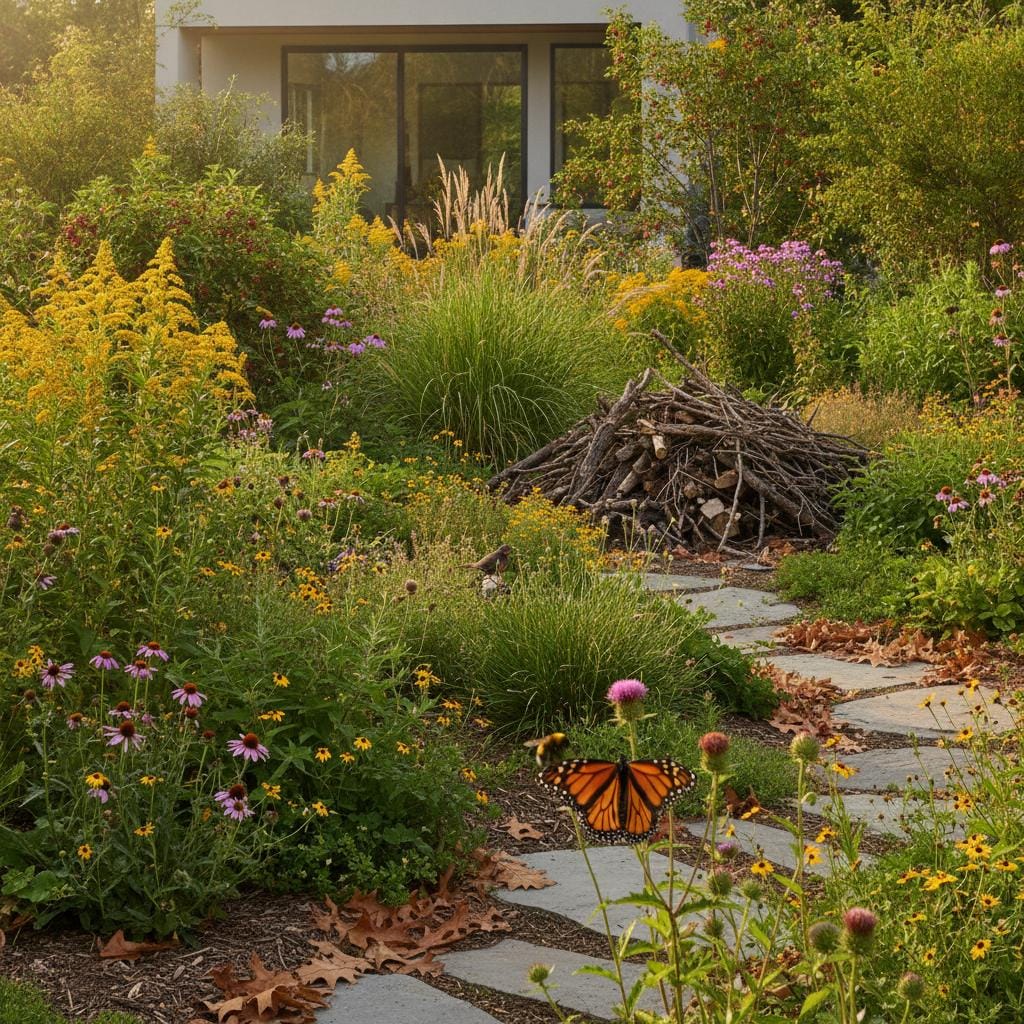
Begin with targeted updates, such as converting a lawn section to pollinator-friendly groundcovers or adding a deciduous tree for summer shade. These initial investments yield compounding carbon storage and reduce long-term maintenance needs.
Tracking Your Landscape's Carbon Progress
Carbon dynamics operate invisibly, yet observable signs reveal effective sequestration. Rich, dark soil indicates elevated organic matter levels. An active community of earthworms, mycorrhizal fungi, and beneficial microbes points to robust carbon cycling.
Online sequestration estimators provide rough calculations based on vegetation density, soil quality, and care routines. Input details like the number of trees planted or square footage of amended beds to gauge annual carbon uptake. Though not precise, these tools illuminate how specific actions influence your yard's net emissions.
Regular monitoring encourages adjustments. For instance, annual soil tests can confirm rising organic content, while noting reduced watering needs signals improved retention from healthier soil.
Collaborating with Landscape Experts
For expansive properties or intricate features like sloped terrain or water management, engage a specialist in regenerative design. These professionals integrate visual appeal with ecological function, ensuring projects align with carbon goals.
When selecting a designer, inquire about their strategies for preserving soil integrity, sourcing regionally adapted plants, and opting for durable, low-impact materials. A comprehensive plan outlines phased implementation within your financial and scheduling constraints. Even for DIY enthusiasts, initial consultations refine techniques for optimal, enduring outcomes.
Pitfalls in Carbon-Negative Design and How to Sidestep Them
Shifting to sustainable landscaping demands vigilance to prevent setbacks. Common errors undermine progress, but awareness allows for proactive solutions.
- Excessive soil disturbance. Deep tilling releases stored carbon and damages microbial networks. Opt for gentle methods like core aeration or manual forking to maintain structure.
- Overapplication of mulch. Layers exceeding three inches can exclude air and moisture from roots. Apply two inches evenly around plants, replenishing as it decomposes.
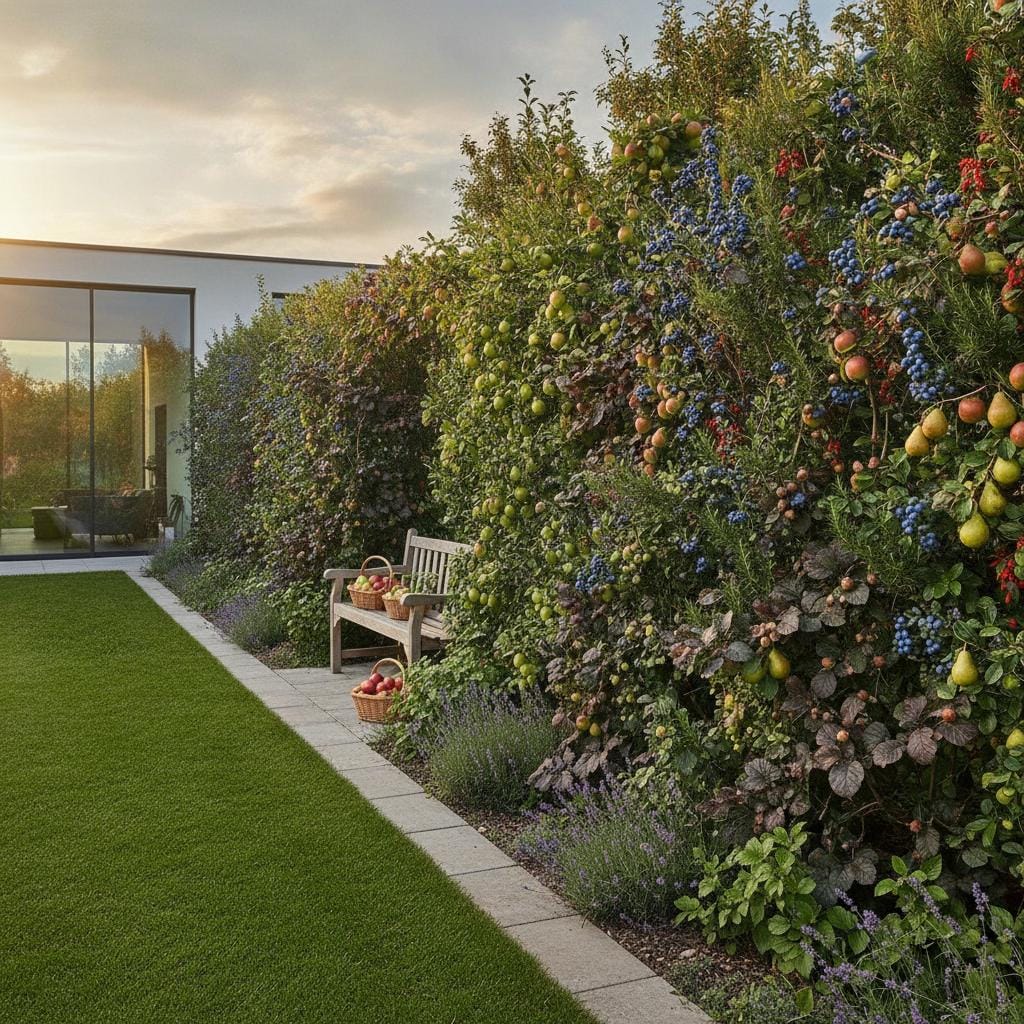
- Limited plant variety. Single-species plantings prove vulnerable to pests and store carbon inefficiently. Incorporate a range of natives for layered canopies and resilient root zones.
- Selecting transient tree varieties. Rapid growers may offer quick shade but decompose swiftly, offsetting gains. Choose long-lived species like oaks or maples for decades of sequestration.
- Dependence on chemical fertilizers. Short-term boosts erode natural soil biology. Transition to compost teas and cover crops for sustained fertility without emissions.
By steering clear of these issues, your landscape sustains carbon benefits and adapts to changing conditions.
Implementing Your Carbon-Negative Yard
A carbon-negative landscape represents a committed investment in both property and environment. It transforms routine yard care into a force for atmospheric balance.
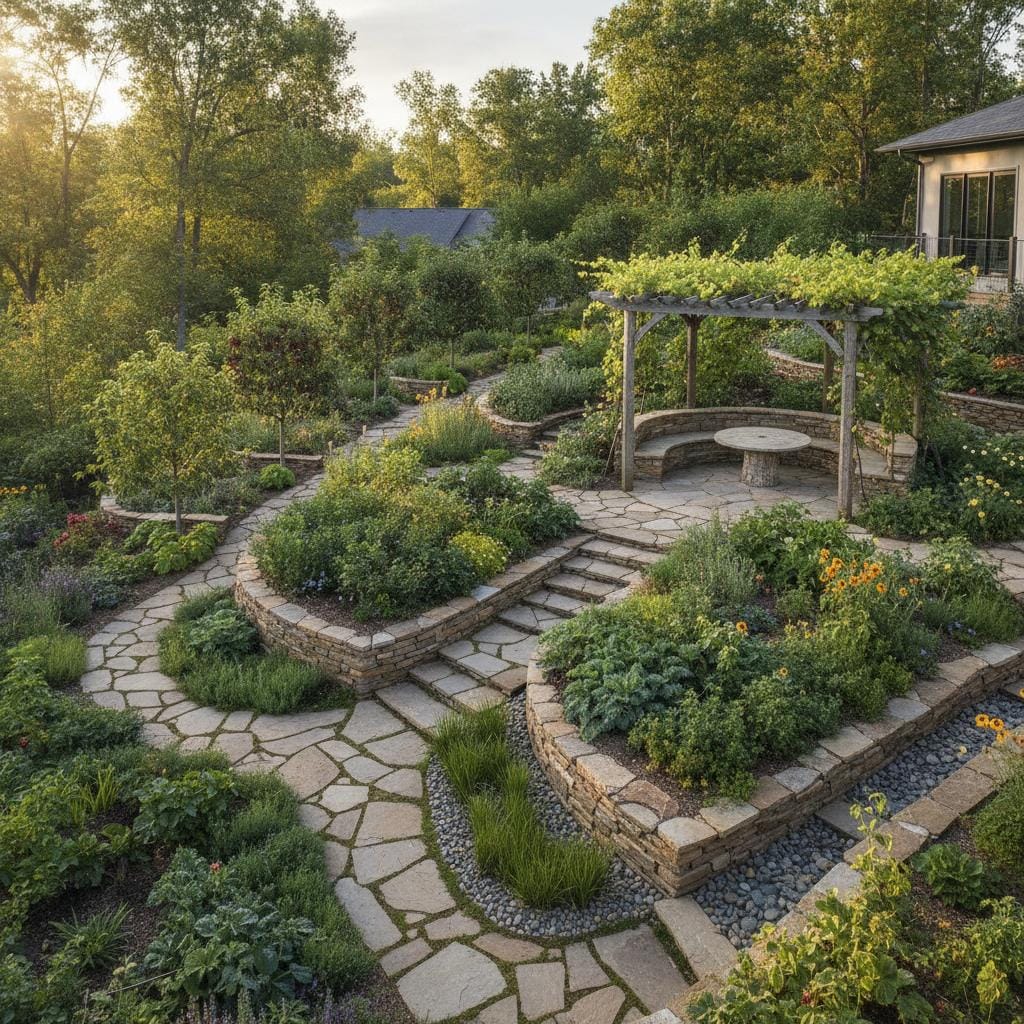
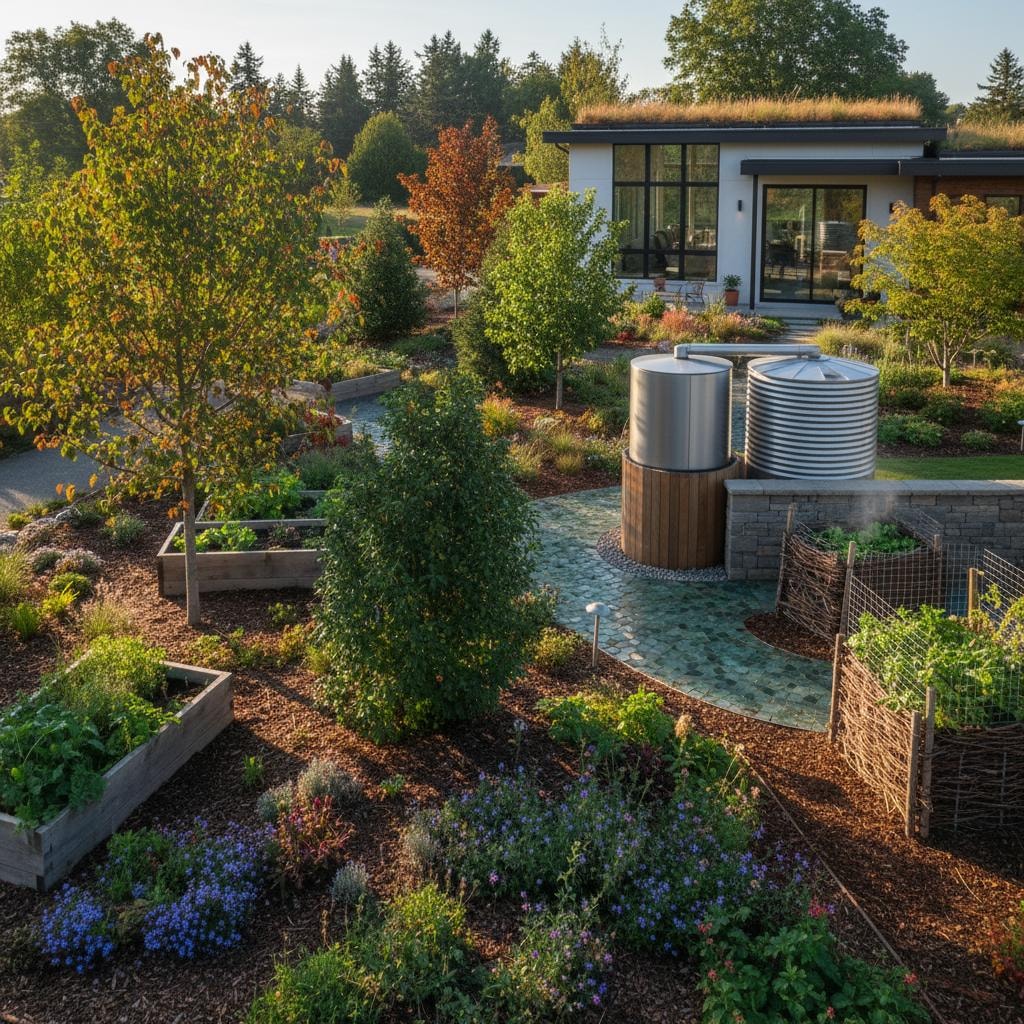
Start with soil assessment and amendment, followed by installing native vegetation and energy-saving features like rain gardens. These foundational steps require minimal outlay but deliver enduring advantages, from lower utility bills to enhanced biodiversity.
View your efforts as an ongoing collaboration with the ecosystem. Each addition—a compost bin, a bed of wildflowers, a strategically placed tree—fortifies the network. Collectively, such landscapes across neighborhoods drive meaningful reductions in global emissions, fostering cooler microclimates and vibrant wildlife corridors.