Decomposed Granite Paths: Dominating 2026 Garden Designs
Garden paths reveal the essence of a landscape much like the plants they connect. The curve of a path, the texture underfoot, and its harmony with surroundings all convey the gardener's vision. In recent years, materials that evoke a sense of place have gained prominence. Decomposed granite stands out for its unassuming versatility and ease of integration.
Understanding Decomposed Granite
Decomposed granite, commonly abbreviated as DG, consists of granite rock broken down by natural weathering into fine, gravel-sized grains. Available in earthy hues from pale gold to deep rust, it offers a texture that bridges gravel and sand. When compacted, it forms a stable surface that permits effective water infiltration.
Garden paths typically employ two varieties of decomposed granite:
- Loose DG, spread and compacted without additives for a textured, permeable finish that enhances rustic charm.
- Stabilized DG, mixed with a binding agent to increase durability and reduce erosion, suitable for high-traffic areas.
These options deliver a cohesive warmth that complements various garden aesthetics. Formal layouts with structured evergreens or informal beds of wildflowers both benefit from DG's subtle adaptability.
Key Reasons Homeowners Select Decomposed Granite
Low-maintenance features extend beyond plant choices to include ground surfaces. Decomposed granite excels in delivering practical advantages over traditional hardscapes.
Natural Aesthetics
The subtle palette of DG merges with the environment, avoiding the harsh lines of concrete or bricks. This integration fosters a seamless connection between path and planting, enhancing both modern minimalism and classic designs.
Superior Drainage
As a permeable material, DG facilitates water absorption into the subsoil, minimizing runoff and soil erosion. This property proves invaluable in regions prone to heavy rainfall or sloped terrains.
Stable Walking Surface
Compacted DG provides firmness without the instability of loose stones, accommodating garden tools and barefoot strolls alike. The even footing reduces tripping hazards while maintaining a soft, natural feel.
Minimal Upkeep
Proper installation ensures DG paths need only periodic raking and occasional replenishment. Unlike jointed surfaces, they resist weed intrusion and structural failures.
Eco-Friendly and Economical
Sourced from nearby quarries, DG demands less processing energy than synthetic alternatives. This local availability lowers costs and environmental impact, appealing to sustainable gardening enthusiasts.
Decomposed Granite Versus Alternative Materials
Path choices influence garden functionality and appearance. A side-by-side evaluation highlights DG's balanced profile.
- Concrete delivers uniformity but often appears cold and impervious, exacerbating water pooling and urban heat.
- Pavers enable intricate layouts yet demand meticulous alignment and ongoing joint maintenance to curb overgrowth.
- Gravel conveys informality but tends to displace under use, creating uneven terrain.
- Mulch provides cushioning at low cost, though it decomposes rapidly, requiring annual renewals.
Decomposed granite combines durability with organic appeal, offering stability minus the formality and texture without the disorder.
Adapting Decomposed Granite to Garden Styles
DG's flexibility allows customization to suit specific themes, enhancing overall cohesion.
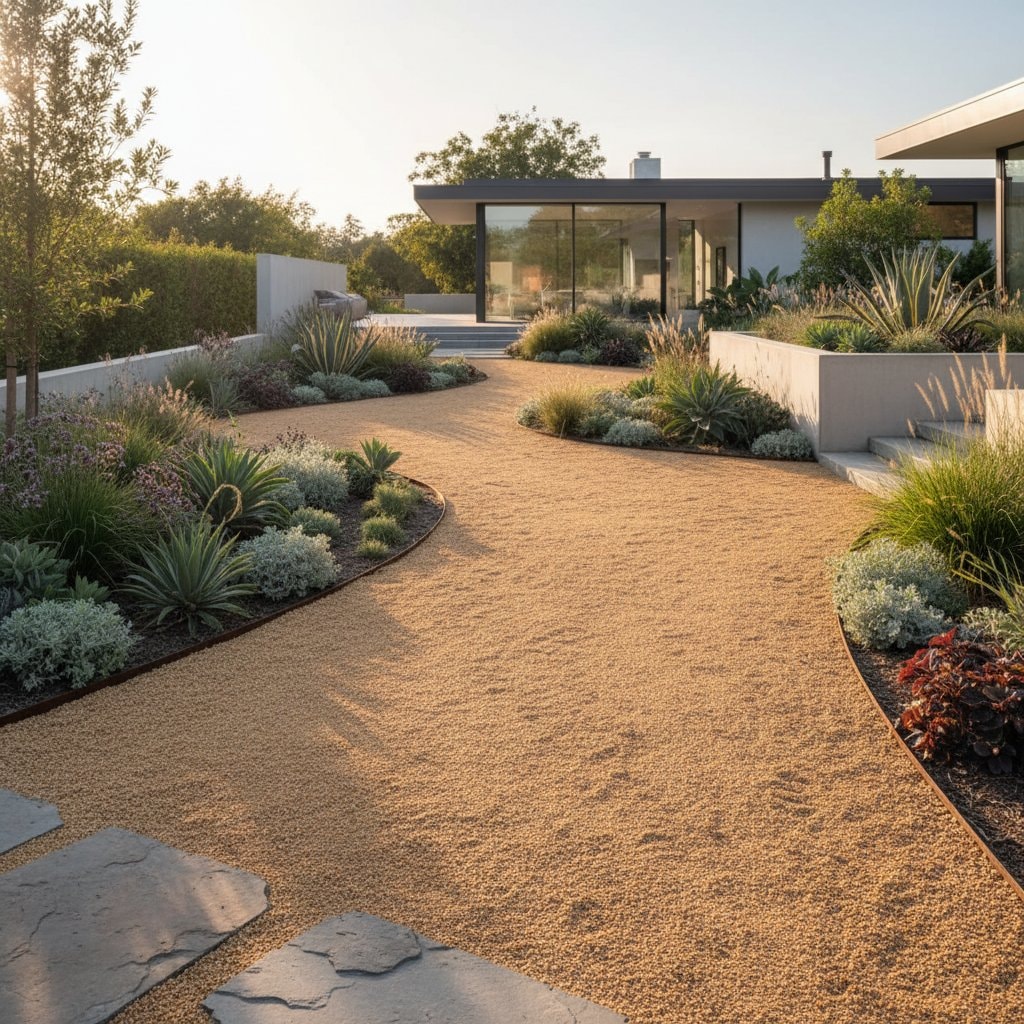
- In contemporary spaces, opt for stabilized DG with metal borders to align with sleek, geometric plant arrangements.
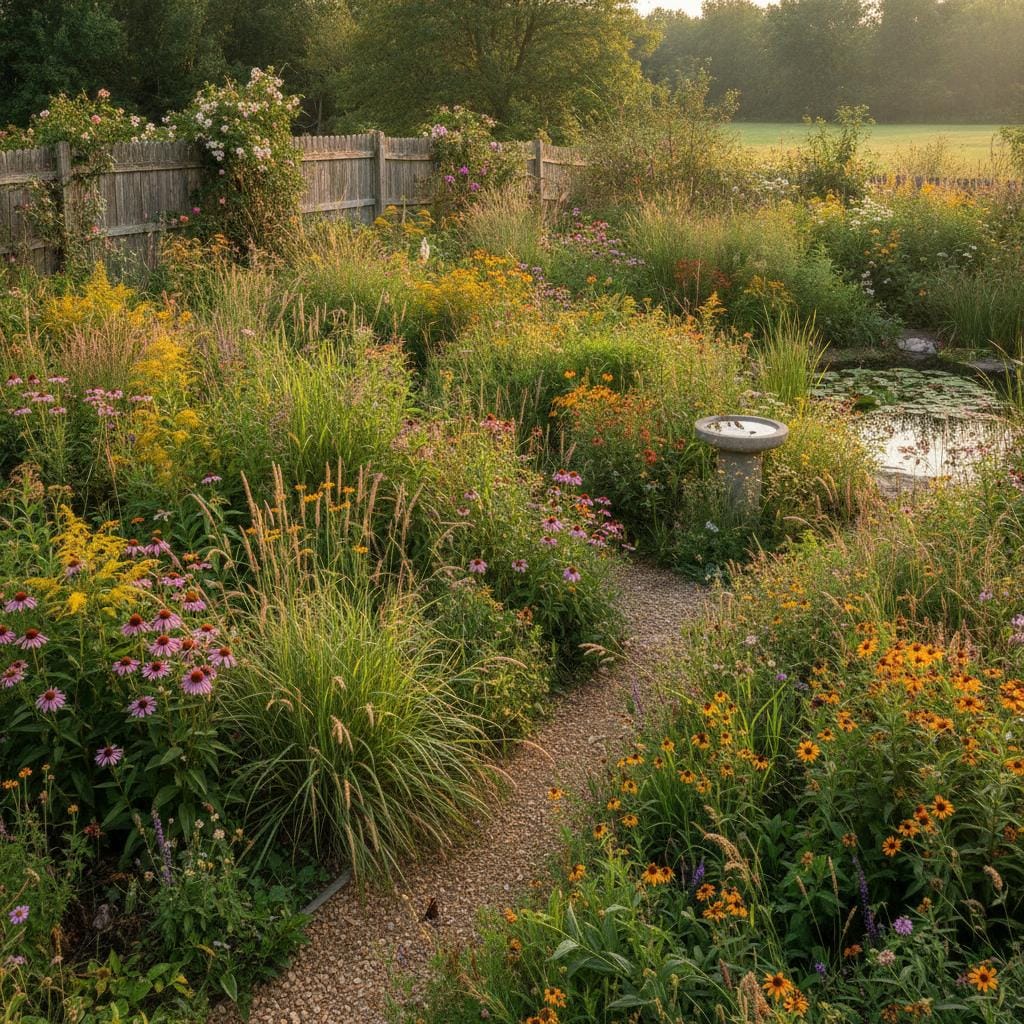
- For cottage or prairie gardens, employ loose DG edged by boulders or low-growing perennials to evoke organic flow.
- To evoke Mediterranean vibes, select amber-toned DG winding through aromatic herbs like thyme and sage.
Regardless of approach, DG echoes existing earth colors, anchoring the design without overshadowing floral elements.
Step-by-Step Installation Guide
Success with DG paths hinges on thorough groundwork. Follow these steps for enduring results.
-
Site Preparation
Outline the path route and excavate to 4-6 inches deep, adjusting based on DG type and expected use. -
Foundation Setup
Install 2-3 inches of crushed stone base, then compact it firmly to establish drainage and prevent subsidence. -
Border Installation
Secure edging materials such as aluminum strips, natural stone, or recycled plastic to contain the DG and define edges. -
Material Placement
Distribute DG in 1.5-2 inch layers, wet thoroughly, and compact using a vibratory roller or tamper. For stabilized versions, blend the binder per product guidelines before application. -
Final Curing
Permit 24-48 hours for settling, then lightly broom to clear excess fines.
Repairs involve spot-filling dips with fresh DG and recompaction, ensuring longevity with basic tools.
Long-Term Care for Decomposed Granite Paths
Decomposed granite demands little intervention to remain pristine. Address minor settling by adding DG to low spots and tamping evenly every few months.
Weed growth stays limited due to the dense surface; remove sprouts manually or apply corn gluten meal as a preventive barrier. In rainy areas, inspect post-storm for pooling and regrade if necessary to maintain slope.
As years pass, DG develops a richer patina from exposure, enhancing its authentic character without signs of deterioration.
Innovative Applications for Decomposed Granite
Beyond walkways, DG serves multiple garden roles. Create expansive patios or encircle benches for versatile hardscaping.
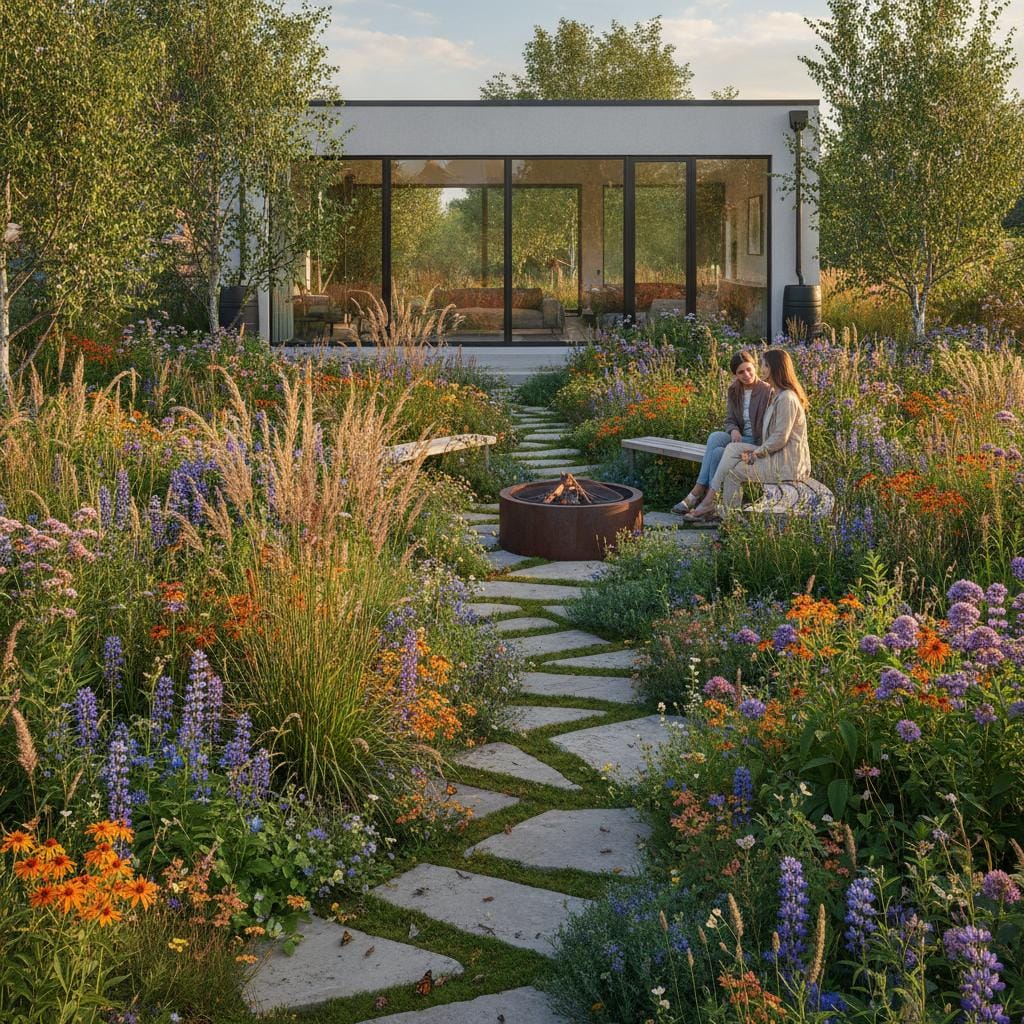
Layer it beneath pavers for added stability or surround fire features to manage embers safely. Pair with contrasting elements, such as inlaid slate accents or adjacent pebble borders, to introduce depth while preserving simplicity.
Enhancing Garden Flow with Decomposed Granite
A DG path reshapes navigation, promoting exploration and contemplation. Its subtle crunch adds an auditory layer to outdoor routines.
Paths fade into the backdrop over time, amplifying rather than distracting from the garden's vitality. This quiet reliability fosters deeper connections with the space.
Implementing Your Decomposed Granite Project
Decomposed granite merges utility with allure for pathway upgrades. Begin with a modest trial segment linking key features to assess integration.
Extend the material across zones for visual continuity, such as curving from entryways to secluded nooks. View the path as an evolving element that matures alongside the garden, delivering sustained pleasure through its tactile and visual qualities.