Decomposed Granite Paths: Effortless Low-Maintenance Walkways
Consider a moment when you enter your backyard and sense the potential for greater invitation, yet hesitate on the first step. Patchy grass, uneven stepping stones, or untamed dirt paths might disrupt that vision. A decomposed granite path provides the ideal solution to craft a serene, purposeful outdoor area.
Decomposed granite, commonly known as DG, delivers an authentic aesthetic that integrates seamlessly into modern or rustic landscapes. These paths appear natural while remaining orderly, firm yet yielding underfoot. Above all, DG minimizes upkeep demands, allowing more time to appreciate the garden rather than labor over it.
Assessing Your Space
Start any project by traversing your yard at a measured pace. Observe the natural pathways where feet tread most, areas where grass struggles to thrive, or spots where soil becomes muddy after rainfall. Such observations highlight the most effective routes for your path.
Pose these key questions to guide your decisions:
- Where does foot traffic occur most frequently in the yard?
- Which zones require better definition or improved accessibility?
- What overall atmosphere do you envision for the completed garden?
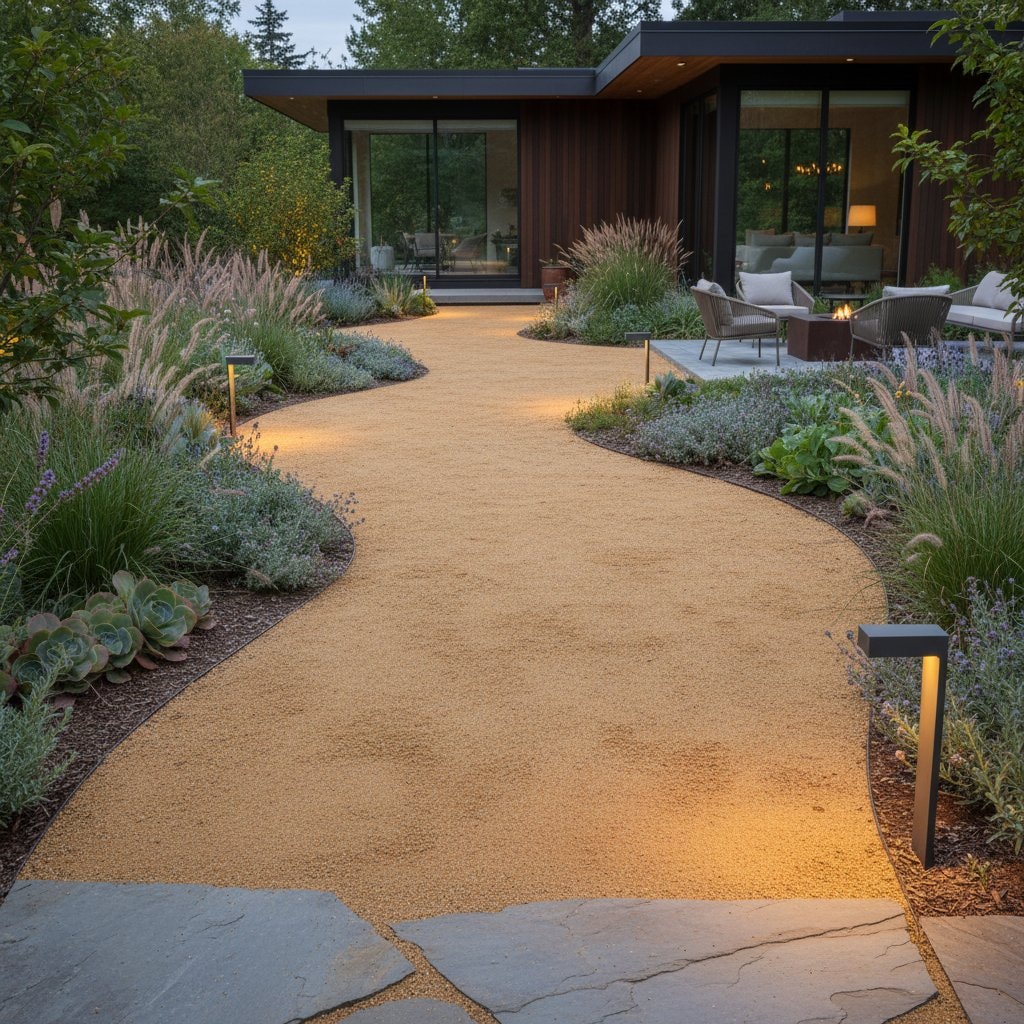
Create a preliminary sketch to map how a DG path will link various garden sections. Opt for soft curves that direct both gaze and movement intuitively. Straight lines suit formal designs, whereas curves encourage discovery and flow.
This evaluation phase focuses on insight rather than flawlessness. It uncovers existing rhythms and opportunities within the space.
Installation Steps for Decomposed Granite Paths
Installing a decomposed granite path involves clear steps and requires steady effort to achieve longevity. The objective centers on establishing a secure foundation that withstands settling and shifting.
Follow this structured process:
- Clear the area thoroughly by removing weeds, roots, and debris. A pristine base ensures uniform layering and prevents future disruptions.
- Level and contour the path with a rake and shovel. For soft or irregular terrain, compact the soil firmly to form a solid starting point, aiming for a slight crown in the center to aid drainage.
- Install a sub-base of crushed stone or coarse gravel, typically 4 to 6 inches deep. This layer promotes water percolation and provides structural support against erosion.
- Distribute the decomposed granite across the path in 2-inch increments for controlled application and even coverage.
- Wet and compact each layer progressively with a hand tamper for smaller areas or a plate compactor for larger ones. The moisture activates natural binding, creating a cohesive surface that locks particles in place.
Upon completion, the path should yield a stable feel without the rigidity of concrete. Observe how its organic texture interacts with sunlight, casting varied shadows that enrich the garden's visual layers throughout the day.
Upkeep Strategies for Lasting Beauty
Decomposed granite paths demand minimal intervention after installation, yet consistent light practices preserve their allure.
- Sweep or rake periodically to clear fallen leaves and maintain a smooth profile, using a stiff broom for loose material and a flexible rake for embedded debris.
- Apply a thin refresh layer every 2 to 3 years to restore vibrancy and address minor depressions, sourcing matching DG from the same supplier for color consistency.
- Inspect borders following heavy rains to realign edges and prevent spillover, employing a edging tool to redefine boundaries as needed.
- Control weeds proactively through an underlying geotextile fabric during installation or by hand-removing seedlings promptly, avoiding chemical treatments that could harm nearby plants.
In contrast to paver or stone paths, DG eliminates needs for grout replenishment or mortar fixes. It remains cooler in summer heat and permits rainfall to infiltrate the ground, supporting plant hydration and minimizing water waste.
Unique Qualities of Decomposed Granite
Decomposed granite paths impart a tranquility that many alternatives lack. Their subdued colors harmonize with adjacent flora and environmental features. The walking experience proves quieter than loose gravel, offering a gentle cushion with a faint crunch evocative of woodland trails.
Leave the surface unbound for a casual, organic appearance, or incorporate a stabilizer such as organic binders or resin additives for enhanced firmness and erosion resistance. Stabilized versions excel in busy zones or on inclines up to 5 percent grade, while unbound DG enhances the wild essence of informal gardens.
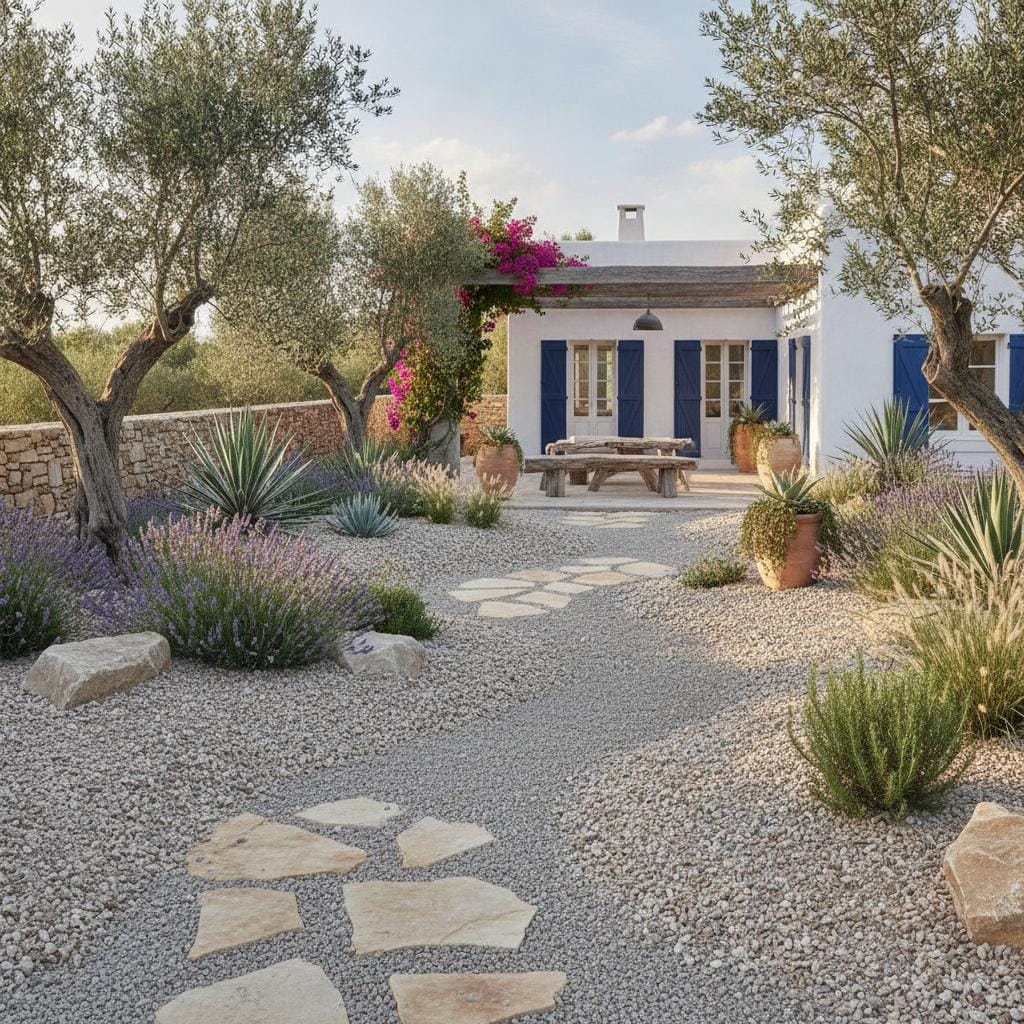
This versatile material complements diverse elements like flagstone terraces, timber platforms, or borders of drought-tolerant perennials. Its understated presence lets surrounding vegetation and surfaces take center stage.
Selecting Optimal Color and Texture
Color selection influences the garden's emotional tone significantly. Golden varieties introduce warmth and illumination, ideal for sunlit exposures. Gray or silver options provide a contemporary subtlety that aligns with metallic or rock features. Reddish-brown tones merge effortlessly into forested or arid-themed areas.
Texture influences both aesthetics and usability. Fine-grained DG compacts densely for a refined walkability, suitable for frequent use. Coarser grades yield a looser, more textured finish that evokes natural terrain. Sample the material in hand prior to purchase to assess its density, color under light, and tactile response.
Integrating Paths into Seasonal Garden Life
Over time, the decomposed granite path integrates deeply into the landscape's evolution. Moss might fringe the edges, or wildflowers could sprout along the margins, illustrating the harmony between design and nature.
Engage with the path regularly through use and observation. Note its role in navigating the garden and its transformations under varying light conditions. This interaction embeds the path into daily routines, fostering a sense of continuity.
Routine attentions, from raking to edging, underscore the dynamic nature of gardens. They evolve alongside their caretakers. A decomposed granite path facilitates this connection, delivering enduring beauty and convenience with each traversal.