- Cost-effectiveness: Materials generally range from $1 to $3 per square foot, significantly undercutting the $8 to $15 per square foot for pavers, particularly when homeowners contribute labor.
- Superior natural drainage: The porous structure allows rainwater to percolate through at rates up to several inches per hour, preventing erosion, mold growth, and excess stormwater runoff.
- Environmental compatibility: As a naturally occurring substance, it aligns with xeriscaping principles, supporting pollinator-friendly gardens and reducing reliance on synthetic materials.
These attributes position decomposed granite as an ideal choice for regions with variable weather, where durability without complexity proves essential.
Decomposed Granite vs. Pavers: Key Comparisons
While pavers offer a structured, interlocking design that conveys formality, decomposed granite provides a more fluid, organic alternative that often outperforms in everyday usability. Pavers demand precise leveling and grout filling, which can crack under freeze-thaw cycles, whereas DG flexes slightly to accommodate ground shifts without fracturing. In terms of aesthetics, the granular texture of DG creates a softer, more inviting pathway that complements informal gardens, avoiding the stark lines of cut stone.
Financially, the disparity becomes evident in large installations; a 200-square-foot patio with pavers might exceed $2,000 in materials alone, compared to under $600 for DG. Maintenance for pavers involves periodic sealing and weed control in joints, potentially adding annual costs, while DG simplifies care to basic sweeping. For high-traffic areas, stabilized DG rivals paver stability without the rigidity that can lead to tripping hazards from uneven settling.
Ultimately, decomposed granite excels in scenarios where budget, ease, and natural integration take precedence over a polished, uniform appearance. Homeowners who value versatility find it adaptable to curved layouts or irregular spaces that challenge traditional paver grids.
Installation Basics
Creating a decomposed granite patio involves methodical steps to ensure longevity and performance. Begin by outlining the desired area with stakes and string, then excavate to a depth of four to six inches, removing roots, rocks, and organic debris for a stable base.
Next, install a geotextile landscape fabric to suppress weed growth and stabilize the subsoil. Spread a two-inch layer of crushed stone or gravel as a base for additional support, compacting it firmly.
For the DG layers:
- Pour the first two-inch layer of decomposed granite evenly across the prepared area.
- Lightly moisten the material with a hose to aid compaction, avoiding over-saturation.
- Use a hand tamper for small spaces or a vibrating plate compactor for larger ones, working in sections to achieve uniform density.
- Add and compact a second layer if needed for thickness, aiming for a total depth of three to four inches.
Opt for loose DG in low-traffic zones like contemplative seating nooks, where its yielding surface enhances barefoot comfort. Stabilized DG, incorporating a polymer binder during mixing, suits patios with barbecues or play areas, offering erosion resistance comparable to asphalt yet with a permeable twist.
Professional tools like rented compactors ensure professional results, but determined DIYers can achieve success with basic equipment over a weekend.
Cost and Labor Considerations
Budgeting for a decomposed granite project hinges on scale, material type, and execution method. Loose DG remains the most economical at $30 to $50 per ton, covering approximately 100 to 150 square feet at standard depth, while stabilized variants add $0.50 to $1 per square foot for the binder.
Delivery fees for bulk orders vary by distance but often total $100 to $200 for a standard truckload. Labor costs, if outsourced, range from $2 to $5 per square foot, potentially tripling expenses for complex sites with slopes or obstacles. Self-installation minimizes outlays but requires physical effort; plan for eight to ten hours per 100 square feet, including tool rentals around $50 daily.
Factors like site accessibility and soil type influence final figures; sandy soils may need less base material, lowering costs. Long-term savings accrue through reduced repairs, making DG a wise investment for value-conscious homeowners.
Maintenance and Longevity
Decomposed granite demonstrates remarkable durability, often lasting 10 to 15 years with proper care, outpacing loose gravel alternatives that erode faster. Annual inspections reveal any settling, addressed by adding a thin top-dress of matching DG and recompacting lightly.
Routine tasks include:
- Weekly sweeping to remove leaves, pine needles, or dirt that could stain or displace granules.
- Raking smooth after heavy use to eliminate depressions from furniture or vehicles.
- Monitoring for weed intrusion, pulling sprouts promptly or applying organic mulch barriers.
For stabilized surfaces, apply a penetrating sealer every two years to bolster water resistance and color retention, especially in rainy climates. Avoid pressure washing, which can dislodge fines; gentle hosing suffices for cleaning. These practices preserve the patio's functionality and appearance, ensuring it withstands seasonal changes gracefully.
Integrating Decomposed Granite into Your Landscape
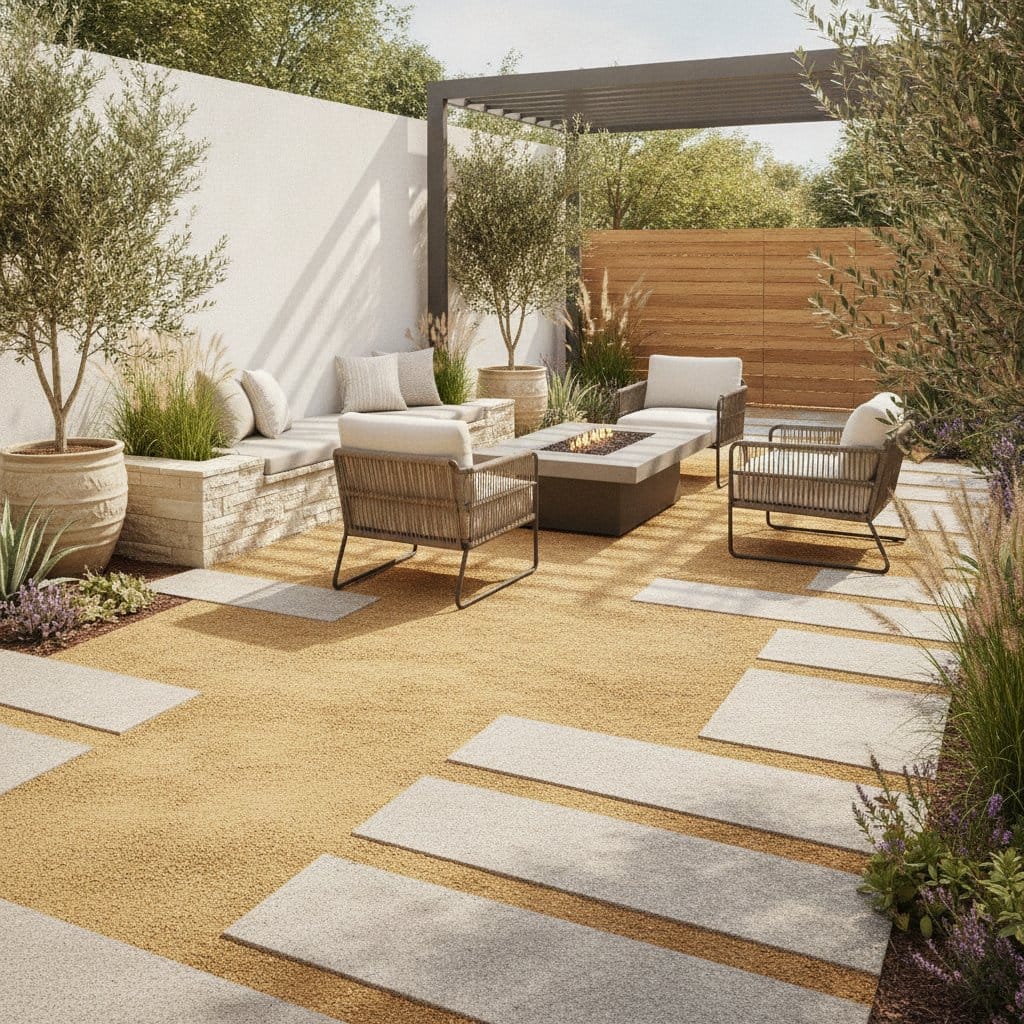
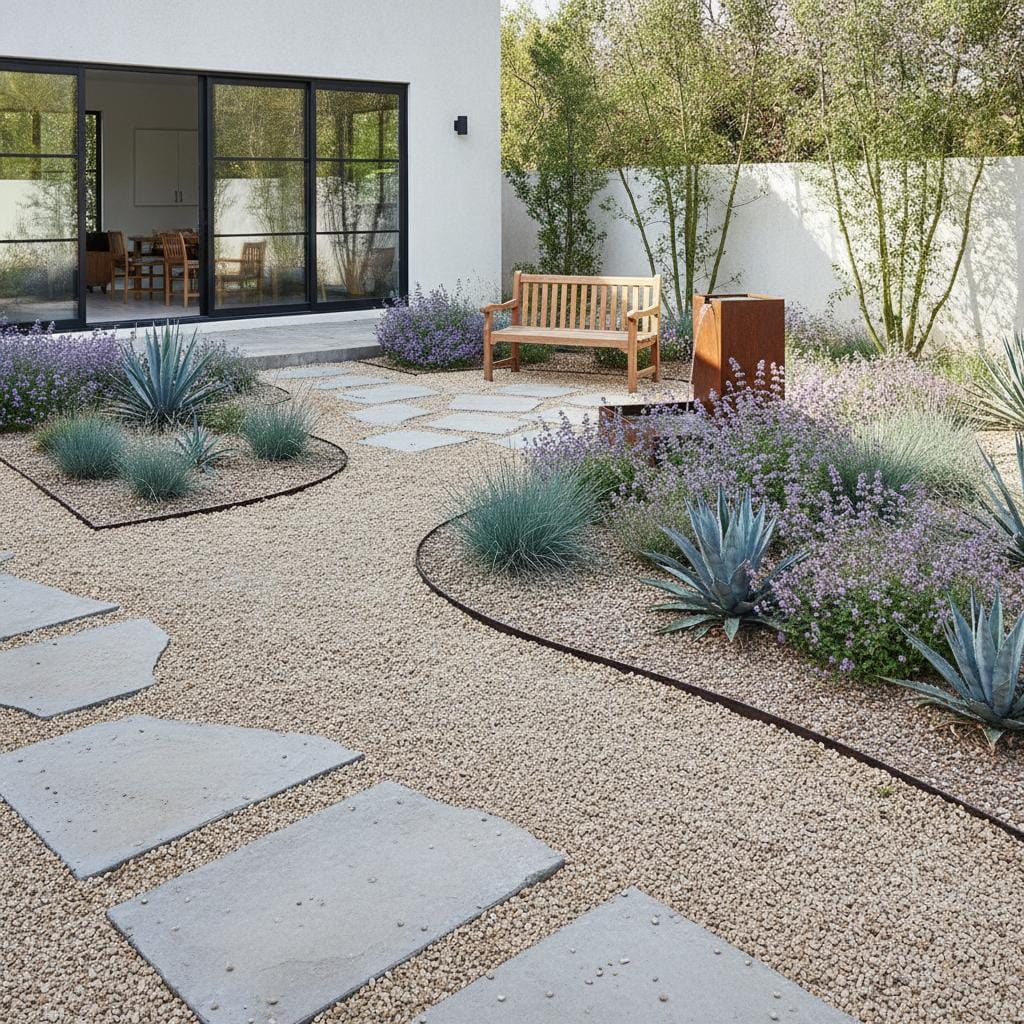
A completed decomposed granite patio offers a tactile experience that feels solid yet responsive, warming gently under sun exposure without the heat retention of concrete. It serves as a versatile canvas for design elements: surround it with low-growing succulents for a Mediterranean vibe, or edge it with recycled glass borders for subtle sparkle.
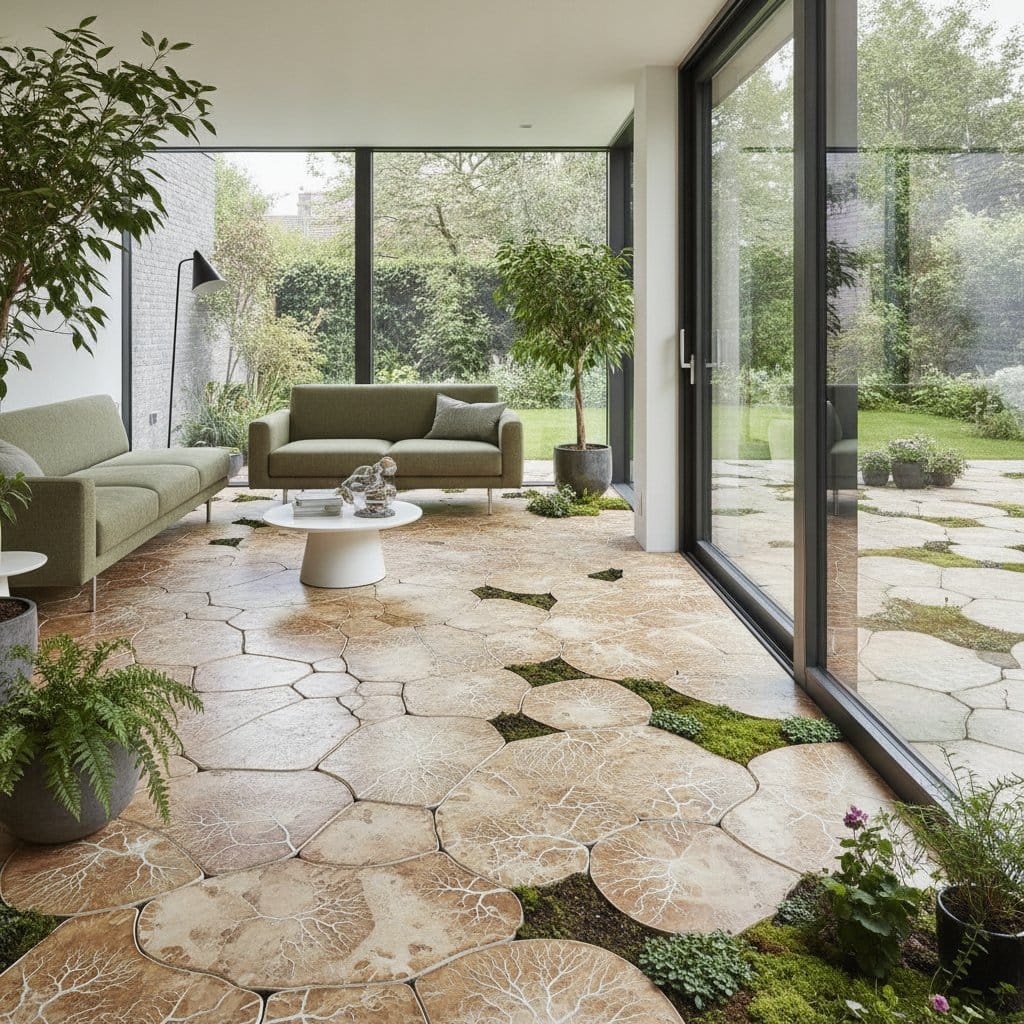
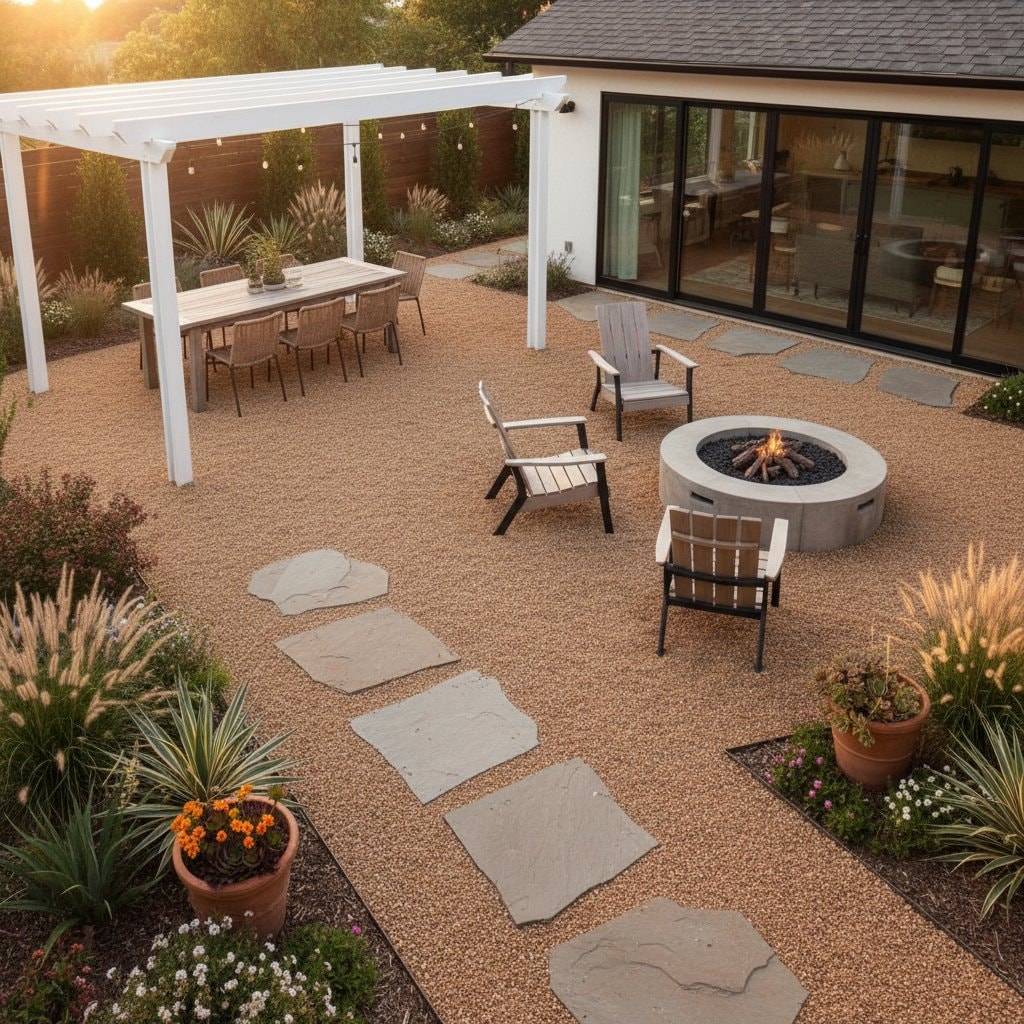
Creative applications extend to multifunctional zones; blend DG with embedded boulders for a rock garden extension, or curve it around fire pits for intimate gatherings. In shaded areas, pair it with ferns and mossy accents to evoke forest floors. The material's neutrality allows experimentation with furniture styles, from teak benches to colorful Adirondack chairs, fostering personalized outdoor sanctuaries.
Comfort extends to sensory details: its subtle crunch underfoot adds auditory interest, while color choices can reflect seasonal blooms nearby. This adaptability makes DG not just a surface, but a foundational element that elevates entire yard compositions.
Enhancing and Preserving Your DG Patio
Sustain the appeal of your decomposed granite installation through proactive measures that integrate seamlessly into yard routines. Introduce bordering timbers or metal strips to define edges and prevent migration during rains. Rejuvenate faded areas by blending in fresh DG annually, matching tones for uniformity.
For optimal performance, test drainage periodically by simulating rainfall; adjust compaction if pooling occurs. These steps secure a patio that remains a reliable, attractive feature, delivering years of enjoyable outdoor living with minimal intervention.