Decomposed Granite: 2026's Low-Maintenance Path Trend
A garden path that feels natural yet purposeful provides quiet satisfaction. Such paths guide footsteps and shape experiences in outdoor spaces. Materials like pavers and bark mulch have risen and fallen in popularity over the years. Decomposed granite, however, achieves a rare balance of beauty, practicality, and simplicity.
This material consists of weathered rock broken into fine particles. Homeowners and designers appreciate it for creating refined, low-maintenance pathways. As gardens prioritize sustainability and ease, decomposed granite aligns perfectly. It offers an organic feel underfoot and adapts to modern or classic designs with less upkeep than many options.
Understanding Decomposed Granite
Decomposed granite, commonly abbreviated as DG, forms from granite that crumbles naturally into gravel and dust particles. Colors typically include warm tans, golds, or browns, with regional variations in grays or reds. When compacted, it forms a firm yet permeable surface that supports drainage.
The texture provides a subtle crunch underfoot, fostering a connection to the landscape. Unlike concrete or formal stone, it creates soft visual lines that integrate with surrounding plants. This versatility suits diverse styles, from rustic trails amid native flora to sleek courtyards.
Why It Captures Attention
The rise of decomposed granite reflects a broader shift toward functional, graceful outdoor spaces. Homeowners seek materials that endure without demanding frequent care. Decomposed granite meets this need effectively.
Key qualities include:
- Low Maintenance: Proper installation ensures the surface maintains shape with little intervention. Simple raking or top-dressing refreshes appearance, avoiding cracks seen in concrete or shifts in loose gravel.
- Permeable Surface: Water infiltrates rather than pools, promoting natural drainage and reducing erosion risks in rainy climates.
- Natural Aesthetic: Earthy tones and fine grains harmonize with plants, rocks, and wood elements without appearing contrived.
- Cost Efficiency: Installation costs remain lower than pavers or stone, especially for expansive paths or patios.
These attributes position decomposed granite as a practical choice for durable, attractive surfaces.
Comparing Decomposed Granite With Other Path Materials
Path materials each convey unique characteristics. Gravel offers informality but loosens easily. Pavers provide structure, while concrete ensures permanence at the risk of rigidity. Decomposed granite bridges these options.
- Versus Gravel: Gravel scatters into beds and shifts during use. Compacted decomposed granite offers greater stability for walking or garden equipment.
- Versus Concrete or Stone: Concrete withstands heavy use but may crack and demands expert installation. Stone endures timelessly yet costs more. Decomposed granite delivers a natural finish at a moderate price.
- Versus Mulch: Mulch provides softness and low cost but decomposes rapidly. Decomposed granite retains form and color across seasons.
This balance of longevity, comfort, and style sets decomposed granite apart.
How to Use It in Modern Pathways
Decomposed granite supports creative applications across landscape styles.
Clean, Contemporary Lines
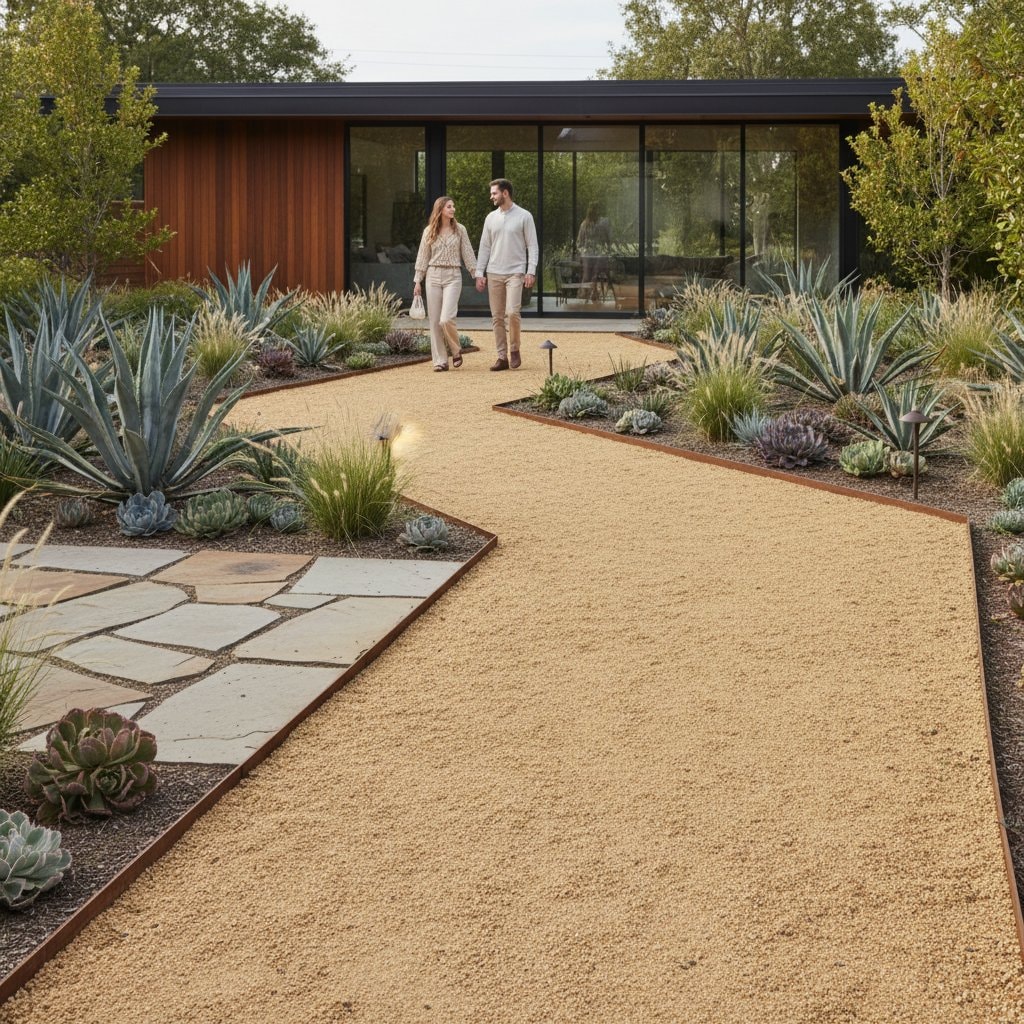
Pair it with steel or concrete edging for minimalist contrast. The soft texture offsets sharp borders. Incorporate ornamental grasses, succulents, or boulders to unify the design.
Rustic Garden Trails
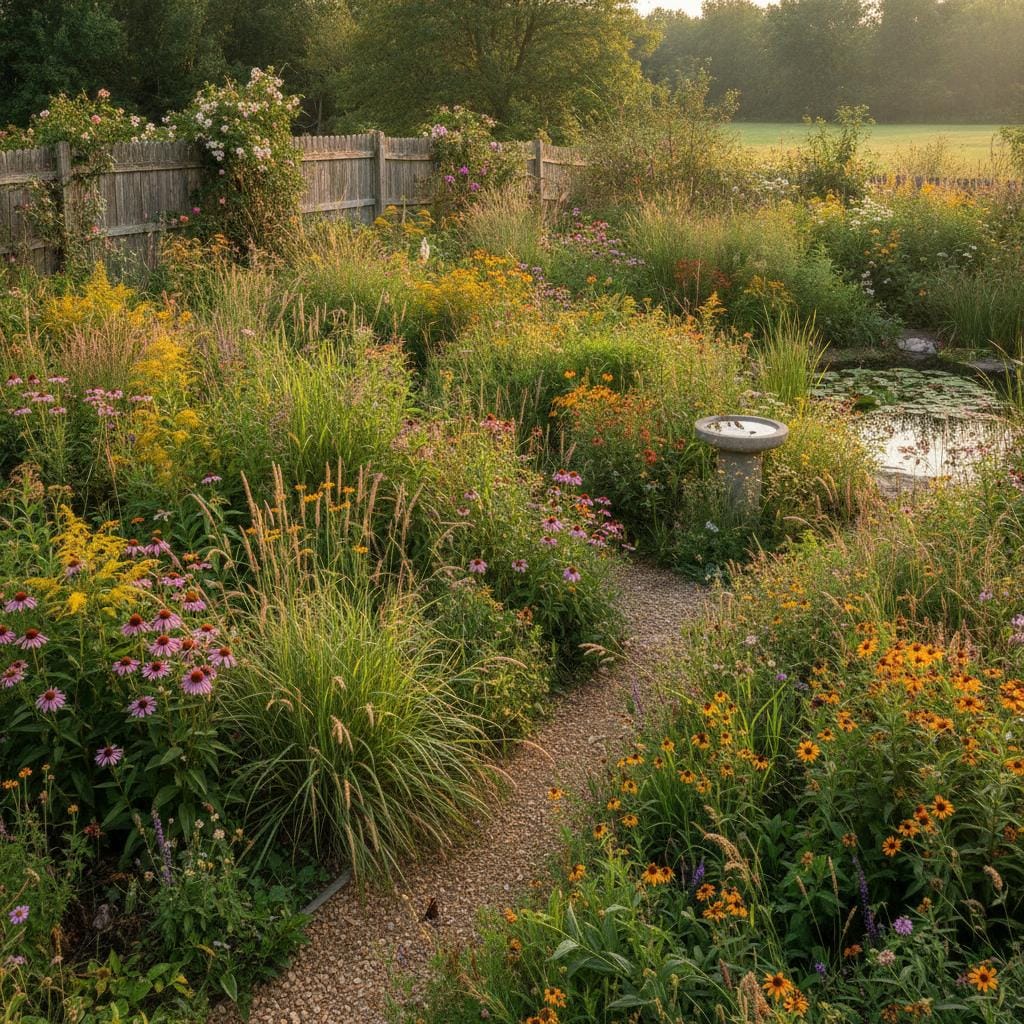
Omit edging to let the material merge with soil or mulch. This approach yields an organic path that integrates seamlessly with the terrain.
Courtyard or Patio Surfaces
Use compacted decomposed granite for stable seating zones. A stabilizing binder during installation yields a smooth, erosion-resistant finish while preserving permeability.
Transitional Spaces
Apply it between paved patios and lawns to soften shifts. It acts as a visual buffer, easing transitions between materials.
Installation Basics
Successful decomposed granite installation demands careful preparation for durability.
- Excavation: Clear grass or soil to establish a level foundation, typically 4 to 6 inches deep.
- Base Layer: Spread 2 to 4 inches of crushed stone or gravel for enhanced drainage and support.
- Compaction: Use a plate compactor to firm the base evenly.
- Layering: Apply decomposed granite in 1.5-inch layers, moisten each, and compact thoroughly.
- Finishing: Install edging to contain the material and define boundaries.
For high-traffic areas, mix in a stabilizer to bind particles. This strengthens the surface without blocking water flow.
Maintenance and Longevity
Decomposed granite proves resilient over time. Edges may settle slightly, but raking and adding material resolve most issues. Refreshing requires far less effort than repairing concrete.
To preserve optimal condition:
- Rake periodically to level uneven areas.
- Apply a thin top layer every two to three years for consistent color and texture.
- Remove leaves or debris promptly to deter weeds.
- Inspect edging regularly to contain the surface.
These practices extend the path's life for years with minimal intervention.
Design Harmony and Cohesion
Paths weave landscapes into cohesive wholes. Repeat decomposed granite across zones, like garden beds and seating areas, to foster unity.
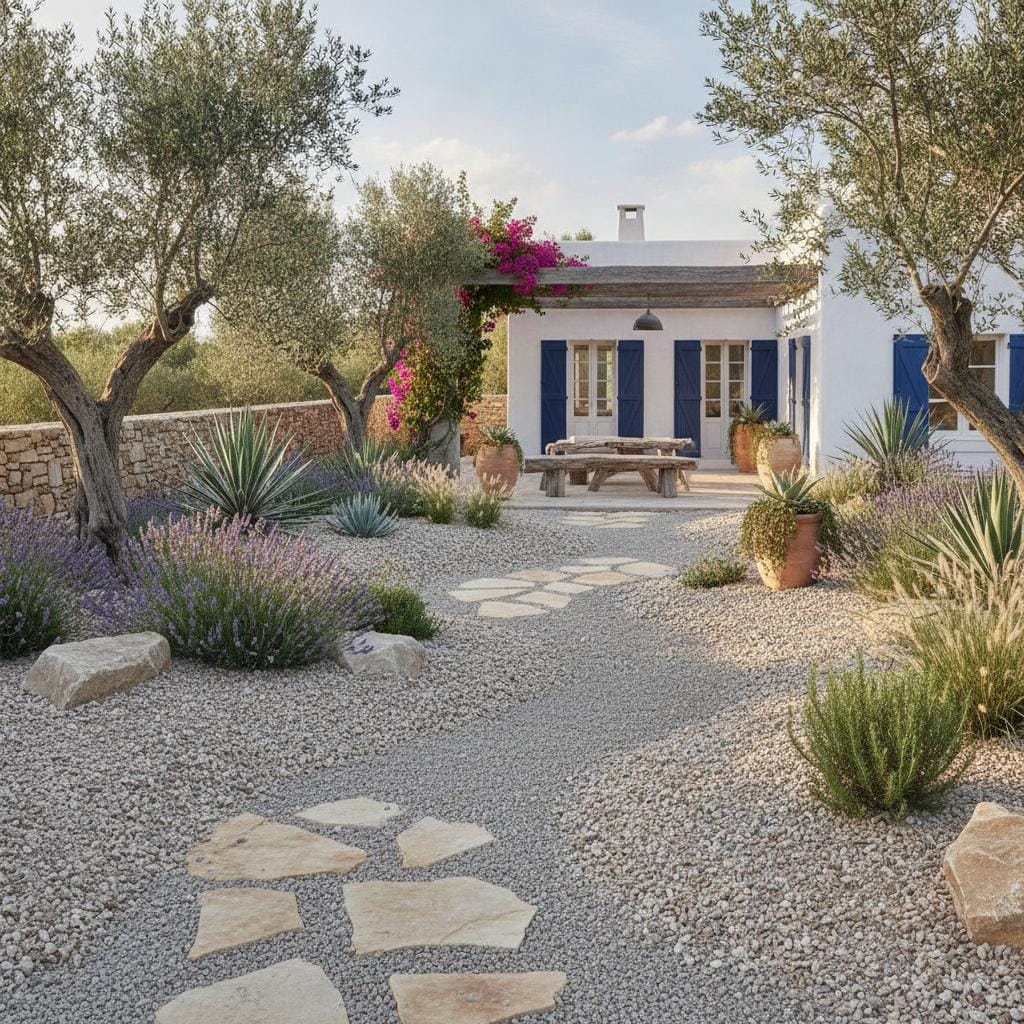
Match colors to existing elements, such as walls or planters. Warm golds complement terracotta and wood; grays align with steel and concrete.
Strategic lighting accentuates the granular surface, creating a gentle evening glow. Place low fixtures along edges to illuminate texture and direct evening strolls.
Integrating Paths Into Daily Life
A completed decomposed granite path enriches routine moments. The morning crunch underfoot, rain-induced color shifts, and softened garden edges add sensory depth.
As it settles, the path gains character from use and weather. This evolution enhances its role beyond mere utility.
Steps to Implement Decomposed Granite
Those seeking sustainable, grounded designs benefit from decomposed granite. Begin with a modest path or patio to test performance across seasons.
Evaluate interactions with light, water, and plants. If the feel and appearance align, scale up confidently. Decomposed granite's adaptability serves as both foundation and accent in gardens.
This material's popularity underscores a preference for honest, lasting elements that encourage mindful engagement with outdoor spaces.