2026's Low-Maintenance Trend: Decomposed Granite Paths
A garden path that integrates seamlessly with the landscape provides a grounding experience. The gentle crunch of particles underfoot, the play of light on varied hues, and the harmonious blend with nearby vegetation foster tranquility. Decomposed granite emerges as a preferred option for pathways among homeowners seeking aesthetic appeal without extensive maintenance. This material gains prominence through its practical attributes, sustainable qualities, and inviting warmth, aligning with contemporary approaches to outdoor design.
What Decomposed Granite Entails
Decomposed granite, commonly abbreviated as DG, originates from granite rock broken down by natural weathering into fine particles. These range in size from sand-like grains to modest pebbles, with colors spanning soft golds, warm browns, and subtle grays based on regional sources. Upon compaction, DG yields a stable, porous surface that appears more organic than options like poured concrete or interlocking pavers.
Professionals apply DG for walkways, patios, and driveways, as well as around elevated planters or beneath outdoor seating. It accommodates foot traffic while maintaining an informal presence and enhances rather than overshadows adjacent plantings. The permeability of DG facilitates water infiltration, minimizing surface runoff and promoting soil health below.
The Shift Toward Low-Maintenance Pathways
Homeowners increasingly prioritize landscapes that demand less effort while delivering enduring appeal. The emphasis moves from meticulous perfection to effortless integration. Decomposed granite aligns with this preference by requiring no routine sealing, mowing, or edging.
After correct installation, a DG path endures for years with periodic surface renewal. It suppresses weeds more effectively than uncompacted gravel and forms a solid yet comfortable walking surface. DG integrates naturally into formal modern settings or informal rustic designs.
Decomposed Granite Compared to Other Materials
Evaluating DG against alternatives clarifies its advantages for garden paths.
- Concrete delivers a sleek, lasting finish, yet it prone to cracking and discoloration. It absorbs and radiates heat, creating a disconnect from the garden's natural elements.
- Pavers introduce geometric patterns and refinement, but demand accurate placement and frequent attention to prevent weed intrusion and joint displacement.
- Loose gravel conveys relaxed informality, though it disperses easily and poses challenges for walking or maneuvering tools such as wheelbarrows.
- Mulch paths offer a yielding, earthy texture, but decompose rapidly, necessitating annual replenishment.
Decomposed granite bridges these choices effectively. It ensures firmness without inflexibility and suppleness without disorder. Users can sweep it for cleanliness, rake it level, or allow minor contours to evolve, enhancing the garden's authentic character.
Installation Essentials for Decomposed Granite
Proper setup maximizes DG's benefits, beginning with site excavation to establish a level foundation. Compact a 4- to 6-inch layer of base material, such as crushed stone, to avert settling or erosion. Incorporate a stabilizer, typically a tacky resin or polymer binder, into the DG mix to enhance cohesion and minimize dust, particularly on high-traffic routes.
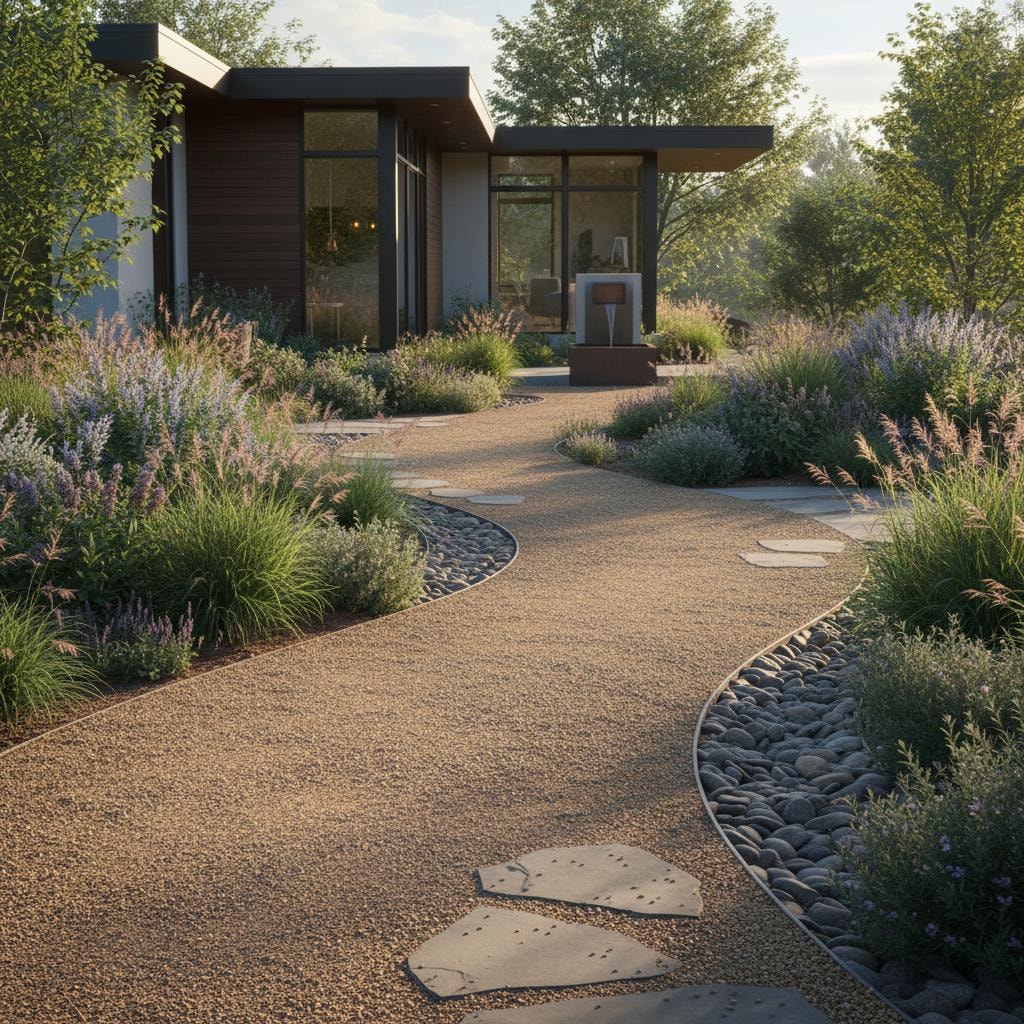
Define borders with metal strips, natural stone, or timber to contain the material. Metal edging provides sharp, contemporary boundaries; stone offers an enduring, organic edge; wood introduces a gentle merge with planting zones. Select based on the desired pathway profile and landscape harmony.
A successful DG installation results in a resilient yet yielding surface with efficient drainage. Address pooling water by adjusting the slope to a 1-2% grade away from structures. Recompact loose areas with a plate tamper if needed. With a sound base, upkeep remains straightforward.
Adapting Decomposed Granite to Diverse Garden Styles
Decomposed granite's versatility stems from its neutral palette and tactile qualities, suiting various aesthetics.
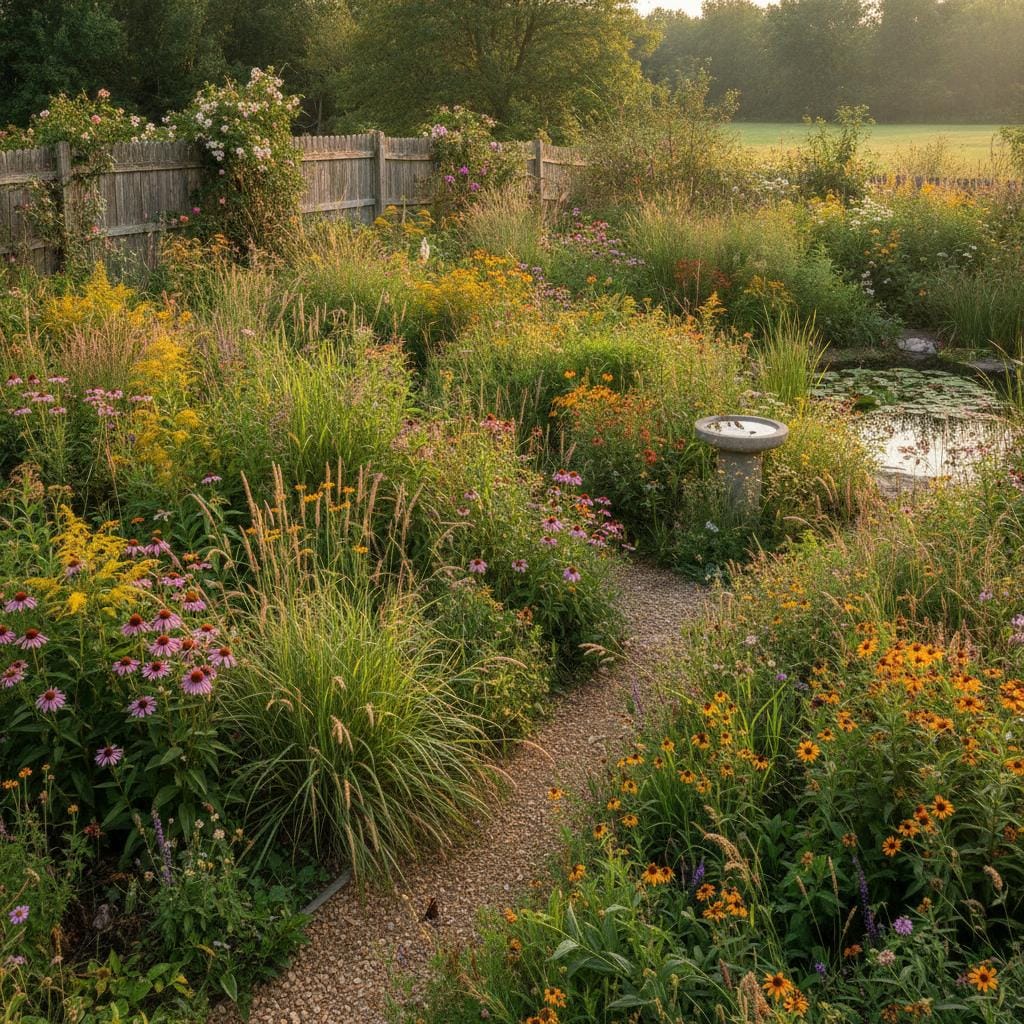
- Rustic gardens leverage its soil-like tones and relaxed vibe. Curve a DG trail amid herb borders or flowing grasses for an established appearance.
- Modern landscapes employ it to temper bold geometries. Pair the subdued texture with sleek concrete walls or minimalist metal accents for contrast.
- Cottage gardens use DG to organize abundant blooms. The warm undertones illuminate petals and guide visitors through clustered beds.
- Drought-tolerant gardens value its water passage and low hydration demands. It spotlights agaves, regional flora, and rock features over thirsty lawns.
Achieve unity by applying DG consistently across zones, regardless of varying flora or fixtures. This repetition cultivates serenity, with DG facilitating the equilibrium.
Daily Experience with a Decomposed Granite Path
Integrated into the yard, a DG path evolves subtly, forming faint impressions that enhance its lived-in quality. Renew the surface layer every 3-5 years to preserve vibrancy, or permit natural patina for authenticity.
Prevent weeds by ensuring a weed-barrier fabric beneath during installation, followed by occasional raking. Lightly moisten the path periodically to aid compaction. Unlike impervious surfaces, DG stays cooler under sunlight, ensuring barefoot comfort.
For households with active children or pets, DG provides a resilient base that withstands rough play. It also aids mixed ornamental and vegetable gardens by averting soil tracking and enabling superior drainage.
Environmental Benefits and Sourcing Practices
Decomposed granite supports sustainable landscaping through local procurement, which lowers transport-related carbon footprints. Its porous nature aids aquifer replenishment, and it avoids synthetic treatments. Combine with indigenous plants to harmonize with regional ecosystems rather than altering them.
Repurposing DG proves efficient; relocate and redistribute it for redesigned layouts. This adaptability appeals to gardeners who refine their spaces progressively.
Budget Considerations and Enduring Worth
Expenses for DG paths depend on project scale and stabilizer inclusion, generally undercutting concrete or masonry alternatives when factoring in upkeep savings. Expect $2-5 per square foot for materials and basic labor.
Enhance value by combining DG with accents like flagstone steps or brick borders, adding dimension affordably. Implement a slim DG strip adjacent to patios or linking planters to introduce variety without extensive redesign.
Enhancing Garden Flow Through Pathways
Thoughtful paths influence navigation, rest points, and focal elements in a garden. Decomposed granite enables this subtly, directing attention without overpowering.
Test DG in a trial area, such as a 10-foot segment, to gauge color harmony and tactile response. Monitor performance through weather cycles to confirm suitability.
Ultimately, DG encourages mindful design, proving that beauty arises from simplicity. It balances order and ease, inviting sustained appreciation of the outdoor realm.