Why Sunken Gardens Deliver Privacy Without Traditional Walls
Sunken gardens redefine outdoor spaces by immersing users below ground level, fostering intimacy and seclusion. This approach integrates natural elements with subtle architecture to craft versatile retreats. Homeowners increasingly adopt this feature for its ability to enhance privacy while maintaining an open connection to the surrounding landscape.
Defining a Sunken Garden
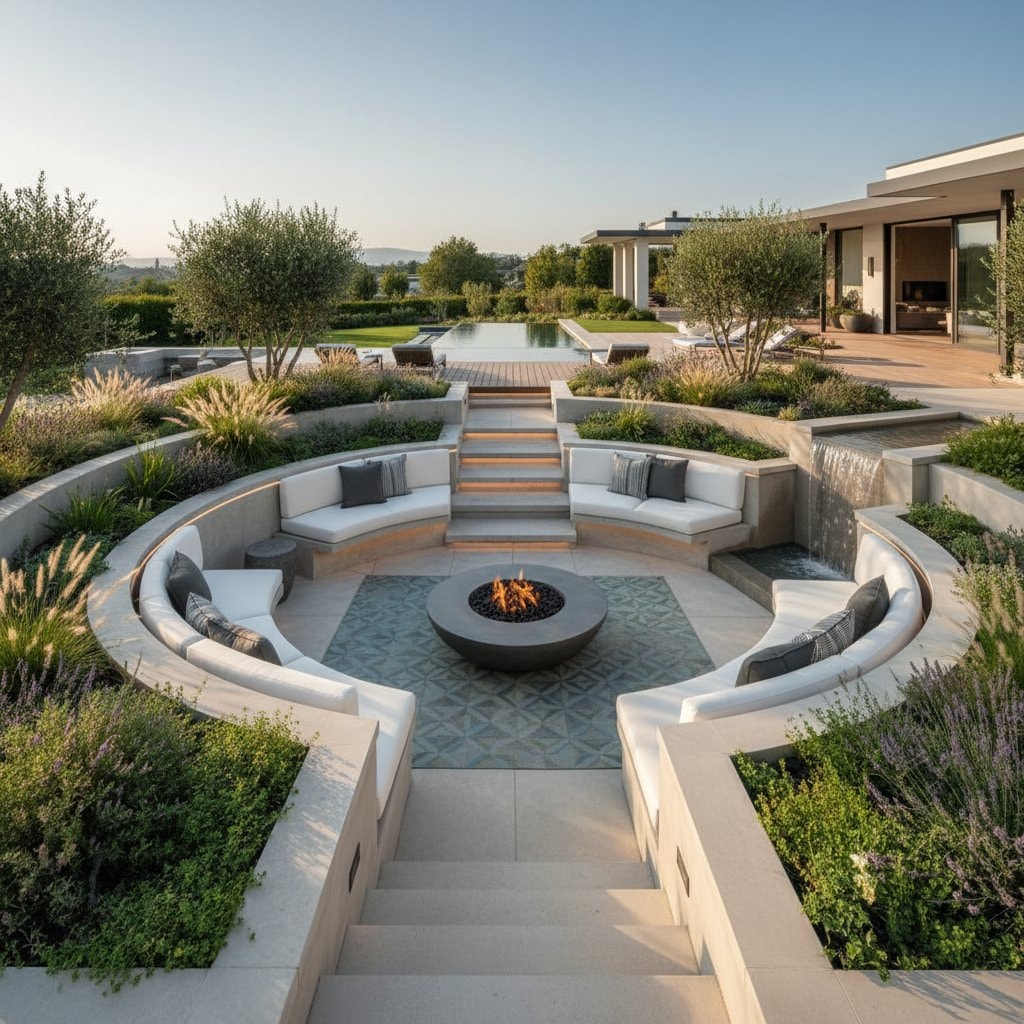
A sunken garden lowers a portion of the yard below the primary grade, typically by one to several feet. Retaining walls constructed from materials such as natural stone, brick, or reinforced concrete enclose the space, while timber options provide a rustic alternative. Within this depression, incorporate features like lush plantings, built-in seating, ambient lighting, a central fire pit, or a tranquil water element.
Designs vary widely: some emulate sunken conversation pits for social gatherings, others serve as serene reading nooks or extended patios. The enclosure promotes a sense of seclusion without fully isolating the area from the outdoors. This versatility suits both classic and contemporary home aesthetics, transforming compact yards into multi-layered havens through added depth and dimension.
Key Reasons Homeowners Embrace Sunken Gardens
Sunken gardens appeal to those seeking functional beauty in their landscapes. They address common outdoor challenges while elevating aesthetic appeal. Consider these primary benefits that drive their popularity.
-
Enhanced Privacy
The inherent drop in elevation, even as little as two feet, obstructs views from neighboring properties and streets. Surrounding walls further dampen visual and auditory intrusions, establishing a sanctuary ideal for relaxation or intimate conversations. -
Shielding from Wind and Noise
The below-grade position minimizes exposure to prevailing winds and urban clamor. This setup extends usable time in the space, accommodating breezy afternoons or evenings near busy roads with greater ease. -
Natural Temperature Regulation
Sunken areas benefit from earth insulation, remaining cooler during peak summer heat and retaining warmth in transitional seasons. Residents spend more time outdoors without relying heavily on supplemental shading or heating devices. -
Architectural Drama and Texture
The vertical drop introduces dynamic layers to otherwise level terrains. Elements like graduated steps, textured retaining walls, and integrated benches create visual intrigue and focal points that draw the eye. -
Adaptable Functionality
Tailor the space to specific needs, such as a meditative plant-filled hollow, a sleek lounge with modular seating, or a family hub centered on a fire feature. This flexibility aligns with diverse lifestyles and evolving family dynamics.
Essential Design Considerations
Effective sunken gardens require meticulous planning to balance aesthetics, safety, and durability. Focus on foundational aspects to avoid common pitfalls during construction.
Determining Depth and Dimensions
Aim for a descent of 18 inches to four feet, depending on site constraints and intended use. A 10-foot by 10-foot configuration accommodates seating for four to six people plus a central table in conversational setups. Smaller footprints, around 8 by 6 feet, work well for contemplative gardens with a single bench or winding path amid plantings.
Selecting Materials
Opt for durable options that harmonize with your home's facade: rugged flagstone or limestone for enduring elegance, sleek poured concrete for minimalist vibes, warm clay bricks for traditional charm, or pressure-treated timber for cost-effective informality. Ensure materials resist weathering and integrate seamlessly with existing hardscapes like walkways or fences.
Implementing Drainage Solutions
Proper water management prevents stagnation in low-lying areas. Install a perimeter French drain with gravel-filled trenches and perforated pipes leading to a sump or yard outlet. For sloped sites, integrate channel drains along walls. Consult local codes to incorporate gravel bases or permeable pavers that facilitate runoff without erosion.
Incorporating Seating and Pathways
Build wide, gently sloped steps or low retaining walls doubled as benches using the same materials as the enclosure for cohesion. Select weather-resistant furniture, such as teak or aluminum sets, positioned to avoid direct wall contact and moisture buildup. Provide multiple access points, ideally three feet wide, to enhance flow and prevent a claustrophobic feel.
Integrating Lighting Features
Employ path lights embedded in steps or uplights grazing wall surfaces to accentuate textures after dusk. Low-voltage LED systems or solar-powered lanterns offer energy efficiency and soft illumination. Position fixtures to cast even glows, avoiding harsh shadows that could compromise safety.
Budgeting and Installation Insights
Costs fluctuate with project scale, material quality, and professional involvement. Basic excavations and simple retaining walls begin at $3,000 to $5,000 for DIY enthusiasts using rented equipment. Comprehensive installations, including custom stonework, advanced drainage, integrated lighting, and professional landscaping, range from $10,000 to $25,000 or more for larger designs.
Excavation typically spans two to five days, depending on soil type and machinery access. Engage certified landscapers or structural engineers to assess soil stability and ensure walls withstand lateral pressure. Post-installation, routine upkeep involves clearing drain grates of leaves quarterly, pressure-washing walls annually, and inspecting for settlement after heavy freezes.
Vegetation in sunken zones demands vigilant hydration, as compact soils retain less moisture. Mulch beds generously and install drip irrigation to sustain plant health through dry spells.
Selecting Plants for Optimal Performance
Choose species attuned to the microclimateshading from walls and variable moisture retention. Prioritize low-maintenance varieties that thrive in zones with four to six hours of direct sun.
Recommended options include:
- Shade-tolerant ferns and hostas for moist, north-facing corners, providing lush greenery without excessive height.
- Sun-loving lavender and feather reed grasses along southern exposures, adding fragrance and subtle movement.
- Drought-resistant creeping thyme or stonecrop sedums as interplanted groundcovers, filling gaps between pavers.
- Compact evergreens like dwarf boxwoods or slow-growing Japanese maples for vertical accents, framing views without overcrowding.
Steer clear of vigorous climbers or tall perennials that could obscure sightlines or strain retaining structures. Test soil pH and amend with compost to support root establishment in the first year.
Steps to Realize Your Sunken Garden Vision
Embark on this project with a structured approach to maximize success. Sketch your layout on graph paper, factoring in sun patterns observed over a full day. Stake out boundaries with stakes and string, then simulate depths using temporary mounds of soil.
Collaborate with a landscape architect to refine wall engineering, drainage routing, and plant palettes suited to your climate. Obtain necessary permits for excavations exceeding two feet, especially in areas prone to utilities or flood risks.
During construction, prioritize safety with shored trenches and temporary barriers. Upon completion, the space invites lingering, blending seclusion with the yard's broader vitality. This investment yields enduring enjoyment, turning everyday outdoor moments into cherished escapes.