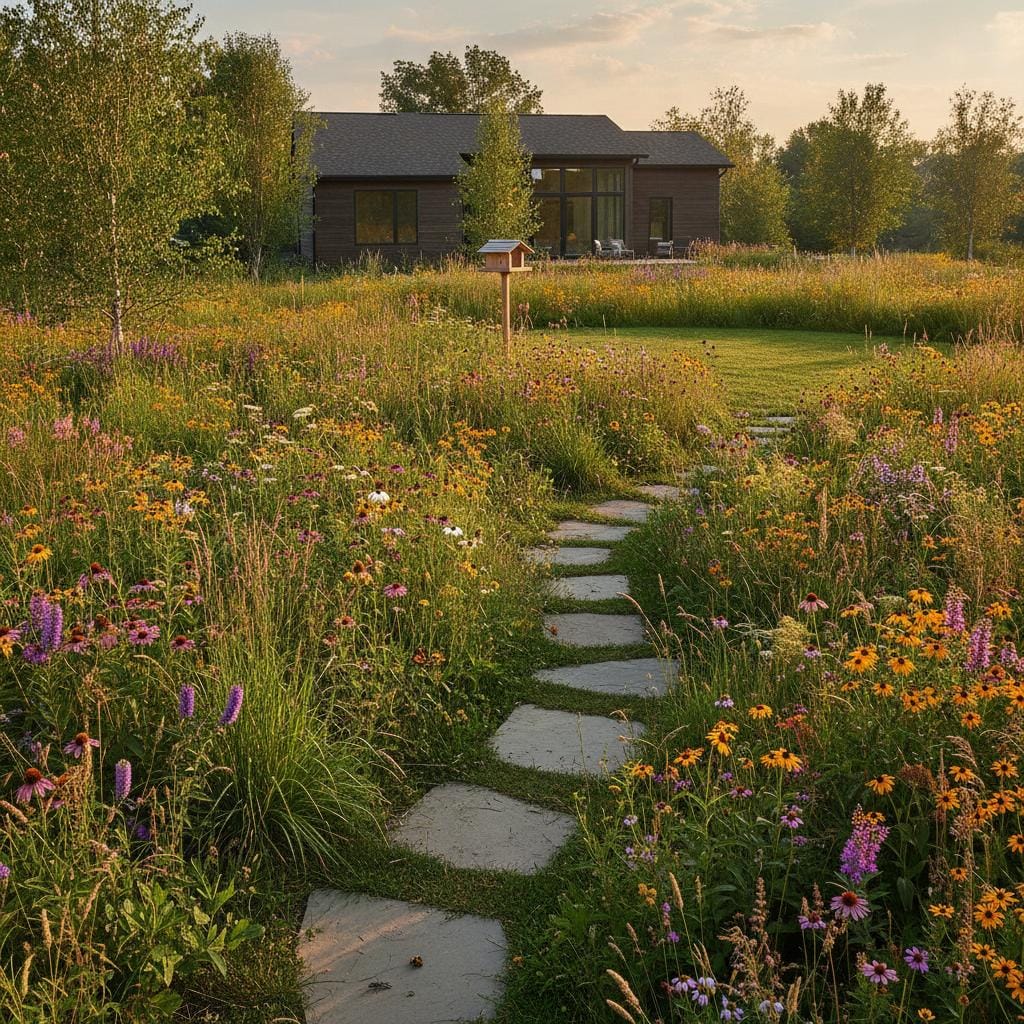
Why Chaos Gardens Revolutionize Yards in 2026
Many homeowners gaze at their yards with a sense of guilt and longing. The grass appears weary, flowerbeds seem rigid, and the entire area feels like a burden rather than a sanctuary. This sentiment is common. Traditional, meticulously planned gardens no longer resonate with everyone. A fresh movement is emerging in neighborhoods: the chaos garden.
A chaos garden encourages nature to lead the way. It embraces a measure of disorder and revives the subtle vitality that arises when plants establish themselves in optimal locations. This method does not abandon the yard. Instead, it cultivates a space that pulses with life.
Understanding the Chaos Garden
The term chaos garden may initially suggest wild neglect, yet it describes a deliberate approach that echoes natural growth. Plants intermingle freely, without the constraints of neat rows or precise lawn edges. Seeds scatter casually, and over time, the most resilient specimens claim their territory, forming a dynamic, self-regulating ecosystem.
Traditional gardens prioritize symmetry and uniformity in plant selection. Chaos gardens emphasize durability and alignment with the local climate. This philosophy draws from rewilding principles, which restore landscapes to their inherent states. Homeowners do not ignore their yards. They empower them to recover naturally.
Such gardens yield benefits beyond aesthetics. They bolster pollinators, provide refuge for small animals, and eliminate the repetitive demands of trimming, irrigating, and feeding. This style of gardening responds to the environment rather than dominating it.
Step One: Observe Before Planting
Prior to dispersing any seeds, assess the yard's existing dynamics. Track sunlight patterns throughout the day. Identify areas where rainwater pools and sections that remain arid or shaded. These observations reveal what flourishes without intervention.
Visit the yard at various times, from dawn to dusk. Pause for several minutes to listen intently. The buzz of bees in a sunny patch or birds flitting near a shrub offers insights into the site's strengths. Build upon these elements instead of opposing them.
Maintain a notebook or capture photographs to document findings. This practice establishes a solid base, minimizing future adjustments and ensuring long-term harmony.
Step Two: Select Seeds Suited to Your Region
Diversity forms the essence of a chaos garden. Assemble a variety of flowers, herbs, and native grasses adapted to your area's soil and climate. Native species excel here, as they endure local challenges and sustain regional insects and birds.
Consider starting with pre-mixed seed packets formulated for pollinator support. Supplement with seeds collected from nearby wild patches or shared community plots. Blend these for depth and variety. Select plants that bloom sequentially across heights and seasons to sustain color and interest year-round.
With seeds in hand, forgo meticulous arrangement. Broadcast them broadly across prepared soil. Nature's variability adds delight. Thin overcrowded areas later if needed, allowing the initial growth to indicate preferences.
Step Three: Permit Nature to Lead
Post-planting, the greatest challenge for many is restraint. A chaos garden flourishes with limited human input. Rely on rainfall, sunlight, and inherent soil fertility for primary nourishment. Supplement with watering only during prolonged droughts.
Evaluate weeds thoughtfully rather than eradicating them outright. Certain varieties serve as protective mulch, conserving water or drawing helpful insects. Remove overly competitive ones selectively to preserve equilibrium. Aim for symbiosis over supremacy.
Apply organic mulch, such as fallen leaves or straw, to preserve moisture and enrich the ground. Gradually, the yard develops its own cycle, with plants self-seeding and occupying voids organically. This evolution unveils the garden's unique character.
Step Four: Integrate Wildlife and Dynamics
A vibrant garden attracts diverse life forms. Expect visits from birds, butterflies, bees, and small creatures. These indicate achievement, not disarray. Such guests facilitate pollination, seed dispersal, and ecological stability.
Enhance their presence with minimal additions. Place a shallow water dish to serve as a bird bath. Stack twigs or rocks to offer insect and amphibian habitats. Retain seed heads into autumn for avian forage and winter interest.
The garden's allure stems from its motion. Breezes sway grasses, insects dance over blossoms, and petals drift on irregular terrain. These elements affirm the yard as a developing ecosystem, distinct from a fixed exhibit.
Step Five: Redefine Your Gardening Role
Embracing a chaos garden alters one's bond with the landscape. Release the compulsion to orchestrate every detail and adopt a collaborative stance. This perspective liberates. Imperfections reveal charm, and patience rewards as flora adapts.
Occasional pruning or clearing may occur, but efforts diminish over time. The space increasingly sustains itself, potentially lowering water consumption and upkeep expenses. Those once daunted by conventional yards often find unexpected relief.
For those preferring order, incorporate defined paths or benches to border untamed zones. This juxtaposition renders the wildness purposeful and provides spots for contemplation amid the growth you have fostered.
Step Six: Sustain with Gentle Oversight
Wild areas benefit from periodic attention. Inspect the garden biweekly to monitor progress. Eliminate invasive plants that risk dominance. Incorporate a light compost layer annually to nourish the soil. Otherwise, focus on watching and valuing the changes.
Unexpected seedlings may emerge from avian or wind transport, introducing further variety. Integrate them if they harmonize, or curb vigorous ones. Respond adaptively rather than impulsively.
This measured pace deepens environmental connection. Gardening evolves from pursuit of flawlessness to engagement in a broader natural process.
Cultivate Lasting Yard Vitality
The inaugural season of a chaos garden unfolds erratically. Clusters form, gaps persist, and hues blend surprisingly. As years progress, balance emerges naturally. Seasonal shifts deliver fresh discoveries, mirroring both intentional selections and nature's influence.
Time outdoors increases, not for repairs, but for observation. Insect symphonies, stem whispers, and floral explosions signal renewal. Visitors admire the untamed elegance, unaware of the trust underlying its apparent ease.
This garden imparts lessons in endurance and appreciation. It demonstrates that withdrawal can surpass relentless toil. The yard transforms into a haven for creatures, a thermal buffer, and an everyday testament to nature's thriving imperfection.