The Emergence of Edible Front Yards: Key Trends for 2026
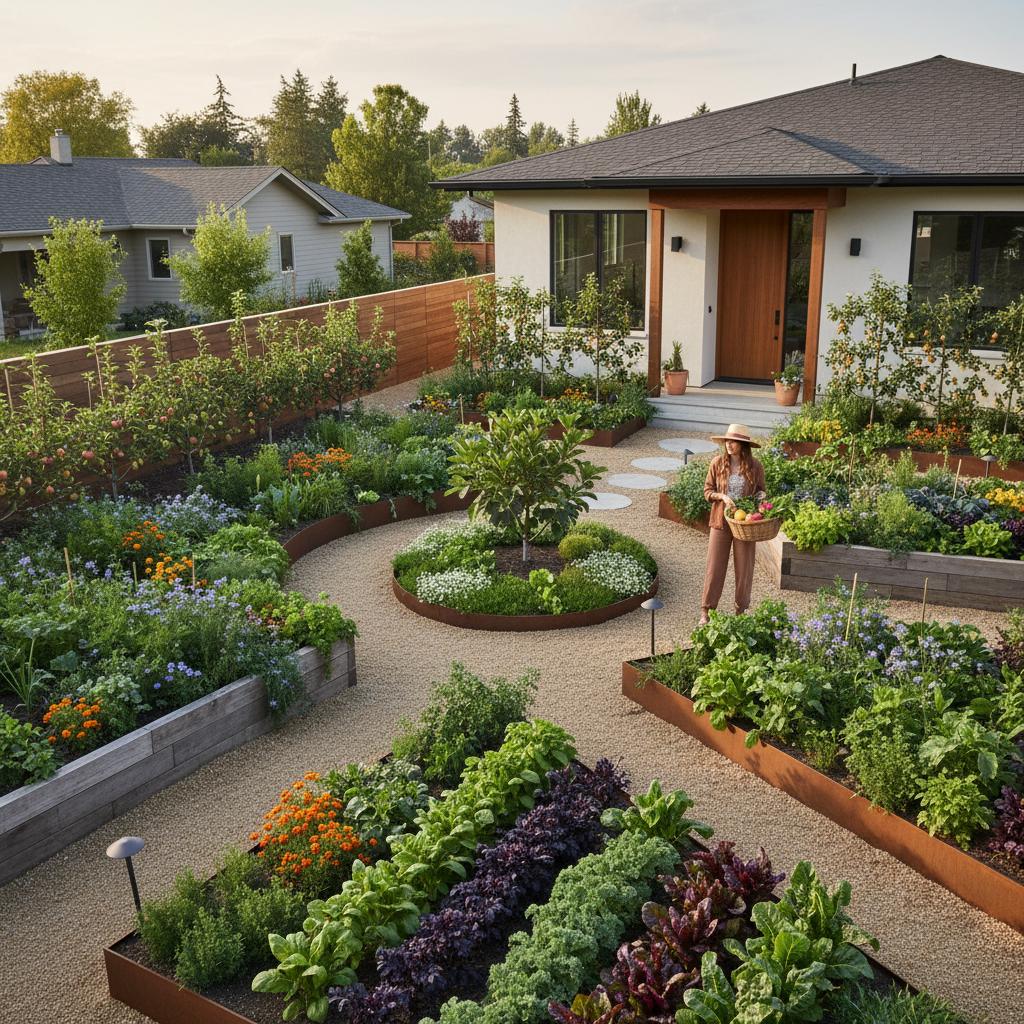
Homeowners increasingly view front yards as versatile spaces beyond traditional lawns and decorative plantings. The shift toward edible landscaping reflects a broader commitment to sustainability and self-sufficiency. In 2026, front yard farms gain prominence as integrated features that combine visual elegance with functional harvests, fostering a deeper connection to local food sources.
These landscapes align with rising interests in urban agriculture and climate-resilient gardening. Compact varieties of produce, pollinator-friendly edibles, and water-efficient designs dominate the trends. By incorporating these elements, individuals create outdoor environments that support both personal well-being and community resilience.
Assessing Your Yard's Edible Potential
Every front yard offers opportunities for food production, regardless of size or existing features. Begin by evaluating sunlight exposure, as most edible plants require at least six hours of direct light daily. Use a simple tool like a sun calculator app or observe shadows over a full day to map sunny and shaded zones.
Soil quality plays a crucial role in success. Test pH levels with an affordable kit, aiming for a neutral range of 6.0 to 7.0 for most vegetables. Amend heavy clay soils with organic matter such as aged compost to improve drainage, or incorporate sand into sandy areas to retain moisture. These adjustments ensure plants establish strong roots and yield abundantly.
Consider microclimateslike fences or trees. South-facing spots suit heat-loving crops such as peppers and eggplants, while north-facing areas favor shade-tolerant options like lettuce and spinach. This site analysis forms the basis for selecting appropriate varieties that thrive in your specific conditions.
Designing an Integrated Edible Landscape
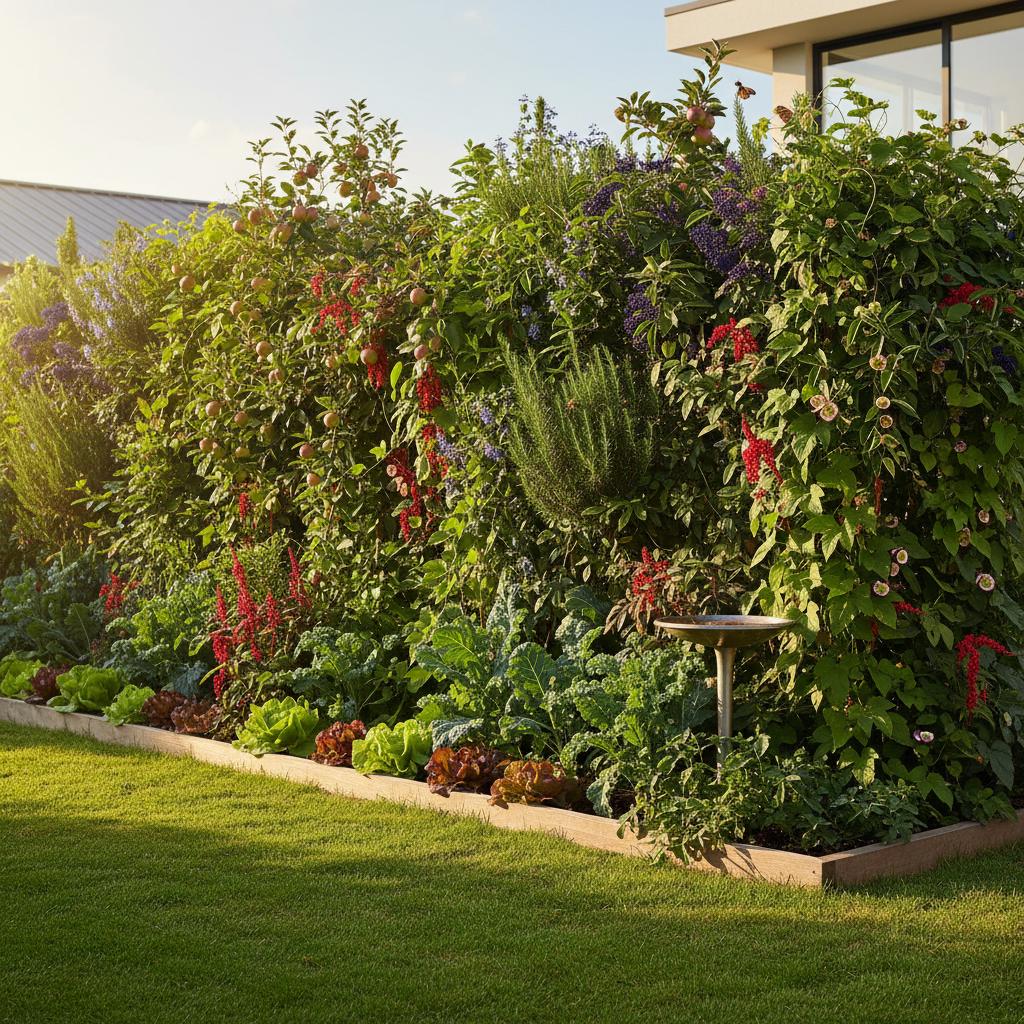
Edible landscaping prioritizes harmony between form and function, selecting plants that enhance curb appeal while providing harvests. Replace ornamental borders with low-maintenance edibles: lavender or rosemary for fragrant edges, or strawberries as ground cover that spills attractively over pathways.
Develop a layered planting scheme to maximize space and visual interest. Position dwarf fruit trees, such as columnar apples or espaliered pears, as focal points in larger areas. Surround them with mid-height perennials like rhubarb or artichokes, and finish with edging plants including chives or nasturtiums, which double as edible flowers.
Incorporate 2026 trends like vertical gardening for compact yards. Install wall-mounted planters or arbors for vining crops such as pole beans and cucumbers, freeing up ground space. Mix annuals for quick yields—radishes mature in 30 days—with perennials like asparagus for long-term productivity. This balanced design maintains year-round vibrancy and simplifies succession planting.
Sketch a scale drawing of your yard to visualize placements. Factor in access paths at least three feet wide for easy harvesting, and include seating nooks amid the plantings to encourage daily interaction. Such thoughtful layouts prevent overcrowding and promote efficient use of resources like water and nutrients.
Implementing Your Edible Garden Plan
Transition from design to reality by starting with a manageable project, such as installing two raised beds measuring four feet by four feet. Construct them from untreated cedar for durability, filling with a blend of topsoil, compost, and perlite for optimal aeration. Plant densely to suppress weeds: intersperse carrots with onions to deter pests naturally.
Establish a watering routine suited to your climate—deep soakings every three to five days rather than frequent shallow ones—to encourage deep root growth. Apply two inches of organic mulch, like shredded bark or straw, immediately after planting to conserve moisture and regulate soil temperature. Monitor for pests weekly, using hand-picking or neem oil sprays as first-line defenses.
For enhanced productivity, integrate companion planting: pair tomatoes with basil to boost flavor and repel insects, or plant marigolds near squash to ward off nematodes. In 2026, smart irrigation systems with soil moisture sensors become accessible tools for precise care, reducing waste and ensuring consistent growth.
Track progress in a garden journal, noting planting dates, weather impacts, and yields. This record helps refine techniques over seasons, such as adjusting for early frosts with row covers. Gradual expansion builds confidence and allows adaptation to your yard's evolving needs.
Sustaining and Harvesting Your Front Yard Bounty
Regular maintenance ensures your edible landscape remains productive and attractive. Apply compost tea or balanced organic fertilizer every six weeks during the growing season to replenish nutrients. Rotate crops annually—moving legumes to depleted vegetable spots—to prevent soil-borne diseases and maintain fertility.
Prune fruiting plants judiciously: thin blueberry branches in late winter to improve air circulation, and deadhead herbs like oregano to encourage bushier growth. Winterize by mulching roots heavily and covering tender perennials with frost blankets, preparing for spring resurgence.
Harvest frequently to stimulate production—pick zucchini when six inches long to avoid oversized fruits. Share excess with neighbors through community swaps, strengthening local ties. These practices transform your front yard into a resilient ecosystem that yields not only food but also a sense of accomplishment.
Embracing the Rewards of Edible Living
Cultivating a front yard farm cultivates mindfulness and reduces reliance on store-bought produce. Fresh-picked salads, herb-infused meals, and seasonal fruits elevate daily routines with unparalleled flavor. This approach aligns with 2026's emphasis on regenerative practices, where every harvest reinforces environmental stewardship.
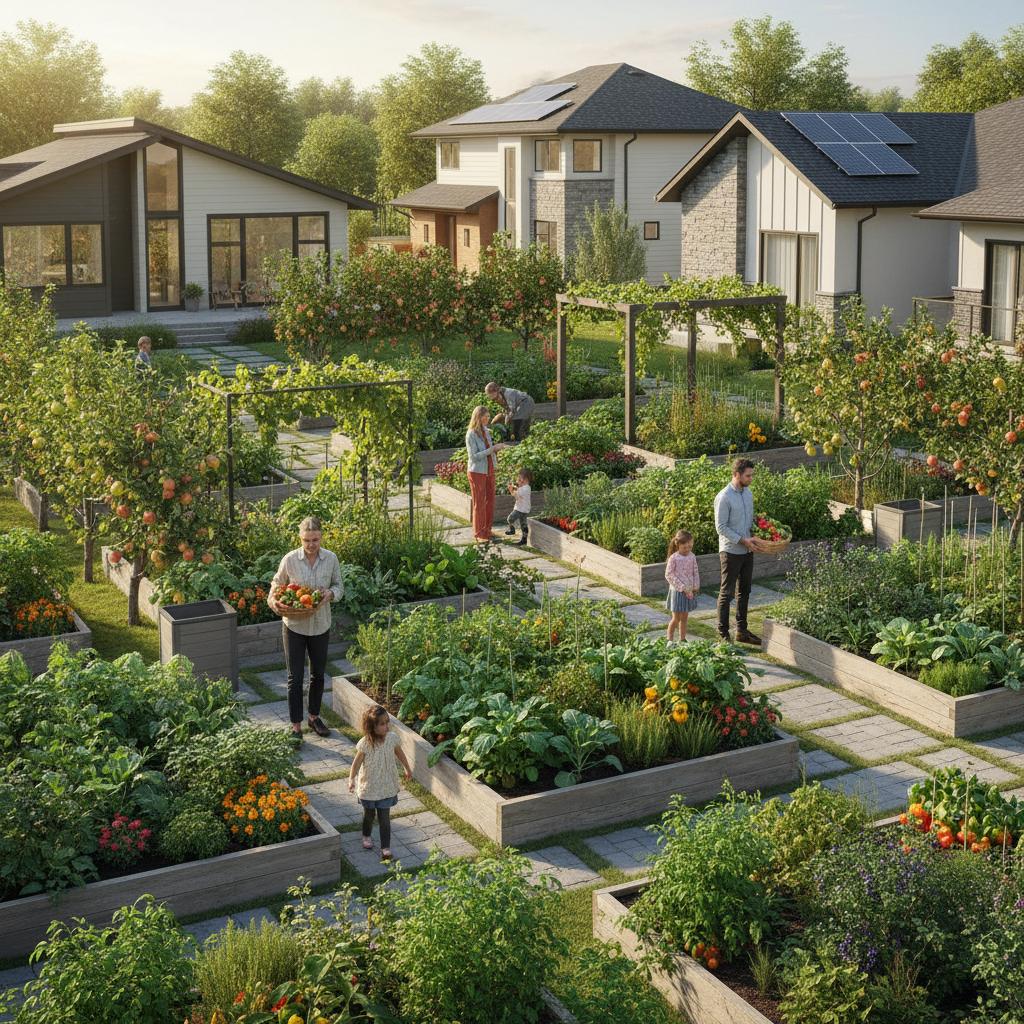
Communities flourish as visible edible gardens inspire collective action, from seed-sharing events to neighborhood workshops. Your landscape becomes a model of intentional living, demonstrating how small-scale farming enhances both personal health and ecological balance. Through persistent effort, this space nourishes body, mind, and surroundings indefinitely.