Why Sunken Spaces Are Transforming Gardens
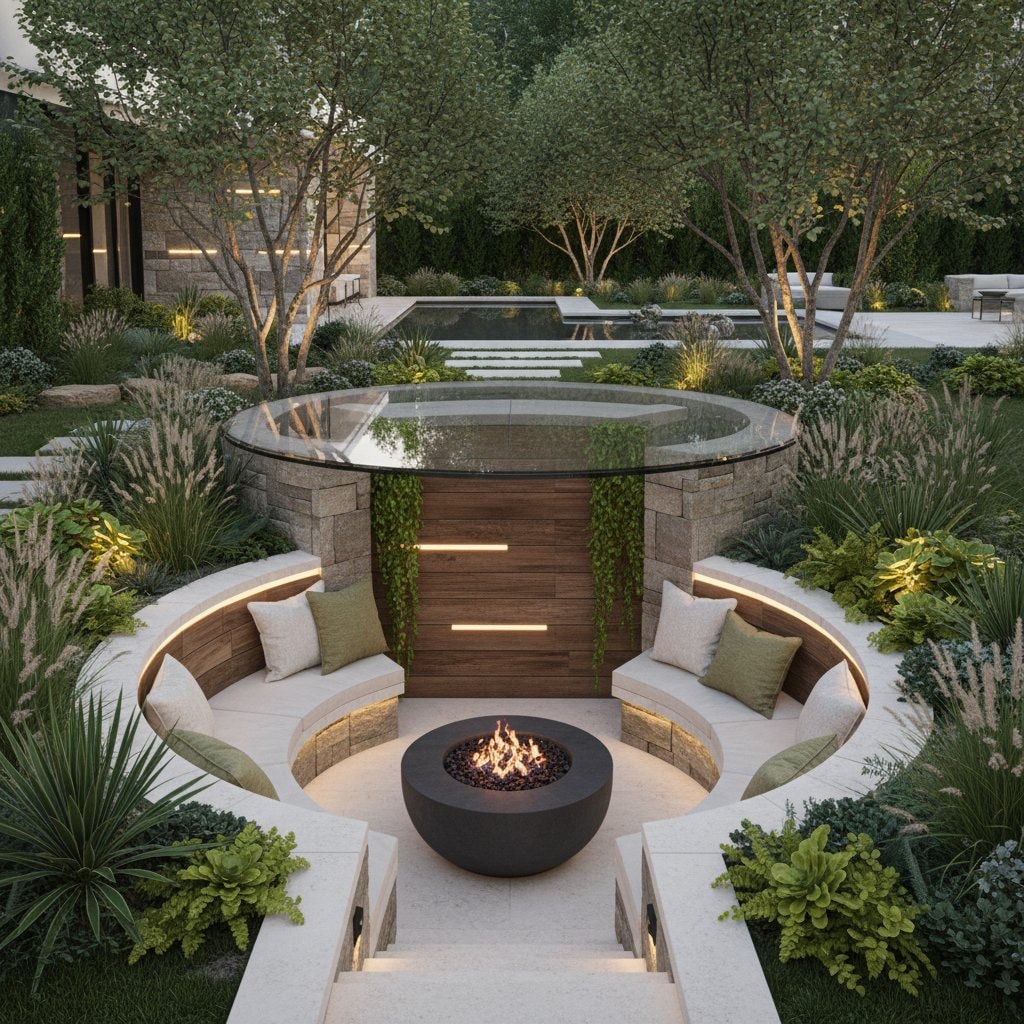
Underground garden rooms offer a distinctive way to add privacy and tranquility to any yard. These recessed structures sit below ground level, shielding occupants from wind, noise, and direct view. Homeowners gain a quiet zone that feels separate from the rest of the property while remaining connected to the surrounding landscape.
The trend draws from both practical needs and aesthetic preferences. Lower placement reduces exposure to temperature swings, which lowers heating and cooling demands. At the same time, the design creates an intimate setting that encourages longer outdoor stays throughout the year.
Planning the Right Location and Size
Choose a spot with stable soil and adequate drainage before excavation begins. Measure the intended footprint against existing trees, utilities, and property lines to avoid later conflicts. A typical room measures between ten and twenty feet across, providing enough space for seating and circulation without overwhelming the garden.
Consult local building codes early. Many municipalities require permits for structures that alter grade or include electrical work. Accurate site assessment prevents costly adjustments during construction.
Construction Materials and Structural Details
Reinforced concrete or treated timber forms the primary shell in most installations. Waterproof membranes line the walls and floor to keep moisture out. Insulation placed on the exterior face maintains interior comfort while protecting the structure from freeze-thaw cycles.
Access stairs or a gentle ramp connect the room to ground level. Railings and non-slip treads improve safety during wet weather. Builders often incorporate built-in benches or storage along the perimeter to maximize usable floor area.
Plant Choices That Thrive Below Grade
Select shade-tolerant species that tolerate reduced light and higher humidity. Ferns, hostas, and certain mosses perform well along the upper edges where they receive filtered sun. Deeper planters can support small trees or shrubs whose roots remain contained.
Group plants by water needs to simplify irrigation. Drip lines hidden along the rim deliver moisture directly to root zones without wetting seating surfaces. Seasonal rotation of container plants adds color without permanent changes to the fixed beds.
Lighting Approaches for Evening Comfort
Low-voltage LED fixtures mounted at step level provide safe navigation after dark. Uplights directed at foliage create depth and texture without glare. Solar-powered options reduce wiring requirements while still delivering reliable illumination.
Dimmer controls allow adjustment from bright task lighting to subtle ambient glow. Timers or motion sensors conserve energy when the space sits unused. Warm color temperatures keep the atmosphere inviting rather than clinical.
Ongoing Care and Seasonal Adjustments
Inspect waterproofing and drainage channels each spring and fall. Clear debris from grates to maintain proper water flow. Prune plants that extend into walkways to preserve clear passage.
Add removable cushions or rugs during warmer months for extra comfort. Store textiles indoors during winter to extend their lifespan. Regular attention keeps the room functional and attractive across changing conditions.
Reaping the Benefits of a Sunken Retreat
A finished underground room increases usable outdoor time while lowering energy costs for adjacent structures. The enclosed feel supports quiet reading, small gatherings, or simple rest away from household activity. Over time the space becomes a valued extension of daily living rather than an occasional feature.