Edible Hedges: Convert Borders into Productive Food Sources
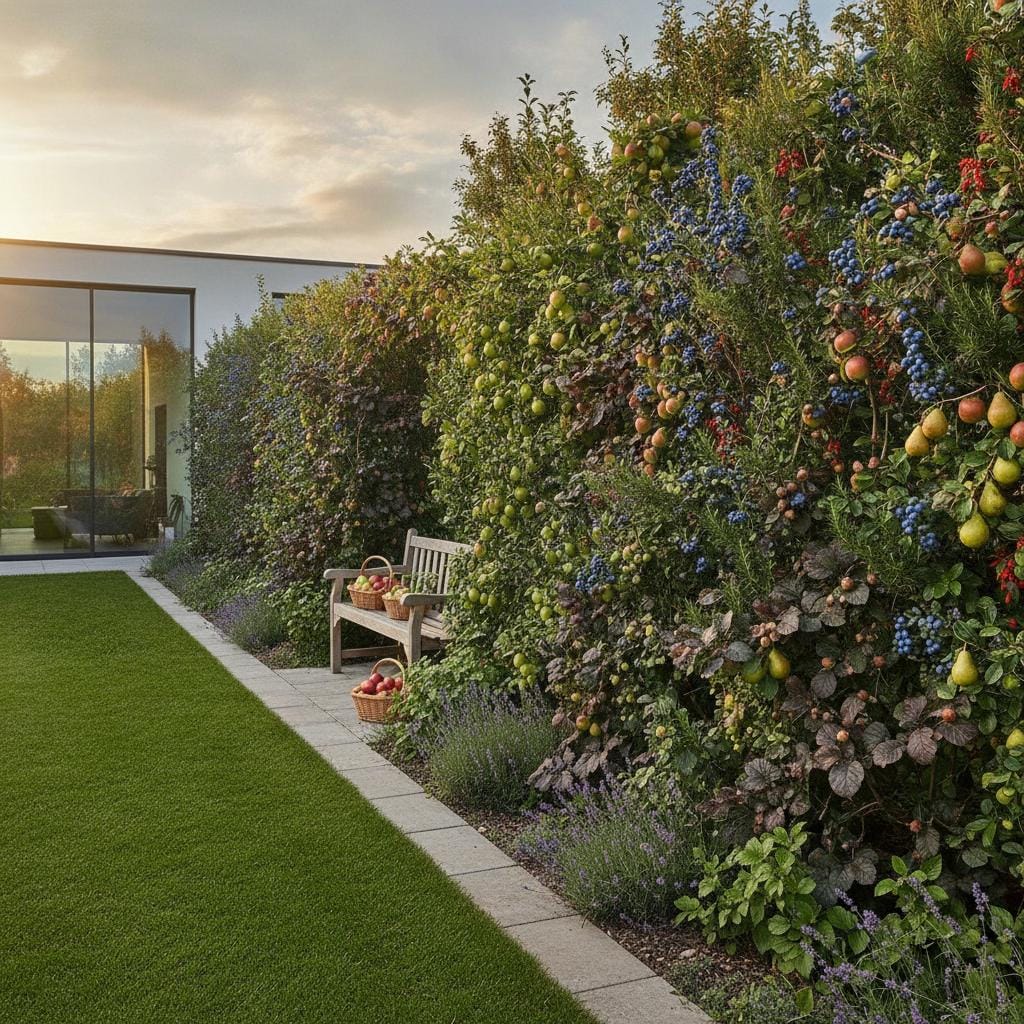
Hedges serve purposes beyond defining yard boundaries or property lines. Selecting appropriate plants transforms these features into sources of fruit, nuts, herbs, and edible flowers. Edible hedges merge utility with productivity, delivering privacy alongside nourishment in shared space. This landscaping method suits expansive properties or compact gardens, evolving standard borders into dynamic, living pantries.
This resource outlines the mechanics of edible hedges, recommends suitable plant varieties, and provides strategies for sustained health. It addresses expenses, upkeep requirements, and enduring advantages to help determine compatibility with specific sites and routines.
Advantages of Edible Hedges
Edible hedges extend beyond ornamental qualities. They infuse landscapes with purpose and worth through multiple dimensions.
Practical Functions
- Clearly delineate property boundaries and garden zones.
- Screen views and buffer winds effectively.
- Mitigate noise pollution and airborne particles adjacent to thoroughfares.
Yield of Edibles
- Generate berries, nuts, herbs, or fruits seasonally.
- Supply organic harvests conveniently from the backyard.
- Lower reliance on store-bought produce and minimize surplus discards.
Support for Wildlife
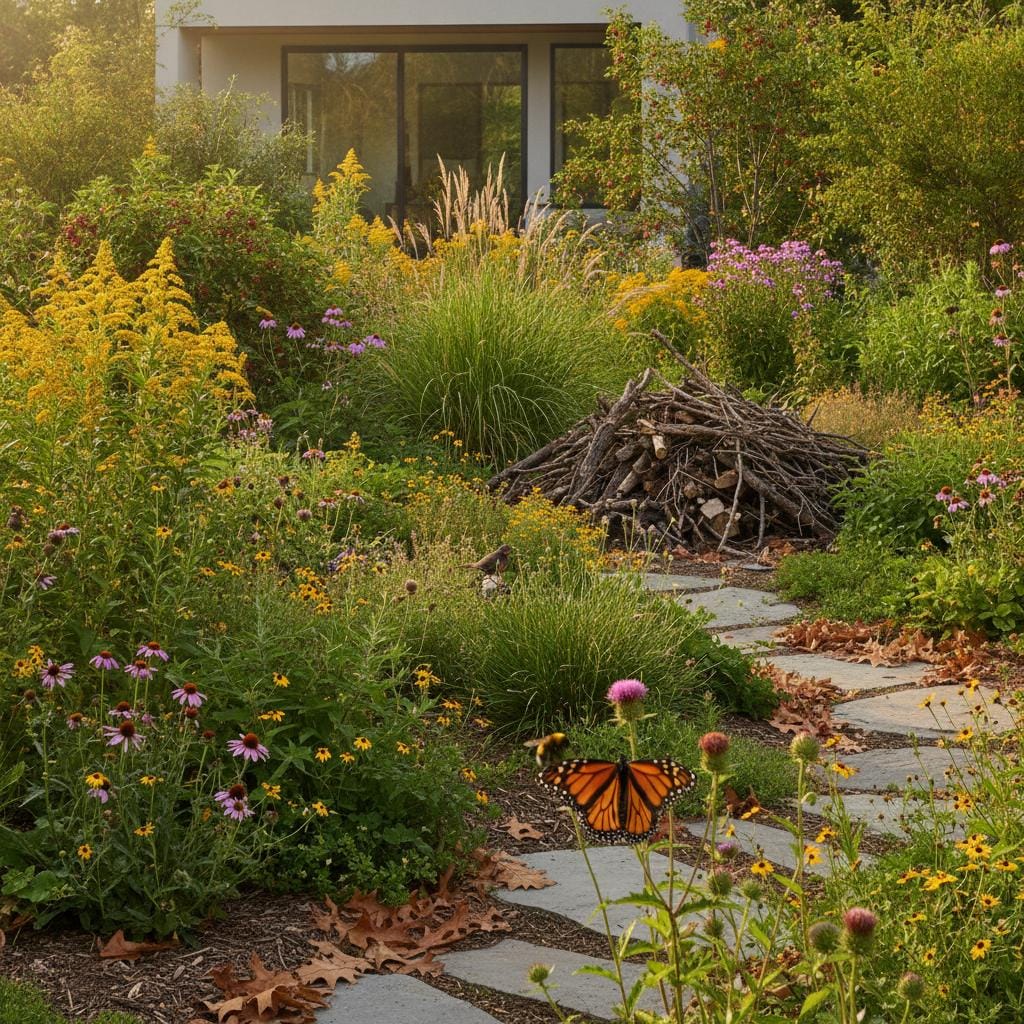
- Nourish avian species, bees, and essential pollinators.
- Offer habitats for advantageous insects.
- Elevate ecological diversity within residential areas.
Ecological Contributions
- Enhance soil integrity via extensive root networks.
- Sequester carbon dioxide and purify atmospheric quality.
- Regulate stormwater runoff and curb soil displacement.
Visual and Design Appeal
- Display evolving hues through fruits, blooms, and leaves across seasons.
- Integrate form with functionality seamlessly.
- Adapt to structured formal layouts or relaxed naturalistic schemes.
Strategies for Planning and Optimal Spacing
Prior to installation, clarify the hedge's primary role. Privacy-focused versions demand substantial height and fullness, whereas ornamental edges permit reduced stature with diverse selections.
Assessing Site Factors
- Sun Exposure: Optimal fruit development requires six or more hours of direct sunlight daily for most candidates.
- Soil Profile: Prefer fertile, loamy compositions with efficient drainage. Incorporate aged compost to elevate nutrient levels.
- Hydration Levels: Steer clear of persistently saturated zones. Apply organic mulch layers to conserve water amid arid periods.
Spacing Guidelines
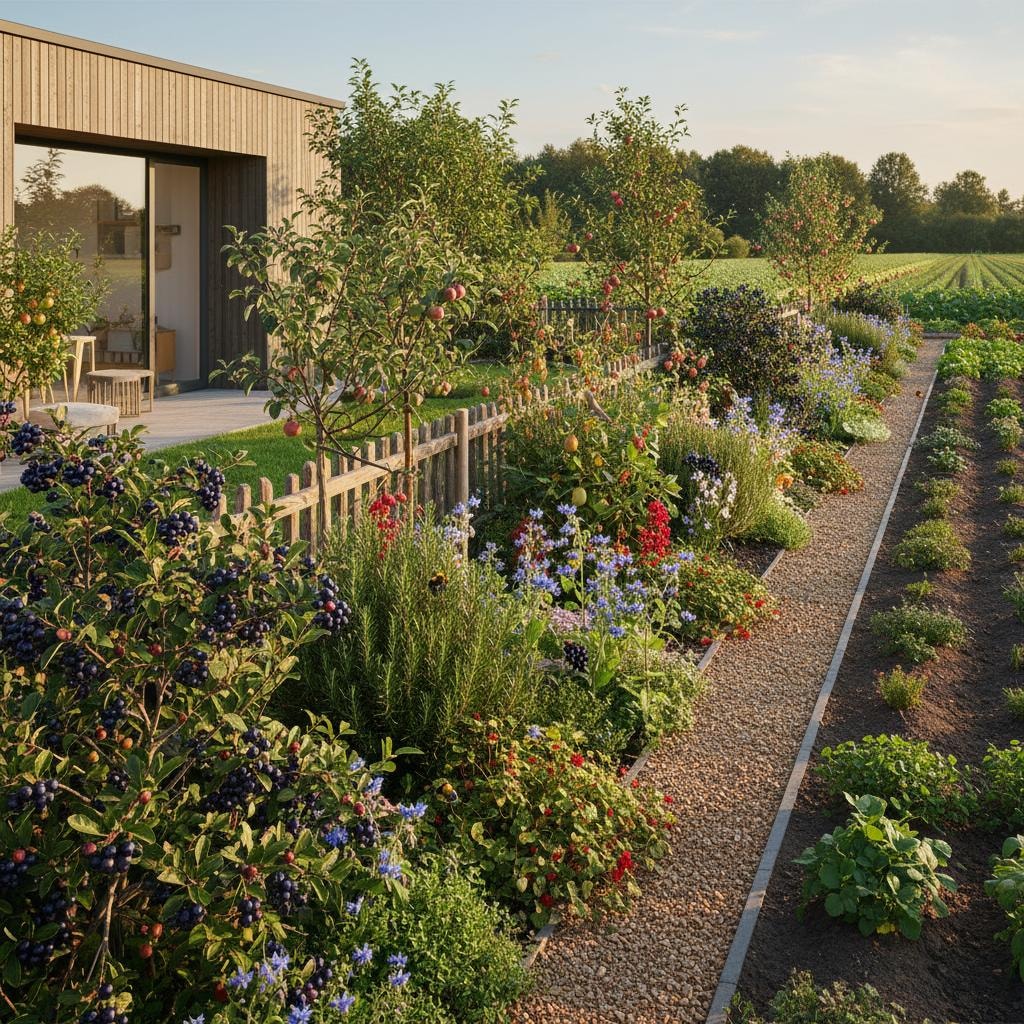
Position shrubs sufficiently near to coalesce into a solid barrier upon maturity. Berry varieties such as blueberries or currants typically require 2 to 4 feet of separation. Nut producers like hazelnuts or dwarf fruit trees necessitate 6 to 10 feet. For denser coverage, arrange in offset double rows.
Design Considerations
- Position robust, taller specimens rearward with compact types foreground for depth.
- Blend persistent evergreens with shedding deciduous options for consistent framework.
- Pair early-season bearers like strawberries with late producers such as elderberries to prolong harvest windows.
Essential Maintenance Practices
Edible hedges demand routines akin to those for fruiting shrubs or compact trees. Consistent oversight ensures ongoing vitality and allure.
Irrigation Techniques
Maintain uniform soil dampness throughout initial establishment phases. Mature plants tolerate intermittent dry spells, yet consistent hydration enhances fruit quality and quantity.
Pruning Protocols
Conduct yearly trimming to sculpt form and stimulate renewal. Eliminate deceased, damaged, or intersecting limbs. For cane-based berries including raspberries and blackberries, excise spent stems post-harvest to promote vigor.
Nutrient Application
Distribute compost or balanced organic amendments at spring's onset. Layer mulch from bark or straw to preserve hydration and suppress competing vegetation.
Managing Pests and Diseases
Monitor for avian raids, pest infestations, and pathogen outbreaks. Deploy fine mesh netting over ripening crops. Opt for resilient cultivars and foster predatory insects via interplanted allies like marigolds or garlic chives.
Harvesting Procedures
Collect produce at peak ripeness to maximize taste and nutrition. Numerous varieties yield progressively over weeks, necessitating frequent inspections.
Enduring Rewards of Edible Hedges
Established hedges intensify output annually. They acclimate to local soils, draw vital pollinators, and require diminishing interventions progressively. A developed hedge yields abundant berries, nuts, or herbs through minimal seasonal efforts.
Such features elevate real estate appeal. Prospective buyers value integrated beauty and utility in exteriors. A meticulously tended edible hedge distinguishes properties while providing harvestable returns.
Steps to Establish Your Edible Hedge
To initiate borders as food producers, commence modestly. Select a trial segment matching local conditions and introduce compatible varieties like serviceberries for versatile fruit or lavender for aromatic herbs. Observe growth patterns, landscape integration, and care demands before scaling.
Adopt a straightforward care calendar:
- Irrigate juveniles thoroughly weekly during precipitation lulls.
- Trim following yields to refine structure and invigorate future cycles.
- Refresh mulch annually in spring to nourish earth and deter intruders.
Edible hedges evolve alongside users. They emerge as modest plantings and mature into integral, adaptive landscape elements. Through time, they furnish seclusion, vibrancy, and sustenance shareable among household, guests, and neighborhood fauna.
Establishing an edible hedge transcends routine gardening. It represents a strategic path to foster sustainability, utility, and fulfillment in outdoor spaces.