Creating Productive Garden Borders
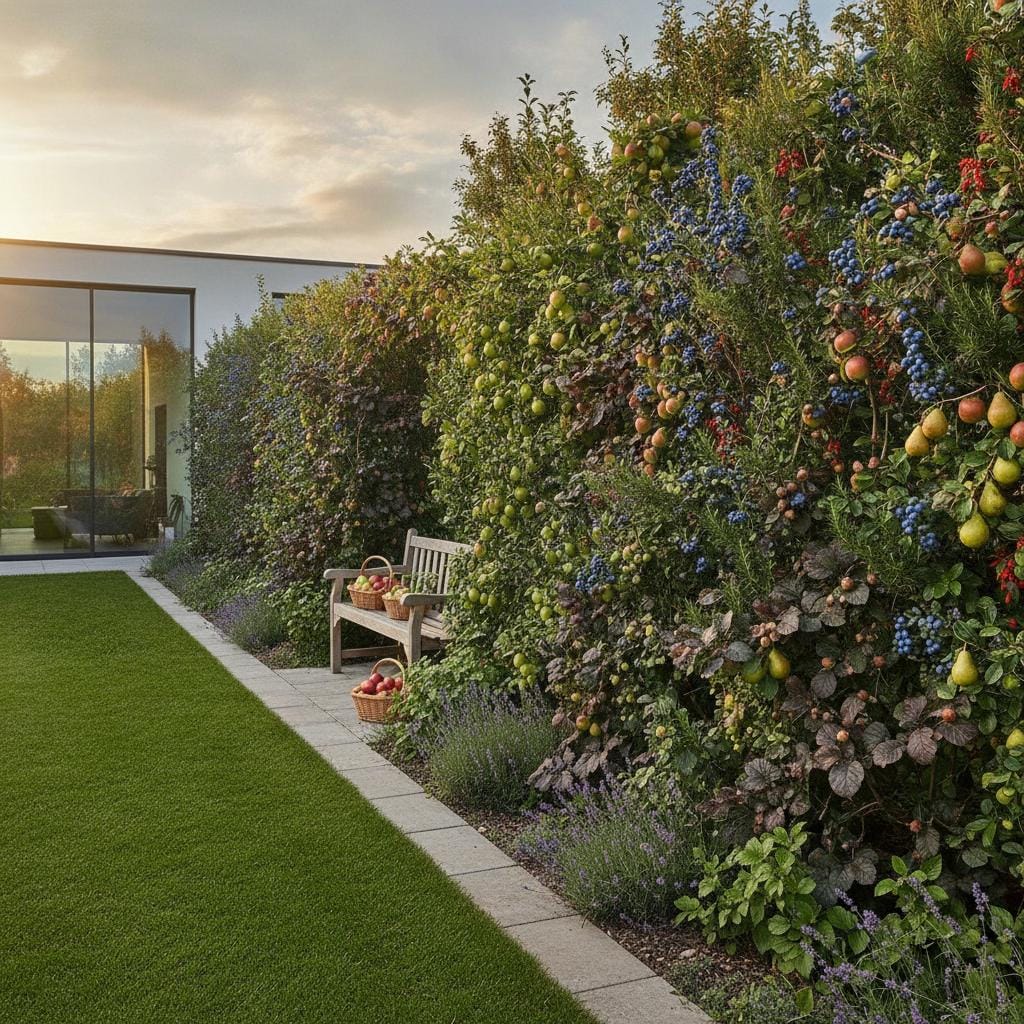
Transforming ordinary property lines into edible hedges delivers beauty, privacy, and fresh produce from a single feature. Thoughtful plant selection and placement turn boundaries into living assets that support both the landscape and the kitchen. This approach works in spaces of any size when the right species are matched to local conditions.
Advantages of Edible Hedges
Edible borders provide year-round visual interest through flowers, fruit, and foliage changes. They reduce the need for separate fences or screens while supplying harvests that would otherwise require dedicated beds. Soil improvement occurs naturally as roots stabilize the ground and fallen leaves add organic matter.
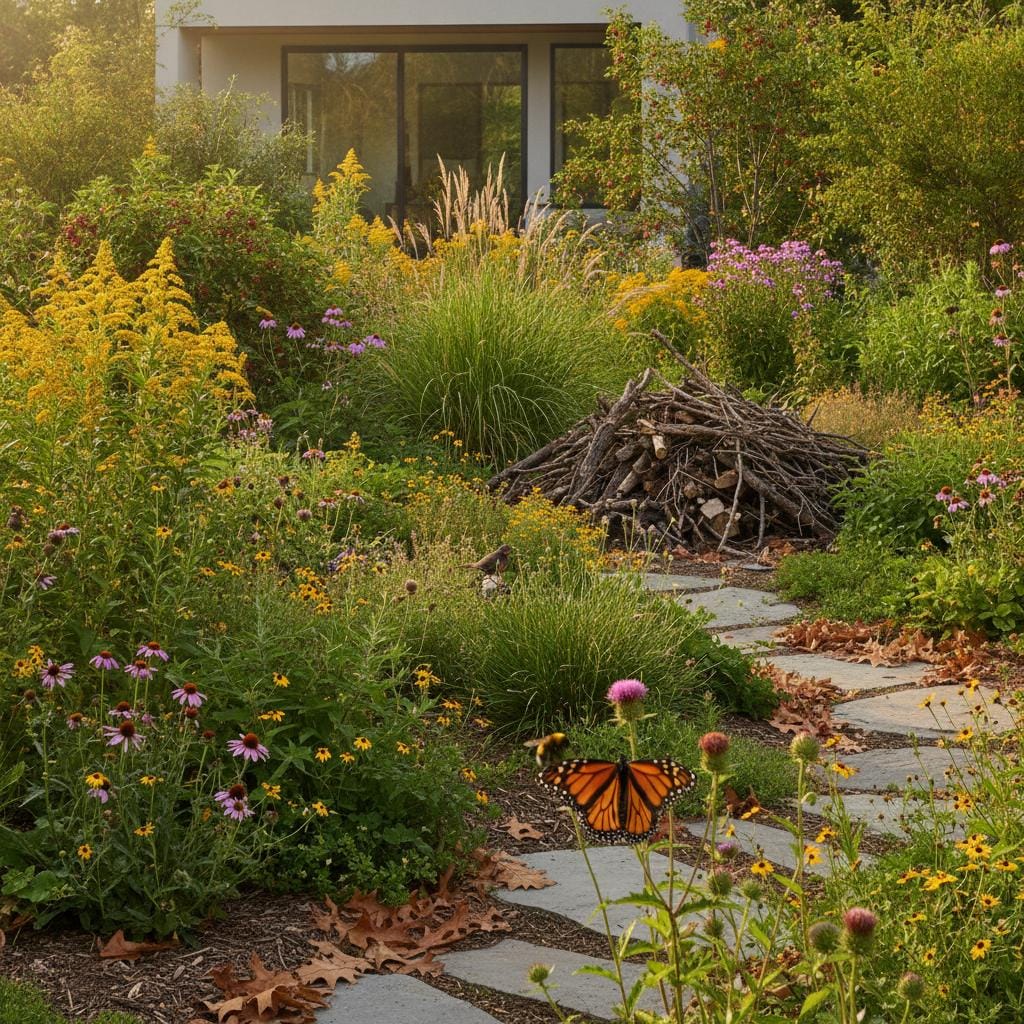
Privacy increases as plants reach mature height and density. Pollinators and beneficial insects gain habitat that supports overall garden health. Maintenance remains manageable when species are chosen for the specific light, soil, and climate of the site.
Recommended Plants for Borders
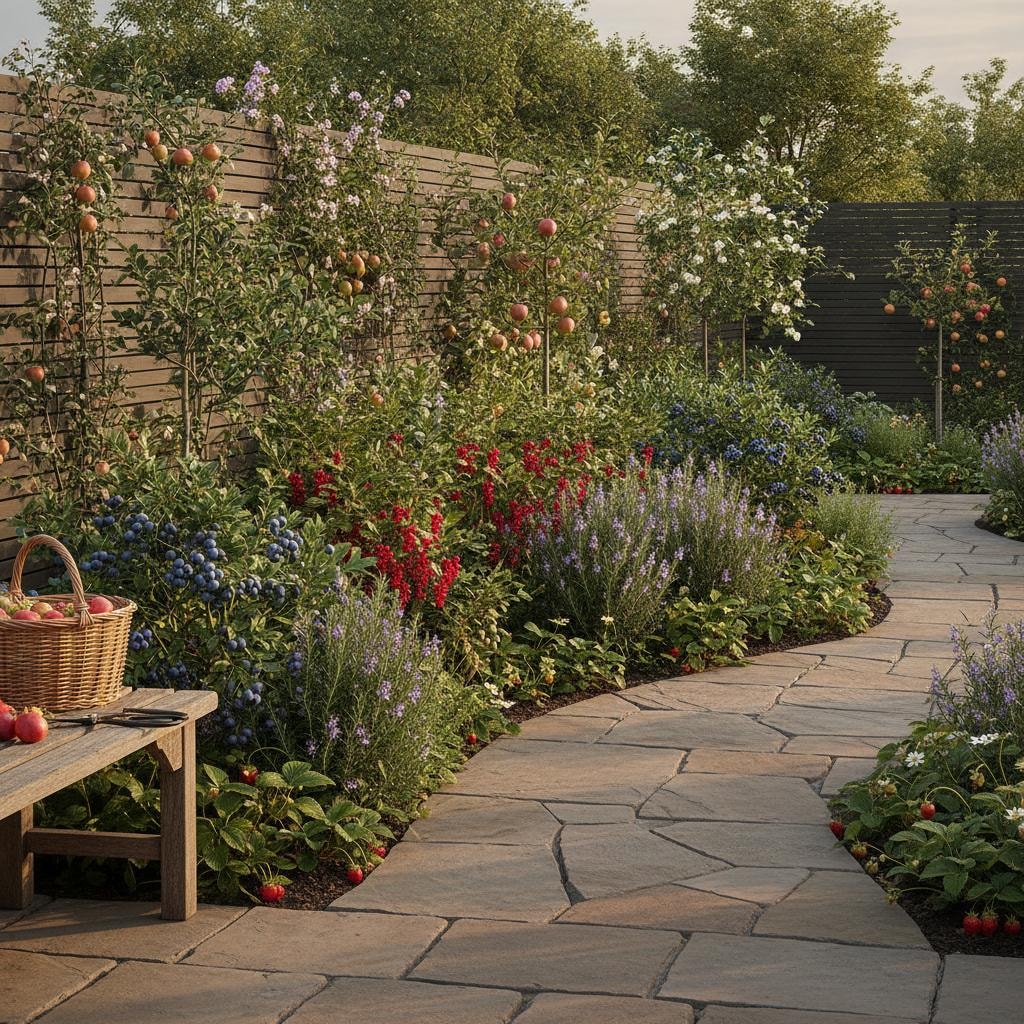
Blueberry bushes offer summer fruit and striking fall color while forming dense screens three to six feet tall. Currants produce early berries and tolerate partial shade, making them suitable for narrower strips. Rosemary creates a low evergreen hedge that supplies culinary sprigs throughout the year in milder regions.
Additional options include rugosa roses for hips and flowers, dwarf apple or pear varieties trained as cordons, and upright blackberry cultivars. Combine evergreen and deciduous types to maintain winter structure. Always verify mature width to prevent encroachment on paths or neighboring properties.
Site Preparation and Layout
Assess sunlight patterns and soil drainage before planting. Amend heavy clay with compost to improve root establishment. Mark the border line with stakes and string to maintain consistent depth and spacing.
Position taller plants toward the back of the border and lower growers in front for layered effect. Allow adequate room between specimens for air circulation and future pruning access. Install drip irrigation at installation to support even watering during the first two seasons.
Planting and Establishment
Dig holes twice the width of the root ball and at the same depth as the nursery container. Backfill with native soil mixed with compost, then water thoroughly to eliminate air pockets. Apply a two-inch layer of organic mulch to conserve moisture and suppress weeds.
Water new plantings weekly during the first growing season unless rainfall is sufficient. Monitor for signs of stress and adjust irrigation accordingly. Stake young shrubs only if wind exposure demands extra support.
Pruning and Long-Term Maintenance
Prune immediately after harvest for fruiting shrubs to encourage next season's growth. Remove dead or crossing branches to maintain an open structure that admits light and air. Shear evergreen herbs like rosemary lightly in spring to promote bushy form.
Fertilize according to soil test results rather than on a fixed schedule. Inspect regularly for pests and address problems early with targeted treatments. Replace individual plants as needed to keep the hedge continuous and productive.
Seasonal Management
Apply winter protection such as burlap screens in exposed locations for marginally hardy species. Monitor soil moisture during dry spells in every season. Harvest fruit at peak ripeness to encourage continued production.
Planning Your First Edible Border
Begin with a small section to test plant performance and refine techniques. Scale successful combinations across the full property line in subsequent seasons. Consistent attention during establishment yields a resilient, productive feature that improves with age.