Introduction to Edible Hardscapes
Urban and suburban gardeners often face limited space for traditional planting beds. Walls and pavers, typically viewed as structural elements, offer untapped potential for food production. By incorporating edible plants into these areas, homeowners can maximize their yards while enhancing visual appeal and accessibility to fresh produce.
This method suits various settings, from small patios to larger retaining walls. It requires minimal ground alteration and integrates seamlessly with existing landscapes. The result is a functional garden that provides herbs for cooking, fruits for snacking, and greenery for year-round interest.
Benefits of Planting in Walls and Pavers
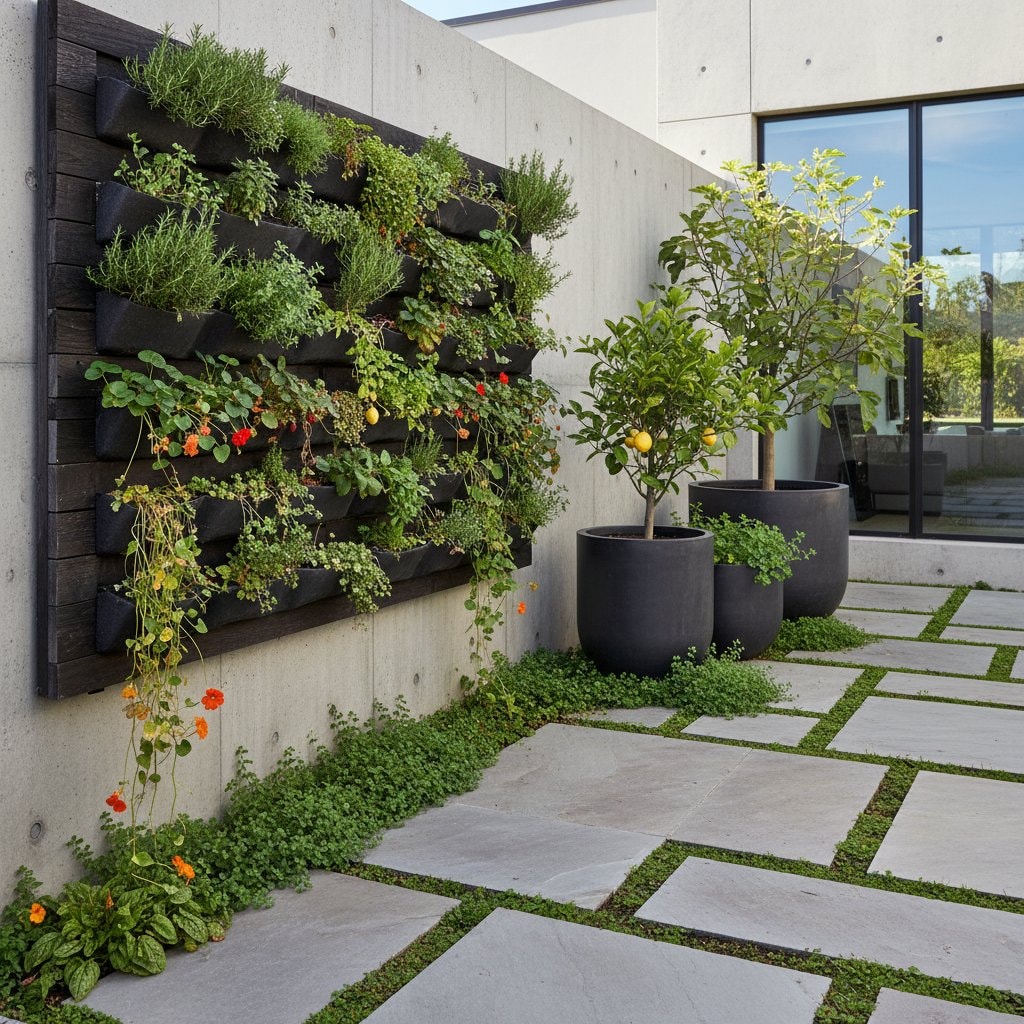
Edible hardscapes serve multiple purposes beyond mere decoration. They conserve precious soil space, allowing lawns or pathways to remain intact. Plants tucked into crevices or gaps add vertical dimension and soften rigid surfaces, creating a more inviting outdoor environment.
Proximity to living areas proves advantageous. Harvesting occurs steps from the kitchen, reducing effort and encouraging frequent use of homegrown ingredients. These plantings also attract pollinators, supporting broader garden health without dominating the layout.
Environmentally, this approach promotes sustainability. Limited soil volumes mean less water and fertilizer usage compared to expansive beds. The contained design minimizes erosion and runoff, making it ideal for sloped or paved terrains.
Assessing Costs and Time Investment
Initial expenses for edible wall and paver gardens remain modest, especially for modest-scale projects. Soil amendments, such as a well-draining mix suited for pockets, cost approximately twenty to fifty dollars for small quantities. Select plants like thyme or strawberries range from five to fifteen dollars each, depending on size and variety.
Tools add to the budget but often serve multiple garden tasks. A trowel and gloves suffice for basic planting, while a drip irrigation kit varies in price by coverage area, typically starting at thirty dollars for compact systems. These components ensure efficient watering without daily manual intervention.
For existing structures, the primary outlay involves time and materials like soil. Constructing new walls or patios with built-in planting zones may raise labor costs by ten to twenty percent, yet this foresight prevents retrofitting challenges. Overall, the setup proves economical for those seeking high returns on minimal investment.
Time commitments align with busy schedules. Establishing plantings in wall pockets or paver gaps requires two to four hours for a starter area of ten square feet. Weekly maintenance, including watering and pruning, demands fifteen to twenty minutes during peak growing seasons.
Seasonal tasks remain straightforward. Apply a balanced fertilizer once in spring and again in midsummer to sustain vigor. Compared to traditional beds, these installations demand less weeding due to confined root zones, which naturally limit weed establishment. This efficiency appeals to homeowners desiring fresh yields with reduced upkeep.
Selecting Plants for Your Edible Hardscape
Choose plants based on site conditions to ensure success. Full-sun locations suit heat-tolerant options like oregano, rosemary, and alpine strawberries, which thrive in warm, dry pockets. These perennials offer aromatic leaves and small fruits, enhancing both flavor and form.
Shade-tolerant selections include mint varieties, parsley, and creeping thyme, which tolerate partial light and moist soil. For fruiting elements, lowbush blueberries or trailing raspberries work well in wider paver gaps, providing seasonal berries with minimal spread.
Groundcovers such as nasturtium or violas add edible flowers and foliage while filling spaces effectively. Consider mature size to avoid overcrowding; compact cultivars prevent roots from destabilizing structures. Native or regionally adapted plants resist pests better and require less amendment.
Soil quality influences choices. Use a mix of potting soil, sand, and compost for drainage in wall crevices. Test pH levels, aiming for slightly acidic to neutral ranges that favor most edibles. Rotate selections annually to maintain soil nutrients and prevent disease buildup.
Step-by-Step Installation Guide
Begin by evaluating your hardscape. Identify stable crevices in walls at least six inches deep, or gaps between pavers wider than four inches. Clear debris and loosen any compacted material to prepare for soil addition.
-
Prepare the pockets: Fill selected areas with a three-to-six-inch layer of amended soil. Moisten lightly to settle it without compaction.
-
Select and plant: Position root balls carefully, ensuring crowns sit level with the surface. Space plants four to eight inches apart, depending on growth habits.
-
Install support systems: For vining fruits like strawberries, add small trellises or wires along walls. Connect drip lines to nearby water sources for consistent moisture.
-
Mulch the surface: Apply a thin layer of gravel or organic mulch to retain moisture and suppress weeds. This step enhances appearance and protects roots from temperature fluctuations.
Monitor establishment for the first two weeks, providing supplemental water as needed. Adjust placements if plants show stress from exposure or drainage issues. This methodical process yields a cohesive design from the outset.
Maintenance for Long-Term Success
Regular care sustains productivity and aesthetics. Water deeply but infrequently, allowing topsoil to dry between sessions to prevent root rot. In hot climates, aim for one inch of moisture weekly, delivered via drip systems for precision.
Prune selectively to encourage bushiness and harvest. Remove spent flowers from herbs to promote leaf growth, and thin fruits on berry plants for larger yields. Inspect for pests monthly, using hand removal or neem oil sprays for organic control.
Winter preparation varies by region. In cold zones, insulate wall pockets with burlap or remove tender plants. Mulch heavily around pavers to protect roots from freezes. Spring renewal involves refreshing soil and dividing overgrown clumps.
These routines integrate easily into routine yard work. Track plant performance in a journal to refine selections over time. Consistent attention transforms initial efforts into a reliable source of garden bounty.
Expanding and Enjoying Your Edible Features
Start modestly to build confidence, perhaps with a single wall section or patio border. Observe how plants interact with the space, then scale up to include diverse edibles. This iterative approach reveals optimal combinations for your unique yard.
The rewards extend beyond harvests. Fragrant herbs release scents during evening strolls, while colorful fruits draw family outdoors. These elements foster a deeper connection to the landscape, turning utilitarian surfaces into living assets.
With thoughtful design and ongoing care, walls and pavers evolve into integral parts of a productive garden. They deliver convenience, beauty, and sustenance, proving that innovation in small spaces yields abundant results.