Why Living Stone Walls Enhance Outdoor Spaces
A hand-built stone wall offers a profound sense of connection to the earth. The tactile roughness of the stones, the earthy aroma in the crevices, and the gradual emergence of moss evoke peaceful outdoor moments. Living stone walls elevate this experience by incorporating plants into the structure, creating features that evolve with the seasons and respond to careful tending.
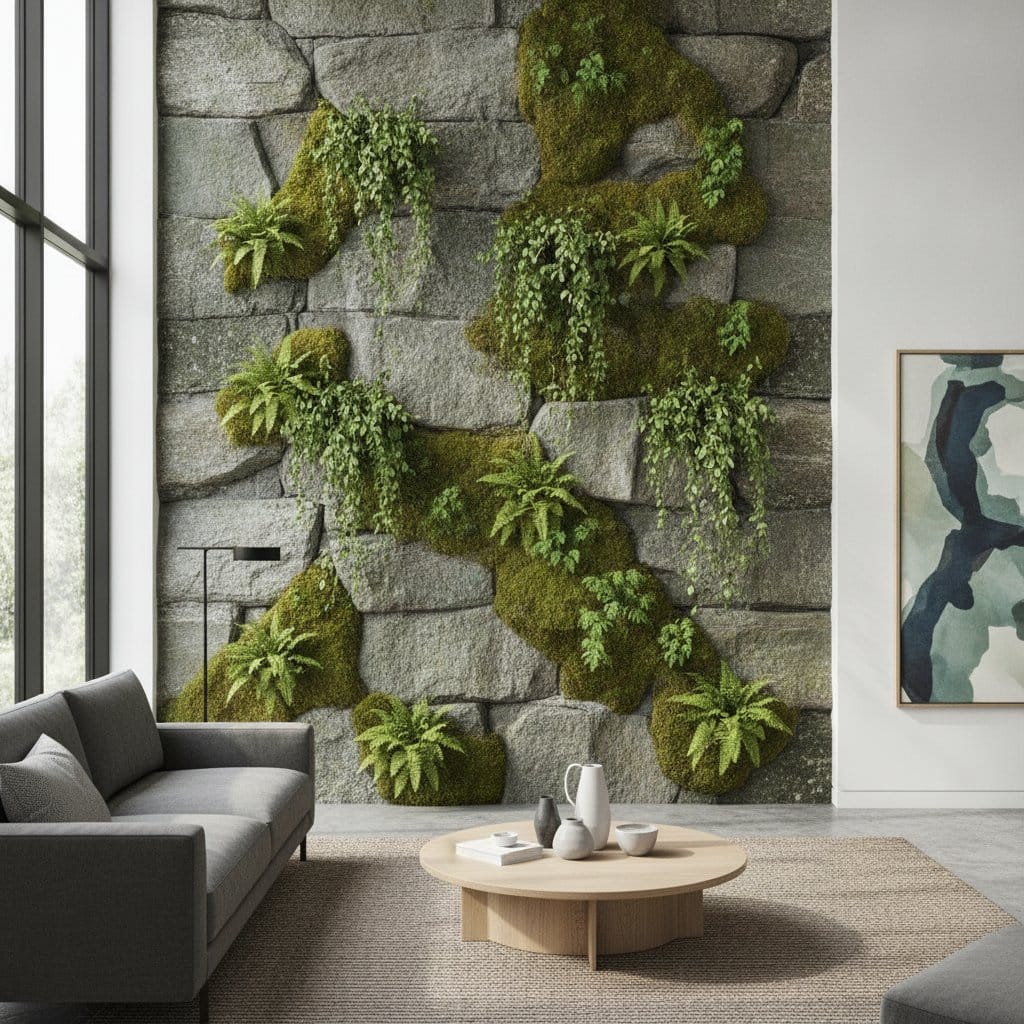
These walls extend beyond simple rock stacking. They merge classic stonework with integrated planting, using soil pockets or natural fissures to nurture vegetation. The outcome is a feature that feels both enduring and alive, seamlessly linking built elements with the surrounding environment.
The Unique Appeal of Living Stone Walls
Homeowners often select living stone walls to temper the severity of plain stone or brick. Hardscaped areas can appear complete yet unyielding, but these walls introduce fluidity, hues, and scents. They infuse vitality into patios, courtyards, and pathways.
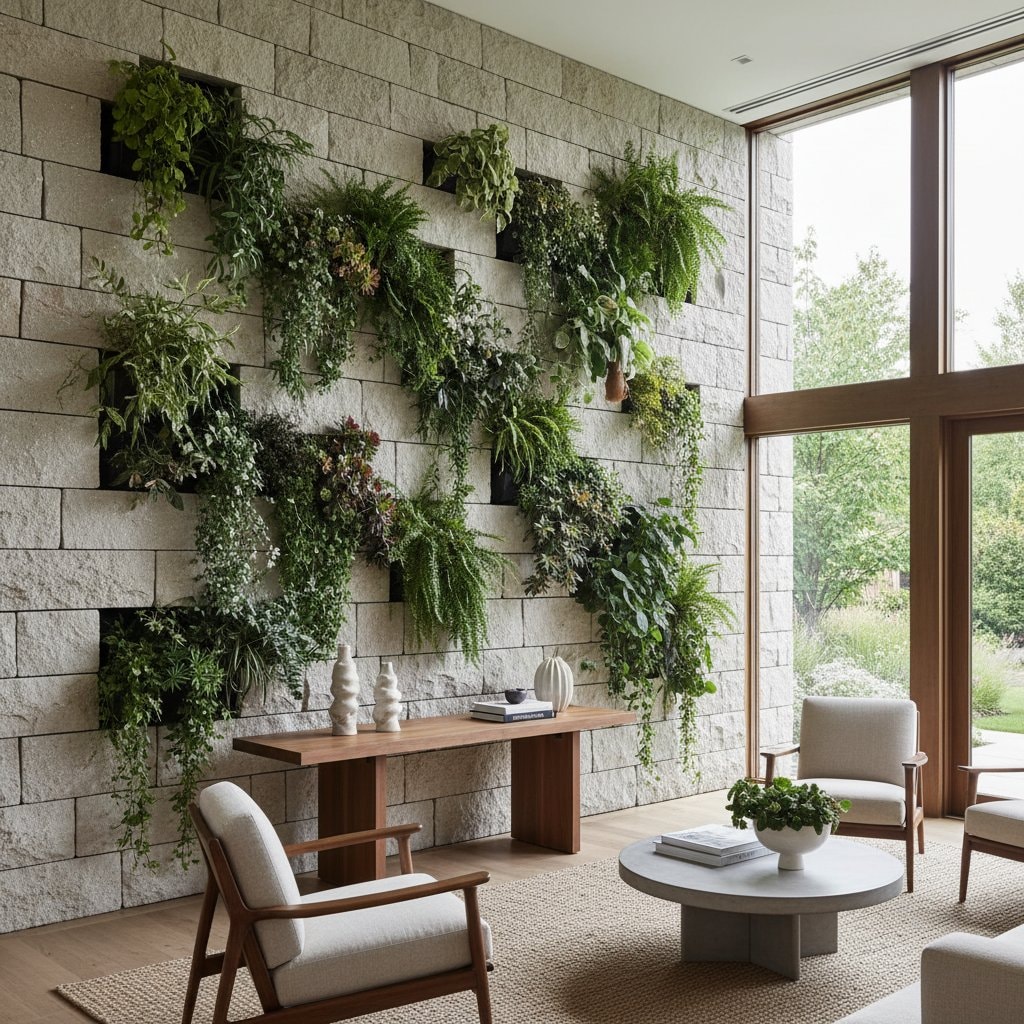
Transform a basic retaining wall into a vertical garden by embedding ferns, sedums, or compact bloomers. Such designs also create niches for pollinators and insects, drawing birds and maintaining ecological harmony. Observe the sunlight filtering through foliage in the evening or the morning dew sparkling on leaves for subtle, captivating effects.
Stone provides enduring elegance, and vegetation personalizes it further. As plants expand and adapt, each wall gains distinct traits, even from comparable materials. This uniqueness imparts genuine character to gardens, surpassing the uniformity of manufactured alternatives.
Embracing Biophilic Design Principles
Living stone walls align seamlessly with biophilic design, which seeks to reconnect individuals with nature via constructed environments. Integrating live elements into residences and gardens cultivates tranquility and intrigue in everyday settings.
Biophilic approaches favor organic materials like stone, wood, and water, while prioritizing living components. A living wall fulfills this by captivating attention, inviting interaction, and uniting form with flora. In compact urban plots, one planted wall can offer respite from urban din and disarray.
Studies indicate that proximity to vegetation lowers stress levels and sharpens concentration. Ample land proves unnecessary for these gains. A simple wall adorned with creeping thyme or indigenous moss delivers comparable calm. Success depends on the emotional response evoked, rather than size or cost.
Constructing with Purpose
Erecting a living stone wall demands patience and material awareness. Start by evaluating stone interlocking for stability and aesthetics. Each piece possesses form and history; discovering its position adds enjoyment to the task.
Dry-stacked walls, dependent on gravity and precise arrangement without mortar, suit living integrations ideally. Interstices form inherent soil reservoirs. Water drains freely, and roots establish firmly.
For structured appearances, mortared walls accommodate plants through intentional voids or extractable stones filled with soil post-construction. Prioritize drainage and light access for selected species.
Reflect on the desired ambiance before proceeding. Opt for uneven stones and untamed flora for rustic charm, or uniform stacking with sequenced bloomers for precision. Each style conveys distinct sentiments while achieving beauty.
Selecting Suitable Plants
Choosing plants resembles assembling compatible traits. Seek varieties that endure local conditions and maintain visual equilibrium across seasons.
Consider these options for varied impacts:
- Texture and foliage focus: Creeping thyme, Irish moss, sedum, and ferns soften stone surfaces.
- Color and bloom emphasis: Alpine varieties, campanula, or dwarf dianthus provide periodic vibrancy.
- Scented selections: Oregano, thyme, and lavender emit aromas upon contact.
- Shade-tolerant choices: Ajuga or miniature hostas suit north-oriented walls.
Introduce species gradually and monitor establishment. Microclimates vary; some niches hold dampness, others desiccate rapidly. These observations reveal the wall's inherent patterns.
To plant, prepare soil pockets with a 50-50 mix of compost and sand for drainage. Insert roots gently, firming soil around them, and water thoroughly to settle. Mulch lightly with gravel to retain moisture and suppress weeds.
Managing Water and Light
Water and sunlight dictate a living wall's vitality. Vertical orientations desiccate swiftly compared to horizontal beds. Employ a drip irrigation system or soaker hose at the crest for consistent hydration, or hand-water smaller installations with a fine mist.
Assess orientation to guide selections. South exposures benefit drought-resistant succulents; shaded areas favor mosses and ferns. Attuning to these factors ensures sustained development.
View the wall as both artwork and habitat. Stones retain daytime warmth and dispense it nocturnally, forging microclimates that affect growth. This thermal interplay sustains the feature dynamically.
Aligning Design with Environment
Tailor the wall to the garden's essence. In pastoral settings with flowing meadows, irregular, plant-draped walls harmonize naturally. Contemporary courtyards pair well with precise stacks and geometric greenery, mirroring architectural lines.
Juxtaposition yields impact. A polished terrace adjacent to a textured living wall balances polish with wildness. Achieve unity by echoing stones or flora hues in nearby features, such as path borders.
Evaluate proportions during planning. Excessive height may overwhelm; low profiles guide gazes gently. Placement, scale, and stature influence overall perception.
Enduring Advantages
Living stone walls offer understated gains that build steadily. They regulate climate by capturing solar heat daytime and emitting it gradually overnight. Acoustic softening occurs as they diffuse echoes. Pollinator attraction bolsters garden health.
These features promote attentiveness. Plant care involves deliberate pacing, detail scrutiny, and precise handling. This routine deepens spatial bonds. Owners often discover that nurturing rituals vitalize the garden beyond mere visuals.
Beginning Modestly
Approach full-scale construction incrementally if daunting. Initiate with a brief retaining segment or alcove bench. This method reveals material responses to elements and plant adaptations yearly.
Expansion follows naturally with gained insight. Subsequent phases simplify as familiarity with stone assembly and flora resilience grows. Witnessing initial sprouting in fissures rewards persistence.
Gather tools like a level, tamper, and trowel beforehand. Source local stone for authenticity and select plants from nearby nurseries to match regional climates.
Sustaining Through Maintenance
Living walls require occasional oversight rather than daily effort. Trim overgrown sections to avert overcrowding. Inspect seasonally for displaced stones or soil loss to preserve integrity.
Fertilize sparingly; stone-adapted plants thrive in nutrient-poor substrates. Excess nutrients spur leggy growth obscuring masonry. Emphasize equilibrium between stone and vegetation.
In spring, clear winter debris and refresh soil in pockets. During dry spells, monitor moisture and adjust watering. Annual weeding prevents competition.
Evolving with Your Creation
Over time, the wall transforms. Certain plants proliferate, others recede to allow renewal. Embrace this progression as inherent allure.
Periods of abundance alternate with dormant phases. Each state holds appeal. Attuned observation highlights influences of illumination, climate, and hydration on its character.
A thoughtfully constructed living stone wall integrates as a garden ally. It embodies the dedication invested in any nurtured entity. Positioned by patios, along trails, or encircling rests, it illustrates the synergy of nature and design.