Edible Hedges on the Rise: Cultivate Food Along Your Property Lines
Many homeowners gaze at their yard edges and sense untapped potential. A plain fence or basic hedge provides privacy yet lacks vitality. Edible hedges address this by converting boundaries into productive features that yield food, attract wildlife, and infuse the landscape with purpose and energy.
Reframing Your Borders
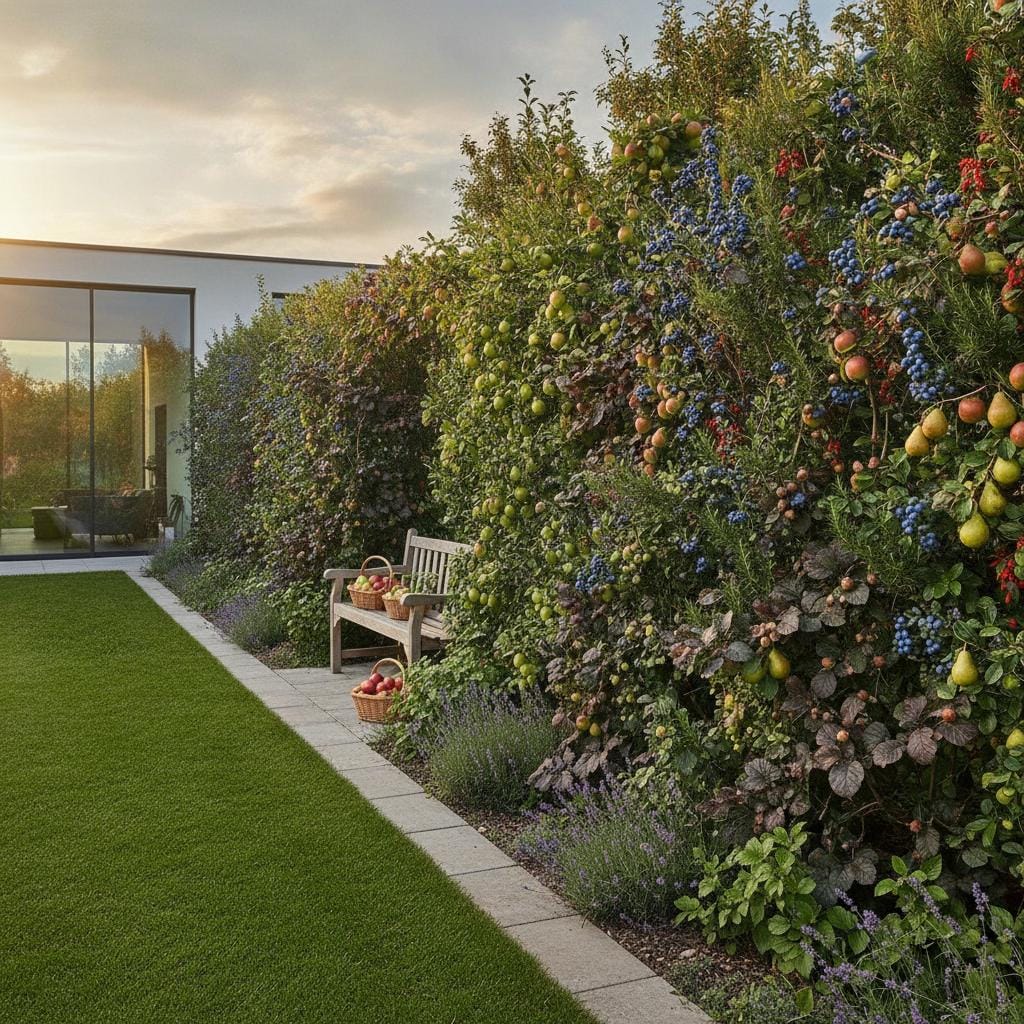
An edible hedge consists of plants selected for both structure and productivity. These boundaries incorporate berry-producing shrubs, compact fruit trees, or robust herbs that form dense screens while generating harvests. Such hedges adapt to diverse garden aesthetics, from formal layouts to informal, naturalistic designs.
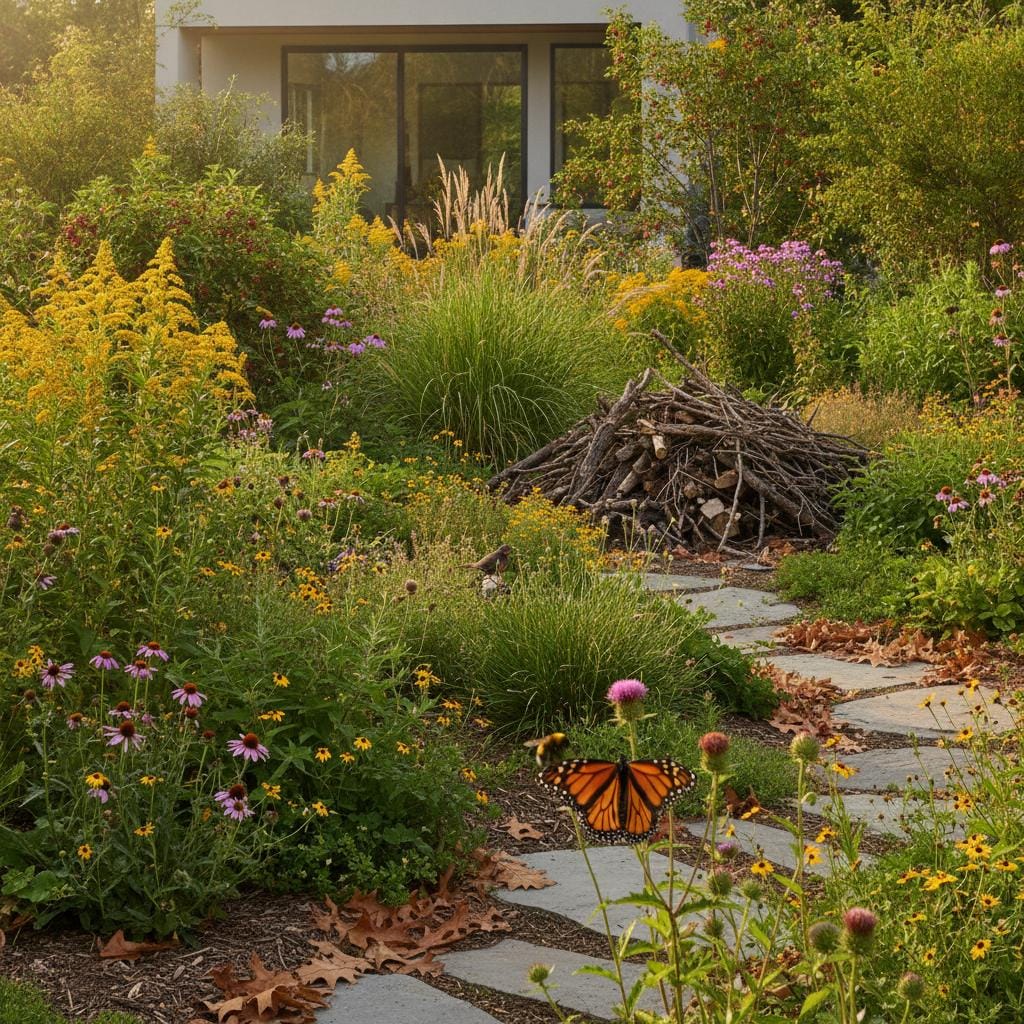
The appeal lies in their multifaceted benefits. Edible hedges perform essential roles like wind protection, space definition, and fence enhancement, while also supporting biodiversity. They draw in pollinators, provide bird forage, and supply homeowners with accessible fruits, nuts, or herbs. Picture strolling your property line to gather ripe raspberries or snip fresh rosemary for a meal.
Step One: Evaluate Your Site Conditions
Begin by examining your border areas thoroughly. Observe sunlight patterns over a full day, test soil moisture levels after rain or dry spells, and determine the desired hedge height and density.
Consider these key factors:
- Sunlight Exposure: Identify if the area receives full sun for six or more hours daily, partial shade for four to six hours, or deep shade. Fruit-bearing plants generally require at least six hours of direct sun, though certain berries and herbs manage with four hours.
- Soil Characteristics: Assess texture, such as clay-heavy retention or sandy drainage. Incorporate compost to enhance drainage in clay soils and nutrient retention in sandy ones; aim for a pH range of 6.0 to 7.0 for most edibles, adjusting with lime or sulfur as needed.
- Functional Goals: Specify needs like screening for privacy, acting as a wind barrier, or serving as an ornamental edible feature. This clarity guides plant selection for optimal performance.
A detailed site assessment ensures long-term success. It minimizes planting errors and positions plants for robust establishment in their environment.
Step Two: Select Your Plant Varieties
Plant selection for an edible hedge resembles assembling a balanced garden composition, blending form, function, and seasonal interest. Opt for combinations that offer varied textures, colors, and harvest times to maintain productivity across months.
Recommended options include:
- Berry Producers: Raspberries (Rubus idaeus) for summer yields, blueberries (Vaccinium corymbosum) in acidic conditions, blackberries (Rubus fruticosus) for vigorous growth, and currants (Ribes spp.) for compact forms.
- Fruiting Trees and Shrubs: Dwarf apple varieties like 'Honeycrisp' on M27 rootstock, serviceberry (Amelanchier alnifolia) for early berries and fall color, and bush cherries (Prunus cerasus) for tart fruits.
- Herbs and Aromatics: Rosemary (Rosmarinus officinalis) for evergreen structure, lavender (Lavandula angustifolia) for pollinator appeal, and sage (Salvia officinalis) for culinary versatility.
- Nut and Unique Producers: Hazelnut (Corylus avellana) for tall screens and autumn nuts, elderberry (Sambucus nigra) for berries in moist spots.
Incorporate layering for dimension: position taller elements like nut shrubs at the rear, medium-height fruit bushes in the middle, and ground-level herbs upfront. This arrangement enhances visual depth and creates habitats for diverse species, from soil-dwelling insects to canopy-nesting birds.
Step Three: Site Preparation and Planting
Prepare the ground meticulously before introducing plants. Clear existing weeds, rocks, and debris, then till or loosen soil to a depth of 12 to 18 inches for root penetration.
Amend with organic materials such as well-rotted compost or aged manure at a rate of two to three inches per square foot. This boosts soil fertility, improves aeration, and supports microbial activity essential for plant health.
Space plantings according to mature dimensions: allow 3 to 4 feet between berry shrubs, 6 to 8 feet for dwarf trees, and 18 to 24 inches for herbs. Adequate spacing promotes airflow and reduces pest risks. After planting, water thoroughly to a depth of 6 inches, ensuring roots make contact with moist soil.
Apply a 2- to 3-inch layer of organic mulch, such as shredded bark or straw, around bases while leaving a 2-inch clearance to avoid stem rot. Mulch conserves water, suppresses weeds, and regulates soil temperature.
Step Four: Ongoing Maintenance and Pruning
Sustain your edible hedge through consistent care, akin to tending a dedicated crop area. Focus on hydration, shaping, and nutrition to maximize yields and appearance.
- Irrigation Practices: Provide deep watering weekly during the first year, aiming for 1 inch of water per session. Install drip lines or soaker hoses for efficient delivery, especially in sandy soils.
- Pruning Techniques: Prune in late winter or early spring before bud break; remove one-third of older canes on berries to stimulate new growth, and thin fruit trees to open the canopy. Eliminate dead, damaged, or rubbing branches annually to enhance vigor.
- Fertilization Methods: Apply a balanced organic fertilizer, such as 10-10-10, at planting and again in spring; side-dress with compost mid-season for steady nutrient release.
Tailor pruning to your vision: formal clipping every 6 to 8 weeks maintains geometric shapes, while selective thinning preserves a wilder profile that benefits pollinators. Both approaches yield functional, attractive results.
Step Five: Harvesting and Seasonal Rewards
As the hedge establishes, it integrates into your landscape as a dynamic element. Spring features floral displays alive with pollinators. Summer delivers ripe produce for picking. Fall offers vibrant foliage, and winter provides structural interest through bare branches.
Harvest fruits at peak ripeness, typically when fully colored and yielding to gentle pressure. Snip herbs in the morning for optimal flavor, promoting bushier growth through frequent cuts. Preserve surpluses by freezing berries or drying herbs, or distribute to community members.
This routine fosters a sense of continuity, turning the hedge into a reliable garden asset.
Harmonizing Aesthetics and Utility
Edible hedges achieve an elegant fusion of form and purpose in any landscape. They delineate areas with softness and warmth, sustaining both inhabitants and visitors with minimal upkeep.
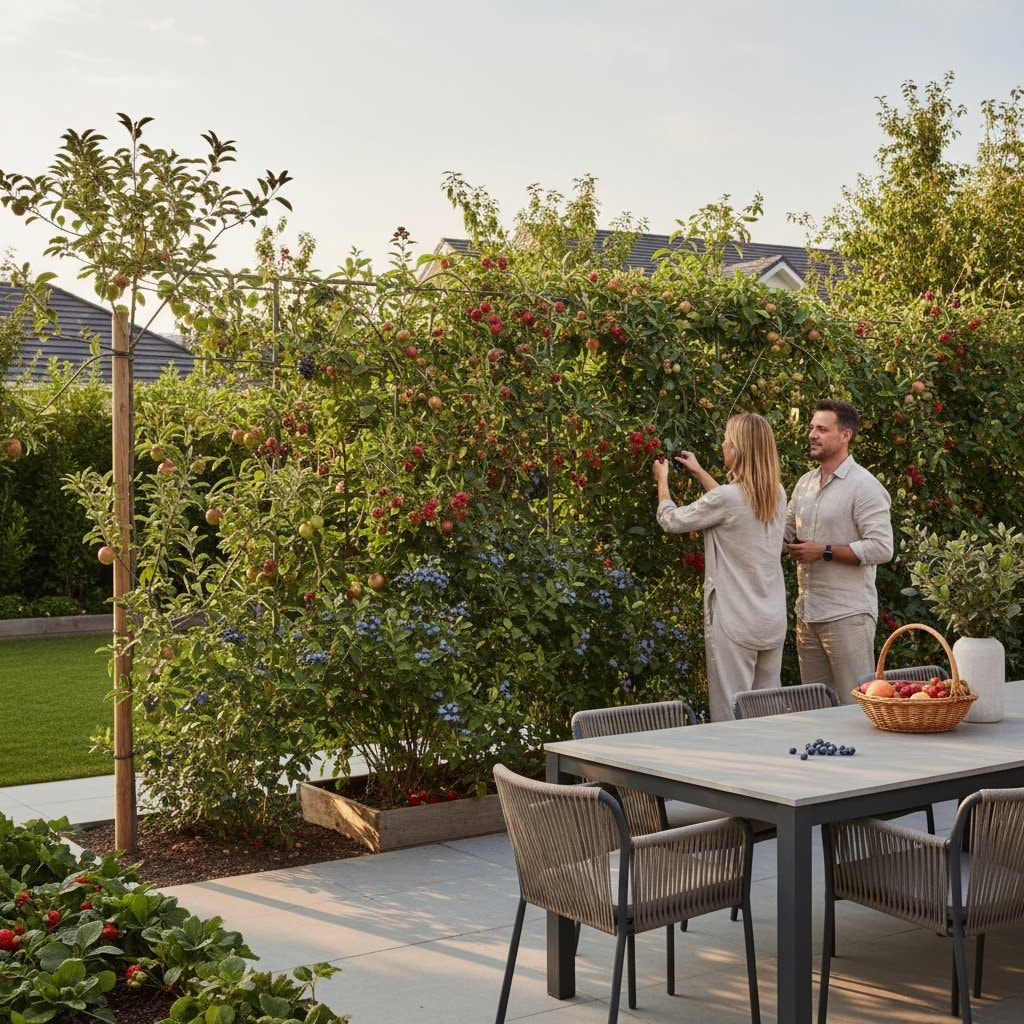
Small spaces suit well: a 3-foot-wide strip accommodates a single row of currants or espaliered dwarf pears. Alternate species or group in drifts to maximize impact without overwhelming the site. The result aligns seamlessly with your garden's overall character.
Sustaining Abundance Year After Year
An established edible hedge stands as a cornerstone of yard vitality. It demands routine seasonal tasks, yet yields escalate over time with each cycle of renewal.
Spring ushers in fresh shoots, summer ripens fruits amid birdsong, and autumn scatters colorful leaves. Maintenance acts, from pruning to mulching, fortify the system against stresses. Ultimately, these borders evolve into generous contributors, embodying how intentional edges cultivate enduring garden prosperity.