Edible Hedges: Fruiting Privacy Screens Taking Over
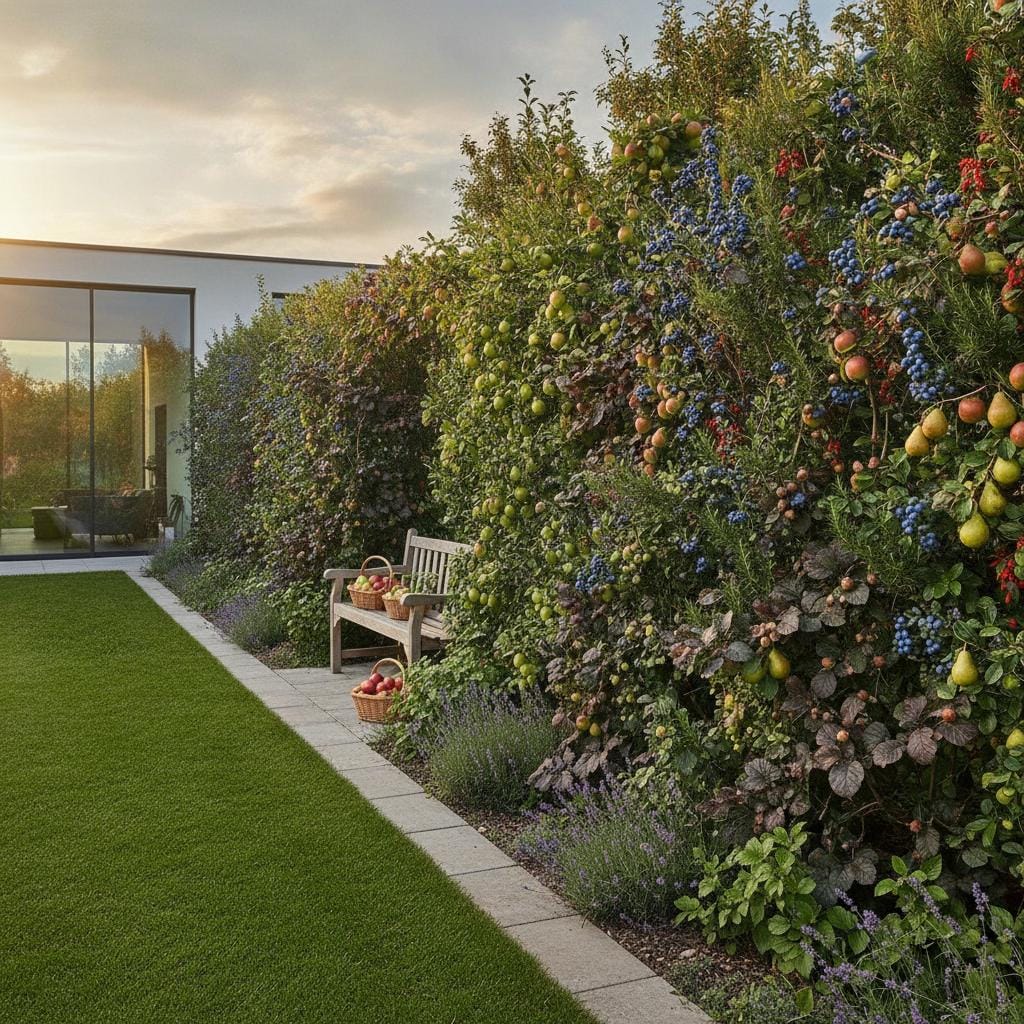
Consider the potential of your yard to serve multiple purposes at once. A plain fence or aging shrubs often fail to inspire, leaving spaces that feel exposed or uninspired. Edible hedges address these shortcomings by providing seclusion, visual appeal, and a steady supply of fresh produce. These living barriers integrate seamlessly into any landscape, whether in a large backyard or a compact urban plot.
An edible hedge functions as a boundary that yields edible elements such as fruits, berries, or herbs. It delineates property lines, borders pathways, or enhances views from indoor spaces. Beyond privacy, these hedges deliver tangible benefits like homegrown food and natural fragrance. Gardeners appreciate how such plantings transform utilitarian edges into productive, vibrant features.
Assessing Your Space and Needs
Start by evaluating your yard's conditions thoroughly. Observe sunlight patterns throughout the day, noting full sun areas versus partial shade spots. Identify zones requiring screening from neighbors or streets, along with preferences for shade or seasonal highlights. Test soil composition, checking for clay, sand, or loam, and assess drainage by observing water flow after rain.
Consider these key questions to refine your vision:
- Do you prefer evergreen foliage for constant coverage or deciduous plants for bursts of color and fruit?
- What height suits your privacy goals, such as three feet for a low border or ten feet for a tall screen?
- Where will the hedge reside, perhaps along an existing fence, encircling a seating area, or defining an open lawn boundary?
- How much maintenance time can you allocate to tasks like trimming and picking produce?
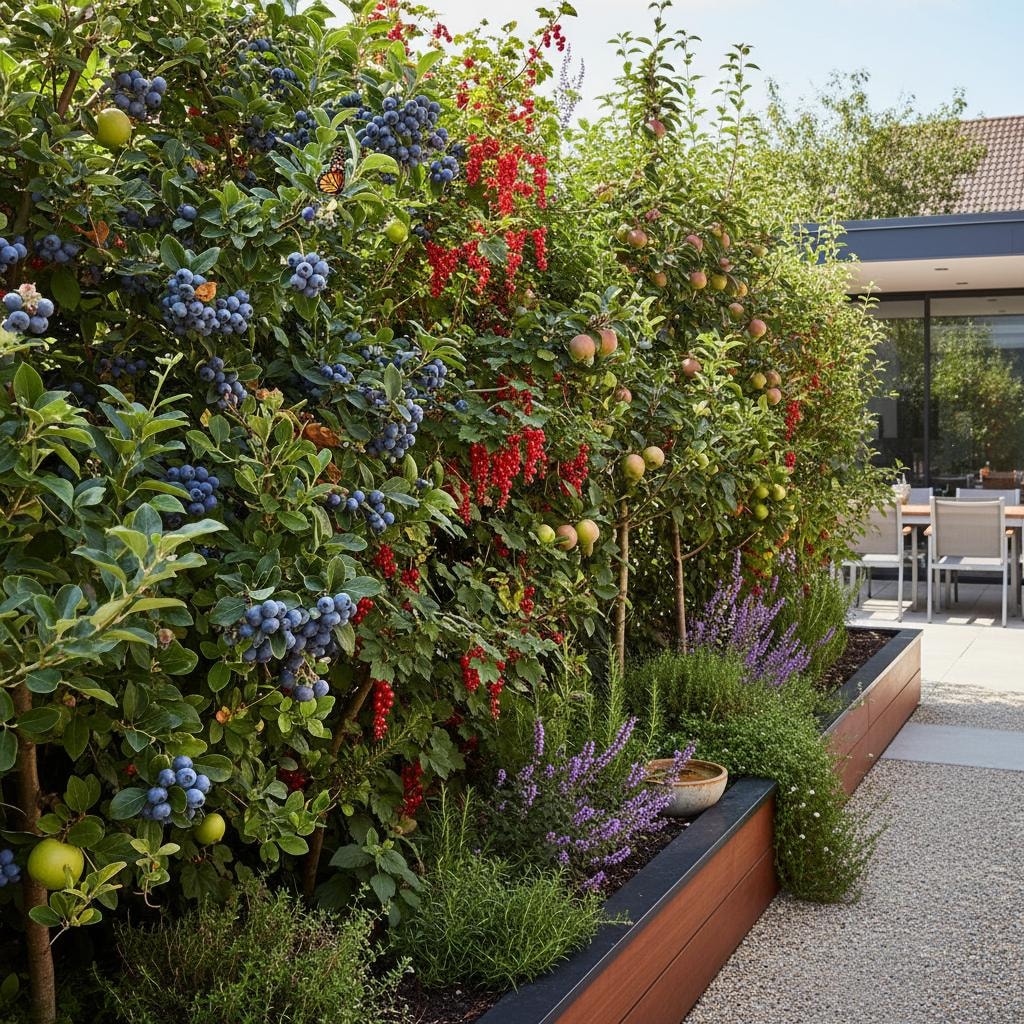
Responses to these queries guide plant selection. For instance, a compact row of dwarf blueberries suits a sunny patio edge, while a mix of apples and hazelnuts fits a broader rural setting. Aligning selections with site specifics promotes long-term success and satisfaction.
Planning the Layout
With plant choices in mind, map out the hedge's development. Draw a simple diagram of the site, indicating sun exposure, wind directions, and desired screening points. Account for each plant's eventual spread to avoid overlap; for example, space apple trees twelve feet apart to allow full canopy growth.
Spacing and Structure
Build the hedge in layers for optimal form and function.
- Establish a framework with tall elements like serviceberry trees or elderberries, positioned based on their adult dimensions, typically six to eight feet apart.
- Incorporate mid-level shrubs such as gooseberries or viburnum to add thickness and fill voids.
- Layer low-growing options like mint or alpine strawberries at the base to suppress weeds and add ground-level interest.
This tiered approach creates a dense, natural barrier that evolves gracefully over time.
Mixing Varieties
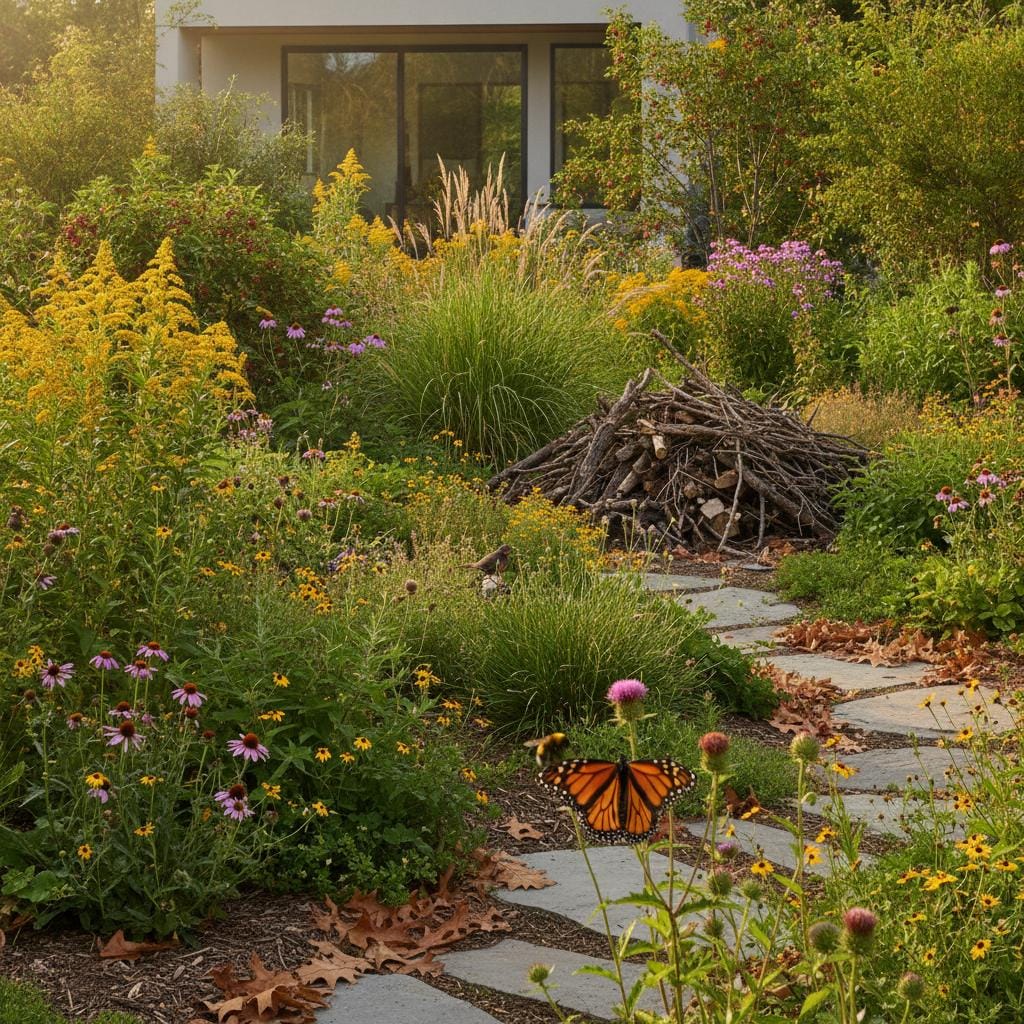
Diversify plant types within the hedge to enhance resilience and appeal. A monoculture risks uniform pest vulnerability, but a blend invites beneficial pollinators like bees and butterflies. It also extends harvest periods; early strawberries might precede mid-season raspberries and late-autumn persimmons.
Group compatible species in small clusters rather than strict alternation. Select plants with similar cultural needs, such as moisture and pH levels, to simplify care. This strategy not only mitigates disease but also crafts a visually dynamic screen with varied textures and colors.
Soil Preparation
Prepare the ground meticulously to support vigorous establishment. Clear the planting zone of perennial weeds and rocks, then till the soil to a depth of twelve inches for aeration. Incorporate two to three inches of compost or well-rotted manure to boost fertility and structure.
Ensure proper drainage by creating slight mounds in wet areas or amending heavy soils with sand or grit. Perform a simple pH test; most fruiting hedges thrive in slightly acidic to neutral conditions between 6.0 and 7.0. These steps lay the groundwork for robust root systems and abundant yields.
Pruning for Structure and Productivity
Regular pruning sustains the hedge's health and output. This practice removes excess growth, directs energy toward fruit production, and maintains an orderly appearance. Approach it systematically to avoid common errors like over-thinning.
When and How to Prune
Address immediate issues by cutting away dead, diseased, or crossing branches at any time. In late winter or early spring, thin dense sections to promote airflow and sunlight access, reducing fungal risks. Post-harvest, in summer or fall, shorten spent stems on plants like blackberries to stimulate fresh shoots.
Berry producers demand tailored techniques. Raspberries fruit on second-year canes, so remove older ones after picking; currants bear on spurs from older wood, requiring light renewal cuts every few years. Consult growth habits for each variety to preserve potential crops.
Maintaining Shape
Shape the hedge annually, ideally in dormant seasons, to foster balanced development. Taper the upper portions narrower than the base, allowing light to penetrate lower branches and prevent legginess. Use clean, sharp shears for precise cuts, stepping back frequently to assess symmetry.
For formal styles, trim lightly multiple times per year; informal designs benefit from selective pruning that mimics natural form. Consistent effort yields a hedge that remains dense from top to bottom, enhancing both privacy and productivity.
Keeping the Hedge Healthy
Sustained vitality requires ongoing vigilance and support. Treat the hedge as an ecosystem, nurturing soil life and plant defenses to minimize interventions.
Feeding the Soil
Apply a two-inch layer of compost around the base each spring, keeping it away from stems to deter rot. This organic input replenishes essential nutrients like nitrogen and potassium without the risks of synthetic fertilizers. Over time, it builds humus, improving water retention and microbial activity.
Supplement with a balanced, slow-release fertilizer if growth lags, applying half the recommended rate to avoid excess. Test soil annually to adjust amendments, ensuring optimal conditions for fruit development.
Watering Wisely
Establish deep roots through infrequent, thorough soakings rather than shallow daily wets. Aim for one inch of water weekly during the first growing season, using a rain gauge to measure. Mulch with wood chips or straw to conserve moisture and regulate soil temperature.
In established hedges, water during prolonged dry periods, focusing on the drip line where roots extend. Morning applications reduce evaporation and fungal issues, promoting efficient uptake.
Monitoring Pests and Diseases
Conduct weekly inspections, examining undersides of leaves and new growth for signs of trouble. Aphids appear as sticky clusters; treat with a strong water spray or introduce predatory insects. Powdery mildew shows as white coatings; improve spacing and avoid overhead watering to control it.
Foster allies like birds and beneficial bugs by avoiding broad-spectrum pesticides. Hand-pick larger pests such as Japanese beetles into soapy water. Early detection keeps issues manageable, preserving the hedge's productivity.
Harvesting and Evolving with Your Hedge
As the hedge matures, integrate harvesting into your routine for maximum enjoyment. Pick fruits at peak ripeness, such as when blueberries develop a full blue hue or apples reach firm sweetness. This not only supplies fresh eats but also encourages further production.
Observe seasonal shifts: spring flowers draw pollinators, summer brings berries, and fall offers nuts or late fruits. Adjust care based on performance, perhaps propagating successful plants to expand the hedge. Over years, this living feature deepens your connection to the garden, blending utility with natural beauty.