Why Front Yards Will Emerge as Edible Farms by 2026
Front yards undergo a significant evolution. Homeowners replace expansive lawns, which demand frequent mowing and irrigation, with gardens that produce fruits, herbs, and vegetables. This change surpasses temporary fads; it embodies a broader commitment to accessing fresh produce, minimizing upkeep, and embracing eco-conscious practices.
Urbanization and climate concerns accelerate this trend. As populations grow and resources become scarcer, individuals seek ways to integrate food production into daily environments. Edible front yards offer a practical solution that aligns with these realities, providing both visual charm and tangible rewards.
The Allure of Edible Landscaping
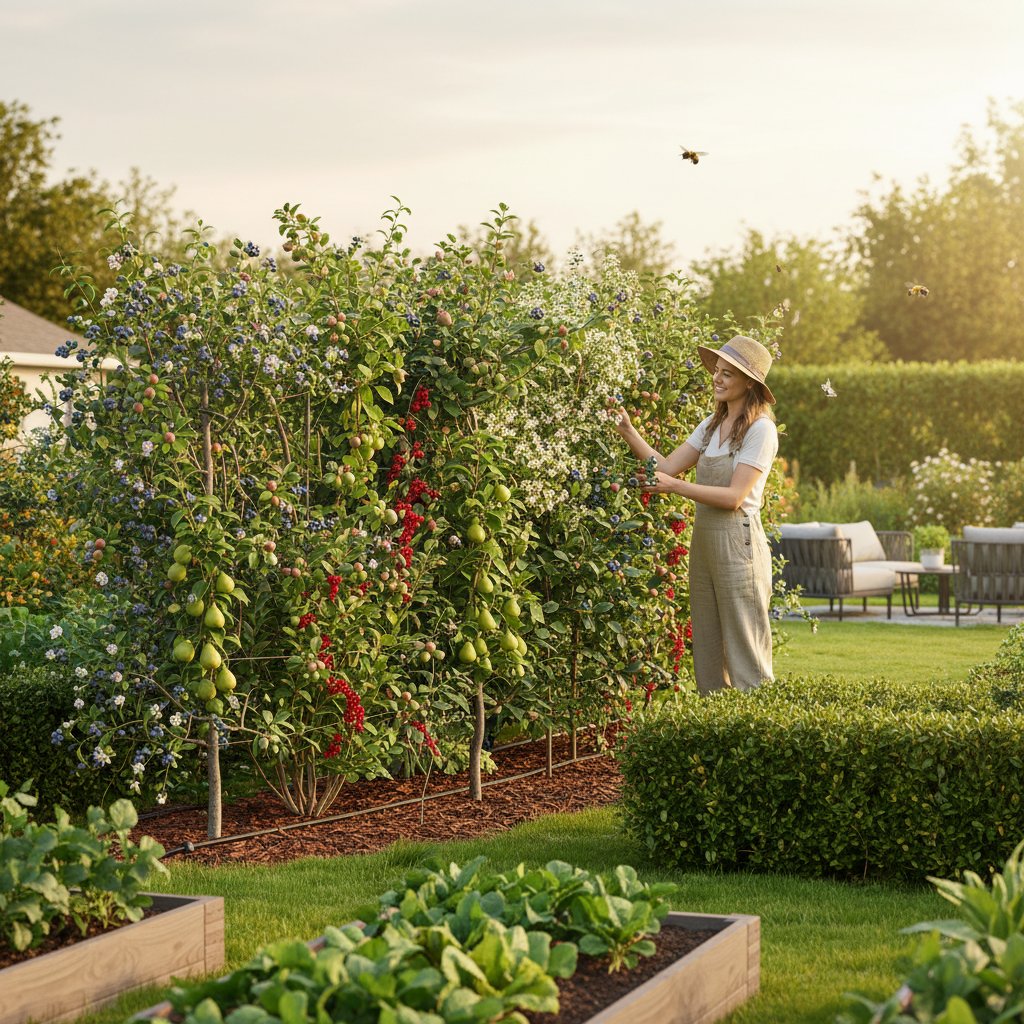
Edible landscaping merges ornamental beauty with agricultural utility. Gardeners cultivate produce while preserving an inviting exterior. For instance, replace decorative shrubs with blueberry varieties that yield summer berries, or line pathways with herb borders such as lavender and mint for fragrance and flavor.
This style suits diverse neighborhoods, where uniform lawns once prevailed. Residents now favor designs that contribute value over those requiring constant labor and resources. A thoughtfully planned edible yard maintains tidiness comparable to traditional landscapes, often surpassing them in seasonal interest through blooming edibles and colorful harvests.
To achieve balance, select plants with varied heights and textures. Dwarf fruit trees provide structure without overwhelming small spaces, while ground covers like strawberries prevent soil erosion and add evergreen appeal. Such integrations ensure the yard remains photogenic year-round.
Budget and Upkeep Considerations
Transforming a front yard into an edible garden accommodates various financial levels. A basic setup with raised beds and starter plants may cost between two hundred and five hundred dollars. More comprehensive projects, incorporating stone paths, automated drip systems, and diverse plantings, range from two thousand to five thousand dollars, depending on scale and professional involvement.
Upkeep differs from lawn care yet proves manageable with routine practices. Allocate time for initial planting and seasonal harvesting rather than weekly mowing. Apply organic mulch layers two to three inches thick to suppress weeds and retain moisture, reducing manual weeding by half.
Install efficient irrigation, such as soaker hoses connected to timers, to deliver water directly to roots and avoid evaporation losses. Mature perennials demand minimal intervention beyond annual pruning in late winter and soil testing every spring to adjust nutrients. Over time, these habits yield a low-effort garden that rewards with abundance.
Recommended Plants for Front Yard Productivity
Choose edible plants that harmonize with existing features for seamless incorporation. Consider these versatile options:
- Fruit trees: Select compact varieties like dwarf apple, pear, or fig trees, which offer shade and harvest in confined areas while mimicking ornamental specimens.
- Berry shrubs: Opt for blueberry or raspberry bushes to form natural hedges; their foliage turns vibrant red in autumn, enhancing visual dynamics.
- Perennial herbs: Plant rosemary, thyme, and sage for year-round greenery; these drought-tolerant choices thrive in sunny borders and require little care.
- Leafy vegetables: Introduce kale, Swiss chard, or lettuce for textured accents; succession planting ensures continuous greens from spring through fall.
- Edible flowers: Incorporate nasturtium or violas along edges; their peppery petals add color and attract pollinators without dominating the design.
Arrange plants in layers for optimal yield and aesthetics. Position taller trees at the back, mid-height shrubs in the middle, and low-growers near walkways. Companion planting, such as pairing basil with tomatoes, deters pests naturally and maximizes space efficiency.
Adapt selections to your USDA hardiness zone; for example, in temperate climates, include citrus undercarfts for mild winters. Start with disease-resistant cultivars from reputable nurseries to ensure long-term success.
Environmental Advantages
Edible landscapes bolster soil vitality, conserve water, and eliminate reliance on synthetic inputs. Native and adapted plants require up to seventy percent less irrigation than turf grass, as their root systems efficiently capture rainfall. Diverse plantings promote infiltration, preventing runoff and replenishing groundwater.
Homegrown food cuts carbon footprints by reducing transport emissions from commercial agriculture. Eliminate plastic packaging from store produce and redirect kitchen waste through on-site composting, which enriches soil with essential microbes.
These gardens foster biodiversity. Install birdhouses or shallow water features to welcome wildlife, creating a self-sustaining habitat. Beneficial insects, drawn by flowering herbs, control aphids and other pests, minimizing the need for interventions.
Fostering Community Through Edible Yards
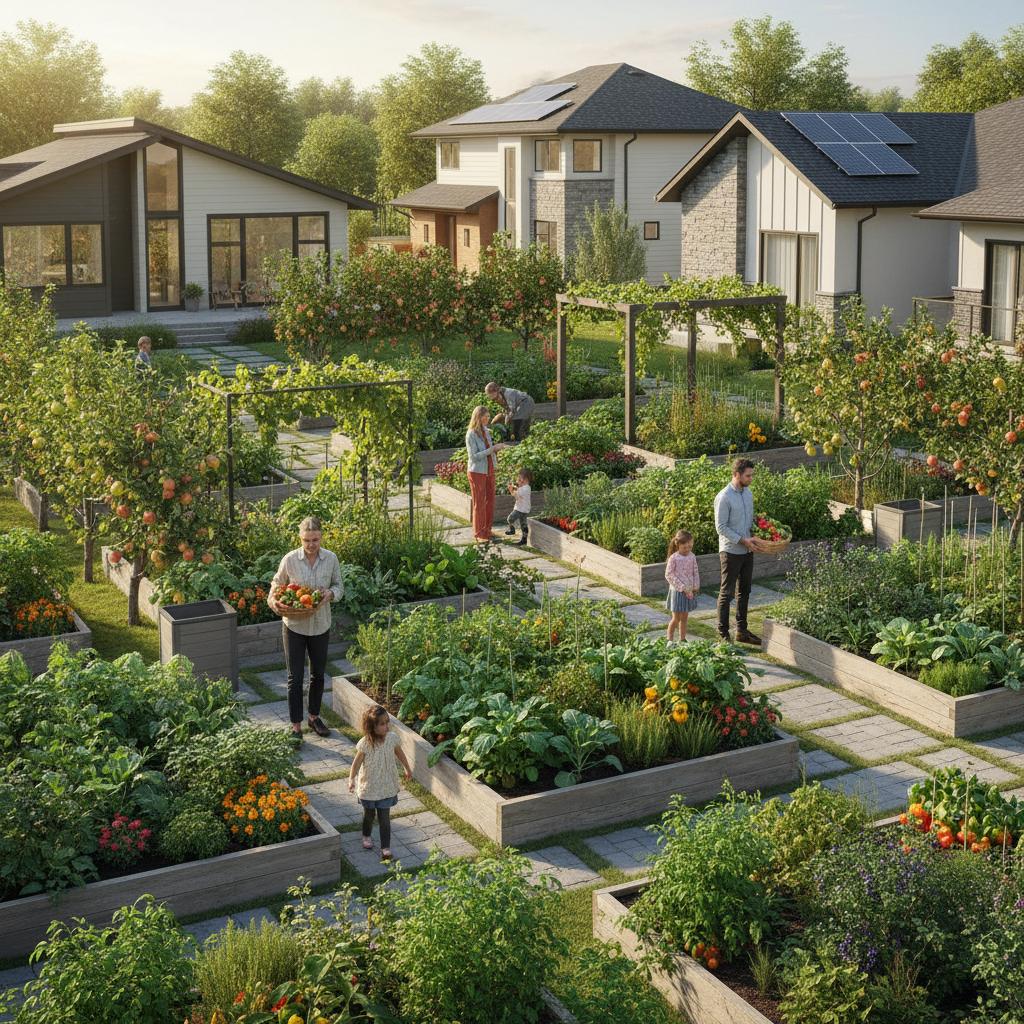
A single edible front yard often sparks neighborhood transformation. Residents exchange surplus crops, such as excess tomatoes for homemade jams, cultivating goodwill and resource sharing. Seed swaps evolve into regular events, where participants trade heirloom varieties and gardening knowledge.
Communities benefit from collective initiatives like garden tours, where homeowners showcase designs and offer tours. Establish informal produce stands at curbsides to distribute extras, turning individual efforts into shared abundance. Such interactions strengthen social bonds, contrasting the isolation of standard lawns.
Local governments increasingly support these practices through incentives, such as rebates for water-saving conversions. Engage with homeowner associations early to align designs with community guidelines, ensuring widespread adoption.
Steps to Create Your Edible Front Yard
Initiate the project with targeted planning. Assess sunlight patterns and soil pH using a simple kit; amend clay soils with compost for better drainage. Sketch a layout on graph paper, allocating zones for edibles based on family preferences and usage frequency.
Begin modestly by converting a ten-by-ten-foot section adjacent to the entrance. Install edging with recycled bricks to define beds, then sow quick-yield crops like radishes alongside perennials. Monitor growth for one season, noting successes and adjustments, before scaling to include espaliered fruits along fences.
Source plants from local suppliers to match regional conditions. Invest in quality tools, such as ergonomic pruners and a wheelbarrow, for efficient work. Track progress with a journal to refine techniques over years.
Realizing Lasting Rewards
An edible front yard delivers multifaceted benefits. It supplies nutritious food, lowers utility bills through reduced watering, and elevates property value with unique appeal. Conversations with passersby highlight its role as a conversation starter, weaving personal health into communal well-being.
Sustained effort transforms routine spaces into sources of pride and provision. Embrace this shift to cultivate not only plants, but also resilience and connection in an ever-changing world.