Edible Paths and Spirals: Harvest from Your Hardscape
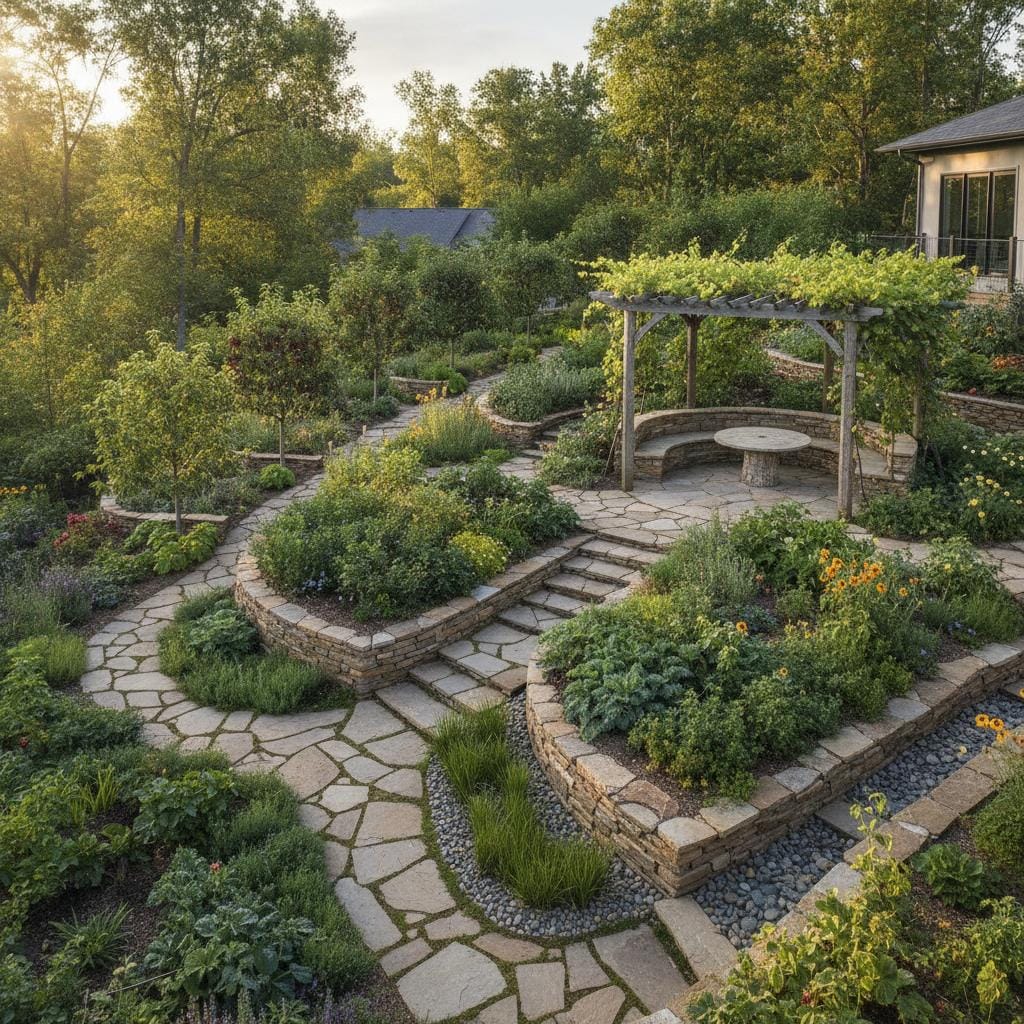
Garden paths guide movement through outdoor spaces, yet they hold untapped potential for productivity. Patios and stone walkways often occupy ground that could support useful plants. Thoughtful integration transforms these hardscape elements into sources of fresh produce, sensory appeal, and structural integrity.
This method enhances garden vitality without major disruptions. Each stone or border nurtures growth, aligning with permaculture principles where landscapes fulfill multiple roles. Paths facilitate access, offer resting spots, and yield harvests simultaneously.
The following steps outline how to redesign paths and spirals into functional, living features.
Designing an Edible Spiral
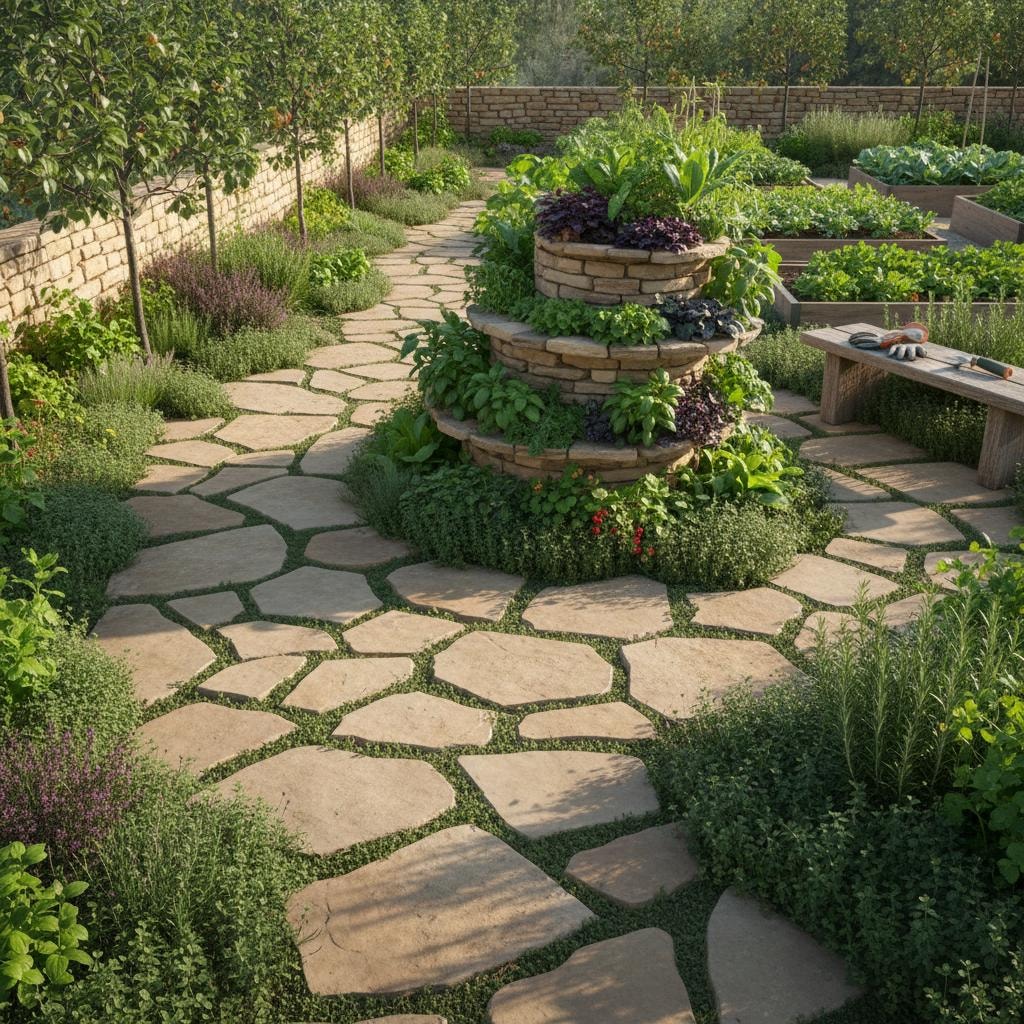
An herb spiral stands out for its elegance and efficiency. The curving form accommodates plants with diverse requirements for moisture and light within a compact area. Upper sections remain dry and exposed to full sun, while lower areas provide cooler, damper conditions.
This setup supports a range of herbs and compact vegetables in close proximity.
Building the Base
Select a site and outline a circle measuring five to six feet in diameter. Gather stones, bricks, or recycled materials for the perimeter. Arrange them in a ascending spiral, creating a central peak that rises one to two feet high. These elevation variations establish the microclimates essential to the design.
Filling the Spiral
Layer the interior with a blend of soil and compost for optimal retention and fertility. Ensure the mixture promotes drainage, particularly at higher levels. Incorporate sand or fine gravel into upper soils for drought-tolerant species that require well-aerated roots.
Choosing Your Plants
- Top level: Select rosemary, thyme, and sage, which favor arid, sunny exposures.
- Middle section: Opt for parsley, basil, and chives, which perform well in balanced moisture.
- Lower edge: Plant mint, cilantro, and lemon balm, which benefit from shaded, moist environments.
The spiral configuration simplifies access. Reach plants easily from the exterior path, preserving soil structure and reducing compaction.
Planning for Year-Round Flavor
Edible paths and spirals yield consistently across seasons through strategic plant selection. View the garden as an evolving resource that adapts to changing conditions. Diverse layers guarantee ongoing availability of fresh ingredients.
Seasonal Suggestions
- Early season: Plant chives, parsley, and sorrel for rapid emergence post-winter.
- Warm season: Introduce basil, thyme, and cherry tomatoes to capitalize on intense sunlight.
- Cool season: Choose kale, arugula, and cilantro for resilience in lower temperatures and reduced daylight.
Companion Planting
Combine species that mutually benefit one another. Position basil alongside tomatoes to boost flavor profiles and deter insects. Integrate mint near lettuce to repel aphids and other pests. Such pairings foster a balanced micro-ecosystem.
Caring for Your Living Hardscape
Established edible features require routine attention to sustain productivity. Integrate these practices into daily or weekly routines for minimal effort and maximum results.
Watering
Hardscape surroundings accelerate evaporation in paths and spirals compared to traditional beds. Monitor soil dampness daily during dry periods and apply deep watering as required. Install drip irrigation or use ollas, buried clay vessels, to provide consistent hydration efficiently.
Pruning and Harvesting
Frequent pruning stimulates bushier growth and maintains tenderness in herbs. Harvest outer leaves or tips regularly to promote vigor. For basil and thyme, remove the top growth points to encourage lateral branching and concentrated flavors.
Fertilizing
Apply a thin mulch of compost at the start of each growth cycle to replenish essential nutrients. Steer clear of synthetic fertilizers, which disrupt microbial activity. Organic amendments support long-term soil health and plant resilience.
Repairing and Refreshing
Stones may displace over time due to frost or foot traffic, and soil levels can compact. Realign shifted elements carefully and add fresh soil to low spots annually. Incorporate this task into spring or fall cleanups for sustained stability.
Learning from Nature’s Patterns
Natural landscapes favor organic curves over rigid geometry. Spirals echo formations in nautilus shells, cosmic structures, and emerging foliage. Adopting these patterns in gardens harmonizes with environmental dynamics.
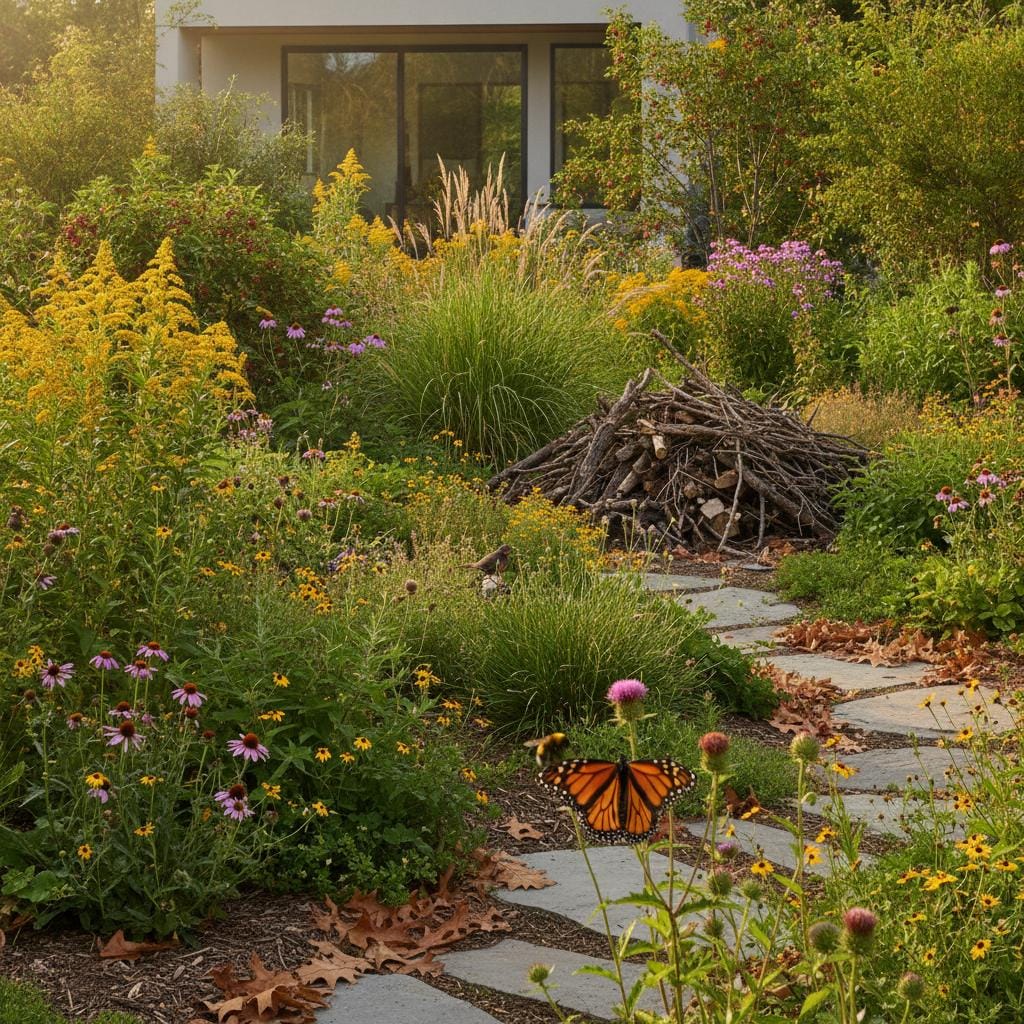
Water circulates smoothly, light distributes evenly, and vegetation self-regulates. Permaculture emphasizes intentional layouts where components interconnect supportively. Paths channel excess moisture, stones harbor insects, and herbs draw pollinators, yielding a resilient, dynamic system.
Integrating Edible Elements into Paths
Beyond spirals, linear paths offer opportunities for edible enhancements. Embed low-growing plants between pavers or along borders to maximize space. Creeping thyme fills cracks, releasing fragrance underfoot, while strawberries trail edges for easy picking.
Select hardy perennials like oregano or chives for traffic-prone areas. These choices withstand occasional stepping while providing culinary value. Ensure gaps allow root expansion without destabilizing the surface.
Observing and Adapting Your Design
As edible paths mature, track performance through seasonal cycles. Note which plants excel in specific spots and adjust placements accordingly. This observation refines the layout for greater efficiency and enjoyment.
Introduce edible flowers such as nasturtiums or violas to borders for color and taste. Cluster berries near seating areas to extend the harvest's reach. Incremental changes build abundance without overwhelming the original structure.
Sustaining the Harvest Cycle
Edible hardscapes thrive on ongoing cooperation between elements. Scents from sun-warmed basil mingle with stone, and post-rain aromas from thyme enrich the air. Mint rebounds robustly despite frequent cuts, underscoring the design's forgiving nature.
Position tools accessibly and approach tasks with attentiveness. This philosophy shifts gardening from domination to partnership. Stones anchor the form, plants occupy niches, and the ensemble delivers perpetual returns.
Every gathering of produce, however modest, affirms dedication. Traversing these paths now embodies the fruits of intentional cultivation, fostering a profound sense of fulfillment.