The Rise of Edible Front Yard Gardens in 2025
Imagine stepping outside to a front yard that not only enhances your home's appearance but also provides fresh ingredients for meals. Homeowners increasingly replace monotonous grass with diverse plantings that combine ornamental appeal and utility. Edible landscaping achieves this by incorporating food-producing elements into visible outdoor areas, fostering sustainability and self-sufficiency.
This approach supports local ecosystems by attracting pollinators and reducing water use compared to turf grass. In neighborhoods, these gardens spark interactions as passersby notice ripening fruits or fragrant herbs. The result is a space that nourishes your family while contributing to a greener community.
Assessing Your Yard's Potential
Evaluate your front yard as a versatile site for growth rather than a static lawn. Measure the area to identify zones for sun exposure, typically six to eight hours daily for most edibles. Note existing features like mature trees that offer partial shade suitable for greens such as spinach or Swiss chard.
Observe drainage patterns during rain; low spots may need raised beds to prevent waterlogging. Test soil pH with a home kit, aiming for 6.0 to 7.0 for optimal nutrient uptake. Existing plants like evergreens can integrate as windbreaks, protecting tender seedlings from harsh winds.
Start small by dedicating a 4-by-8-foot section near the entrance for high-yield crops. This targeted approach builds confidence and allows gradual expansion without overwhelming the landscape.
Designing a Functional Layout
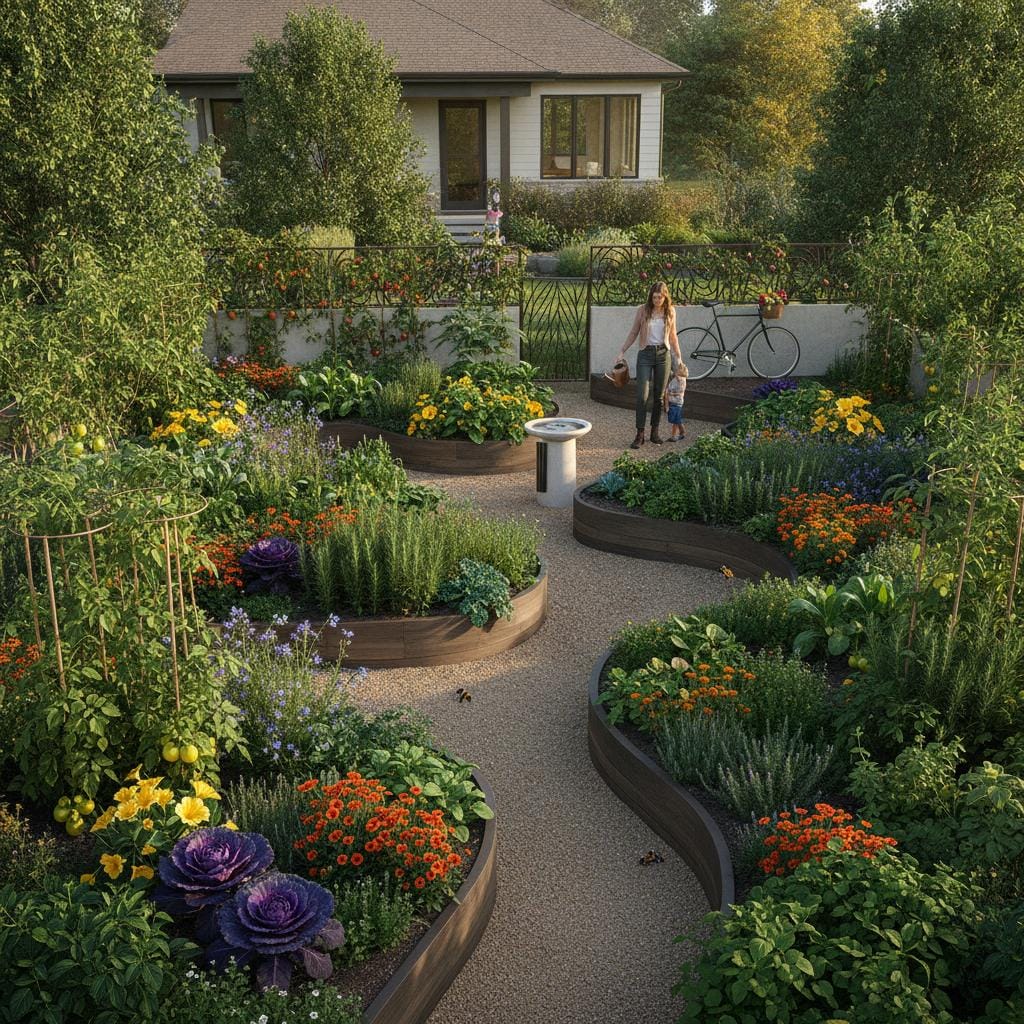
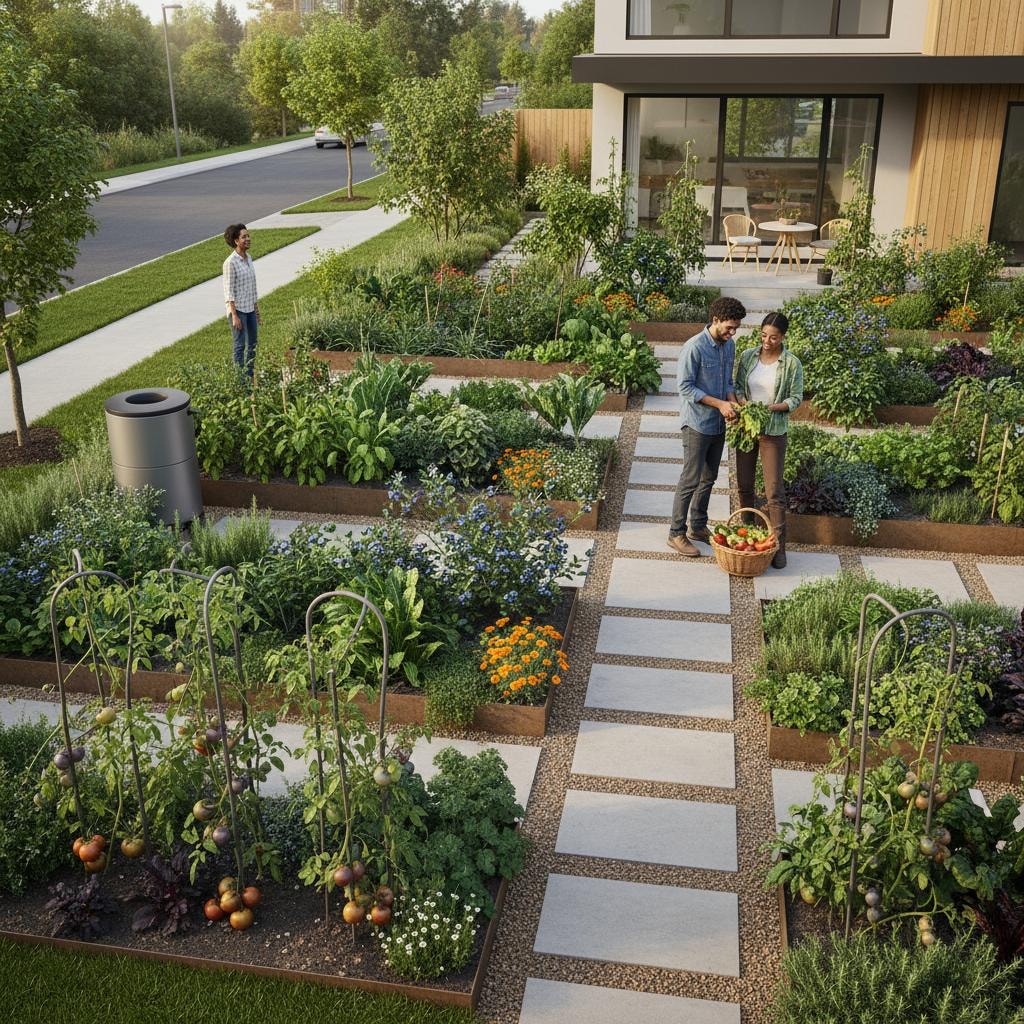
Sketch a scale drawing of your yard, using graph paper to represent one foot per square. Allocate sunny central areas for heat-loving plants like peppers and eggplants, while reserving shadier edges for root vegetables such as carrots or beets. Incorporate curved paths made from permeable pavers to direct foot traffic and prevent soil erosion.
Select plants that align with your climate zone; for example, in USDA zones 5-7, choose cold-hardy options like blueberries and kale. Balance heights by placing tall elements like espaliered apple trees against fences, with mid-level perennials such as artichokes in the middle, and ground covers like strawberries at the base.
Group species by care requirements to streamline maintenance. Companion planting, such as marigolds near tomatoes to deter nematodes, enhances health and aesthetics. Define beds with edging stones to maintain neat boundaries that complement your home's architecture.
Building Healthy Soil Foundations
Conduct a soil test through a local extension service to pinpoint deficiencies in nitrogen, phosphorus, or potassium. Amend clay-heavy soil by mixing in 2-3 inches of compost, which improves aeration and water retention. For sandy soils, add organic matter like leaf mold to boost fertility.
Clear the site by hand-pulling weeds and tilling lightly to 6-8 inches deep, avoiding deep disruption that harms soil structure. Apply a 2-inch layer of straw mulch after planting to conserve moisture and moderate soil temperature. Introduce beneficial organisms by incorporating worm castings, which enrich the microbiome.
Construct raised beds from cedar lumber, 12-18 inches high, filled with a blend of topsoil, compost, and perlite for drainage. Position them to capture morning sun, ensuring roots develop strongly from the outset.
Selecting and Planting Edibles
Prioritize disease-resistant varieties; for instance, 'Celebrity' tomatoes offer reliable yields in compact spaces. Plant dwarf citrus like Meyer lemons in pots for mobility if winters are mild. Edible flowers such as violas provide petals for salads and draw bees to nearby berry patches.
Space plants according to mature size: allow 18-24 inches between tomato plants to promote airflow and reduce fungal risks. Sow seeds directly for fast growers like radishes, while starting herbs like basil indoors for transplanting. Layer vertically with trellises for vining crops such as pole beans, maximizing square footage.
Incorporate natives like serviceberry shrubs for berries and bird habitat. Rotate annuals yearly to prevent soil depletion, planting legumes like peas to fix nitrogen naturally.
Maintaining Your Garden Year-Round
Establish a watering schedule using a soaker hose system, delivering 1 inch per week during dry spells. Check soil moisture by inserting a finger two inches deep; water only if dry. Apply mulch annually to replenish as it decomposes.
Prune fruit trees in late winter, removing crossed branches to improve light penetration and fruit quality. Harvest regularly to encourage production; pick zucchini at 6-8 inches to avoid oversized fruits. Monitor for aphids with weekly inspections, treating with a strong water spray or ladybug releases.
Fertilize with balanced organic options every 4-6 weeks during the growing season. Compost tea, brewed from aged manure, delivers nutrients without synthetic chemicals. In fall, cover crops like clover protect bare soil over winter.
Integrating Aesthetics and Ecology
Create visual flow with color echoes, such as repeating the blue of borage flowers in delphinium accents. Install low-voltage pathway lights to highlight evening features without disrupting nocturnal pollinators. Add a compost bin discreetly screened by trellising grapes.
Capture rainwater in 55-gallon barrels connected to downspouts, reducing municipal water use by up to 50 percent. Select drought-tolerant herbs like rosemary to minimize irrigation needs. These practices lower your environmental footprint while enhancing the yard's polished appearance.
Harvesting and Community Engagement
Track ripening schedules in a garden journal; strawberries peak in early summer, while kale produces through frost. Preserve excess with simple methods like freezing berries or drying herbs on racks. Share surplus at local swaps to build neighborhood bonds.
Display a small sign noting pesticide-free status to encourage compliments from walkers. Host informal tours to demonstrate techniques, inspiring collective shifts toward sustainable yards. This generosity amplifies the garden's impact beyond your property.
Sustaining Long-Term Success
Adapt to seasonal changes by succession planting; sow lettuce every two weeks for continuous greens. Evaluate performance annually, noting which varieties excelled in your microclimate. Adjust based on observations, such as adding shade cloth for bolting prevention in hot summers.
Celebrate milestones like the first harvest with a family meal featuring homegrown items. This ongoing dialogue with your garden cultivates resilience and joy. Your efforts yield not just food, but a deeper harmony with the outdoors.