The Rise of Meadows in 2026: Why Rewild Your Lawn Today
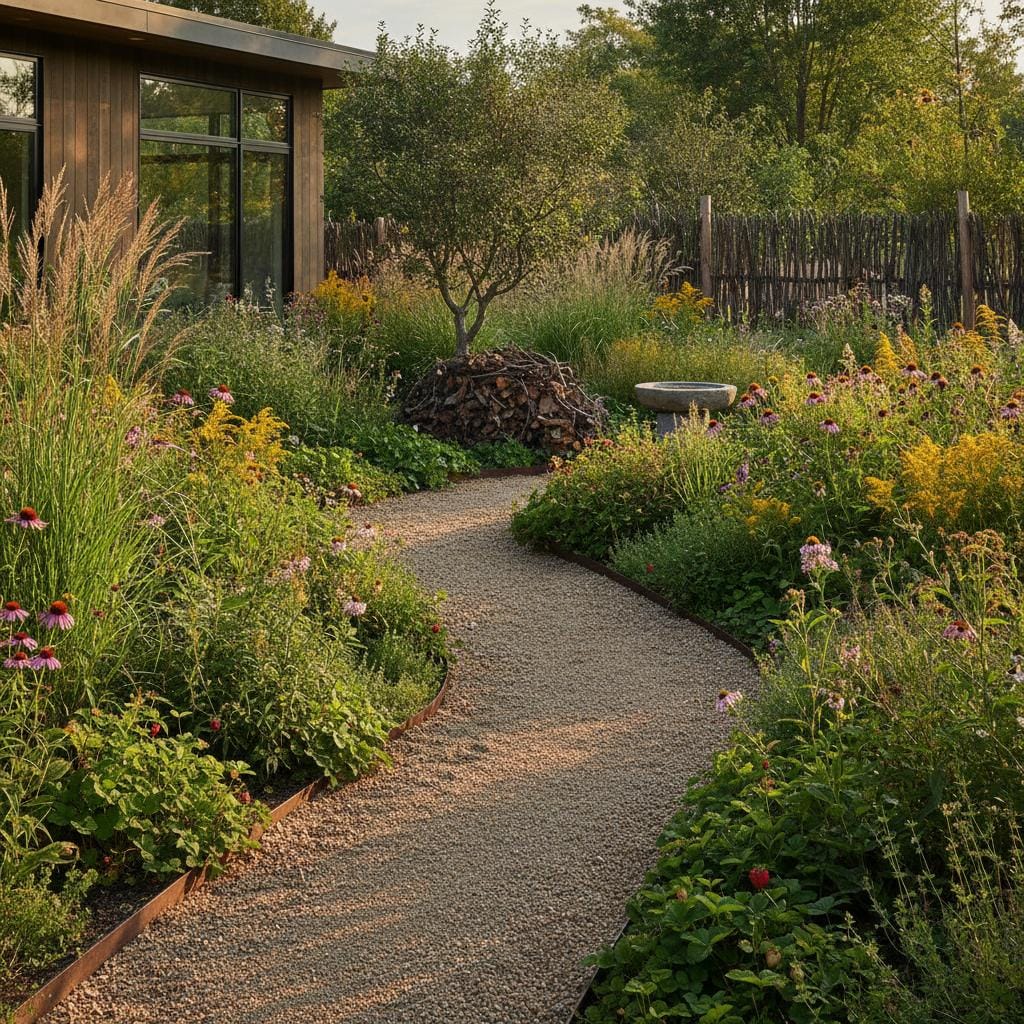
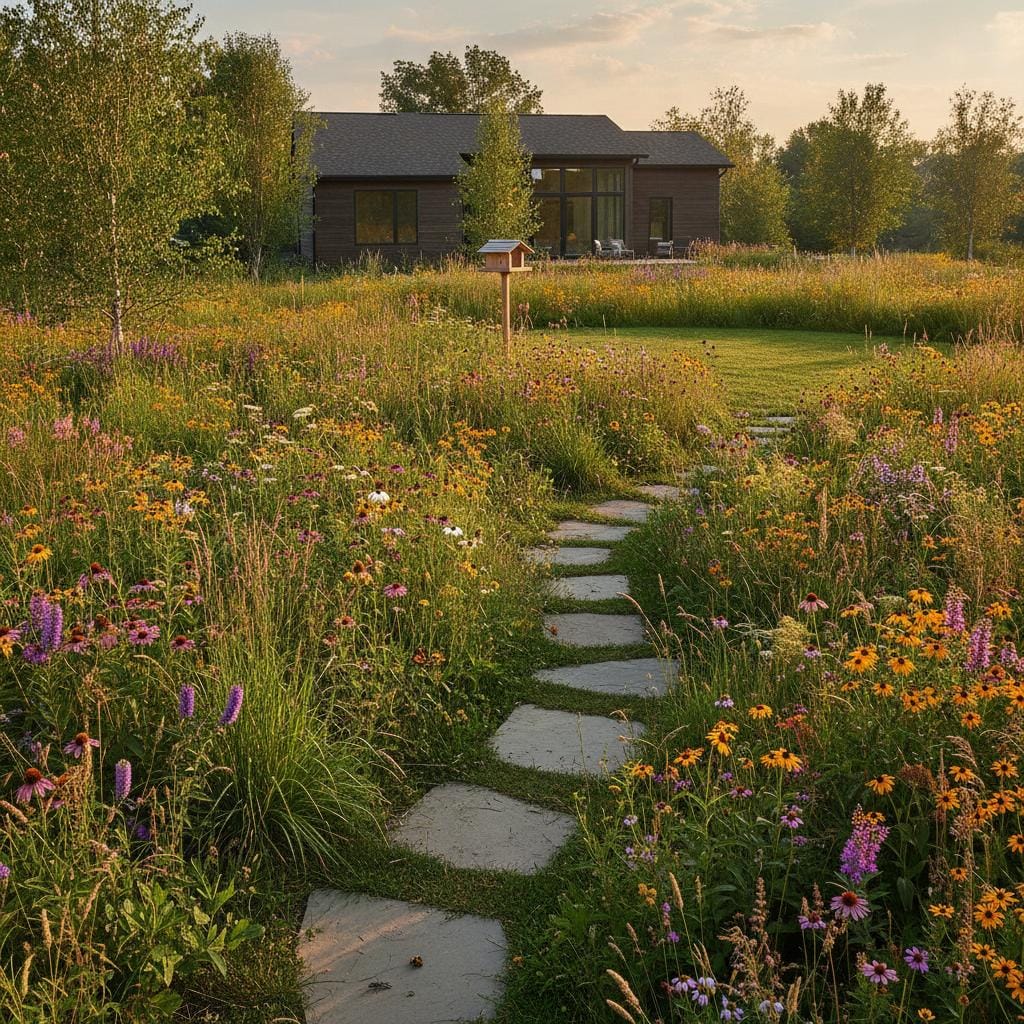
Homeowners increasingly view manicured lawns as high-maintenance relics. The effort required for mowing, fertilizing, and watering often outweighs the appeal of uniform green. Many now seek alternatives that align with environmental goals while preserving aesthetic value. This trend, known as the meadow movement, encourages replacing turf with diverse, native plantings that foster wildlife and require minimal intervention.
Rewilding involves intentional restoration rather than abandonment. Participants create balanced ecosystems that support local biodiversity. With growing awareness of pollinator declines and water conservation needs, 2026 marks a pivotal year for adopting these practices. Begin the process now to enjoy benefits by spring.
Evaluating Your Yard for Meadow Potential
Success depends on a thorough site analysis. Walk your property during different times of day to map sun exposure. Full sun areas suit wildflowers, while partial shade favors grasses and ferns. Test soil texture by squeezing a handful: sandy soil drains quickly and needs moisture-retaining amendments, whereas clay holds water but may compact easily.
Check for chemical residues from past treatments. Allow at least six months for soil recovery before introducing natives, as these plants prefer unaltered conditions. Manually remove weeds using a hand trowel to avoid herbicides, and aerate compacted spots with a garden fork to improve drainage.
Scale the project to your comfort level. A 10-foot by 10-foot plot offers noticeable impact without overwhelming commitment. Consider edges along pathways or borders for gradual integration. Document observations in a notebook to inform plant selection.
Establishing Your Meadow Foundation
Transition from lawn to meadow requires deliberate preparation. Focus on soil health and seed viability for long-term vitality.
Soil Preparation Techniques
For dense turf, employ the sheet mulching method. Lay overlapping cardboard sheets to block light, then top with 4 to 6 inches of compost or aged manure. This smothers grass over 4 to 8 weeks while adding organic matter. Alternatively, rent a sod cutter for larger areas, but follow with raking to remove debris.
Incorporate native amendments based on soil type. Mix in leaf mold for sandy soils to retain nutrients, or add gypsum to break up clay. Aim for a pH of 6.0 to 7.0, testable with affordable kits from garden suppliers. Avoid synthetic fertilizers; opt for slow-release organics.
Planting and Initial Care
Select regionally appropriate natives such as black-eyed Susan, coneflower, or little bluestem grass for pollinator attraction. Source seeds or plugs from reputable nurseries specializing in locals. Broadcast seeds evenly in fall for natural stratification, or plant in spring after frost risk passes.
Press seeds 1/4 inch into soil and cover lightly with fine compost. Water deeply but infrequently to encourage root growth, aiming for 1 inch per week initially. Mulch with straw to suppress weeds and retain moisture. Monitor for germination in 7 to 21 days.
Nurturing Meadow Development
Early growth phases demand observation over intervention. Embrace variability as the ecosystem establishes.
Weeds may emerge alongside desired plants. Hand-pull invasives like dandelions weekly, but allow self-seeding natives to compete naturally. Divide and replant perennials in year two to fill gaps. Expect full coverage by the third season as root systems interlock.
Adjust watering based on rainfall. Mature meadows rely on natural precipitation, reducing usage by up to 75 percent compared to lawns. Introduce companion plants like milkweed for butterflies if pollinators appear sparse.
Embracing Seasonal Dynamics
Meadows evolve with environmental cues. Spring brings tender shoots, summer showcases blooms, and fall offers seed heads for birds. Winter dormancy allows soil replenishment. This cycle builds resilience against pests and drought.
Engage neighbors early to foster support. Explain benefits like reduced noise from mowers and enhanced property values through eco-appeal. Share progress photos to demonstrate transformation.
Sustaining Meadow Vitality Long-Term
Routine maintenance preserves meadow health without reverting to labor-intensive care. Annually reseed thin areas in autumn, targeting 20 percent coverage renewal. Prune dead foliage in late winter to stimulate fresh growth.
Monitor for pests using integrated methods: encourage beneficial insects with diverse plantings rather than chemicals. Track changes in a journal to refine future adjustments. These practices ensure the meadow remains a self-sustaining feature.
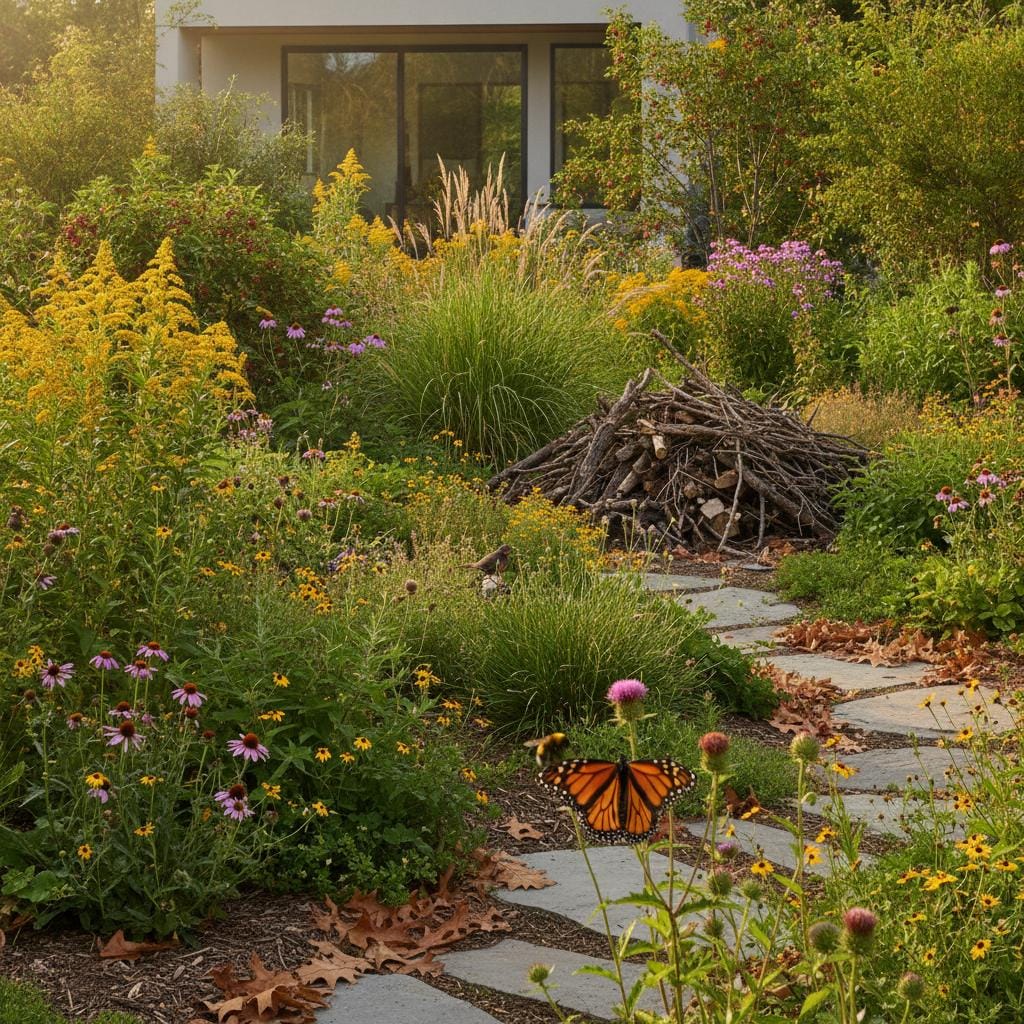
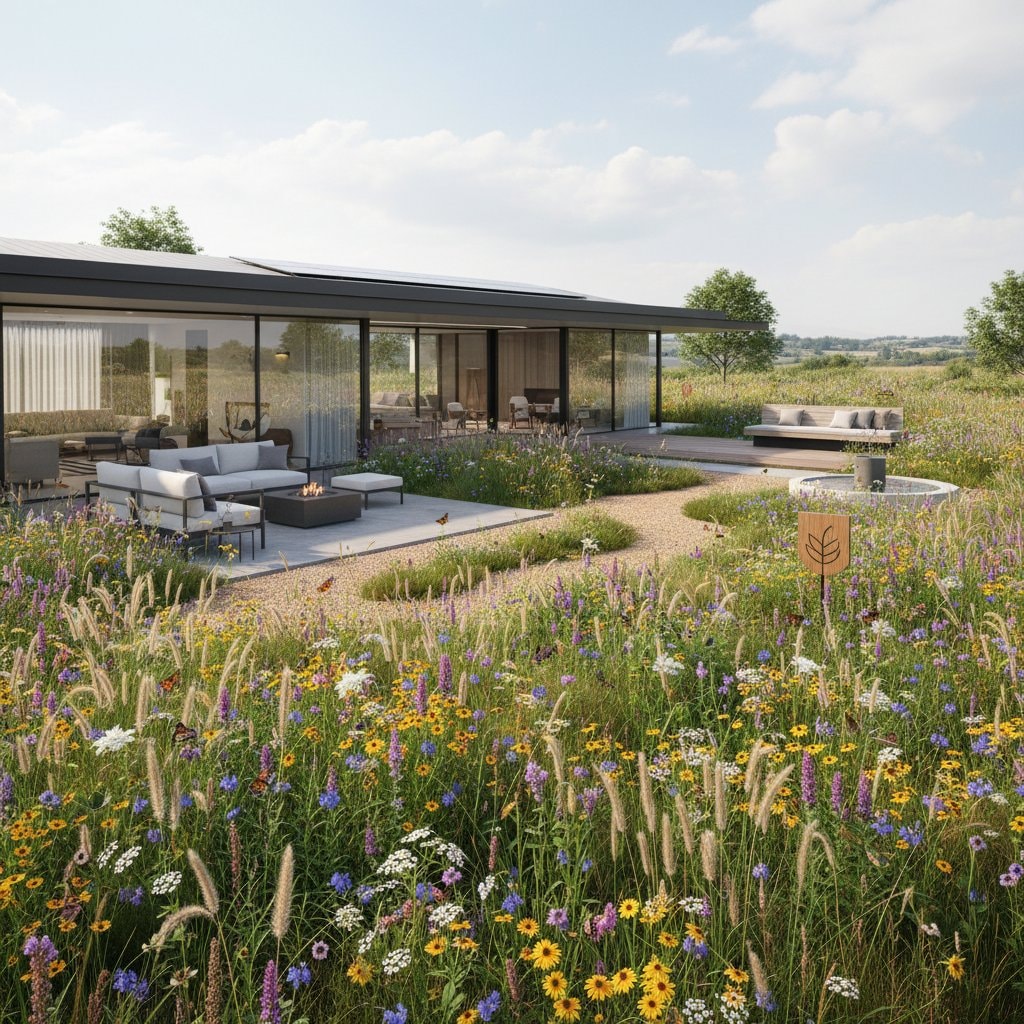
Your meadow evolves into a vibrant hub for local wildlife. Bees and butterflies thrive amid the flora, while you gain a serene space for reflection. This shift not only conserves resources but also deepens connection to the natural world. Commit to rewilding in 2026 and cultivate a legacy of ecological harmony.