Embrace Controlled Chaos: Rewild Your Yard for 2026
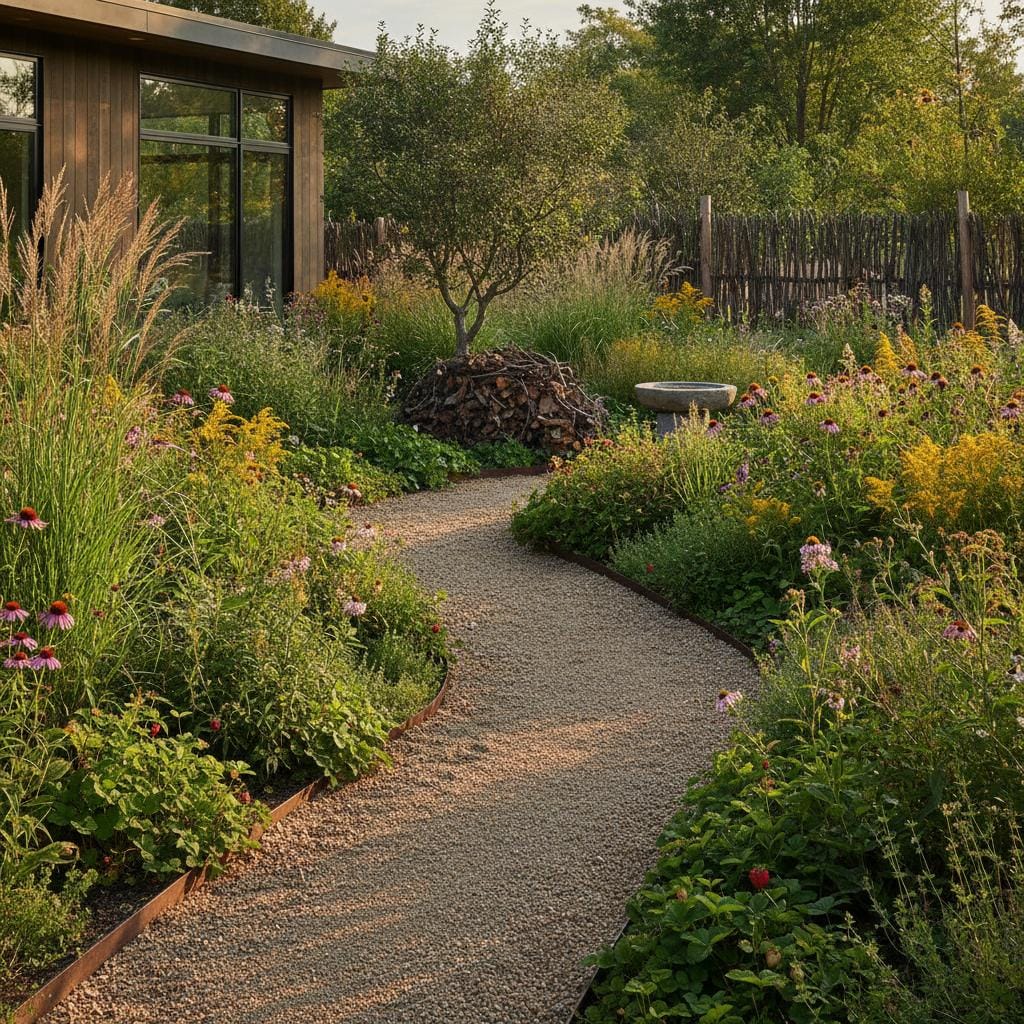
A garden reveals its poetry when released from rigid structure. Several years ago, during a visit to a client's backyard, the standout feature proved to be not the precisely trimmed boxwood hedge or the flawless lawn, but a modest corner where wildflowers had overflowed from a stone path. Bees hovered over coneflowers while a goldfinch perched on an unpruned seed head. This scene illustrated how landscapes gain true appeal by allowing nature space to unfold.
Rewilding a yard involves neither neglect nor surrender. Rather, it fosters collaboration between gardener and environment. The concept of controlled chaos embodies this equilibrium: you establish the framework, yet nature contributes to the narrative.
Understanding Rewilding Principles
Rewilding in a residential garden establishes environments where native plants, pollinators, and soil organisms flourish with limited human intervention. It draws from natural ecosystems such as meadows, prairies, and woodland borders, where species interact in resilient, self-regulating communities.
Practically, rewilding entails substituting sections of turf with native grasses, permitting seed heads to persist into winter, or arranging beds to replicate wild plant associations. The approach emphasizes monitoring, endurance, and subtle direction over rigid oversight.
Although rewilding appears effortless, it requires underlying organization to avoid disarray. The challenge lies in harmonizing untamed elements with deliberate aesthetics.
The Appeal of Controlled Chaos
Images of wild gardens often evoke overgrown tangles, yet exemplary rewilded areas exhibit rhythm and unity. They pulse with vitality while maintaining poise. Controlled chaos facilitates this by promoting purposeful design alongside opportunities for improvisation.
Select a curated selection of native species, group them for repetition, and permit natural expansion. Tolerate self-sowing while periodically refining to preserve visual continuity.
Approach gardening with restraint: assess plant interactions, sunlight patterns, and compatible pairings instead of eliminating every outlier. Gradually, organic motifs surface, blending authenticity with artistry.
Strategies for Implementing Controlled Chaos
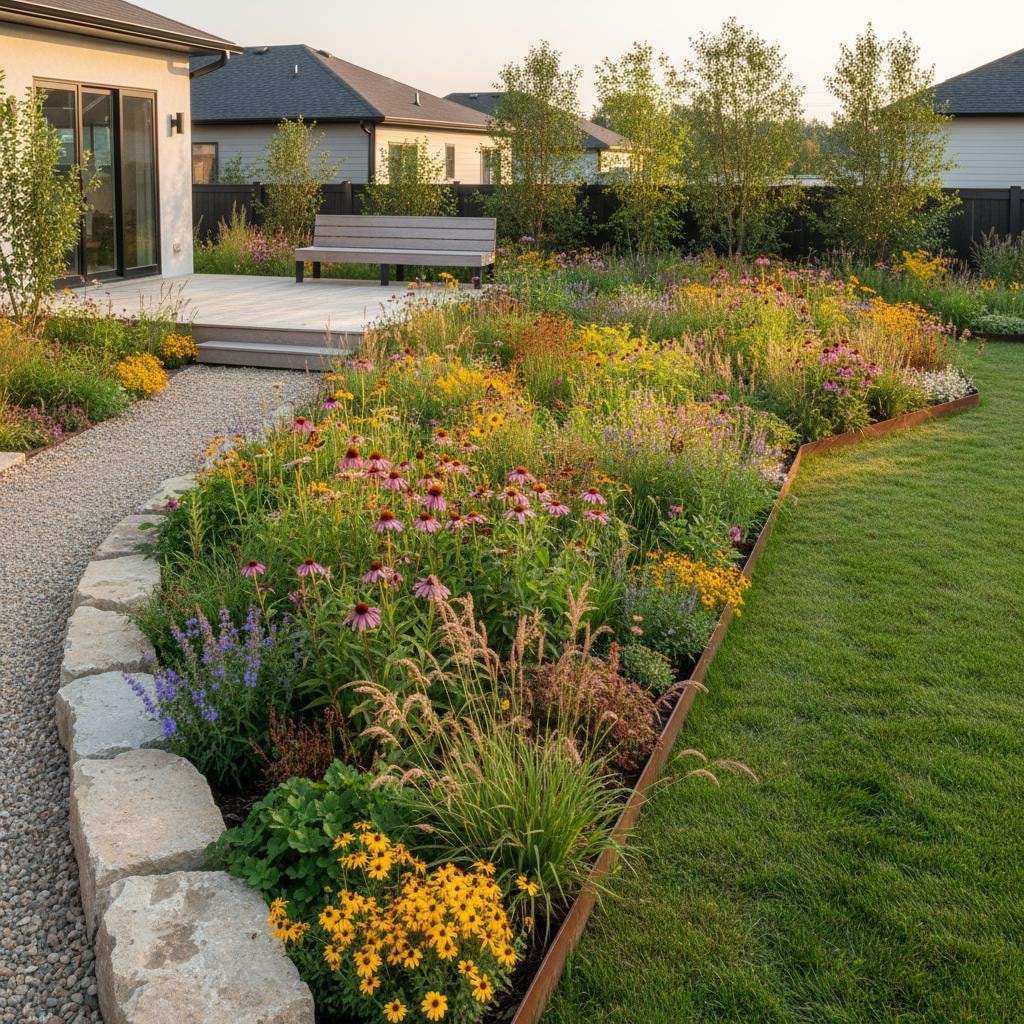
- Establish foundational elements. Incorporate pathways, seating zones, or rock outlines to delineate areas. Wild designs gain polish from defined perimeters.
- Incorporate recurring plants. Consistency fosters unity. Feature steadfast options like black-eyed Susan, coneflower, or little bluestem to anchor the composition.
- Permit measured variability. Retain seed heads to promote self-seeding. Integrate select spontaneous growth annually, then curate excesses.
- Build layers for dimension. Merge varying heights and leaf forms. Upright grasses, delicate flowers, and low-spreading natives yield richness and motion.
These components coalesce to produce a purposeful yet serene effect, akin to a tune that wanders without straying.
Selecting Plants Suited to Naturalistic Gardens
Native plants form the core of rewilding efforts. Adapted to regional conditions, they demand reduced irrigation, nutrients, and upkeep compared to non-native varieties. A strategic blend determines success between a robust meadow and a faltering plot.
Proven Native Selections
- Grasses: Little bluestem, switchgrass, and prairie dropseed deliver sway, hue, and framework. Seed heads nourish birds in winter; roots anchor earth.
- Perennials: Coneflower, bee balm, goldenrod, and blazing star summon pollinators and sustain visual intrigue across seasons.
- Groundcovers: Wild strawberry, creeping phlox, and sedges occupy voids and suppress weeds.
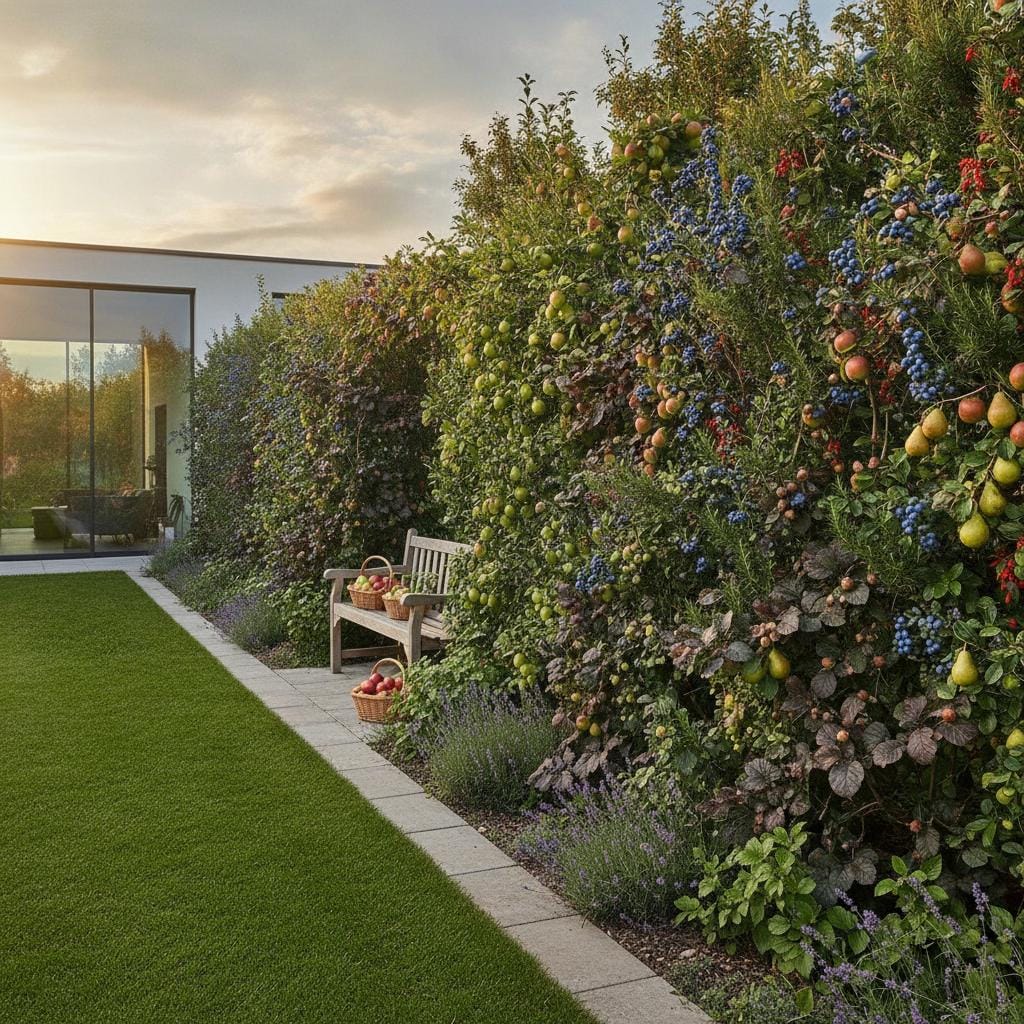
- Shrubs: Serviceberry and viburnum supply shelter, fruits for avifauna, and spatial definition.
Diversity arises not from uniformity but from textural contrasts and sequential blooms. Spring ephemerals beckon bees, midsummer displays sustain butterflies, and autumn seeds support wildlife amid dormancy.
Developing a Meadow Garden
Meadow gardens offer profound satisfaction in rewilding, encapsulating wild essence within domestic confines. These are not mere grass expanses but interdependent assemblies where each element bolsters the collective.
Steps to Establish a Meadow
- Begin modestly. Transform a small lawn segment initially. This approach enables assessment of plant dynamics prior to expansion.
- Condition the ground. Eliminate sod and invasives, then aerate lightly. Refrain from enriching with compost, as natives favor modest fertility.
- Select a harmonious composition. Allocate roughly 60 percent to grasses and 40 percent to blooming perennials. Grasses offer backbone and bloom elevation.
- Position closely. Tight planting discourages weeds and accelerates a cohesive appearance.
- Exercise forbearance. Development spans seasons; initial sparsity yields to fullness by year two or three, ushering self-reliance.
Sustaining Meadow Vitality
Annual light tending suffices for meadows. Trim growth in late winter to refresh; excise aggressive woody types. Otherwise, permit natural progression.
Meadows enchant through flux: black-eyed Susans may prevail one season, asters the next. The ecosystem self-regulates, positioning you as witness rather than overseer.
Integrating Wild and Formal Elements
Few property owners desire fully untamed yards. Equilibrium proves essential. A rewilded zone coexists seamlessly with cultivated features through intentional transitions.
Design principles enhance this integration:
- Define boundaries sharply. Employ precise walks, modest barriers, or edged hedges to render wild sections purposeful.
- Incorporate anchors. Position seats, basins, or lithic accents to focalize and imbue function.
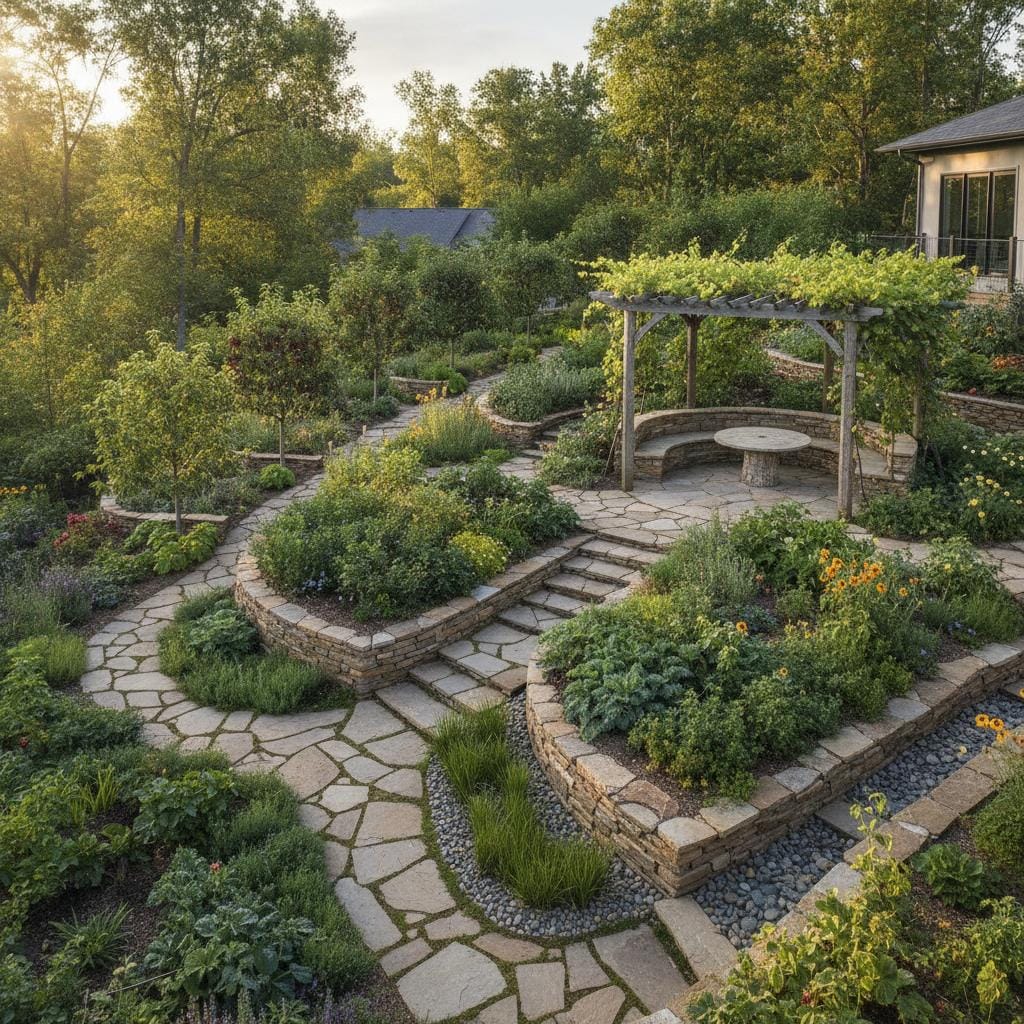
- Leverage juxtapositions. Align meadows with orderly terraces or sheared borders. Order amplifies wild allure; wildness tempers formality.
- Maintain visual access. Weave trails or clipped corridors into wild zones. Such paths invite discovery and unify the layout.
Thoughtful orchestration elevates both realms: formal precision spotlights natural grace, while wild vigor mellows structured lines.
Fostering Wildlife and Biodiversity
Rewilding subtly revives vitality. Gardens alive with insect hum and avian stir surpass the hush of barren turf. Native selections and minimized chemicals forge sanctuaries for pollinators, birds, and allies.
Enhance this through targeted actions:
- Retain seed heads overwinter for sustenance.
- Install broad, shallow water features for insects and lepidoptera.
- Apply fallen leaves as ground cover instead of total clearance.
- Restrict chemical applications to safeguard trophic chains.
Diversity accrues steadily: novel birds emerge, unfamiliar butterflies alight, and soil teems anew. Such transformations reward steadfastness.
The Perspective Shift in Rewilding
Beyond aesthetics, rewilding reshapes relational dynamics with one's surroundings. Conventional horticulture prioritizes dominion, balance, and flawlessness. Rewilding cultivates modesty and inquisitiveness.
Attention sharpens to nuances: pollinator preferences, drainage patterns, light traversal through stems. The space evolves from task to ongoing dialogue.
Uncertainty arises occasionally—a zone may seem disordered, or growth outpaces intent. Experience discerns essential adjustments from deferrable ones. Observation trumps impulse.
This evolution yields profound fulfillment. Imperfection gains elegance when rooted in intent.
Addressing Typical Hesitations
Prospective rewilders often fear unkempt aesthetics or pest influxes. Such apprehensions merit attention, yet design and diligence mitigate them.
- Aesthetic worries: Employ borders and motifs to signal design. Framed wildness conveys curation.
- Pest apprehensions: Variety deters outbreaks; beneficial fauna restore equilibrium organically.
- Neighbor concerns: Share objectives and groom peripheries. Trimmed margins or explanatory markers clarify ecological aims.
The aim resides not in universal endorsement but in exemplifying coexistence's varied allure.
Stewarding Your Rewilded Space
As rewilded gardens mature, duties pivot from labor to guardianship. Pruning yields to surveillance and fine-tuning: perhaps sparse a dense cluster, trial a novel native, or observe undisturbed.
The locale imparts its cadence over time. Discernment grows for timely actions versus restraint. Seasonal and annual shifts mold both garden and gardener.
Controlled chaos forgoes ideals of flawlessness. It pursues synergy of ingenuity and liberty, instilling awe and grounding in equal measure. Resilience blooms where release prevails.
Steps to Launch Your Rewilding Journey
Rewilding transcends aesthetics to embody philosophy. It instills forbearance, acuity, and reverence for life's mechanisms. Through controlled chaos, one crafts not merely a garden but a testament to harmony.