The No-Mow Lawn Revolution Changing Yards in 2026
I remember the first time I stood in a backyard that had traded grass for wildflowers. The air felt different, softer somehow, as if the space had taken a deep breath and exhaled calm. Bees drifted from bloom to bloom, and the hum of a mower was replaced by the quiet pulse of life. That moment planted a seed in my mind about what a yard could be when we loosen our grip a little. No-mow lawns are not about neglect, but about redefining beauty, balance, and care.
Across neighborhoods and countryside plots alike, a quiet revolution is taking hold. Homeowners are questioning the time, water, and fuel spent on keeping grass perfectly short. They are replacing high-maintenance turf with wildflower meadows, clover blends, and native groundcovers that ask for less and give far more in return.
Rethinking the Traditional Lawn
The traditional green lawn has long been seen as a symbol of order and pride. It represents neatness, consistency, and control. Yet that same perfection carries a heavy cost in labor and resources. The typical lawn demands regular mowing, watering, and fertilizing to stay uniform.
A no-mow lawn shifts that dynamic. It invites the natural rhythm of growth back into the yard. Instead of pushing grass to stay short, homeowners select plants that reach a stable height, resist weeds, and require little trimming. This approach blends aesthetics with ecology, creating spaces that look alive rather than maintained.
What Makes a No-Mow Lawn Work
A successful no-mow lawn begins with the right foundation. Choosing plants that match your soil, sunlight, and rainfall is key. The goal is not to eliminate care altogether, but to build a system that supports itself with minimal help.
Common plant choices include:
- Fine fescues such as hard, sheep, or chewings fescue, which grow slowly and form soft, flowing mats.
- White clover and microclover, which add nitrogen to the soil and stay green even in dry spells.
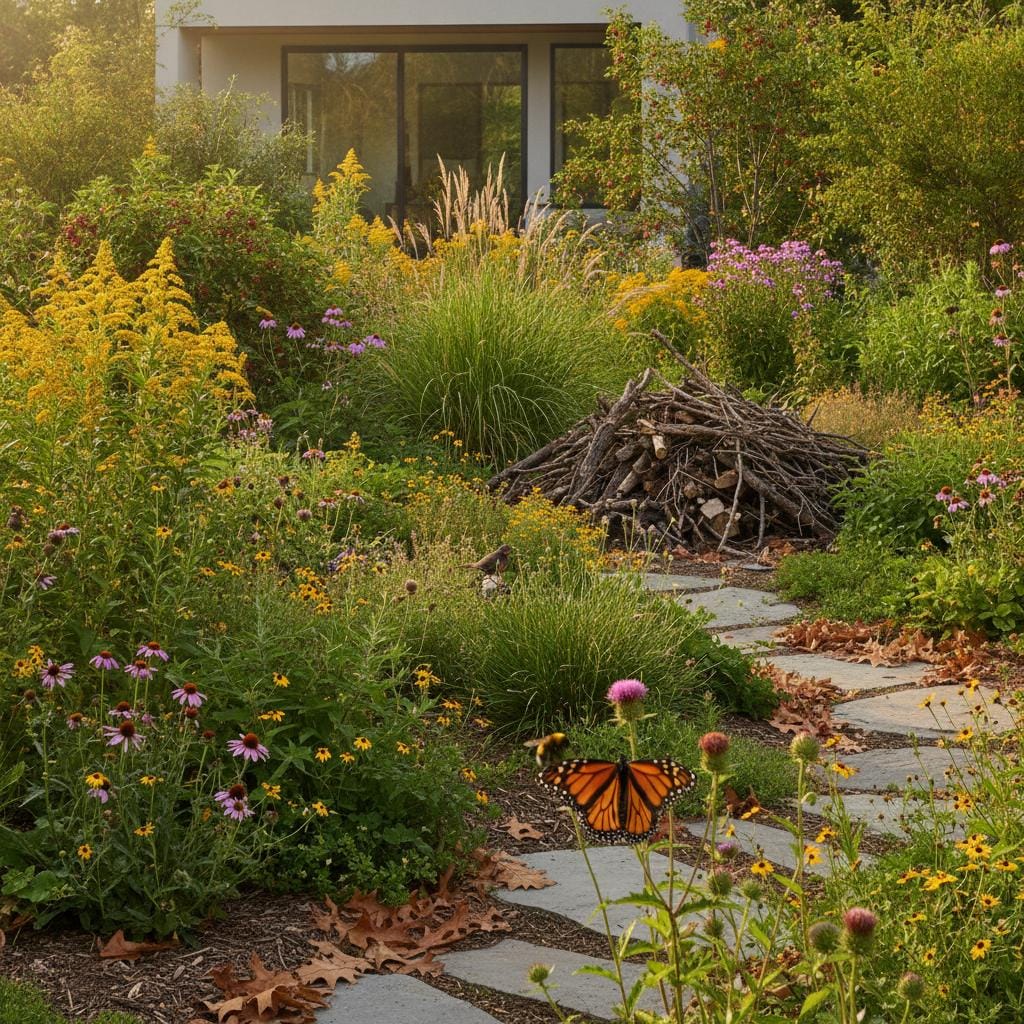
- Native meadow mixes, often containing wildflowers like black-eyed Susan, coneflower, and yarrow, that attract pollinators and offer changing color through the seasons.
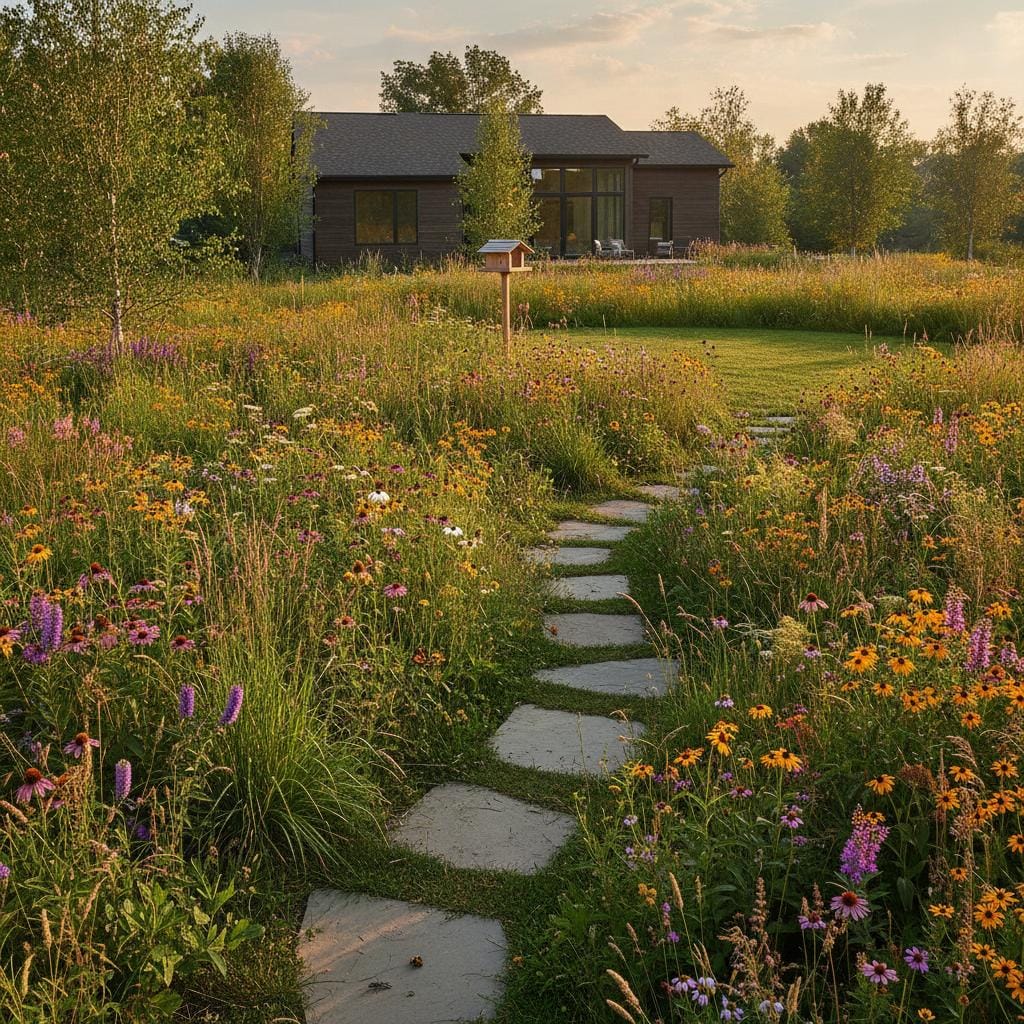
Each option brings its own character. A clover-based yard feels soft underfoot and stays low, while a wildflower meadow grows taller and more expressive. Some homeowners combine both, keeping a shorter area near pathways and letting the rest bloom freely.
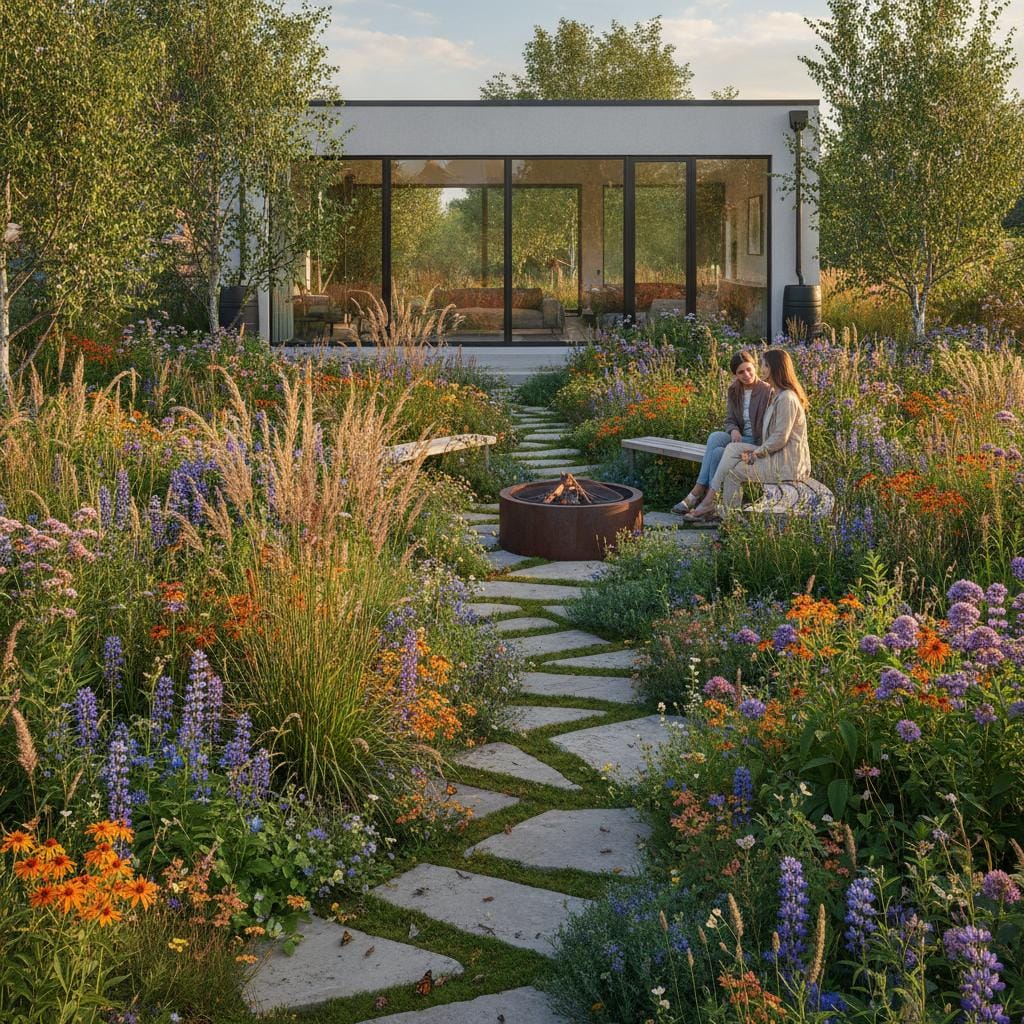
The best no-mow lawns are designed with intention. Paths, stone borders, and seating areas help define the space, giving it structure without undermining its natural flow.
The Environmental Ripple Effect
What begins as a personal choice can ripple outward in quiet but powerful ways. Replacing turf with a no-mow system reduces fuel use, water consumption, and chemical runoff. Lawns that once demanded constant feeding and mowing become small havens for bees, butterflies, and birds.
In many neighborhoods, these pockets of life begin to connect. A cluster of wildflower lawns can support migrating pollinators that once struggled to find food between stretches of grass. Even a small patch can make a difference when it offers shelter and nectar at the right time of year.
Beyond wildlife, the soil itself benefits. Deep-rooted plants help prevent erosion and improve drainage. They draw carbon into the ground and hold moisture during dry spells. Over time, the yard becomes more resilient, less dependent on irrigation, and better able to recover from stress.
Balancing Beauty and Order
One of the biggest hurdles for homeowners considering a no-mow lawn is perception. We are conditioned to see neat, uniform grass as the standard of good care. Anything taller or wilder can feel out of place. The key to overcoming this lies in design and communication.
A no-mow yard does not have to look messy. By framing natural growth with clear edges, you create visual order. Mowed borders, stone paths, or small fences offer definition and signal intention. The contrast between managed and wild elements helps the eye read the space as purposeful.
It also helps to start small. Convert a side yard or a sunny corner first. Watch how it behaves through the seasons. Notice which plants thrive and which need adjustment. This gradual approach builds confidence and shows neighbors that natural beauty can be both tidy and inviting.
The Emotional Shift of Letting Go
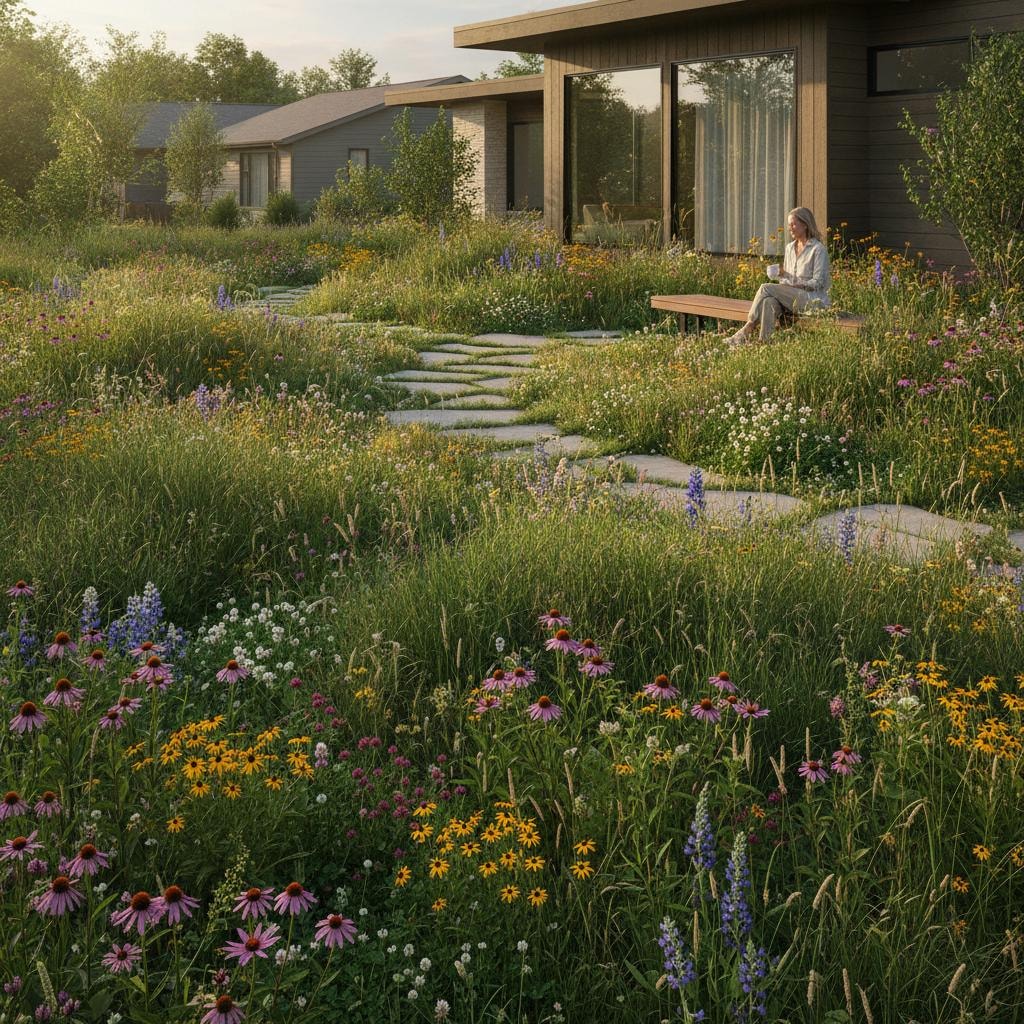
There is something quietly transformative about letting the mower rest. Many homeowners describe a change not just in their yard, but in how they relate to it. A no-mow lawn invites observation instead of control. You begin to notice patterns, the return of butterflies after rain, the way certain flowers open in morning light, and the hum of insects on warm afternoons.
This slower rhythm fosters a sense of connection. The yard becomes a living landscape rather than a task list. Children find more to explore, pets discover new scents, and time outdoors feels more relaxed. The space starts to teach patience and appreciation.
Common Missteps and How to Avoid Them
While no-mow lawns are forgiving, a few mistakes can set them back. Being aware of these from the start helps ensure success.
- Skipping soil preparation. Even the toughest plants need a good start. Remove weeds, loosen compacted soil, and test drainage before planting.
- Choosing the wrong mix. Not every seed blend suits every region. Pick plants that match your local climate and soil type.
- Ignoring early maintenance. No-mow does not mean no-care. During the first season, light weeding and occasional trimming help the plants establish.
- Overseeding too heavily. More seed does not always mean more growth. Dense planting can lead to competition and patchiness.
- Forgetting about access. Paths, pavers, or small open areas make the space more usable and easier to maintain.
When approached thoughtfully, most challenges can be corrected with time. Plants are adaptable, and nature tends to find balance if given a little guidance.
Living with Your Design
Once a no-mow lawn settles in, it becomes a study in quiet change. Each season brings subtle shifts in color, texture, and movement. The grass-like blades of fescue bend gently in the wind, while wildflowers rise and fade in natural rhythm. Maintenance becomes more about observation than routine.
Many homeowners choose to add personal touches over time. A birdbath, a few native shrubs, or a stone bench can deepen the sense of place. Others experiment with mowing a path through the meadow, creating a visual cue that invites exploration. These small gestures keep the space dynamic and personal.
As the years pass, the yard begins to tell its own story. It reflects the choices made, the patience shown, and the willingness to let nature share the stage.
Starting Your No-Mow Lawn
If you are curious about trying a no-mow lawn, start with observation. Look at your yard as it is now. Notice where the light falls, where water gathers, and which plants already do well without much help.
Begin small and allow yourself to learn. A patch of clover or a strip of meadow mix can show you how the space responds. Over time, expand gradually, repeating what works and adjusting what doesn't.
The no-mow lawn movement is not about rejecting tradition, but about evolving it. It offers a way to live more gently with the land, to trade noise for stillness, and to find beauty in the natural rhythm of growth.