Rewilding Your Yard: Where Structure Meets Spontaneity
Have you ever looked at your backyard and felt both affection and frustration? You might see the patchy lawn where children once played or the overgrown shrubs that now feel like intruders. Perhaps you long for something freer that breathes a little wilder. If that sounds familiar, you stand at the edge of a growing movement in gardening known as rewilding. It celebrates a balance between beauty and mess, structure and spontaneity. Called controlled chaos, this approach changes how people think about their yards.
Understanding Controlled Chaos Gardens
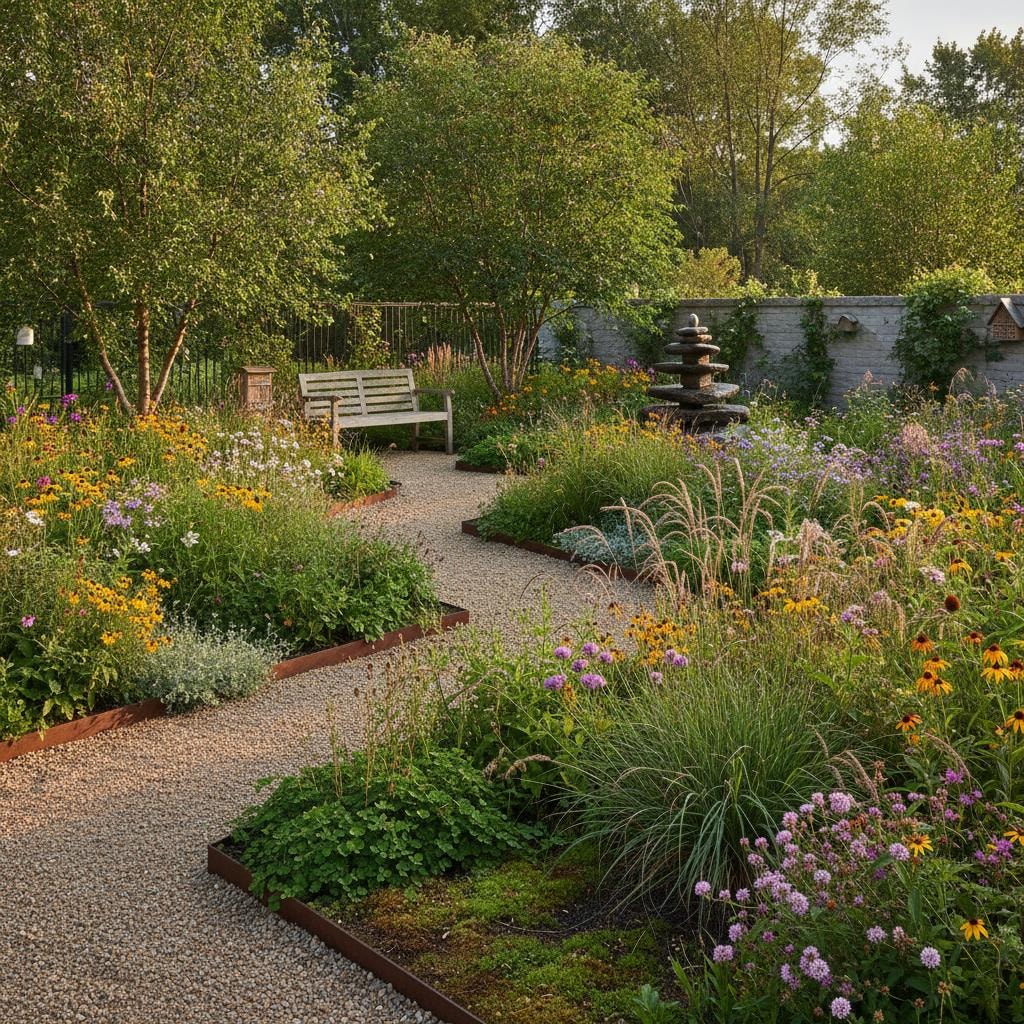
A controlled chaos garden avoids neglect or unchecked plant takeover. It creates a space that looks and feels natural while remaining thoughtfully guided. Picture a meadow that hums with bees, a winding path that leads to a quiet bench, and a mix of native plants that sway with the wind. Everything appears spontaneous, yet every element serves a purpose.
This garden invites life back into overly managed spaces. It supports pollinators, shelters small wildlife, and reduces the need for constant mowing and watering. You work alongside nature rather than fighting it. That shift can feel liberating.
Assessing Your Space
Before planting, take time to observe. Walk through your yard and note what already grows there. Some weeds may prove to be native wildflowers ready to thrive. Notice how light moves across the space and where rainwater settles.
Ask these questions:
- Which parts feel lifeless or forced?
- Where does the soil stay damp or dry quickly?
- Which areas already attract birds or butterflies?
This observation reveals your space as an ecosystem with its own story. You can then plan around its strengths.
Creating a Flexible Plan
A controlled chaos garden requires structure even when it looks effortless. Define a few anchors such as pathways, seating areas, or clusters of shrubs that shape the wilder zones. Layer in native plants for different roles. Taller grasses and flowering perennials add movement and texture. Groundcovers soften borders and limit weeds. Select plants suited to local soil and climate to minimize watering and fertilizers.
Start with one area, such as a forgotten corner, and allow it to evolve. Watch how plants settle, how birds respond, and how the space changes.
Acting with Purpose
Remove only what does not belong. Cut back invasive plants or loosen compacted soil. Avoid stripping the ground bare to prevent erosion. Loosen soil gently and mix in compost to nourish existing life.
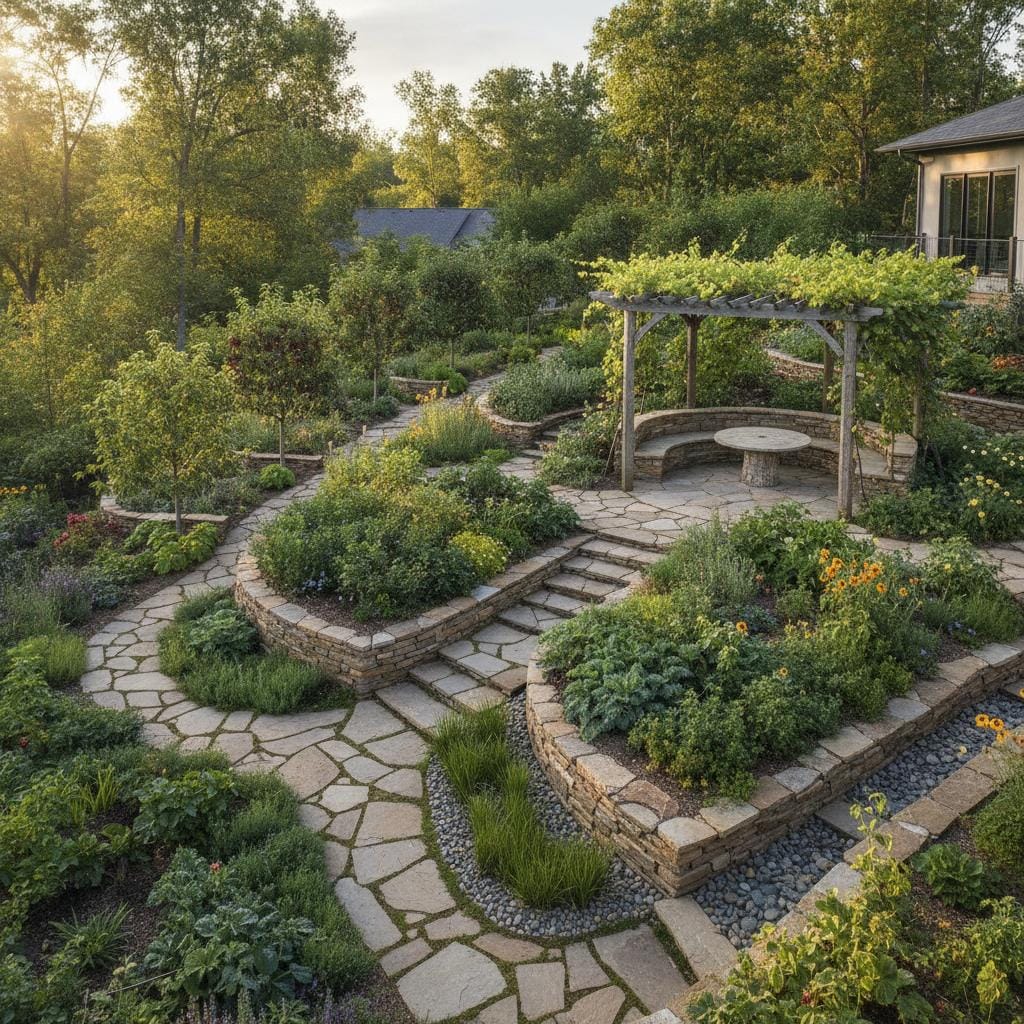
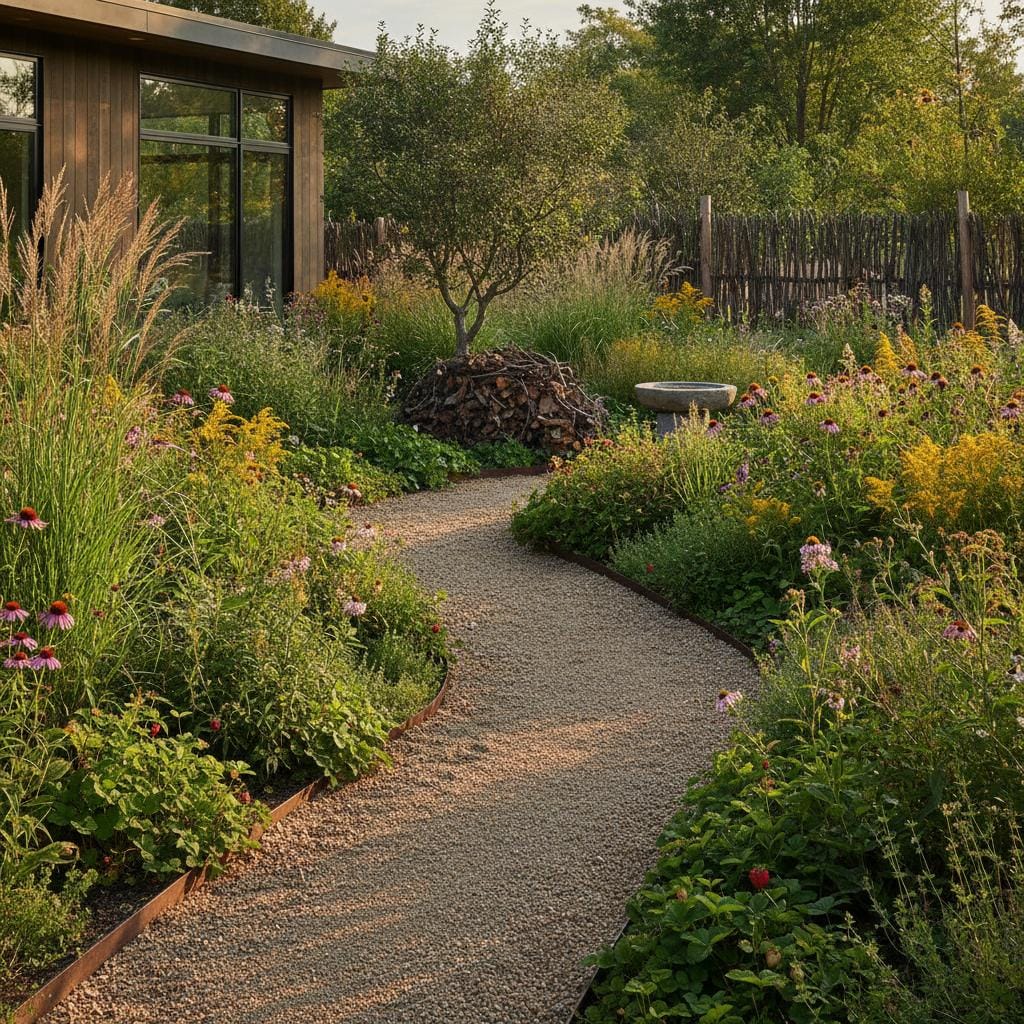
Plant in groups rather than rows. Mix textures and heights for a layered feel. Place coneflowers beside tall grasses or goldenrod to create natural rhythm. Add structured touches like a small fence, stepping stone path, or birdbath to show intention.
Encouraging Life to Return
Life returns quickly once you begin. Bees, butterflies, and songbirds arrive as the garden fills out. Support them with these habits:
- Leave seed heads through winter for birds.
- Allow some leaves to remain as mulch.
- Provide shallow water dishes for pollinators.
- Choose plants that bloom at different times.
These steps connect your garden to larger natural systems.
Maintaining the Balance
Controlled chaos requires light management rather than weekly trimming. Pull weeds selectively and leave native volunteers that fit the space. Cut back only what feels crowded. Pause before removing plants that reseed themselves. Mulch paths with wood chips to define boundaries. Add matching perennials each season to refresh the palette.
Finding Beauty in Imperfection
A rewilded garden teaches patience. It will never resemble a manicured lawn, and that remains the point. View unexpected spreads or color clashes as part of the story. A bare patch today may host wild asters next season. Frame wild areas with neat borders or stone paths to help others recognize the intention.
Watching Your Garden Thrive
As the garden matures, plants form communities and wildlife settles into rhythms. The space grows more self-sustaining each season. Soil improves, the air feels softer, and the garden cares for itself. You spend less time managing and more time observing.
Seasonal Attention
Provide gentle care by season. Thin crowded seedlings in early growth. Water deeply but infrequently during dry periods. Retain dried stems and seed heads in colder months for wildlife and winter interest. Over time you learn the unique rhythm of your space and support its natural cycles without heavy interference.