Transform Traditional Hedges into Productive Edible Borders in 2026
Homeowners often experience a profound sense of fulfillment when their gardens provide both aesthetic appeal and practical benefits. Hedges traditionally serve as privacy screens, structural elements, and symbols of order in the landscape. Increasing numbers of gardeners now explore additional roles for these features. Edible food hedges fulfill this potential by offering fruits, herbs, or nuts while maintaining visual elegance and supporting local wildlife.
Redefining Hedge Functionality
Conventional hedges rely on plants such as boxwood, privet, and yew for their consistent form, thick foliage, and response to pruning. These selections excel in creating defined boundaries but provide no nutritional value. Maintenance involves regular shearing and supplemental feeding to preserve their shape.
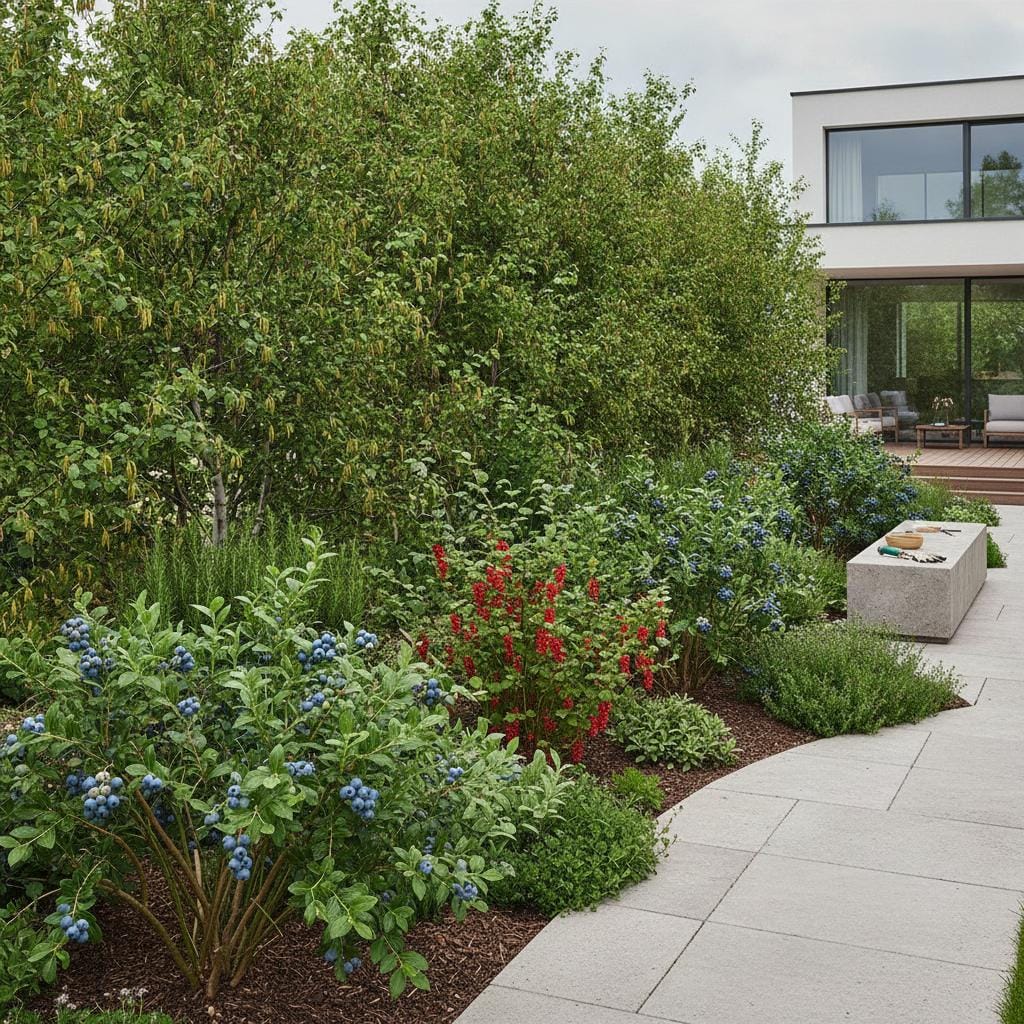
Edible alternatives integrate utility without sacrificing form. Gardeners can prune them to achieve similar neatness, yet these plants yield harvests that benefit the household. Seasonal variations in blooms, fruits, and foliage add dynamic interest. For instance, a currant or blueberry hedge displays vibrant flowers in spring and colorful berries in summer, creating borders that serve multiple purposes.
Achieving Elegance in Functional Design
Some individuals resist replacing ornamental shrubs due to concerns about diminished structure or attractiveness. In reality, edible species deliver comparable sophistication. Rosemary or lavender forms a scented, low-growing edge that complements hardscape features like pathways.
Taller options, including hazelnuts or serviceberries, establish strong perimeter lines with evolving seasonal displays. Consider the hedge as an integral component of the garden narrative. It delineates vegetable areas, outlines patios, or marks driveway edges. Thoughtful integration with other plants ensures a cohesive and refined appearance.
Selecting Suitable Edible Plants
Optimal choices align with local climate, soil conditions, and intended scale. Options span a broad range suitable for residential settings. The following categories offer reliable performers.
Fruit-Producing Shrubs
- Blueberries thrive in compact formations with striking autumn color; they require acidic soil and ample sunlight.
- Currants and gooseberries tolerate partial shade and adapt to various soils, serving as versatile dividers.
- Serviceberries function as shrubs or small trees, delivering early blooms and edible summer berries.
Herbaceous Options
- Rosemary provides evergreen structure and intense aroma in sunny, well-drained locations.
- Lavender contributes purple hues and pollinator appeal, enhancing borders with its silvery foliage.
- Sage and thyme offer low-maintenance ground cover for pathway edges or garden beds.
Nut and Berry Producers
- Hazelnuts create thick barriers while yielding nuts and supporting bird populations.
- Elderberries grow rapidly and supply abundant berries for culinary uses like jams and infusions.
Hybrid or Naturalized Arrangements
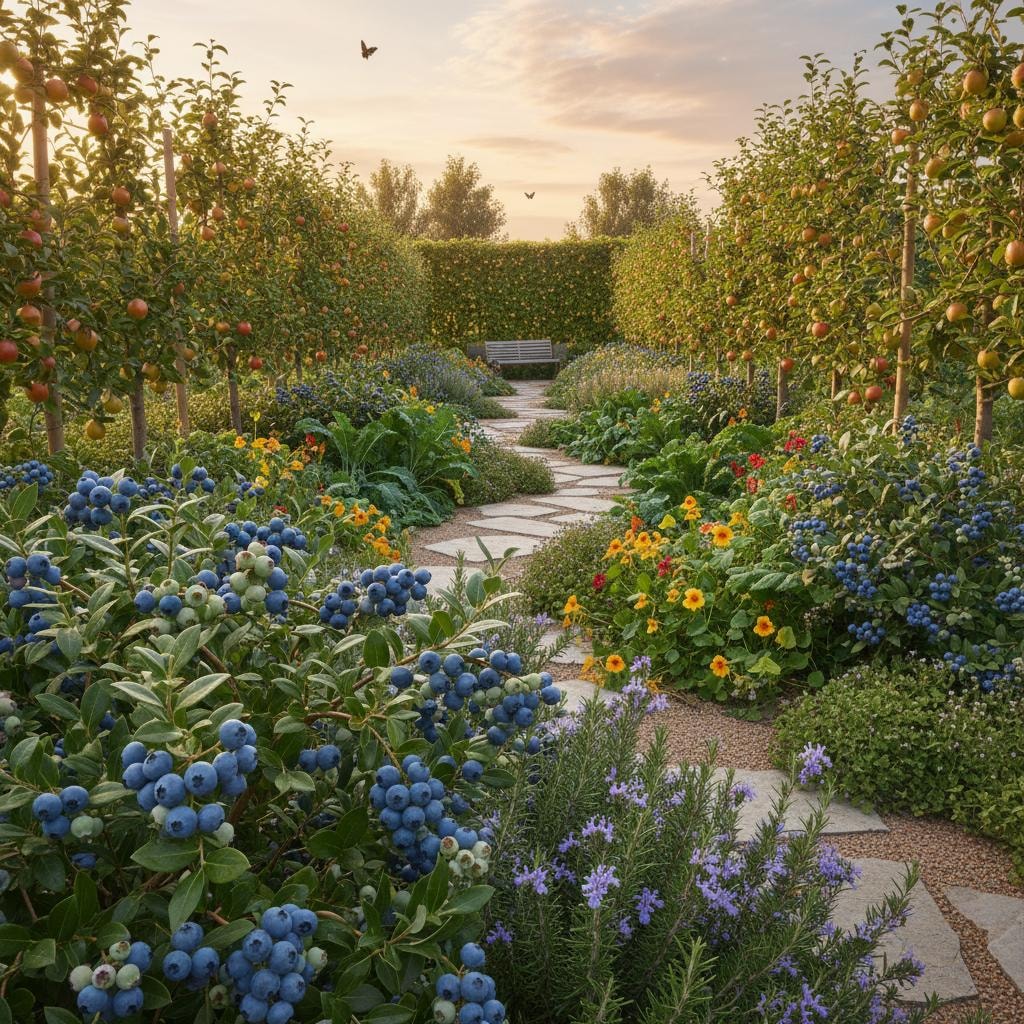
Combine species for biodiversity and extended appeal. Pair blueberries with currants alongside herbs or understory trees. This approach yields varied textures, heights, and harvest periods.
Key Design and Implementation Factors
Evaluate the hedge's primary role before installation, whether for seclusion, windbreaks, or zone separation. This assessment informs plant decisions.
For Privacy and Barriers:
Select upright growers like serviceberry or hazelnut. Prune annually to densify the structure while promoting fruit set.
For Ornamental Edges:
Opt for tidy varieties such as lavender, rosemary, or compact blueberries. These define spaces without overwhelming smaller areas.
For Ecological Enhancement:
Incorporate fruit shrubs with herbs to draw bees, butterflies, and birds. Allocate portions of the yield to wildlife while reserving the rest for personal use.
Plant spacing varies by goal: position plants 2 to 4 feet apart for dense screens, or wider for accessibility during harvest. Apply organic mulch around bases to retain soil moisture and suppress weeds. Install drip lines for efficient irrigation, particularly in the establishment phase.
Pruning, Nutrition, and Care Strategies
Edible hedges demand pruning focused on productivity rather than solely aesthetics. Trim after fruiting to remove spent canes and stimulate renewal. This practice maintains tidiness and vigor over time.
Apply fertilizers sparingly, using compost or balanced organic formulas to bolster yields without excess vegetation. Mulch layers moderate soil conditions and minimize evaporation.
Diversity in plantings fosters natural pest resistance. Encourage beneficial insects and birds through companion planting. Address problems with targeted removal of affected parts or neem-based solutions, steering clear of synthetic treatments that compromise edibility.
Embracing Seasonal Dynamics
Edible hedges animate the garden across the year. Spring introduces flowers that precede leaf-out on many ornamentals. Summer delivers ripe produce amid lush greenery.
Autumn foliage shifts to warm tones, with persistent berries sustaining wildlife into winter. Evergreen elements like rosemary ensure year-round presence. This combination of deciduous and persistent plants provides continuous visual interest and structural balance.
Fostering Garden Harmony
Effective landscapes exhibit unity through recurring motifs. Edible hedges reinforce this by mirroring plants in other zones, such as repeating berry shrubs in pots.
Harmonize colors and forms for seamless transitions. Blueberries complement lavender and sage through shared blue-purple schemes and contrasting leaf textures. Uniform spacing creates rhythmic patterns that guide the viewer's eye naturally.
Building Gradually Through Observation
Initiate with a modest segment to assess performance. Monitor sunlight exposure, drainage, and growth habits over the first season. This method builds confidence in care routines and harvest timing.
As plants establish, they integrate into daily life. Family members gather herbs en route to outdoor activities. Visitors appreciate the aromatic borders, enhancing the garden's welcoming quality.
Environmental and Personal Advantages
Edible hedges extend beyond aesthetics and output to ecological contributions. They bolster pollinator networks, offer wildlife corridors, and lessen reliance on external inputs. Root systems prevent erosion and filter water flow.
The dual role of provision and protection instills a sense of stewardship. These borders evolve into integral environmental assets that sustain the garden ecosystem.
Nurturing Ongoing Evolution
Observe how the hedge influences garden interactions. Pruning sessions foster mindfulness, while seasonal gatherings promote appreciation. The feature shifts from divider to interactive element.
Refine selections based on preferences and outcomes. Duplicate successful varieties elsewhere for consistency. With time, these borders define the landscape's character, merging utility with enduring style.
Practical Steps to Begin
Assess your site by mapping sun patterns, testing soil pH, and identifying underutilized edges. Select 3 to 5 plants aligned with your zone's hardiness and personal tastes.
Prepare the area with amended soil and proper spacing. Plant in fall or early spring for root development. Monitor progress and adjust care annually.
This investment yields a multifaceted garden that nourishes physically and inspires creatively, reimagining boundaries as sources of abundance.