Why Rewilding Represents the Future of Low-Maintenance Yards
The initial encounter with a rewilded garden often evokes a mix of surprise and recognition. Lacking manicured hedges or precise lawn edges, such spaces pulse with vitality. Birds flit among tall seed heads, bees visit clover blooms, and the air holds the rich aroma of undisturbed soil. This vitality arises from deliberate choices that align human spaces with natural rhythms.
Rewilding promotes collaboration over control in landscape management. Homeowners tired of constant mowing, trimming, and watering discover a more harmonious approach. This method prioritizes equilibrium over flawlessness, yielding yards that demand less effort while delivering greater rewards.
Core Principles of Rewilding
Rewilding centers on reinstating natural dynamics rather than enforcing rigid aesthetics. It moves from dominance to coexistence. Rather than dictating a yard's appearance, individuals permit native flora, soil life, and animals to influence its development.
This practice avoids unchecked overgrowth or disorder. Instead, it fosters a structured yet flexible environment where regionally adapted plants flourish with limited intervention. Proper species placement leads to substantial maintenance reductions. Soil health improves, water consumption falls, and reliance on fertilizers or pesticides diminishes significantly.
Conventional landscaping frequently opposes the land's inherent traits. Installations include thirsty lawns in arid zones, forced pruning of shrubs, and removal of leaf litter as waste. Rewilding adopts the contrary strategy. Individuals assess the site's natural behaviors and align their efforts accordingly.
Benefits of Low-Maintenance Rewilding
Homeowners often turn to rewilding for tangible advantages. Routine yard tasks can consume substantial time. Lawns necessitate regular mowing, supplemental watering, and weed suppression. Flower beds require annual replanting, precise pruning, and nutrient applications. Rewilded designs leverage interdependent systems for sustainability.
Established native plants manage their own needs effectively. Deep root systems access groundwater independently, foliage provides ground cover to deter weeds, and blooms draw pollinators that regulate pest levels. The landscape remains dynamic and vibrant with minimal oversight.
A rewilded yard demands ongoing attention, though far less intensive. Guidance involves selective weeding, path maintenance, or targeted mulching. Efforts shift toward nurturing rather than dominating the space.
Finding Beauty in Natural Forms
Adopting rewilding requires redefining aesthetic ideals. Traditional designs value symmetry and precision. Even grass heights, aligned flower rows, and flawless soil surfaces define success. Rewilding embraces an organic progression that evolves seasonally.
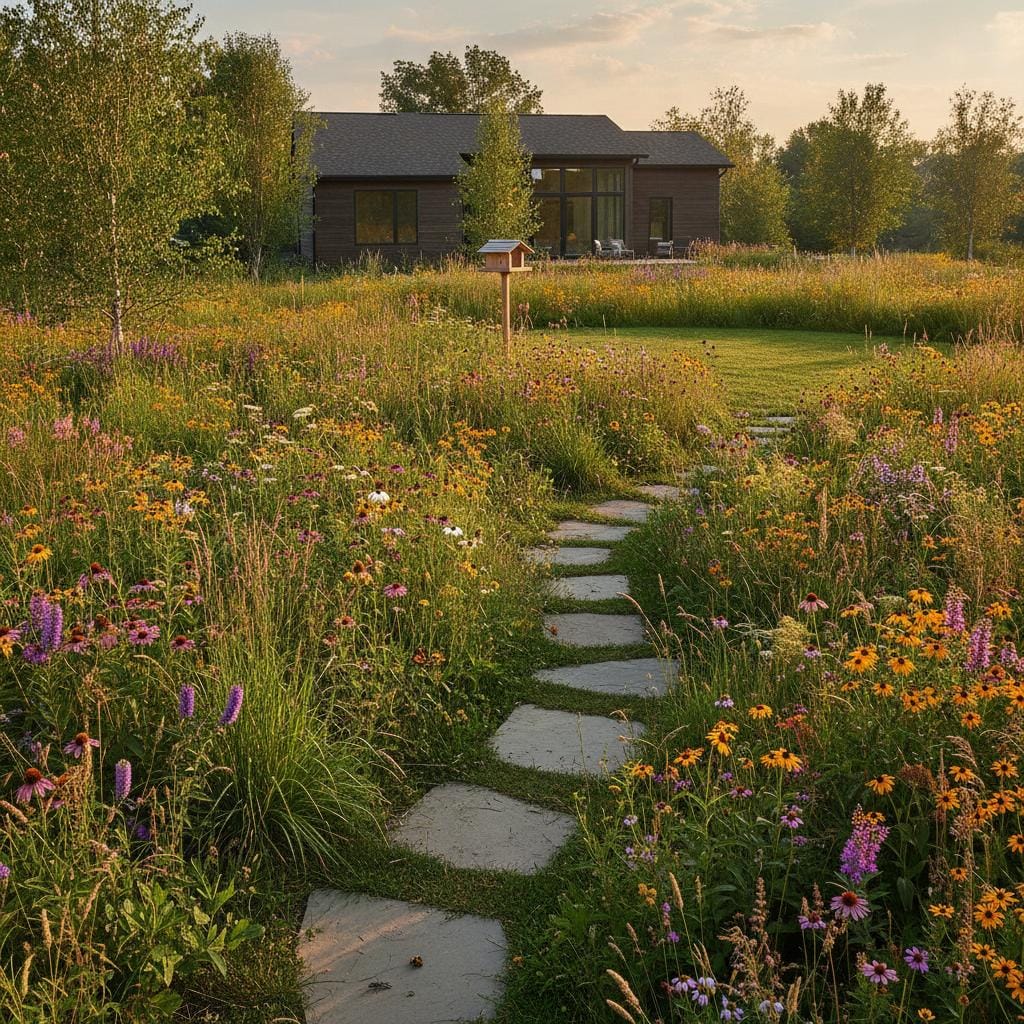
A blend of grasses and wildflowers might seem unstructured initially. Yet it embodies endurance and variety. Plants serve specific functions, such as nectar provision for pollinators or erosion control. Seasonal shifts bring evolving hues and textures, accompanied by natural sounds like leaf whispers and insect buzzes.
This beauty matures gradually. It sparks exploration over imposition. Releasing the urge to perfect every detail reveals subtle details, such as morning dew on seed pods or light patterns through swaying grasses.
Actionable Steps to Initiate Rewilding
Rewilding begins modestly, without necessitating full yard transformation. Select a trial zone, like a rear garden edge or fence-adjacent strip. Proceed through these structured phases for effective results.
1. Assess Your Site
Observe the yard's patterns over several weeks. Identify drainage points after storms, prolonged sun exposure areas, and persistent shade zones. These insights guide plant selections that align with local conditions.
2. Prepare the Ground
Address compacted soil or dominant turf by aerating or excising grass patches. Apply sheet mulching with layered cardboard topped by two inches of compost to smother existing growth and amend the earth. This method prepares the area for new plantings without aggressive digging.
3. Select Appropriate Natives
Prioritize species indigenous to your region, adapted to prevailing weather and terrain. Opt for combinations including prairie grasses, perennials like coneflowers or black-eyed Susans, and low shrubs such as serviceberry. These choices sustain local fauna with reduced inputs; consult garden centers for verified stock.
4. Build Plant Layers
Replicate natural stratification with understory perennials beneath mid-height forbs and overarching grasses or shrubs. For instance, position short asters below taller switchgrass. This arrangement promotes habitat diversity, suppresses invasives, and enhances stability.
5. Establish Boundaries
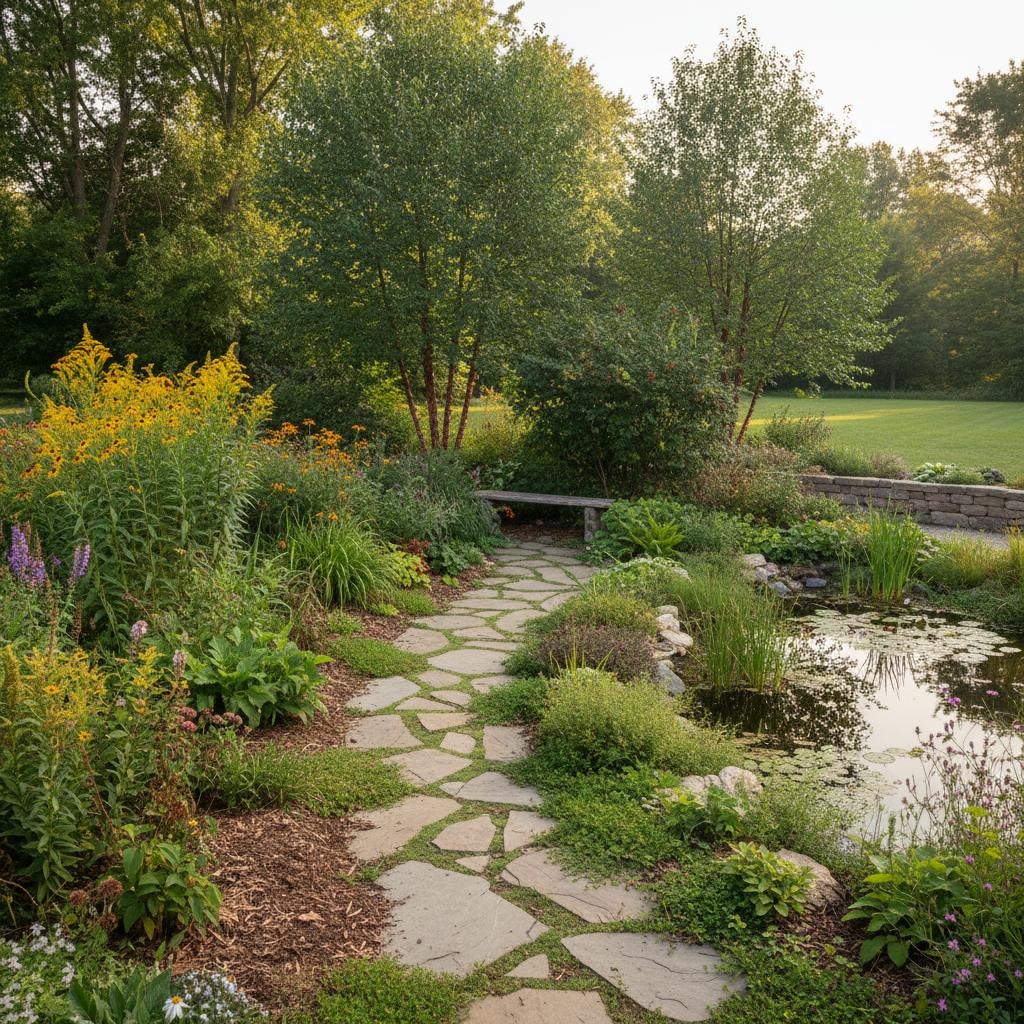
Incorporate defined elements to convey purpose. Install gravel paths one foot wide, install low stone curbs, or edge with untreated lumber. Such features frame the wild elements, preventing perceptions of neglect.
6. Exercise Patience
Anticipate a phased establishment. Year one may feature thin coverage as roots develop. By years two and three, self-sowing occurs, filling gaps and achieving harmony. Consistent light weeding supports this progression.
Traditional Versus Rewilded Landscapes
View rewilding as an advancement of established landscaping principles. Traditional methods emphasize mastery, whereas rewilding fosters synergy.
- Water Efficiency: Conventional lawns require irrigation systems for survival in suboptimal conditions, while natives rely on ambient precipitation.
- Input Reduction: Synthetic fertilizers and herbicides dominate standard care, contrasted by rewilding's emphasis on organic decomposition and microbial activity.
- Habitat Support: Uniform lawns provide scant shelter, unlike rewilded zones that host diverse species from insects to avians.
- Time Commitment: Weekly labors define traditional upkeep, reduced to quarterly or seasonal tasks in rewilded settings.
Both styles offer unique merits, yet escalating ecological pressures favor rewilding's integrated approach.
Environmental Impacts of Rewilding
Rewilded yards extend beyond personal convenience to bolster broader ecosystems. Native flora nourishes essential pollinators, which sustain higher trophic levels like songbirds. Root networks mitigate erosion and enhance infiltration, curbing runoff pollution.
Compact properties contribute meaningfully. A single native planting integrates into urban green corridors, amplifying connectivity when neighbors participate. Cumulative actions restore fragmented habitats effectively.
Soil vitality thrives under rewilding. Microbial communities decompose litter, cycling nutrients efficiently. Minimal disturbance allows carbon sequestration and moisture retention, yielding resilient, productive ground.
Personal Dimensions of Rewilding
Rewilding reshapes interactions with outdoor spaces. It instills forbearance and respect for natural timelines. Yards evolve from tasks to ongoing partnerships.
Satisfaction emerges from witnessing annual returns, serendipitous arrivals via seeds or wildlife, and revitalized acoustics. These spaces invite contemplation and repose.
This perspective extends outward. Heightened yard awareness sharpens appreciation for surrounding wild remnants, reinforcing commitments to preservation.
Addressing Typical Hesitations
Concerns about appearance or community feedback often deter rewilding. Integration provides resolution. Retain formal zones alongside wild sections for hybrid appeal.
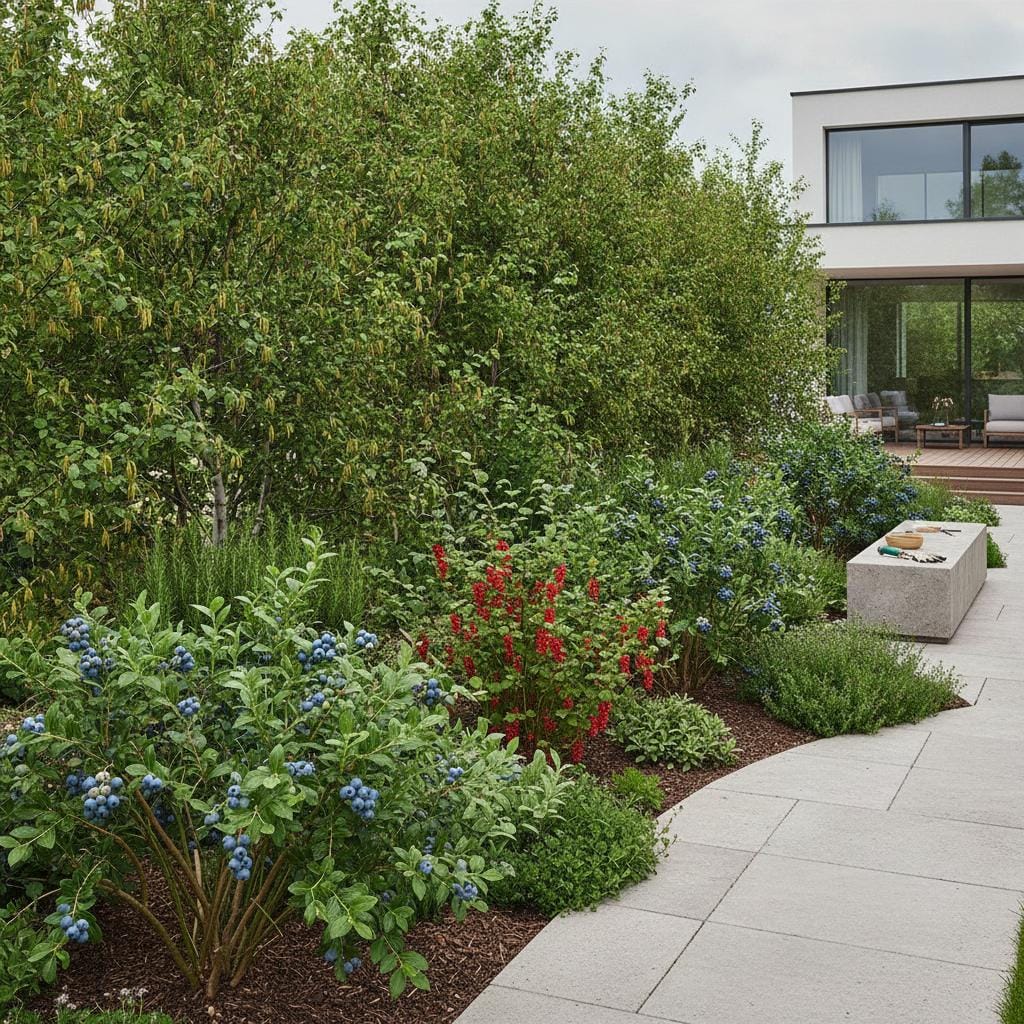
Incorporate transitional features, such as pollinator borders near hardscapes or native screens at property lines. Clear walkways and benches underscore design intent. Informational markers naming key plants educate observers on ecological goals.
Insect attractions raise another issue. Most visitors prove advantageous, with natural predators maintaining equilibrium. Pesticide avoidance preserves these balances.
Sustaining a Rewilded Yard
Established rewilded areas require attuned maintenance. Late-winter pruning of perennials prevents overcrowding. Vigilant removal of non-natives preserves integrity. Supplemental compost bolsters depleted spots annually.
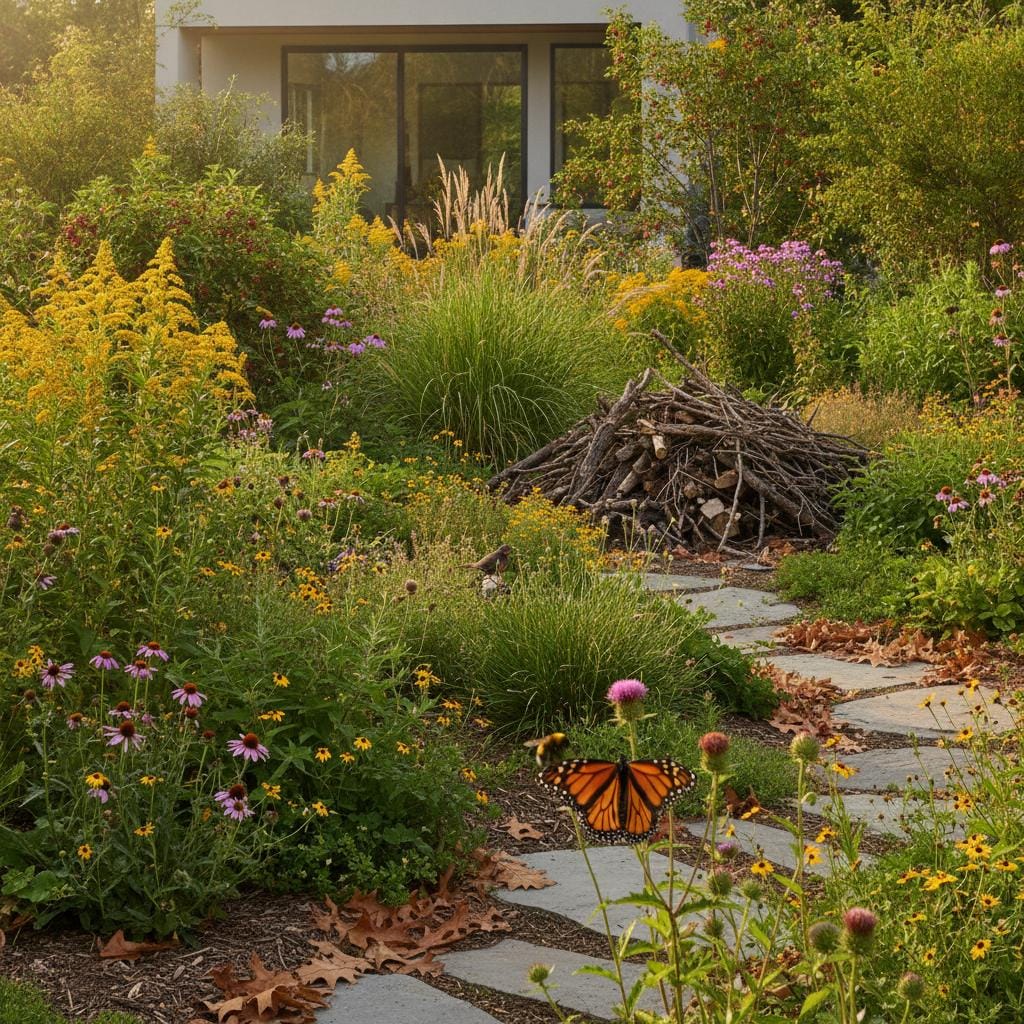
Enhance with habitat aids like stacked branches for invertebrates, bird baths at ground level, or stone heaps for reptiles. These elements amplify life without escalating labor.
Attunement grows intuitive. Flourishing versus declining plants indicate optimal fits. Embracing these cues ensures enduring vitality.
Realizing Rewilding's Potential
Rewilding reorients design toward ecological insight. Individuals adopt observational roles, steering subtle influences. Learning from the land supplants adversarial tactics.
This philosophy yields landscapes of profound sustainability. Reduced efforts yield amplified beauty and biodiversity. Homeowners gain not only practical efficiencies but also enriched environmental stewardship.