Fruit Hedges: Privacy That Produces Fresh Food
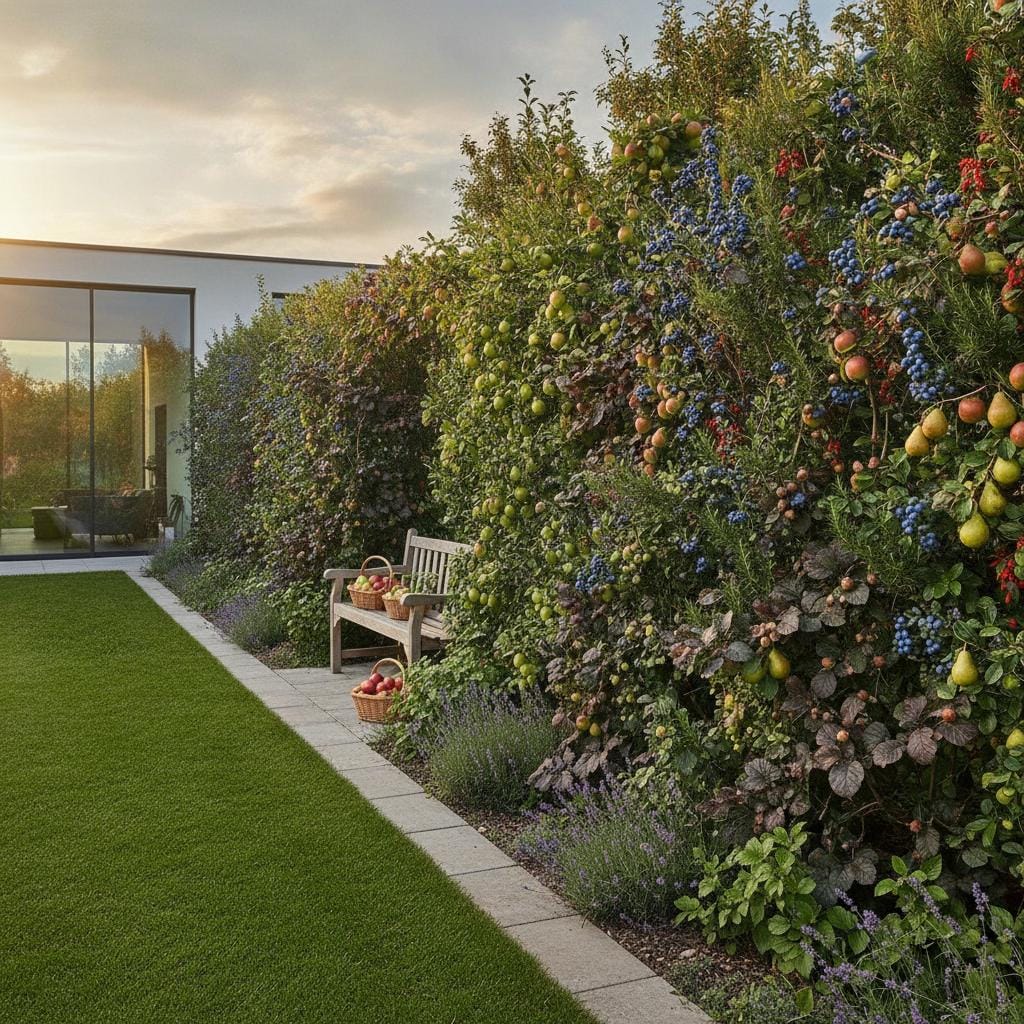
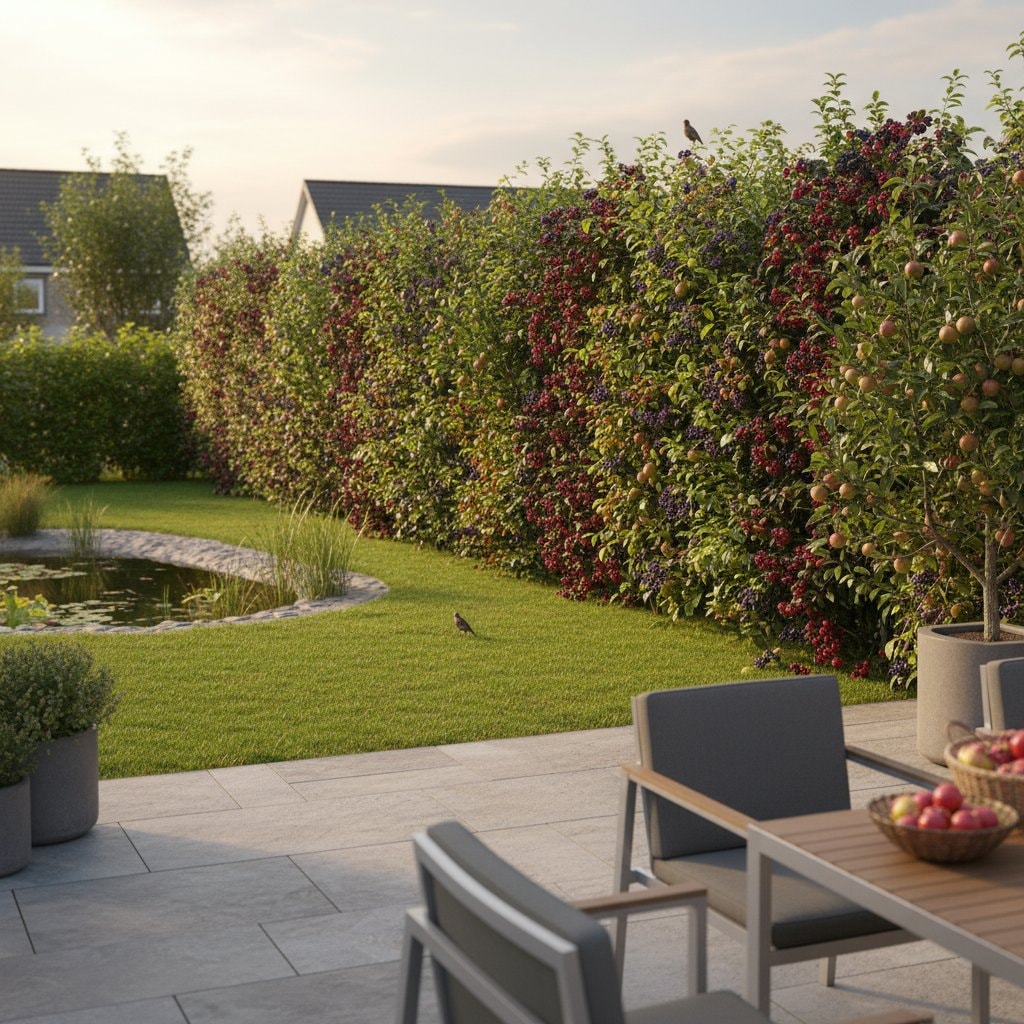
A fruit hedge provides more than a simple boundary for your yard. It delivers seclusion, aesthetic enhancement, and a reliable source of fresh produce. Homeowners increasingly adopt edible landscaping to render their outdoor areas both practical and visually pleasing. A lineup of fruit-bearing shrubs or compact trees effectively isolates your property from neighboring views, tempers the edge of an existing fence, or delineates a walkway. The primary advantage lies in the seasonal yield of fruits cultivated personally.
This guide details the mechanics of fruit hedges, suitable plant selections, maintenance protocols, and anticipated expenses, labor requirements, and outcomes.
Selecting Appropriate Plants
Optimal hedge plants hinge on local climate, soil composition, and available space. Prioritize species adapted to regional conditions that withstand pruning into hedge forms while preserving fruit yield and quality.
Popular Choices for Fruit Hedges
-
Blueberries: These compact shrubs reach heights of 3 to 5 feet. They thrive in acidic soil with full sun exposure. Plant multiple varieties spaced 4 to 6 feet apart to facilitate cross-pollination and maximize berry production.
-
Currants and Gooseberries: Hardy shrubs that endure partial shade. They yield clusters of small, tangy fruits suitable for preserves and culinary sauces. Space plants 3 to 4 feet apart in well-drained soil for vigorous growth.
-
Raspberries and Blackberries: Vigorous canes that propagate rapidly. They require robust trellising and annual pruning. Opt for summer-fruiting varieties for early harvests or everbearing types for extended seasons; position canes 2 to 3 feet apart along supports.
-
Apples and Pears: Select dwarf or semi-dwarf rootstocks suitable for hedging. Plant at intervals of 3 to 4 feet and train branches horizontally or vertically to construct a cohesive barrier. Choose disease-resistant cultivars like Liberty apples for reliable performance.
-
Plums or Cherries: Well-suited for elevated hedges reaching 8 to 12 feet. Certain varieties prove self-pollinating, whereas others demand compatible partners nearby. European plums, for instance, offer sweet fruits and adapt to pruning for density.
-
Aronia (Chokeberry): A native option featuring lustrous foliage, springtime white blossoms, and antioxidant-packed dark berries. It tolerates wet soils and grows 6 to 8 feet tall, ideal for informal hedges in USDA zones 3 to 8.
-
Serviceberry: Yields sweet, blueberry-resembling fruits and attains 10 feet in height. Its spring white flowers and fall color create a compelling hedge. Plant in groups spaced 6 to 8 feet for a natural screen that supports birds.
For low-maintenance borders under 4 feet, favor berry shrubs. To achieve taller screening, employ espalier techniques on fruit trees or select multi-stemmed varieties that fill space efficiently.
Maintenance Practices
Established fruit hedges demand moderate upkeep to sustain vitality and productivity, yet consistent care prevents common issues.
Pruning Techniques
Conduct annual pruning to eliminate dead or damaged wood and promote a thick profile. For berry producers, remove canes over three years old post-harvest to stimulate fresh growth. In fruit trees, thin overlapping branches during dormancy to enhance light penetration and airflow, thereby reducing fungal risks. Always use sharp, clean tools to make precise cuts just above buds.
Fertilization and Irrigation
Distribute a balanced, slow-release fertilizer in early spring, followed by a light application post-harvest if growth appears sluggish. Organic amendments like compost enrich soil without risking nutrient overload. In periods of drought, deliver deep watering weekly, equivalent to 1 inch of rainfall, using drip irrigation to target roots and minimize evaporation.
Managing Pests and Diseases
Monitor regularly for invaders like aphids, caterpillars, or Japanese beetles, which may cluster on new growth. Encourage natural predators such as ladybugs by avoiding broad-spectrum pesticides. Apply insecticidal soaps or neem oil sprays at the first sign of infestation, targeting undersides of leaves. Prevent diseases by raking fallen debris promptly and spacing plants adequately for ventilation; remove and destroy affected parts immediately.
Harvest Methods
Fruit hedges typically begin yielding within two to three years of planting. Harvest berries and fruits at peak ripeness, twisting gently to avoid branch damage. Frequent collection stimulates ongoing production and maintains an orderly appearance. Store excess yields by freezing, drying, or processing into value-added products like pies or jellies.
Design Strategies for Fruit Hedges
Tailor fruit hedges to complement your landscape aesthetic through strategic shaping and companion planting. A precisely sheared row of blueberries integrates seamlessly into formal designs, providing year-round structure. Blend currants, raspberries, and gooseberries for an informal, cottage-style border that evolves with the seasons.
Incorporate espaliered apples or pears against walls or fences to introduce architectural interest and space efficiency. At the hedge base, interplant pollinator-friendly herbs such as lavender or bee balm to boost color, fragrance, and fruit pollination rates. This layered approach enhances biodiversity and extends visual appeal.
In constrained areas, prioritize space-saving selections like container-adapted blueberries or columnar apple varieties. These fit snugly along pathways, patios, or property lines, delivering privacy without overwhelming small lots.
Harvest the Benefits of Your Fruit Hedge
A well-crafted fruit hedge merges seclusion, ornamentation, and nourishment into a single, evolving feature. Initial establishment requires dedication, yet the rewards of fresh, homegrown bounty and enhanced curb appeal endure.
Begin integrating function and flavor into your yard today. The joy of savoring your own harvest, paired with a landscape that serves multiple purposes, transforms ordinary spaces into thriving havens.