Front Yards Become Edible Farms: A New Way to Garden
Many homeowners gaze at their front yards and sense untapped potential. These spaces often appear attractive yet lack deeper purpose. Increasing numbers of individuals address this by converting lawns into productive edible gardens. This shift fosters sustainability, enhances daily nourishment, and strengthens community ties.
Seeing Your Front Yard Differently
Traditionally, front yards serve as visual displays with manicured grass and ornamental shrubs. Contemporary priorities emphasize resource efficiency and wellness, prompting a reevaluation of these areas. Homeowners opt for gardens that yield food rather than consume excessive water and maintenance.
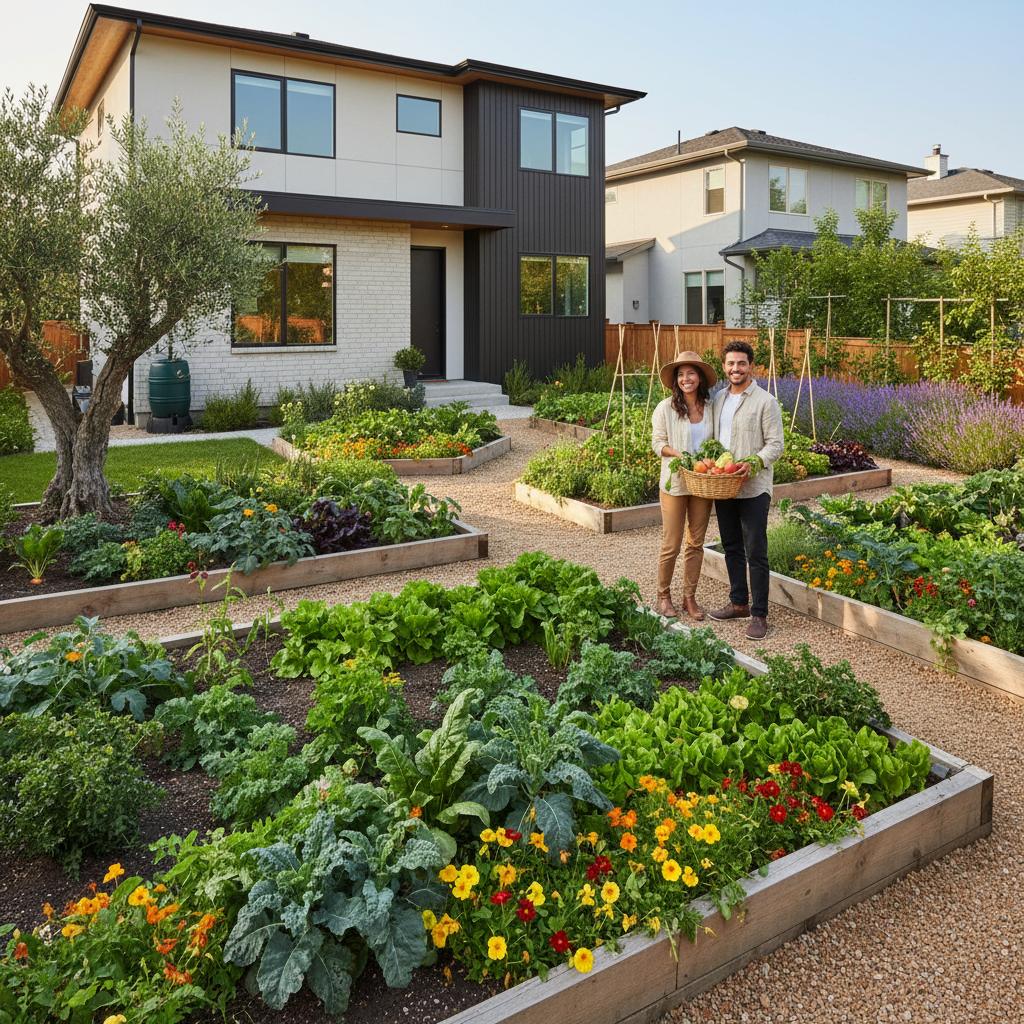
An edible front yard integrates seamlessly into routines. Residents harvest fresh greens for salads or aromatic herbs for meals directly from the entrance. This transforms the yard into a dynamic, seasonal resource that enriches both aesthetics and utility.
Assessing What You Have
Evaluate your front yard systematically before any planting. Observe sunlight patterns by noting shaded and exposed areas throughout the day. Identify drainage issues, such as low spots that retain water or dry zones prone to cracking.
Tailor plant selections to site conditions. In shaded regions, prioritize shade-tolerant options like kale, mint, or raspberries. Sunny exposures suit heat-loving varieties such as eggplants, beans, or zucchini. Utilize raised beds or pots in compact areas to maximize yields from limited soil.
Prioritize soil preparation as the bedrock of success. Incorporate aged compost or well-rotted manure into the top six inches of earth to boost fertility and structure. This amendment improves water retention and aeration, minimizing irrigation demands while nurturing beneficial soil organisms like earthworms.
Planning a Useful and Beautiful Layout
Design an edible landscape that balances productivity with visual harmony. Sketch a basic map dividing the space into zones for vertical elements, low growers, and access paths. Cluster compatible plants together based on shared requirements for light and moisture to streamline upkeep.
Incorporate edible and ornamental elements for layered appeal. Position nasturtiums alongside salad greens; these flowers deter aphids while providing vibrant blooms and peppery leaves. Espalier fruit trees against walls for space-saving structure, or line borders with rosemary and sage for scent and pollinator attraction.
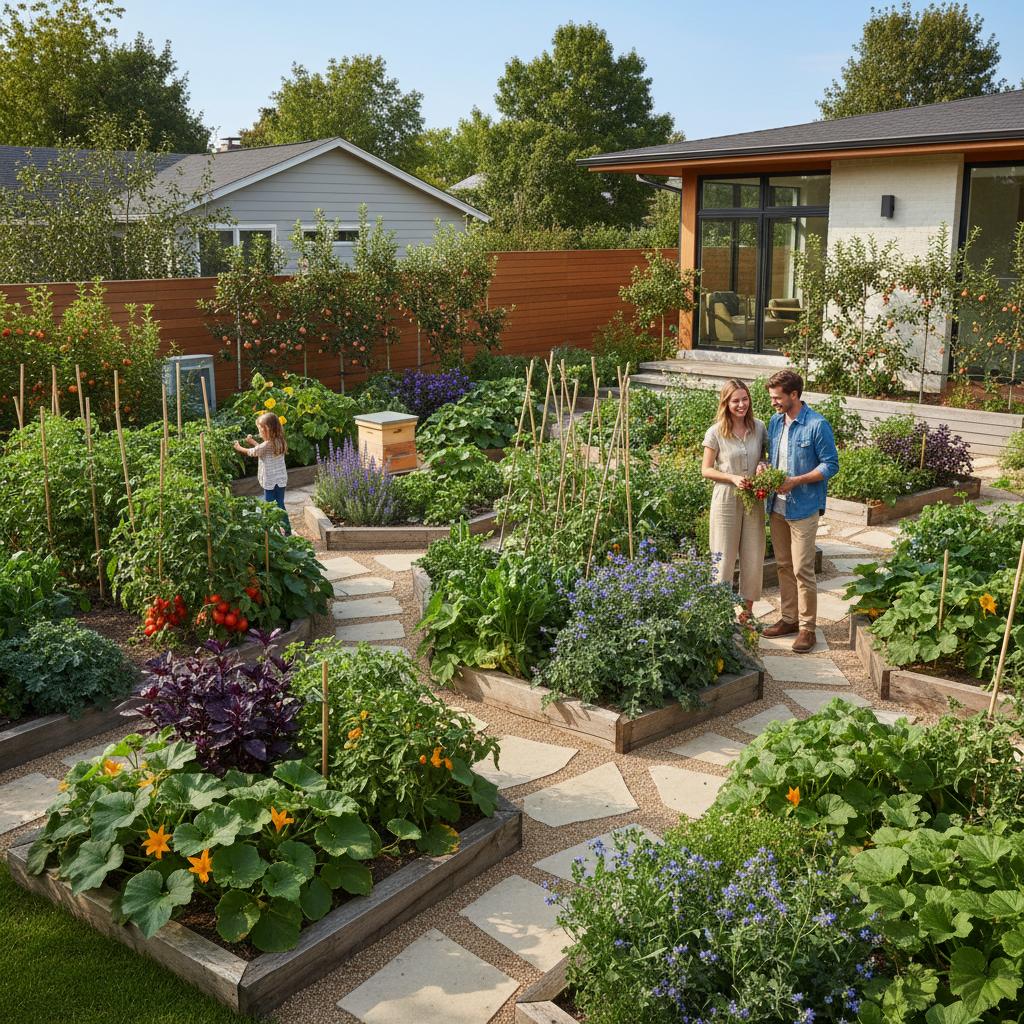
Address space constraints with vertical techniques. Install sturdy trellises for climbing peas or cucumbers, suspend pots from eaves for trailing cherry tomatoes, or mount shelves on fences for potted greens. Transform narrow strips, such as those along driveways, into linear beds for dwarf varieties like alpine strawberries.
Taking the First Steps
Commence with targeted initiatives to build confidence. Construct a single 4-by-4-foot raised bed using untreated lumber, filling it with a mix of topsoil and compost. Alternatively, establish a herb border along the walkway with perennials like oregano and chives.
Select a diverse assortment of crops for continuous output. Sow fast-maturing seeds such as arugula or carrots, which mature in 30 to 60 days, alongside perennials like asparagus that establish over seasons. Rotate plantings to avoid soil depletion and extend harvests from spring through fall.
Navigate potential restrictions by integrating edibles discreetly. If guidelines prohibit visible vegetables, interplant them with compliant ornamentals like dwarf evergreens. Document your design's tidiness and benefits to advocate for policy changes in restrictive associations.
Caring for Your Living Landscape
Maintain your edible yard through consistent, low-effort practices. Apply water at the base of plants in the early morning to promote deep root development and reduce evaporation. Mulch with organic materials like straw or bark chips to suppress weeds and conserve soil moisture.
Harvest regularly to stimulate growth; for example, pinch basil tops to encourage bushiness. Monitor for pests and deploy integrated strategies: introduce predatory insects via companion plants like dill for beneficial wasps, or apply diluted garlic sprays for aphid control.
Sustain soil vitality with on-site composting. Layer yard trimmings and food waste in a bin, turning the pile weekly to accelerate decomposition. Return the finished compost to beds annually, observing enhanced plant vigor and reduced reliance on external inputs.
Building Community Through Edible Yards
Visible edible gardens often draw neighborly interest. Passersby inquire about varieties or maintenance tips, fostering exchanges of cuttings or recipes. These interactions evolve into collaborative efforts, such as communal seed libraries or group mulching days.
Extend hospitality through simple sharing mechanisms. Place surplus items like cherry tomatoes in a communal box with a sign inviting takers. Host seasonal gatherings where participants prepare dishes from collective harvests, reinforcing bonds over shared abundance.
Watching Your Garden Thrive
As seasons progress, the yard evolves into a resilient ecosystem. Initial efforts yield to established patterns of growth and renewal. Track progress in a journal, noting successes like robust yields from amended soil or failures from overlooked shade.
Experiment iteratively: test heirloom versus hybrid seeds, refine irrigation with rain barrels, or rearrange guilds of mutually supportive plants. This ongoing dialogue with the landscape deepens appreciation and refines techniques for optimal results.
Harvesting Daily Rewards
An edible front yard delivers tangible and intangible benefits. Fresh produce enhances meals with superior flavor and nutrition, while the process cultivates mindfulness and skill. This investment in place yields a sanctuary that sustains health, relationships, and environmental harmony.