2026's Low-Water Luxury: Gravel Gardens Take Center Stage
Gardens reveal much about their caretakers through their design choices. Some feature lush abundance, while others emphasize deliberate simplicity. Homeowners increasingly select gravel gardens to embody restraint, texture, and resilience. These landscapes require minimal water yet maintain refined appeal. They foster a grounded serenity that aligns with evolving relationships to nature.
A New Aesthetic for Modern Landscapes
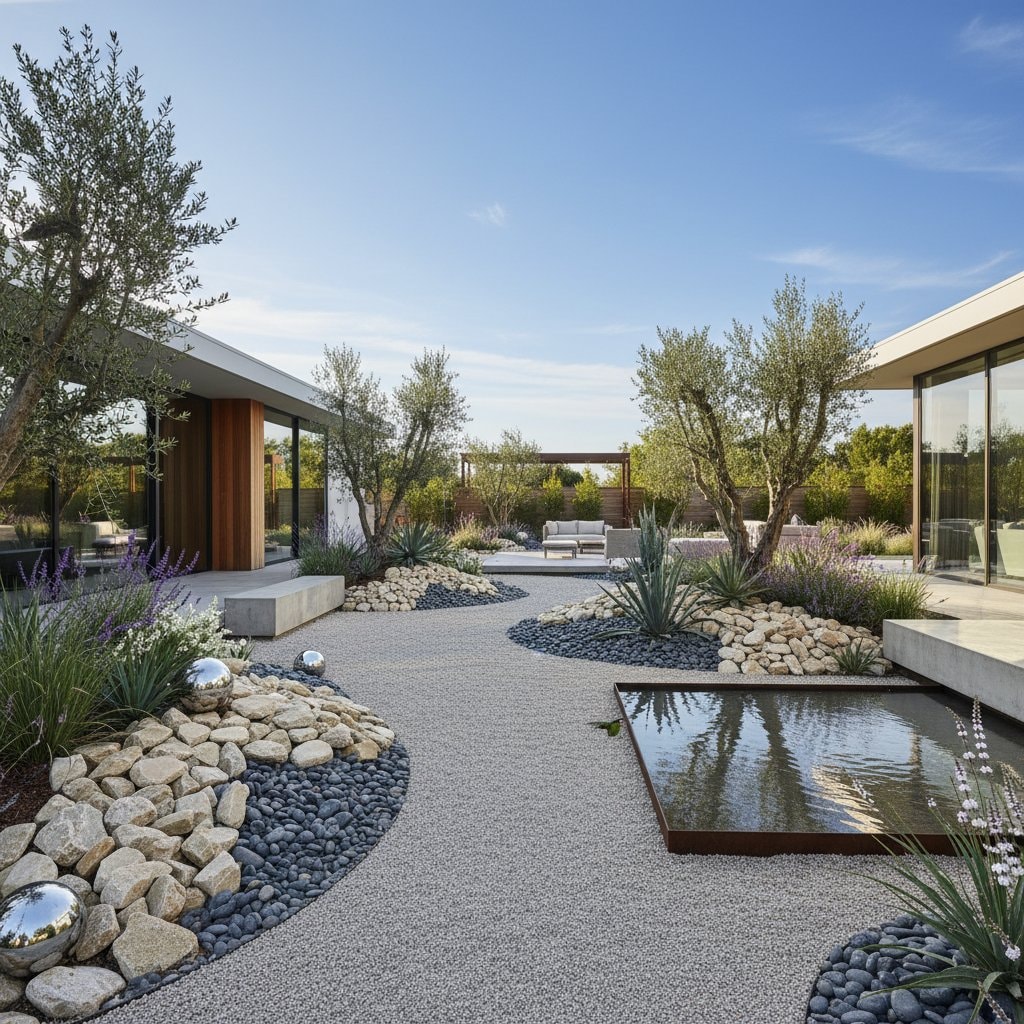
Gravel gardens draw from dry-climate traditions, integrating stones, drought-tolerant plants, and precise layouts. Unlike water-intensive lawns that once signified status, these designs prioritize sustainability and longevity. They bridge rustic authenticity with contemporary elegance, ensuring year-round visual interest through evolving textures and light effects.
This aesthetic suits varied climates by mimicking natural arid environments. Designers often incorporate clean lines for formality or softer edges for informality. The outcome rewards attentive viewers with subtle seasonal shifts.
The Luxury of Restraint
Traditional luxury in gardens involved excess, such as expansive lawns and heavy irrigation. Gravel gardens redefine luxury through simplicity and ease. Muted stone colors, silvery foliage, and the subtle crunch of gravel underfoot create tranquil, self-sufficient spaces.
Effective designs balance elements to avoid clutter or emptiness. Select three to five plant varieties and repeat them strategically. This approach maintains cohesion while highlighting individual textures.
Understanding the Structure of a Gravel Garden
Begin construction with a stable base of compacted soil for even support. Add a permeable gravel layer, typically 2 to 4 inches deep, over landscape fabric to enhance drainage. Plant roots establish in soil pockets amid the stones, forming a resilient system over time.
Gravel functions as natural mulch, moderating soil temperature and minimizing moisture loss. It suppresses most weeds, though occasional ones add organic interest. Ensure slopes allow water to flow freely, preventing root rot.
Choosing the Right Gravel
Gravel selection shapes the garden's mood and utility. Consider particle size, shape, color, and origin for optimal performance.
- Pea gravel: Rounded pebbles, 1/4 to 1/2 inch, suit soft walkways and seating zones for comfortable footing.
- Crushed stone: Angular pieces, 3/8 to 3/4 inch, provide traction on paths or driveways.
- Decomposed granite: Fine, compactable material forms dust-free surfaces that mimic earth while draining efficiently.
Opt for light-colored gravel like pea stone to illuminate dim areas. Darker options, such as basalt, add contrast and make foliage pop. Source locally to match regional aesthetics and reduce transport costs.
Plants That Thrive in Gravel
Select plants adapted to dry, lean soils with deep roots for stability. Mediterranean and native species excel, offering fragrance, color, and pollinator appeal.
Recommended options include:
- Lavender (Lavandula spp.): Provides upright structure and aromatic blooms from summer to fall.
- Thyme (Thymus vulgaris) or creeping sedum (Sedum spp.): Forms low mats to cover bare spots.
- Echinacea (Echinacea purpurea), gaura (Oenothera lindheimeri), or salvia (Salvia nemorosa): Delivers seasonal flowers in purples, pinks, and whites.
- Ornamental grasses like feather grass (Stipa tenuissima) or blue fescue (Festuca glauca): Adds swaying motion and fine texture.
- Agave (Agave spp.) and yucca (Yucca filamentosa): Serves as bold focal points with minimal needs.
Establish plants in full sun with well-drained pockets. Water deeply but infrequently during the first year to encourage root growth.
Design Principles to Guide You
Achieve harmony by repeating focal plants every 3 to 5 feet. Introduce contrast through height: pair low groundcovers with tall accents. Vary gravel sizes to delineate zones, such as finer pebbles for intimate seating and coarser for pathways.
Incorporate winding paths 3 feet wide for easy access. Edge with low stone borders or recycled metal to contain material. Sketch a layout on graph paper, scaling 1 inch to 10 feet, to visualize flow.
Balancing Function and Beauty
Tailor the garden to its purpose, whether retreat, entertainment area, or entryway. In arid zones, gravel cuts water use by up to 70 percent compared to turf. Integrate benches or fire pits on stable gravel bases for usability.
For courtyards, cluster potted evergreens amid gravel for Mediterranean flair. In backyards, weave paths through native perennials for a naturalistic vibe. Test layouts with temporary markers before committing.
The Subtle Drama of Light and Shadow
Gravel captures light uniquely, with pale stones reflecting dawn glow and dark ones deepening dusk shadows. Foliage casts dynamic patterns, enhanced by wind-swept grasses. Position taller elements to the north for optimal southern light exposure.
Observe the site at different times to note sun paths. This informs plant placement, ensuring vibrancy without scorching sensitive leaves.
Maintenance That Encourages Mindful Gardening
Perform targeted tasks to sustain the design without daily effort.
- Hand-pull weeds promptly to prevent seeding.
- Rake gravel monthly to even the surface and deter compaction.
- Prune perennials in late winter, removing dead growth to shape forms.
- Replenish gravel every 3 to 5 years, adding 1 inch as needed.
These routines build familiarity with seasonal cycles. Track changes in a journal to refine future care.
Environmental and Emotional Benefits
Gravel gardens conserve water and recharge groundwater through infiltration. They support biodiversity by hosting native insects and birds. Reduced chemical needs promote healthier ecosystems.
Tending such spaces cultivates mindfulness, fostering harmony with the environment. The low-intervention style yields satisfaction from observing natural progression.
Starting Small and Building Confidence
Test the concept in a 10-by-10-foot area, converting a lawn strip or bed. Plant a mix of three species and monitor performance over two seasons. Adjust irrigation based on rainfall patterns.
This method minimizes risk and reveals preferences. Minimalists may favor geometric patterns; others might lean toward organic drifts.
Integrating Gravel into Daily Life
Established gardens invite routine engagement, from morning walks to evening reflections. Mature plants and weathered stones develop character, blending seamlessly with the landscape.
Embrace evolution: add seasonal accents like bulbs in fall. This keeps the space vital and personal.
Steps to Create Your Gravel Garden
Assess your site for sun, soil, and drainage. Select gravel and plants suited to your zone. Install in layers, starting with base preparation.
Consult local experts for climate-specific advice. Monitor and tweak as the garden matures. The result is a sustainable haven that enhances life with effortless grace.