Property Lines That Feed You with Edible Hedges
A hedge can do more than mark your property line or provide privacy. When you plant edible varieties, those same borders can offer fruit, herbs, and berries throughout the growing season. Edible hedges combine the structure of landscaping with the productivity of a small orchard.
They look attractive year-round, support pollinators, and can reduce grocery costs over time. If you are thinking about defining your yard with living boundaries, this approach turns underused edges into productive spaces.
What Makes a Hedge Edible
An edible hedge uses plants that produce something you can eat, such as berries, fruit, or leaves. These plants grow densely enough to form a screen or barrier. Depending on your climate and soil, you can grow shrubs that yield small fruits for fresh eating, cooking, or preserves.
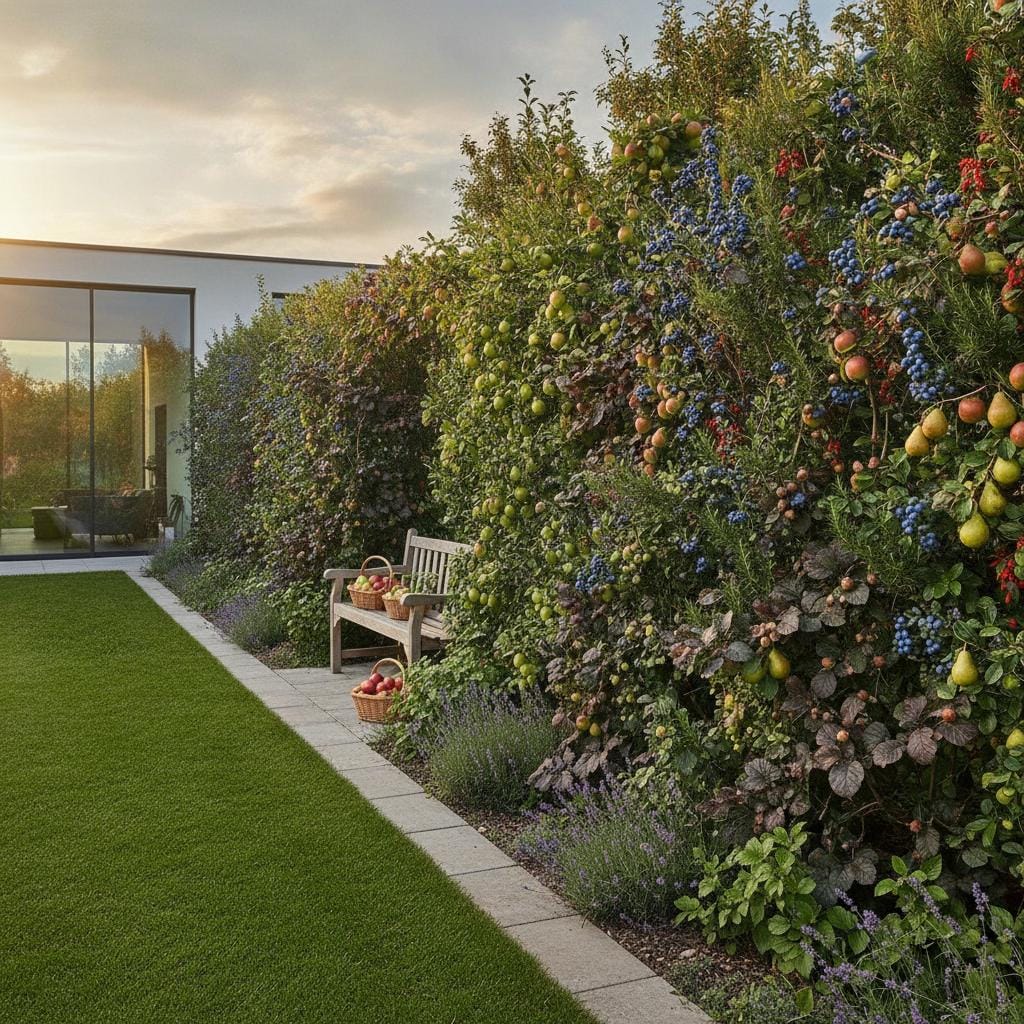
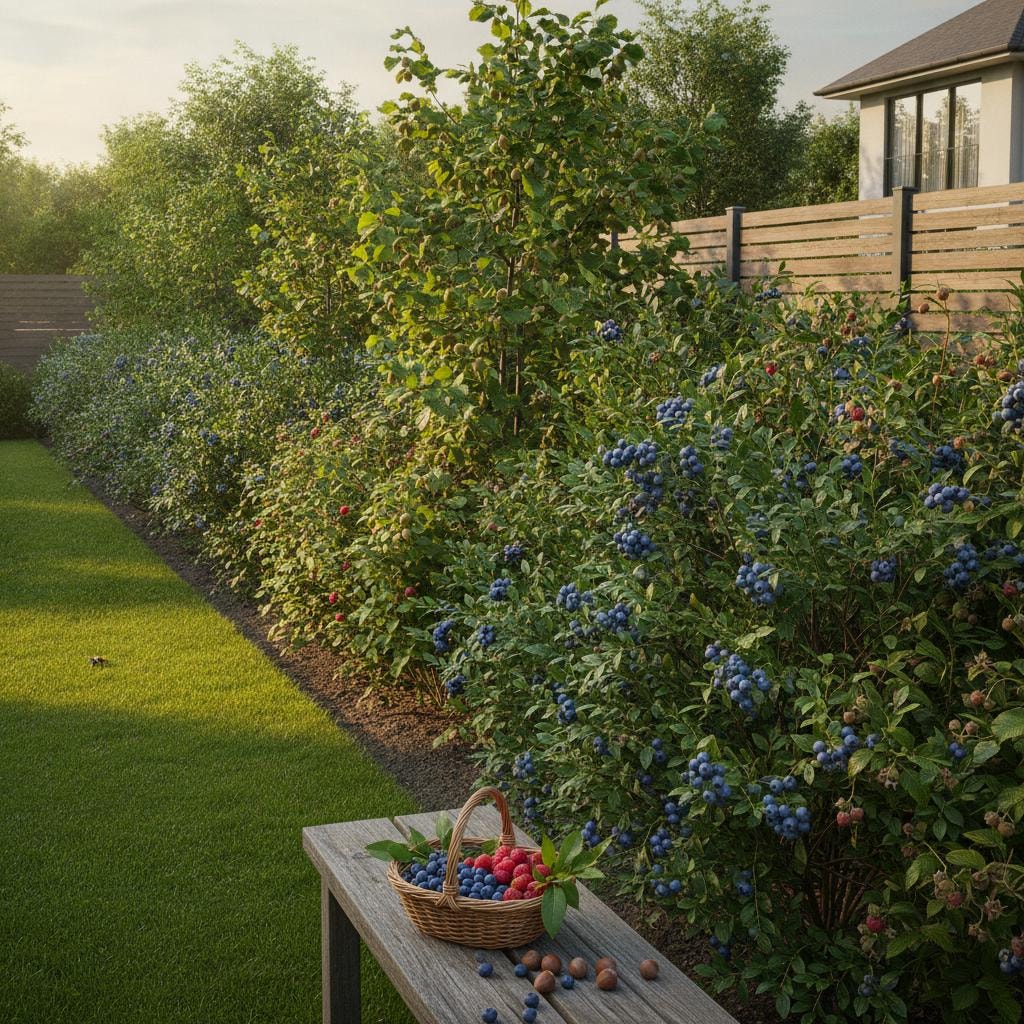
Common choices include blueberries for colorful fruit and seasonal color changes. Raspberries or blackberries create thick, thorny living fences. Currants and gooseberries suit shady spots or cooler zones. Serviceberries provide early fruit and spring flowers. Rose hips from rugosa roses supply vitamin-rich tea and jelly. Hazelnuts or filberts form a taller, woody hedge. Herb hedges like rosemary or lavender work for lower borders and fragrance.
When selecting plants, check local nursery stock for varieties suited to your region. Native or well-adapted species usually require less water and fertilizer.
Planning Your Productive Boundary
Before planting, decide what purpose your hedge will serve. Are you hoping for privacy, a windbreak, or a low divider between garden spaces? Height and density matter because they affect maintenance and harvest.
Low hedges of 1 to 3 feet work for herbs or low berries such as lingonberries or dwarf blueberries. Medium hedges of 3 to 6 feet suit currants, gooseberries, or compact raspberries. Tall hedges of 6 feet and up fit serviceberries or hazelnuts that double as privacy screens.
Measure the length of your boundary, then determine spacing. Most edible shrubs need 2 to 4 feet between plants. Taller varieties may need 5 to 8 feet. A double row planted in a zigzag pattern will fill in faster and provide a fuller look.
Soil and Site Preparation
Edible hedges grow best in well-drained soil rich in organic matter. Test your soil before planting to learn if it needs compost or pH adjustments. Most fruiting shrubs prefer slightly acidic conditions.
Clear the site by removing grass and weeds. Loosen the soil with a shovel or tiller to about 12 inches deep. Mix in compost or aged manure to improve fertility. Install irrigation such as drip lines to simplify watering. A healthy start ensures your hedge fills out quickly and bears fruit sooner.
Maintenance and Harvest
An edible hedge needs regular pruning and feeding to stay dense and healthy. Pruning also encourages new growth where most fruit forms. Early spring is the best time to shape the hedge before new shoots appear. Remove dead wood and thin crowded branches to allow sunlight and air to reach the interior.
Water deeply during dry spells, especially in the first few seasons. Mulch around the base with wood chips or straw to retain moisture and suppress weeds. Feeding once a year with compost or a balanced organic fertilizer keeps fruit production steady.
Keep an eye out for pests such as aphids or caterpillars. Hand removal or insecticidal soap usually handles minor infestations. Harvest varies by plant type. Blueberries and currants ripen in mid to late summer, while raspberries often produce two crops. Serviceberries are ready earlier, and hazelnuts ripen toward fall.
Cost and Effort
The cost of an edible hedge depends on plant type and size. Small starter shrubs cost less but take longer to fill in. Expect to spend 10 to 25 dollars per plant for most berry shrubs. Larger or specialty varieties run 25 to 50 dollars per plant.
Labor mainly involves planting, watering, and annual pruning. A modest single-row hedge of 30 feet can be installed in a day with basic tools. Once established, upkeep is similar to a standard ornamental hedge, with the added reward of fruit.
Design Tips for a Natural Look
Mixing plant types creates a more interesting and resilient hedge. You can alternate species or group them in sections for easy harvest. For example, place early-bearing serviceberries near mid-season blueberries, and finish with fall-fruiting raspberries.
Varying textures and leaf colors makes the hedge look intentional rather than utilitarian. Dark green leaves of currants contrast well with lighter blueberries or the silver-green of rosemary. If you want year-round appeal, include evergreen herbs or shrubs that hold their leaves through winter.
Paths along one side of the hedge make harvest easier and keep plants accessible for pruning. A layer of mulch or gravel along the base keeps the area neat and reduces mowing near stems.
Watching Your Hedge Thrive
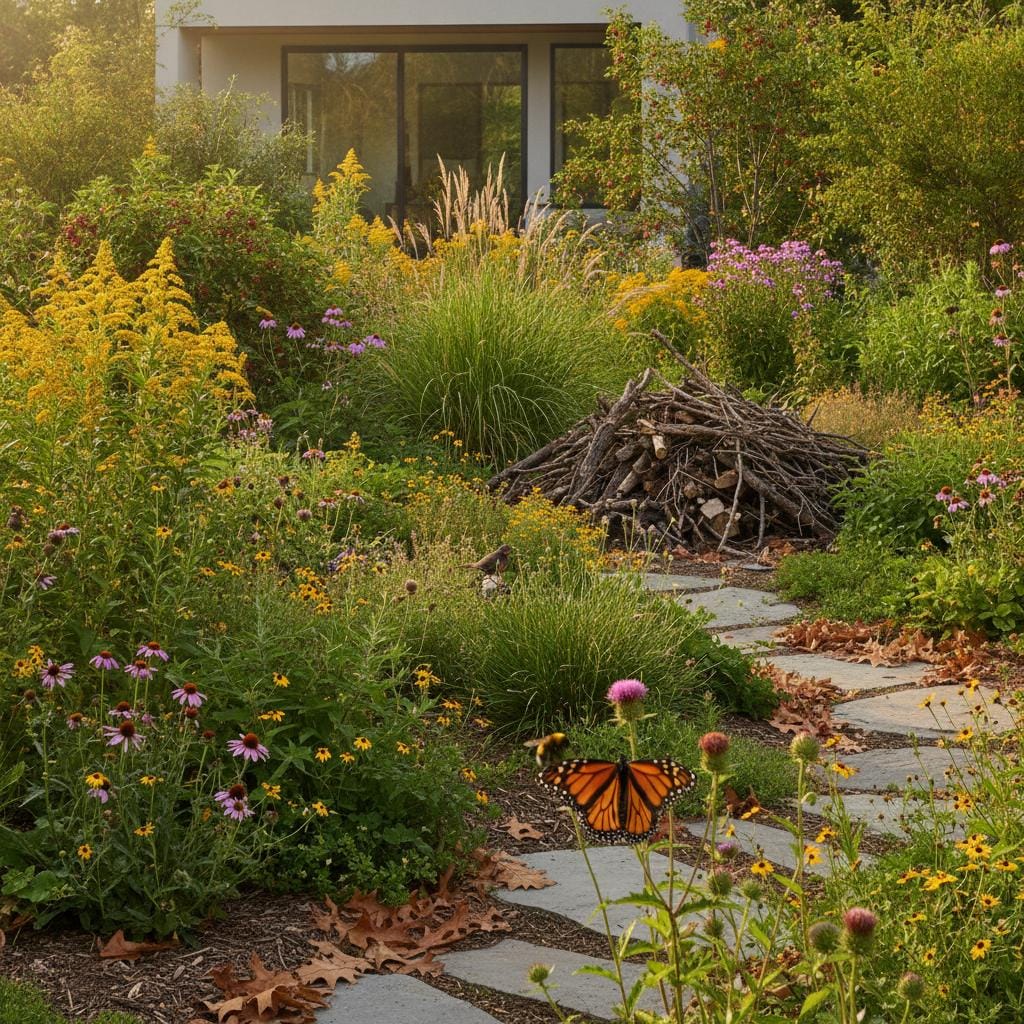
Once your edible hedge takes root, it becomes a living part of your landscape that gives back every season. You will notice birds visiting for shelter and pollinators drawn to the flowers. Over time, your hedge thickens and produces more fruit, serving both ornamental and practical roles.
Keep track of which plants perform best and replace weaker ones as needed. Many shrubs can be propagated from cuttings, letting you expand your productive boundary without extra cost. With steady care, your property line can become a reliable source of fresh food and natural beauty for years to come.