Privacy Screens That Grow Delicious Fruit and Nuts
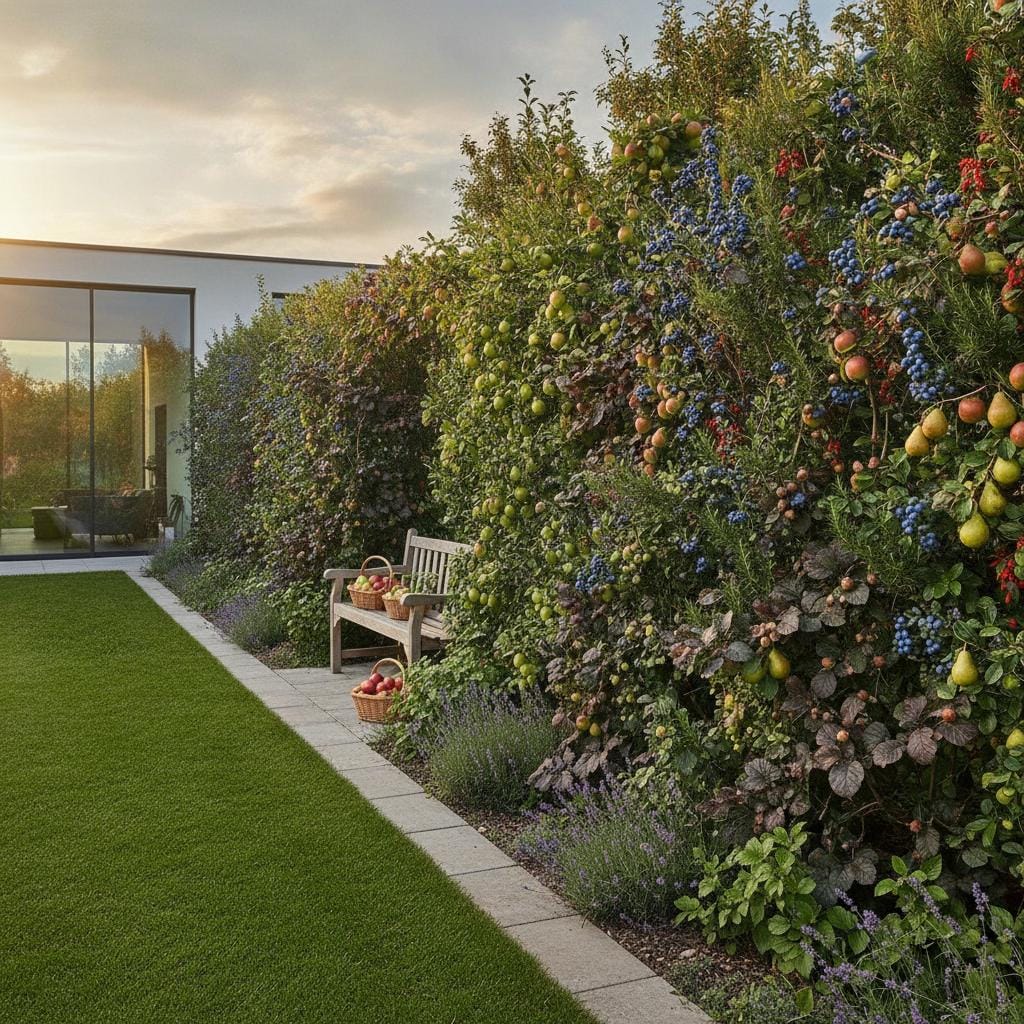
A living privacy screen can do more than block unwanted views. With the right plant choices, it can also provide fresh fruit and nuts for your table. Edible privacy screens combine the beauty of a hedge with the practicality of a food garden. They can fit both small suburban yards and larger rural landscapes.
The key is selecting plants that grow thick enough for privacy while producing reliable harvests.
Why Choose Edible Privacy Screens
An edible hedge gives you several benefits at once. You gain a natural barrier that softens sound, shelters wildlife, and improves air quality. At the same time, you enjoy fruit or nuts each season. These plants can also reduce grocery costs and support pollinators.
Traditional fences and evergreens may cost more to install or maintain. A wooden fence might last a decade before repairs are needed. A living screen improves with age if trimmed and fed properly. It can also adapt to soil and climate conditions better than some synthetic options.
Planning Your Edible Hedge
Before planting, look at your yard sunlight, soil, and drainage. Most fruiting plants need at least six hours of sun. Standing water or heavy clay can cause root problems. If your soil holds moisture too long, build raised beds or add compost to improve structure.
Measure the space where the screen will grow. Decide how tall and wide you want the hedge to be. A dense hedge usually needs plants spaced two to four feet apart, depending on the species. Some plants spread quickly and fill gaps, while others grow upright and need closer spacing.
Think about harvest access too. You will need space to reach fruit for picking or pruning. A footpath or open side makes maintenance easier.
Best Fruit Choices for Privacy
Several fruiting plants create thick, productive hedges. Choosing the right mix can extend your harvest and keep the hedge full all year.
1. Blueberries
Blueberries form dense, compact bushes that work well for mid-height hedges. They prefer acidic soil and regular moisture. A hedge of blueberries can reach four to six feet tall. Plant multiple varieties for better cross-pollination and a longer harvest period.
2. Aronia (Chokeberry)
Aronia shrubs grow quickly and stay full from base to tip. They produce dark berries high in antioxidants. The fruit is tart but excellent for jams or juices. They tolerate poor soils and require minimal care once established.
3. Serviceberry (Juneberry)
These shrubs or small trees reach eight to ten feet high with white spring flowers and sweet berries that ripen early in summer. Their upright form makes them ideal for privacy without taking much space. Birds love the fruit, so you may want netting if you plan to harvest regularly.
4. Elderberry
Elderberries grow fast and form thick clumps. The clusters of purple fruit can be made into syrups or wines. They prefer moist soil and full sun. Regular pruning keeps them from spreading too wide.
5. Apples and Pears on Dwarf Rootstock
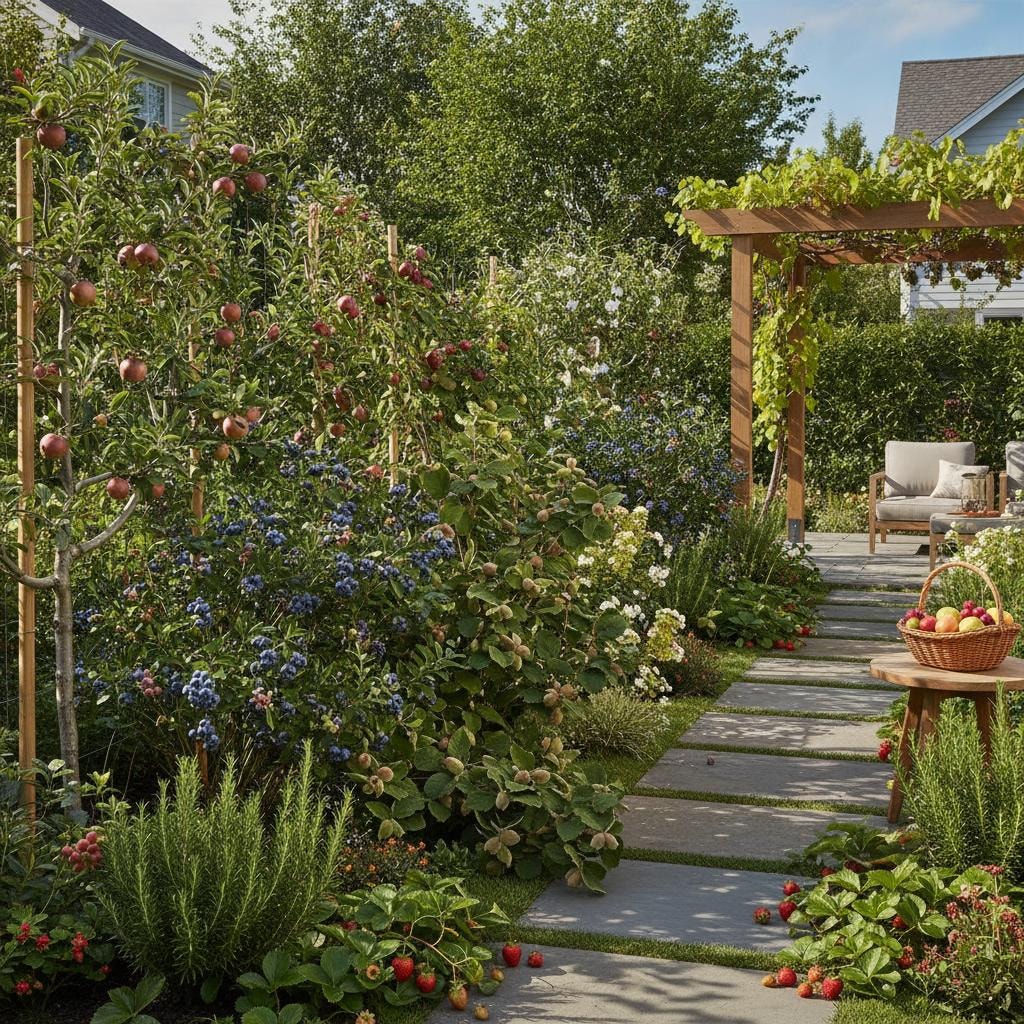
When trained as espaliers or closely spaced rows, dwarf apple or pear trees can act as edible fences. They need annual pruning but reward you with crisp fruit and spring flowers. Choose disease-resistant varieties suited to your local climate.
Nut-Bearing Options
If you want a more substantial screen, nut-bearing shrubs and small trees offer both structure and yield.
1. Hazelnut (Filbert)
Hazelnuts make excellent multi-stemmed hedges six to twelve feet tall. They grow best in well-drained soil with full sun. Once mature, each plant can produce several pounds of nuts each season. They also attract beneficial insects and wildlife.
2. Chestnut Hybrids
Some smaller chestnut hybrids serve as attractive privacy trees. They need more space than shrubs but create a sturdy screen with broad leaves. The nuts drop in late season and store well for winter.
3. Pine Nut Varieties
Certain stone pine species produce edible pine nuts and dense evergreen foliage. They grow slowly but provide year-round coverage. These trees suit larger borders or property lines.
Costs and Maintenance
Establishing an edible hedge costs more up front than a traditional fence, but the plants keep giving back. Expect to spend between twenty and seventy dollars per plant depending on type and size. Smaller starter plants are cheaper but take longer to fill in. Mature shrubs provide faster coverage.
Initial labor involves soil preparation, planting, watering, and mulching. After the first year, maintenance includes pruning once or twice a season, feeding with compost or balanced fertilizer, and occasional pest checks. Compared with wooden or vinyl fencing, the long-term upkeep is lower because the plants renew themselves.
Fruit and nut hedges may take two to four seasons to produce full harvests. During that time, you still gain greenery and privacy. If you want faster results, combine quick growers like elderberry with slower but longer-lived plants such as hazelnut.
Design Tips for Function and Beauty
A successful edible screen balances structure and variety. Mix plant heights for a layered look that blocks more views. Combine early bloomers like serviceberries with later fruiters like apples to support bees throughout the growing season. Underplant with herbs or low berries to fill gaps and discourage weeds.
Consider seasonal interest too. Blueberries turn bright red in autumn, while elderberries show off creamy blossoms in spring. Even when not producing fruit, these plants add color and texture to your yard.
Seasonal Care
Edible hedges need basic seasonal attention. In early spring, prune out dead or crossing branches. Feed with compost or organic fertilizer to encourage new growth. Keep mulch around the base to hold moisture and stop weeds. During dry spells, water deeply once a week.
After harvest, remove fallen fruit to prevent pests. In colder regions, protect young plants with mulch or burlap wraps.
Productive Borders in Action
An edible privacy screen adds character and purpose to your landscape. It defines boundaries, softens harsh lines, and rewards you with fresh harvests each year. Whether you choose a low blueberry hedge, a tall hazelnut screen, or a mix of both, these living borders bring satisfaction and flavor to your outdoor space.