Privacy Hedges You Harvest: Edible Landscaping Wins
Have you considered how a boundary planting might deliver both seclusion and fresh produce? Edible privacy hedges meet this need by forming living screens that yield berries, nuts, and other harvests. They replace stark fences with layered greenery that supports wildlife and improves soil health over time.
This approach suits yards of many sizes. Thoughtful selection of plants creates a productive edge that changes with the seasons while maintaining year-round coverage.
Selecting Suitable Plants for Your Site
Match species to local sun exposure, soil type, and desired height before purchase. Consider mature spread to avoid overcrowding.
Reliable choices include the following:
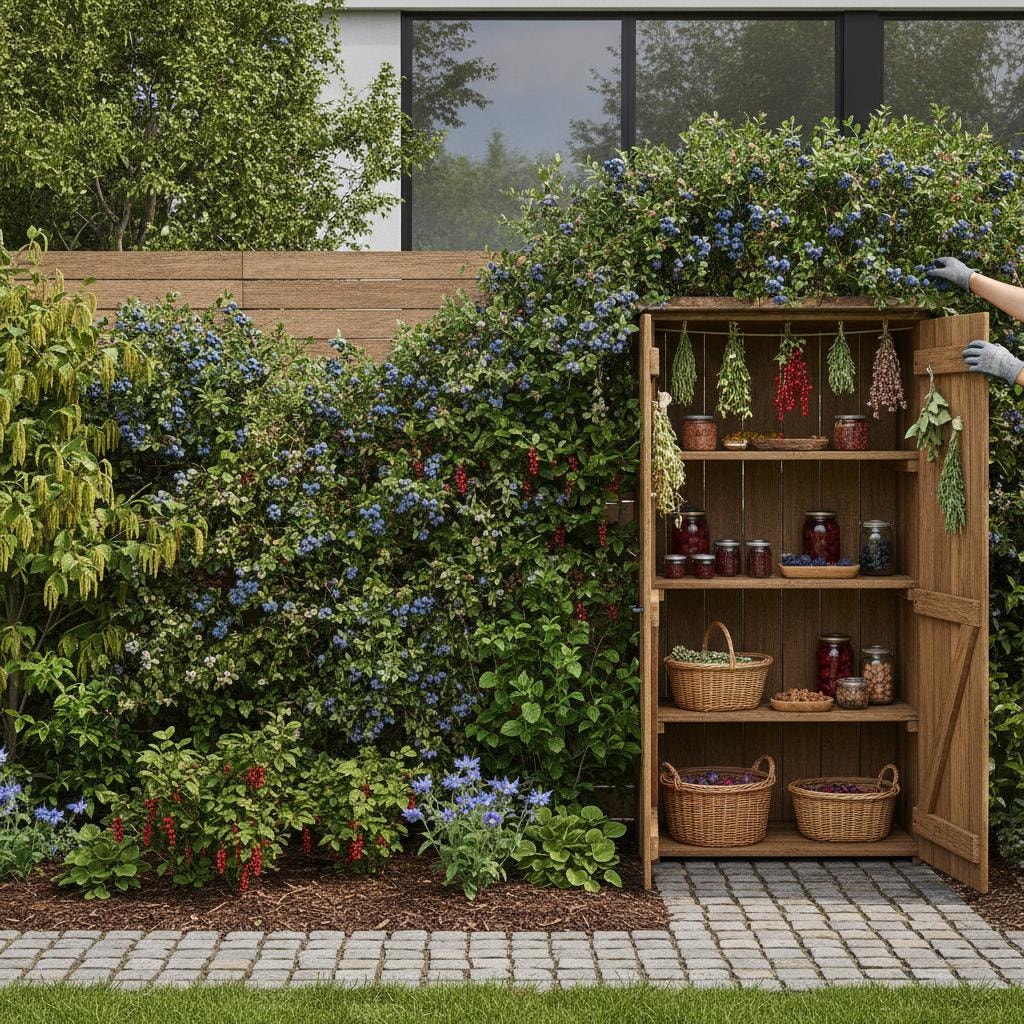
- Blueberries form compact hedges when spaced three to four feet apart. They require soil with pH between 4.5 and 5.5 and at least six hours of direct sun.
- Raspberries produce quick vertical growth. Install them four feet apart with a root barrier to contain spreading canes.
- Currants and gooseberries tolerate partial shade. Space plants three feet apart in well-drained soil enriched with compost.
- Serviceberries reach eight to fifteen feet. They provide spring flowers, summer fruit, and fall color when planted six feet apart.
- Hazelnuts create taller screens up to twelve feet. Set shrubs five feet apart in full sun for nut production within four years.
- Rugosa roses form thorny barriers six feet high. Plant them three feet apart; collect vitamin-rich hips after the first frost.
Combine two or three species to extend the harvest window from early summer through late autumn.
Designing the Layout
Measure the intended length and note sun patterns throughout the day. Sketch plant positions on paper to ensure adequate spacing for airflow and root expansion.
Position taller plants toward the center or rear of the row. Alternate evergreen and deciduous selections to retain winter screening while adding seasonal interest. Incorporate a narrow path of mulch or stepping stones along the inner edge for access during harvest.
Building Healthy Soil
Remove existing sod and weeds from a strip three feet wide. Loosen the soil to a depth of twelve inches, then incorporate two inches of finished compost throughout the bed.
Apply a balanced organic fertilizer at the label rate during planting. Spread three inches of wood-chip mulch over the root zone, keeping it several inches from stems. This layer moderates soil temperature and reduces evaporation.
Ongoing Maintenance Practices
Water new plantings with one inch of water per week during the first two growing seasons. Once established, most selections require supplemental irrigation only during extended dry periods.
Prune immediately after fruiting to remove crossing branches and encourage dense growth. Cut one-third of the oldest stems to the ground each winter on cane fruits to stimulate renewal.
Protect ripening fruit with lightweight netting when bird pressure is high. Harvest regularly to prevent spoilage and to encourage further production.
Layering Texture and Color
Alternate leaf shapes and berry tones for visual interest. Place glossy-leaved blueberries beside matte serviceberry foliage. Add low-growing thyme or lavender along the front edge to attract pollinators and release fragrance when brushed.
These combinations create depth without sacrificing the hedge function.
Supporting Local Wildlife
Diverse plantings host beneficial insects that prey on common pests. Native species in particular supply nectar and shelter that sustain bird populations through winter.
Monitor for disease rather than treating preventively. Healthy, mixed plantings rarely require chemical intervention.
Observing Long-Term Benefits
Within three seasons the hedge begins to moderate wind and reduce noise from neighboring areas. Soil structure improves as roots and fallen leaves add organic matter each year.
Continued mulch renewal and light annual pruning keep the planting vigorous. The resulting screen supplies repeated harvests while defining garden rooms that feel both sheltered and welcoming.