Meadow Lawns: Rewild Your Yard With Less Mowing
If you are tired of mowing every weekend or watching patches of turf struggle through dry spells, a meadow lawn could be the answer. Meadow lawns replace traditional grass with native wildflowers and low-growing grasses that need less water, fertilizer, and effort. The result is a colorful, natural yard that attracts pollinators and feels alive through every season.
What Makes a Meadow Lawn Different
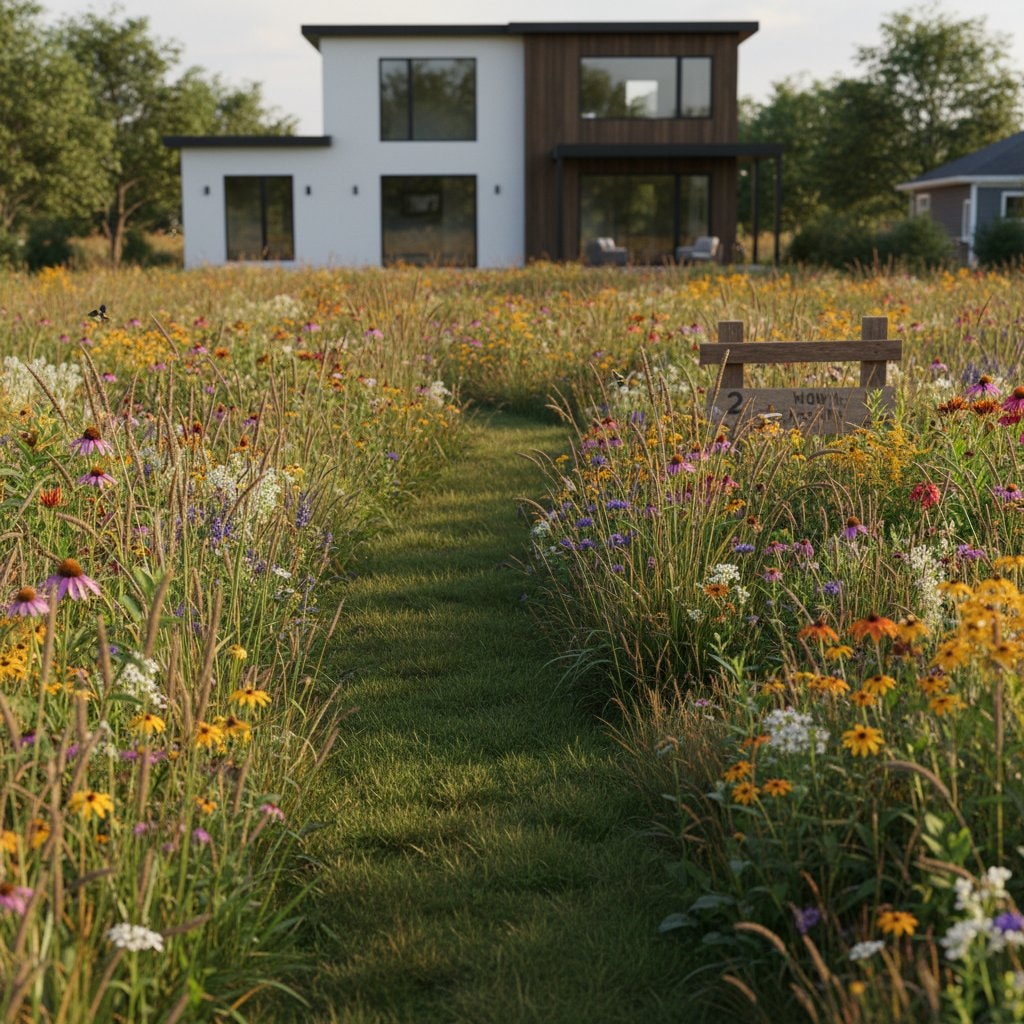
A standard lawn uses cool-season grasses that stay short but require frequent mowing and watering. A meadow lawn grows taller, often between 8 and 18 inches, and includes a mix of native grasses and flowering plants. These plants are adapted to local conditions and grow in balance with the soil and climate.
Instead of a flat, uniform green, you get a more textured look with soft movement and seasonal color. Bees, butterflies, and songbirds find food and shelter, turning a simple yard into a small habitat.
Planning Your Meadow Lawn
Before starting, think about how much of your yard you want to convert. Some homeowners begin with a small section, such as a side yard or a patch near the back fence. Others replace the entire lawn.
Key steps include:
- Assess sunlight and soil. Most meadow mixes need full sun and well-drained soil.
- Pick native species. Choose a seed mix suited to your region. Local garden centers often have blends designed for your area.
- Prepare the ground. Remove existing turf and weeds. You can smother grass with cardboard and compost or till the area lightly before seeding.
- Seed and water. Scatter seeds evenly, press them into the soil, and keep the area moist until seedlings establish.
Cost and Effort
Starting a meadow lawn costs less than installing sod but more than reseeding a basic lawn. Expect to spend roughly one to three dollars per square foot, depending on your seed mix and soil preparation needs. The investment pays off in lower maintenance. Once established, meadow lawns need mowing only once or twice a year.
Watering is minimal after the first season. Fertilizer is rarely needed, since native plants thrive in average soil. You save both time and money while reducing runoff and chemical use.
Maintenance Through the Seasons
A meadow lawn changes with the seasons. In spring, new shoots and early blooms appear. Summer brings height and color, and autumn reveals seed heads that provide food for birds.
To keep the area tidy and prevent woody plants from taking over, mow or trim once near the end of winter. Leave clippings in place to return nutrients to the soil. Pull invasive weeds when you see them, especially during the first year while native plants are still getting established.
Common Challenges
Meadow lawns are low maintenance but not entirely hands-off. Some homeowners find the look too wild at first. Mowing a neat border around the edges can make the space appear intentional and cared for.
Weed control is another concern early on. Consistent weeding in the first season helps the natives take hold and crowd out unwanted species later.
Observing the Transformation
As your meadow matures, you will notice fewer chores and more life in your yard. The variety of plants supports pollinators and improves soil health. Each year brings new color and texture, with less work from you.
If you value a yard that feels natural, saves effort, and contributes to local ecology, a meadow lawn is worth trying. Start small, learn as you go, and enjoy the change from constant mowing to simply watching your landscape thrive.