Front Yard Farms Become the New Landscaping Trend
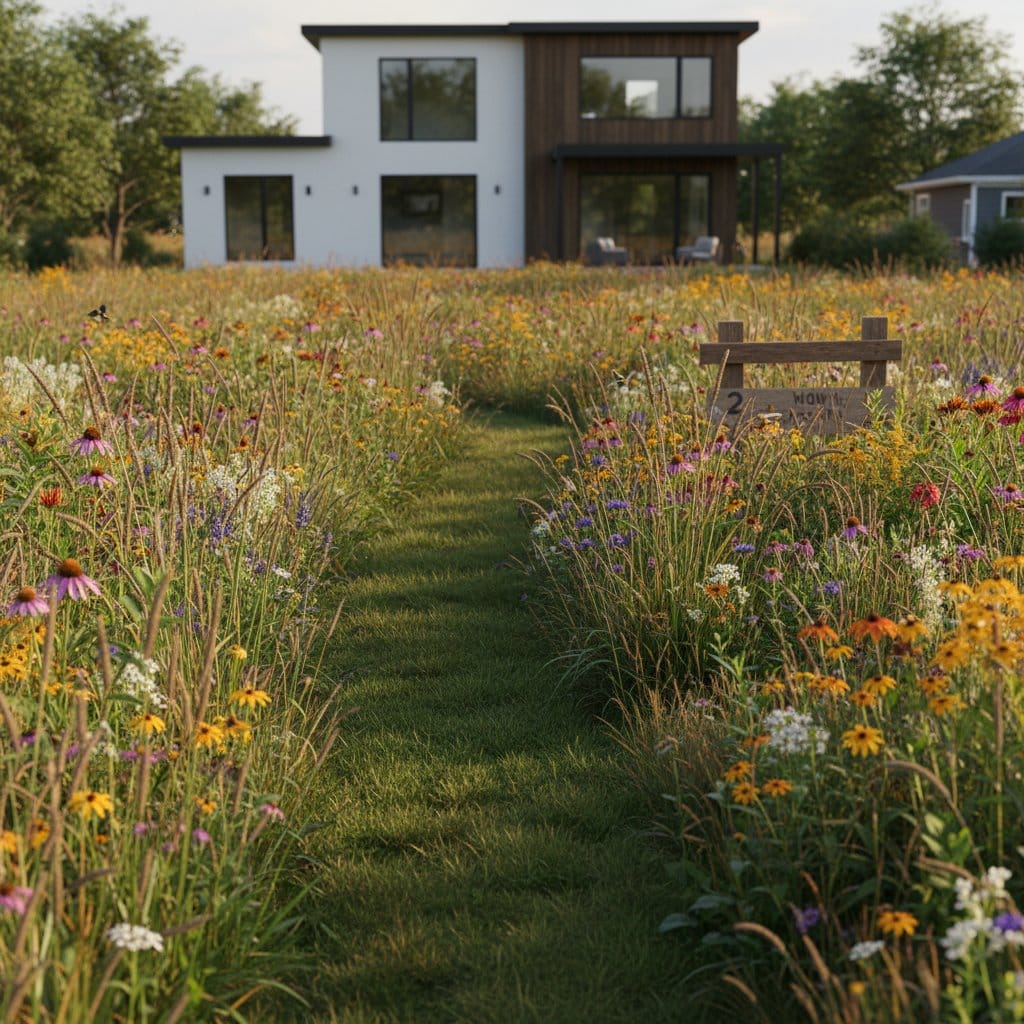
A home front yard communicates values held by its residents. Some favor structured hedges while others prefer flowing natural arrangements. Increasingly, homeowners convert these spaces into productive gardens filled with herbs, vegetables, fruiting shrubs, and edible flowers. The result feeds both visual interest and household meals.
Shifting Perceptions of Front Yard Purpose
Traditional front yards emphasized uniform lawns and ornamental plants to maintain neighborhood standards. Growing food in visible areas once seemed out of place. Current attitudes recognize that orderly rows of kale or trellised beans can match the intentional appearance of flower borders. These plantings also deliver fresh produce and reduce reliance on external sources.
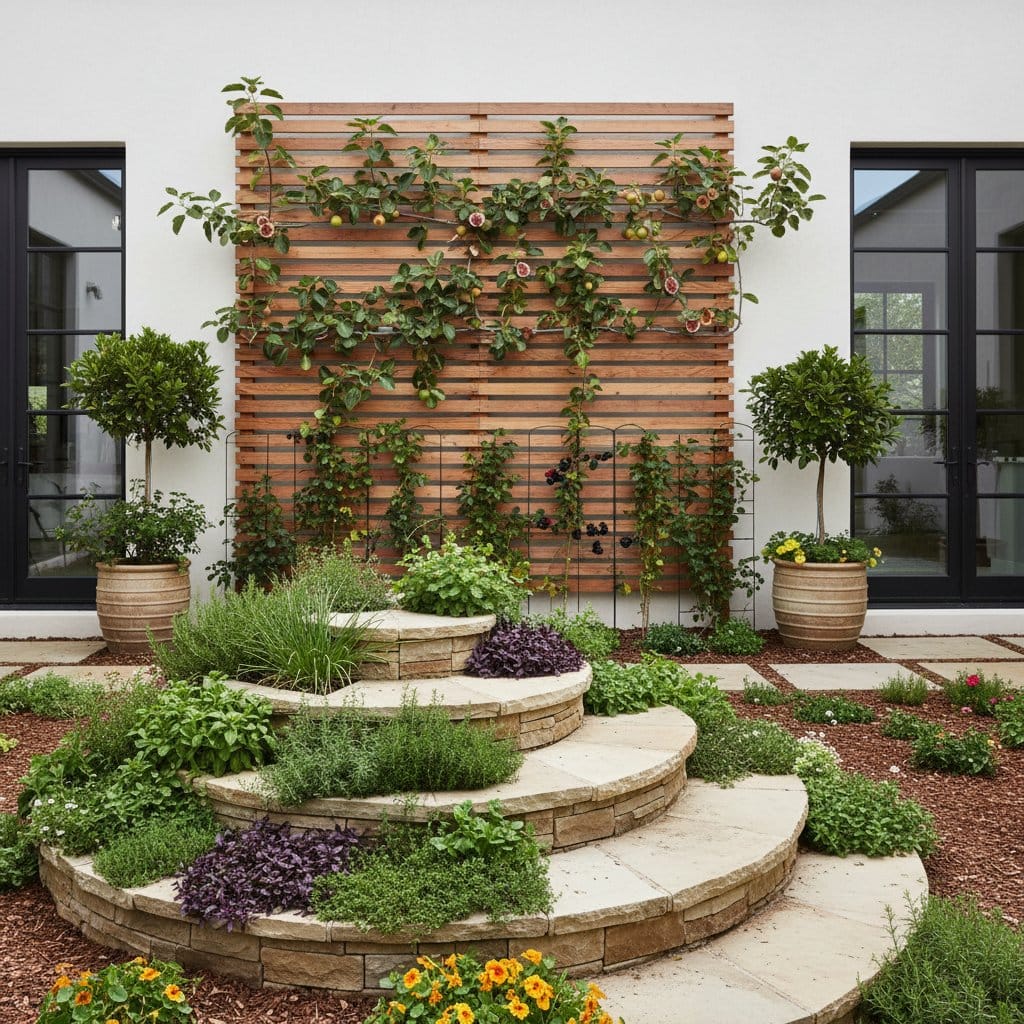
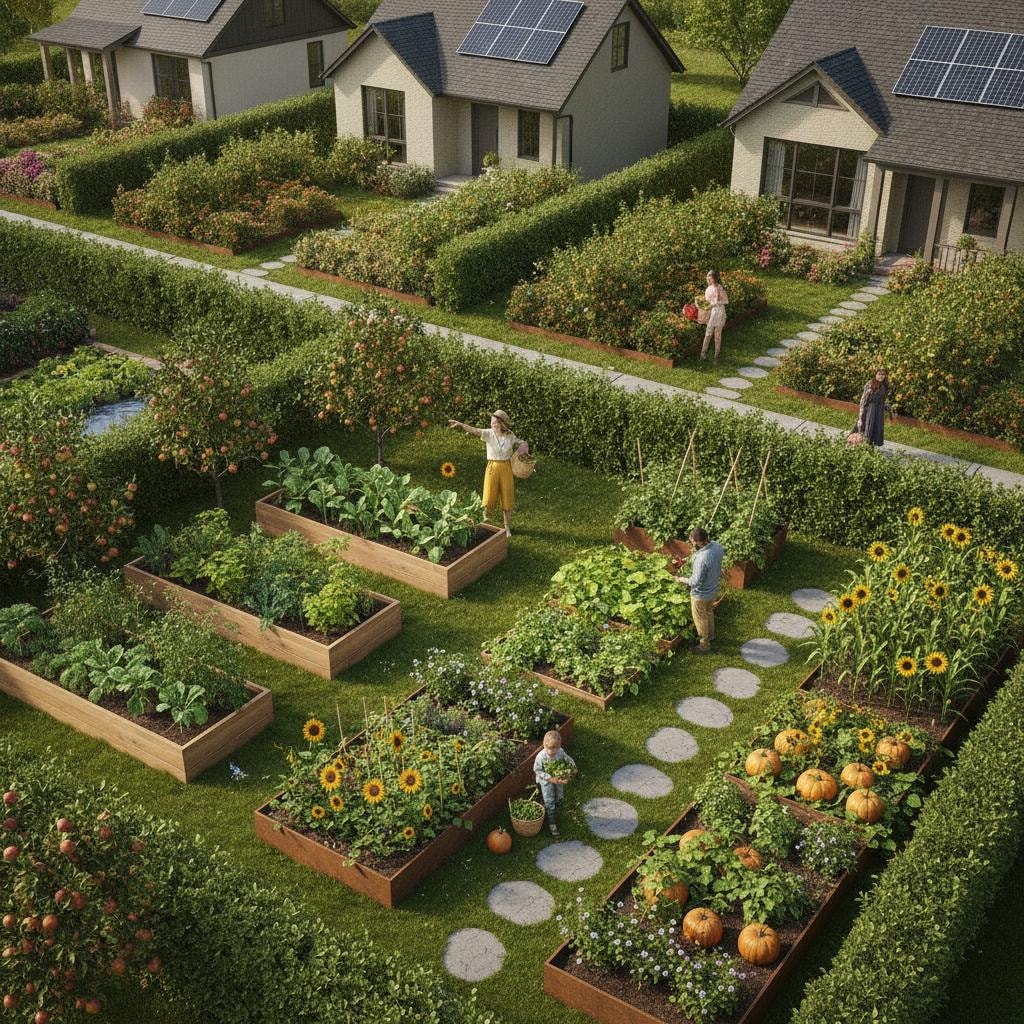
Raised beds now appear where grass once grew. Berry shrubs line walkways and espaliered fruit trees frame doorways. Such choices add movement and seasonal change to the view from the street. Passersby often pause to ask questions or offer observations.
Applying Edible Landscaping Principles
Edible landscaping places vegetables, herbs, and fruits in prominent positions rather than concealing them. Designers arrange plants in layers to create depth. Tall fruit trees or trellises establish vertical lines. Mid-height shrubs such as blueberries provide mass. Low-growing crops including lettuces and thyme form a textured ground plane.
This layered approach yields a cared-for appearance while producing usable harvests. Integration with existing hardscape elements keeps the overall composition cohesive.
Matching Design to Site Conditions
Successful front yard farms reflect house architecture and gardener preferences. Curved beds suit informal homes while linear raised beds complement contemporary structures. Consistent edging materials and mulch unify the composition.
Consider these practices during planning:
- Combine productive plants with pollinator flowers to maintain visual softness.
- Repeat specific foliage colors or bed shapes to establish rhythm.
- Select varieties that maintain interest across multiple seasons.
- Limit initial size to what can be maintained regularly.
Even a narrow border of herbs beside the entrance supplies fragrance and immediate utility.
Building Neighborhood Connections
Visible gardens prompt interaction. Neighbors inquire about varieties and growing methods. Small harvests shared across fences strengthen local ties. The same plots also supply household needs and reduce routine store purchases.
Tending the space daily reveals differences in flavor and texture compared with purchased items. This direct involvement encourages attention to weather patterns and soil health.
Beginning with Manageable Steps
Start with one or two raised beds or large containers to observe local conditions. Hardy herbs such as oregano, sage, and chives establish quickly and require minimal intervention. Compact peppers and colorful lettuces add variety without demanding extensive care. Later seasons allow addition of currants or dwarf fruit trees once patterns become clear.
Daily Interaction with the Landscape
A productive front yard changes household routines. Morning checks on ripening fruit or evening watering become regular activities. Paths stay clear through consistent upkeep, and beds receive seasonal replanting. The ongoing work returns consistent yields in both produce and satisfaction.
Preparing Your Property for Conversion
Observe sunlight patterns and drainage before installing beds. Sketch bed placements that preserve access routes. Consult regional planting calendars at local nurseries to choose well-adapted varieties. These preparations support steady progress from the first season onward.