Edible Privacy Hedges: Screens That Produce Fresh Fruit
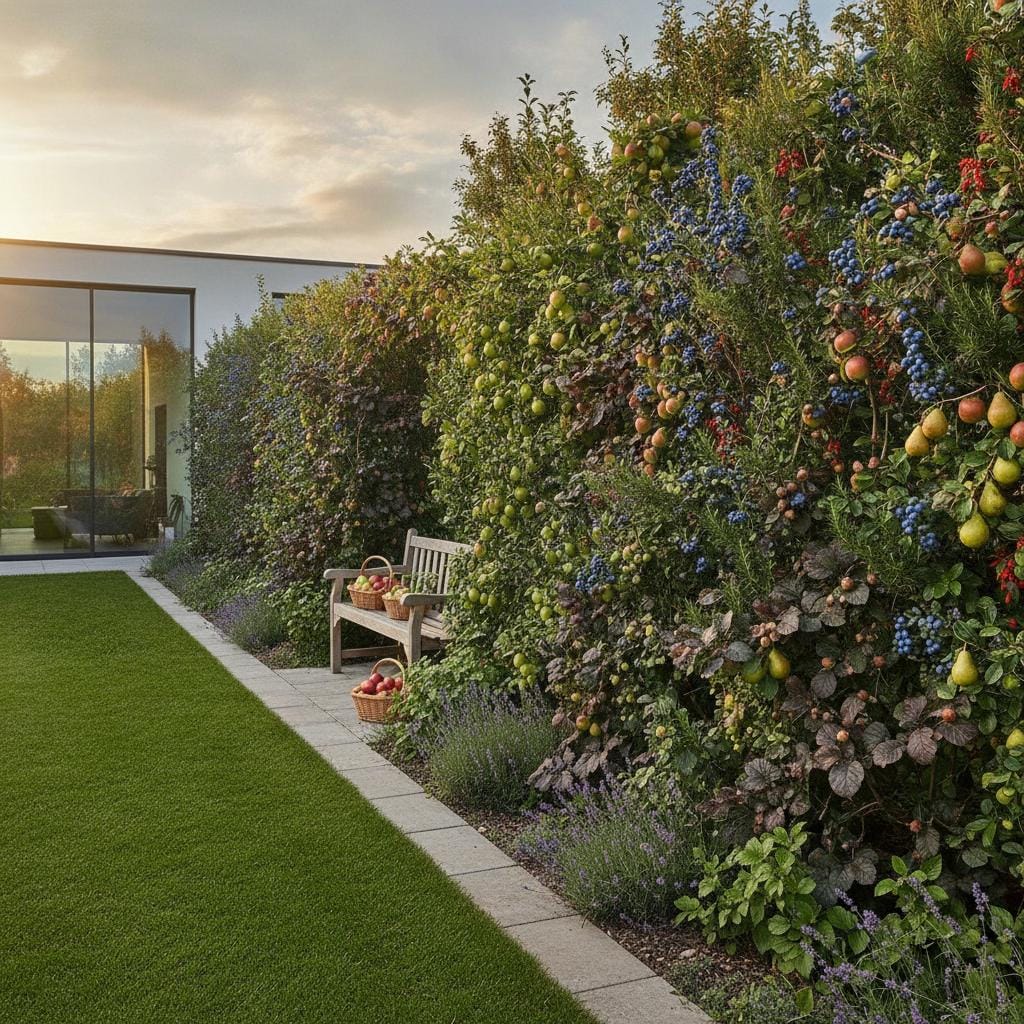
Homeowners often seek ways to enhance privacy in their outdoor spaces while incorporating elements that contribute to the landscape's vitality and utility. A well-designed fruiting hedge achieves this by forming a natural barrier that not only shields views but also delivers seasonal harvests. Such installations transform exposed areas into enclosed, productive zones that foster a deeper connection with nature.
Developing a hedge that provides both seclusion and sustenance requires thoughtful integration of form, function, and maintenance. Beyond simple row planting, the process involves selecting appropriate species, arranging them for optimal growth, and tending them to ensure longevity. The result is a dynamic feature that elevates the yard's appeal and productivity.
Selecting Optimal Fruiting Hedge Plants
Diversity defines the appeal of fruiting privacy hedges, allowing for customization based on aesthetic preferences and site conditions. Uniform plantings offer a cohesive appearance, whereas mixed selections provide varied textures, colors, and ripening periods to extend enjoyment. The following recommendations highlight reliable choices that combine screening effectiveness with fruit production.
Blueberry Varieties for Dense Screens
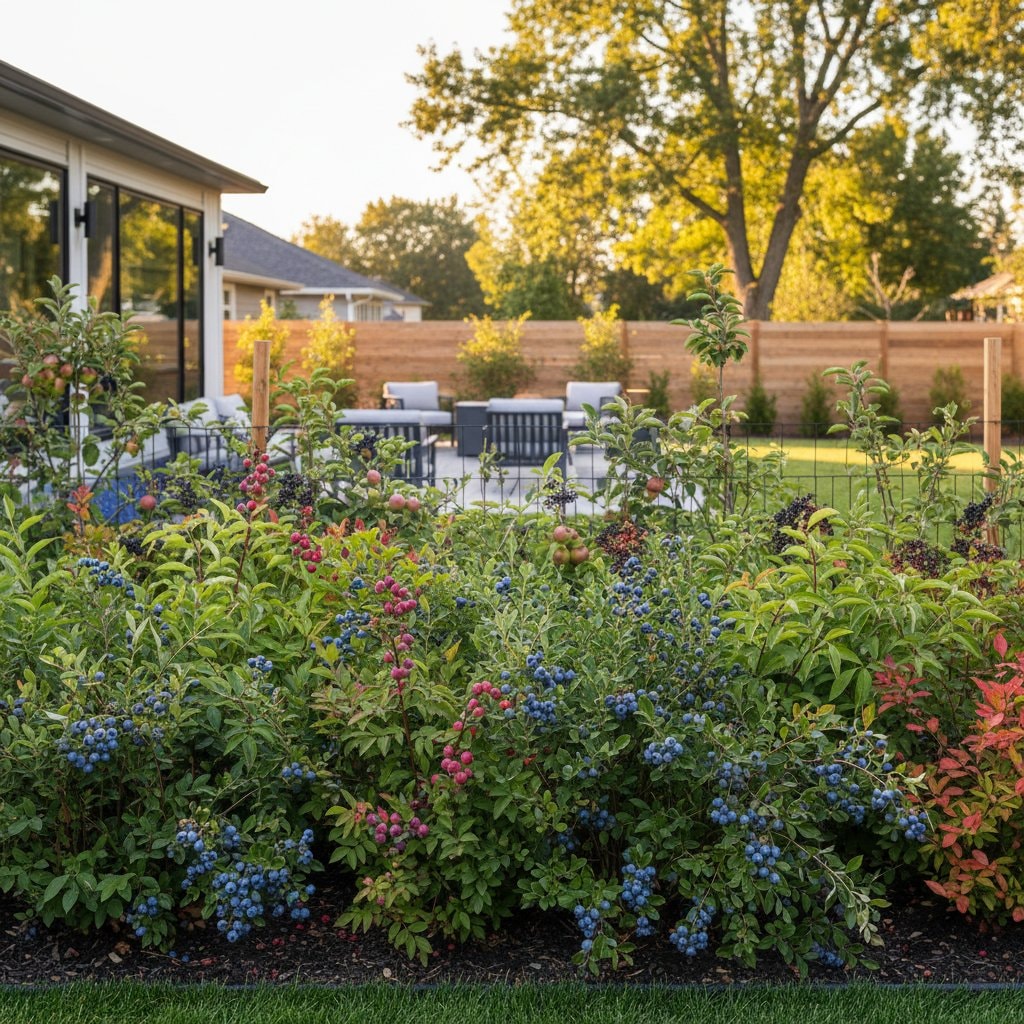
Blueberry shrubs develop into compact, upright forms with lustrous foliage that shifts to vibrant red tones in autumn. Delicate spring blooms draw bees and other pollinators, paving the way for midsummer berries prized by humans and wildlife. Opt for highbush types reaching six to eight feet for robust barriers, or dwarf cultivars under four feet for confined spaces. Blueberries demand acidic soil with a pH of 4.5 to 5.5; conduct a soil test and incorporate sulfur, peat moss, or pine needles to adjust conditions if necessary.
Currants and Gooseberries for Versatile Barriers
Currant and gooseberry bushes attain heights of three to five feet, suiting them to partial shade and cooler climates. Their gracefully arching canes form a gentle, impenetrable screen, while the berries yield flavorful preserves, sauces, and desserts. Red currants contribute vivid splashes of color and a tart profile, black currants offer robust, earthy notes, and gooseberries deliver jewel-toned fruits with a zesty tang that enhances culinary applications.
Serviceberries for Multi-Seasonal Interest
Serviceberries, or Juneberries, emerge as native options that function as shrubs or understory trees, yielding early-summer fruits reminiscent of blueberries in sweetness. These plants achieve heights of 15 to 25 feet, ideal for substantial privacy, and tolerate a broad range of soils from clay to loam. White spring flowers precede the edible berries, complemented by smooth bark and golden-to-amber fall leaves that maintain visual interest year-round.
Aronia Berries for Resilience and Color
Aronia, commonly called chokeberry, stands out for its hardiness across USDA zones 3 to 8, forming thickets that effectively block sightlines. Clusters of deep purple berries, packed with antioxidants, ripen in late summer and support both human consumption and bird forage. The plants' dark green leaves transition to intense scarlet in fall, ensuring the hedge remains a focal point through changing seasons.
Pomegranates and Figs in Temperate Climates
In regions with mild winters, pomegranates and figs introduce ornamental flair alongside fruit yields. Pomegranates feature showy orange-red blossoms and leathery fruits that store well post-harvest, thriving in full sun with minimal frost exposure. Figs provide expansive, lobed foliage for a subtropical ambiance, producing pear-shaped fruits twice yearly; select varieties like 'Brown Turkey' for hedge suitability, ensuring protection from temperatures below 10 degrees Fahrenheit.
Citrus and Loquat Options for Evergreen Coverage
Coastal or subtropical settings benefit from citrus and loquat hedges that maintain foliage through winter. Dwarf lemon or lime trees, pruned to four to six feet, emit citrus aromas during blooms and yield juicy fruits year-round. Loquats offer tropical elegance with large, glossy leaves and tangy orange pomes in spring; they adapt to containers if space limits planting, requiring consistent moisture and shelter from strong winds.
Designing an Effective Layout
After identifying preferred plants, draft a site plan to visualize spacing and integration. Calculate plant quantities based on mature dimensions—typically two to three feet apart for most shrubs—to avoid competition while promoting a seamless canopy. This preparation minimizes future adjustments and maximizes the hedge's performance.
Strategies for Harmonious Arrangement
- Employ staggered rows to build density quickly; plant in a zigzag pattern offset by half the spacing distance for natural fullness.
- Incorporate species diversity to stagger harvests; pair early-fruiting serviceberries with later aronia for prolonged productivity from May through September.
- Incorporate functional gaps such as arbors or breaks for maintenance access, transforming the hedge into an interactive garden element.
- Align with sightlines by placing taller specimens along exposed boundaries and lower growers near windows to preserve natural light.
Strategic design at the outset ensures the hedge evolves into a balanced, low-maintenance feature.
Establishing Plants and Initial Maintenance
Site preparation sets the foundation for a thriving fruiting hedge, emphasizing root encouragement and resource availability. Work the soil to a depth of 12 to 18 inches across the full length of the proposed line, incorporating organic matter to enhance drainage and nutrient retention.
Detailed Planting Process
- Amend the soil profile by blending in two to four inches of compost or well-rotted manure, targeting a loose, friable texture.
- Position plants at their original container depth, ensuring the root flare sits level with the ground; firm soil around roots to eliminate voids.
- Irrigate deeply immediately after installation, applying two to three gallons per plant to promote settling.
- Apply a two-inch mulch layer of shredded bark or leaves, extending to the drip line but maintaining a three-inch clearance from stems to prevent rot.
- Perform initial shaping by trimming one-third of the top growth, directing energy toward lateral branching.
Monitor soil moisture weekly during the establishment phase, supplementing with one inch of water per session if rainfall proves insufficient. Established hedges develop drought tolerance, requiring intervention only during extended dry periods.
Pruning and Ongoing Care Practices
Regular attention to structure and health sustains the hedge's form and vigor, promoting air circulation to deter fungal issues. Prune selectively to remove dead, diseased, or overcrowded elements, fostering an open interior that facilitates fruit development.
Essential Maintenance Routines
-
Schedule post-harvest trimming in late summer or early fall; cut back spent canes on currants to ground level and thin serviceberry branches for light penetration.
-
Apply spring nutrition via a slow-release, balanced fertilizer (10-10-10) or compost top-dressing, at a rate of one pound per 100 square feet.
-
Monitor for infestations such as Japanese beetles on blueberries or scale on citrus; deploy horticultural oil sprays or introduce beneficial insects like ladybugs for control.
-
Refresh mulch annually in spring, adding one inch to conserve moisture and suppress competing vegetation.
Embrace the hedge's organic form, allowing gentle variations that reflect its living nature rather than imposing rigid geometry.
Seasonal Dynamics of a Fruiting Hedge
Fruiting hedges evolve through the year, each phase revealing unique contributions to the landscape. Spring awakens with floral displays and buzzing insects, summer burdens limbs with developing produce, and autumn delivers foliage spectacles alongside final gatherings. Winter exposes architectural bones or retains green cover, sheltering overwintering species.
These cycles influence daily routines, prompting frequent visits to assess progress and interact with the ecosystem. Observations of ripening sequences and avian preferences build intimate knowledge, embedding the hedge within the household's rhythm.
Enhancing Garden Integration
Position the hedge as a foundational layer that supports complementary plantings, creating layered habitats. Beneath the shrubs, introduce ground covers that stabilize soil and draw beneficial organisms, amplifying the area's biodiversity.
Recommended Understory Companions
- Aromatic herbs like lavender and rosemary, which release scents on breezes and sustain bees beyond fruit bloom periods.
- Dynamic ground covers such as comfrey, whose deep roots mine nutrients and yield mulch material, or nasturtiums for edible flowers and trailing coverage.
- Colorful annuals including marigolds, which repel nematodes through root exudates, and calendulas for self-seeding persistence.
- Fruit-extending fillers like alpine strawberries, sprawling at the base to capture sunlight gaps and provide additional nibbles.
This synergistic approach yields a self-sustaining corridor, extending privacy into a haven of ecological productivity.
Maximizing Harvests and Culinary Uses
Initial yields mark the culmination of investment, with each cluster affirming the design's success. Collect berries at peak ripeness—firm yet yielding to gentle pressure—and process promptly to preserve quality through freezing, drying, or jam-making.
Diverse plantings ensure a succession of picks, from June's serviceberries to September's aronia, sustaining fresh supplies and aiding local fauna. Experiment with recipes like currant glazes for meats or fig-infused salads, turning abundance into shared experiences.
Cultivating Lasting Landscape Benefits
A mature fruiting hedge stands as a testament to intentional stewardship, weaving seclusion with sustenance in harmonious balance. It not only guards personal spaces but also enriches them with vitality, drawing family and nature into daily life. Through sustained care, this feature endures as a source of beauty, nourishment, and quiet satisfaction.