Privacy Hedges That Yield Fresh Edible Harvests
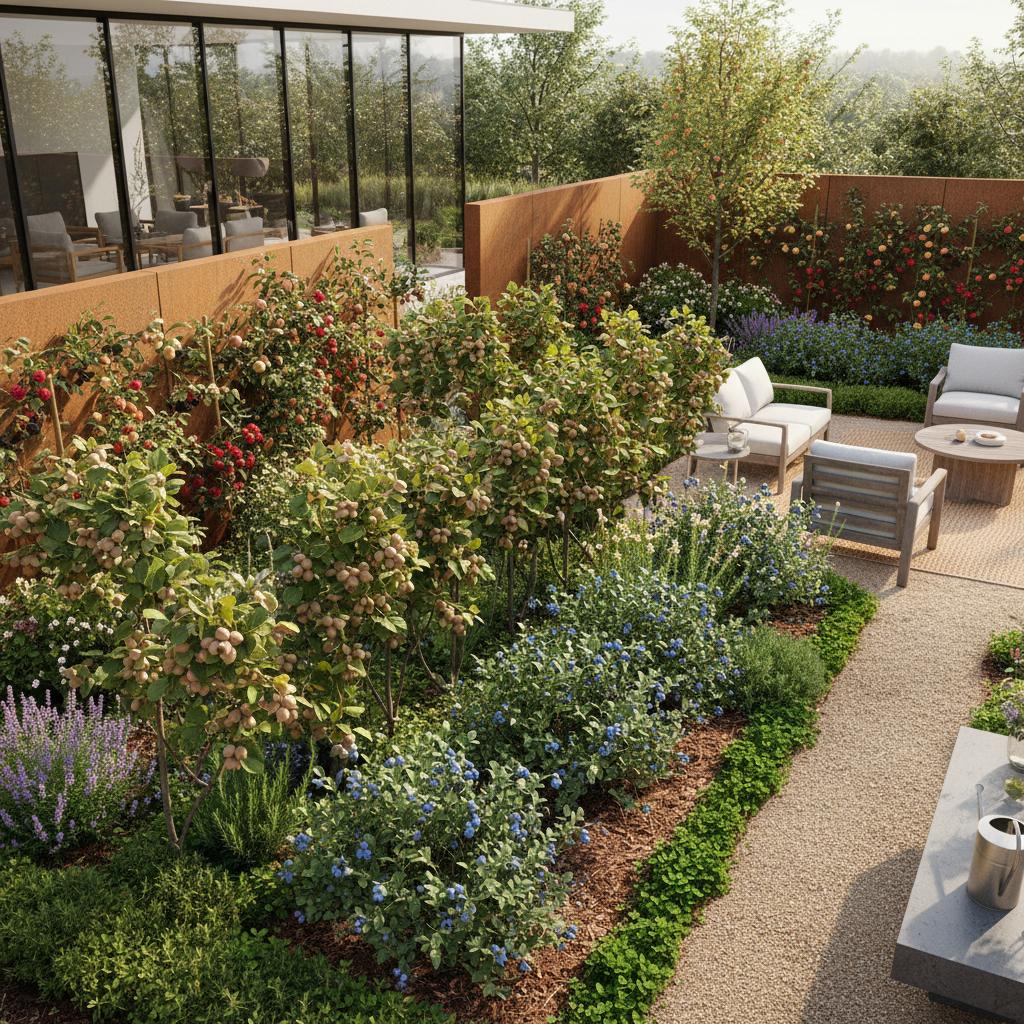
A dense hedge provides a quiet, secluded atmosphere in the yard while softening boundaries and blocking unwanted views. Homeowners often overlook the potential for these hedges to serve as sources of fresh fruit or herbs. Through careful selection of plants, individuals can establish a living screen that combines aesthetic appeal, privacy protection, and edible yields.
Benefits of Edible Privacy Hedges
Edible hedges integrate functionality with culinary value. These plantings offer shelter from wind and noise, define property lines, and supply food for humans and pollinators alike. In contrast to rigid fences, living hedges develop fuller coverage over time and enhance their performance with maturity. Gardeners may prune them into formal shapes or allow natural growth for a more relaxed appearance.
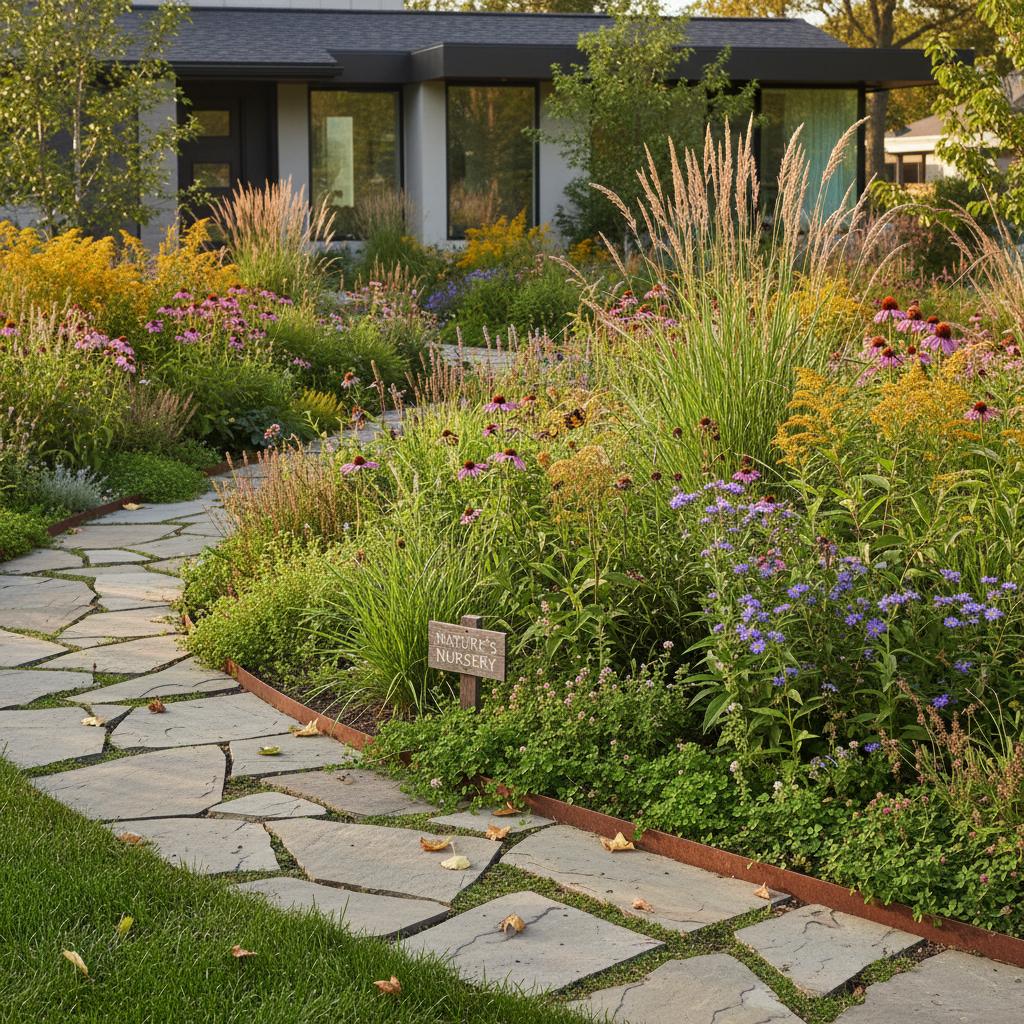
Fruit-bearing hedges also foster local wildlife. Bees and butterflies flock to the flowers, and birds feed on the berries. This arrangement delivers aesthetic pleasure, seclusion, and productivity from a single planting.
Key Considerations Before Planting
Evaluate objectives and available space prior to purchasing plants. The following factors assist in informed decision-making:
- Height and spread: Determine the required height for the hedge. Compact shrubs under six feet suit smaller yards, while taller options exceeding ten feet fit expansive areas.
- Sunlight requirements: Fruiting plants typically demand full sun for optimal yields. Opt for shade-tolerant varieties in partially lit locations.
- Maintenance needs: Certain hedges require frequent pruning, fertilization, and irrigation, whereas others maintain neatness with basic attention.
- Climate suitability: Select species adapted to local conditions. Consult a nearby garden center for recommendations tailored to regional weather patterns.
- Harvest applications: Consider intended uses for the produce, such as fresh consumption, baking, or preservation, to refine choices.
Recommended Plants for Edible Privacy Hedges
A variety of plants form effective, productive barriers. Each provides unique advantages and specific care requirements.
Blueberries
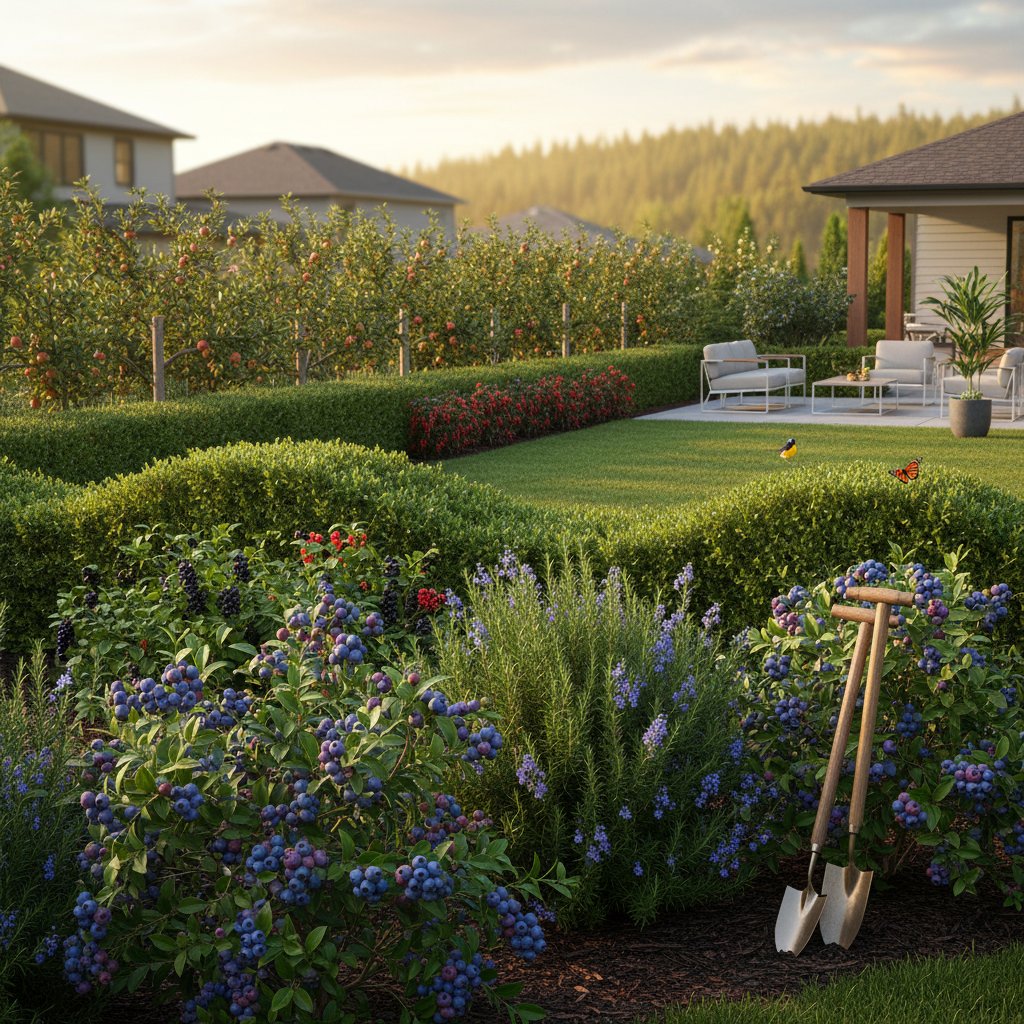
Blueberry bushes form compact, orderly hedges featuring vibrant green foliage that shifts to red hues in autumn. These plants thrive in acidic soil and full sun exposure. Berries appear in small clusters but in generous quantities, with pruning ensuring dense growth. Provide consistent watering, particularly in dry periods. Blueberry hedges excel along driveways or as borders in constrained spaces.
Raspberries
Raspberry canes yield sweet berries and exhibit rapid growth. These plants propagate via underground runners, necessitating a root barrier for containment. Prune annually after fruiting to promote shape and stimulate fresh cane production for subsequent seasons. Mature height ranges from six to eight feet. Raspberries create an informal hedge that attracts birds and pollinators.
Serviceberry
Serviceberry shrubs, alternatively called juneberries, present a tidy profile with profuse white blooms in spring. These give way to small, dark berries resembling blueberries in flavor, ideal for jams and pies. Serviceberries accommodate diverse soil types and reach up to fifteen feet in height. They establish an elegant screen with interest across seasons.
Aronia (Chokeberry)
Aronia bushes produce abundant clusters of dark berries packed with antioxidants. These shrubs endure wet soils and harsh winters, ensuring dependability in varied landscapes. Fresh berries carry a tart profile but excel in juices and baked preparations. Aronia develops into a thick hedge of six to eight feet with minimal pruning required beyond basic shaping.
Currants and Gooseberries
Currants and gooseberries flourish in cooler climates and partial shade. They bear small berries that mature in midsummer. These shrubs grow to three to five feet, ideal for low hedges bordering patios or pathways. Thorny cultivars enhance privacy, although protective gloves facilitate harvesting.
Fig Shrubs
In mild climates, fig shrubs craft lush, Mediterranean-inspired hedges. They advance swiftly in full sun and produce tender, sweet fruits. Prune routinely to control size and spur renewal. Figs favor well-drained soils and benefit from winter mulching in cooler zones.
Bay Laurel or Rosemary
Herbaceous evergreens such as bay laurel or rosemary deliver fragrant, year-round privacy and culinary herbs. These maintain density, withstand drought, and respond well to formal trimming. Position them in sunny, drained sites to infuse outdoor areas with inviting scents.
Guidelines for Planting and Maintenance
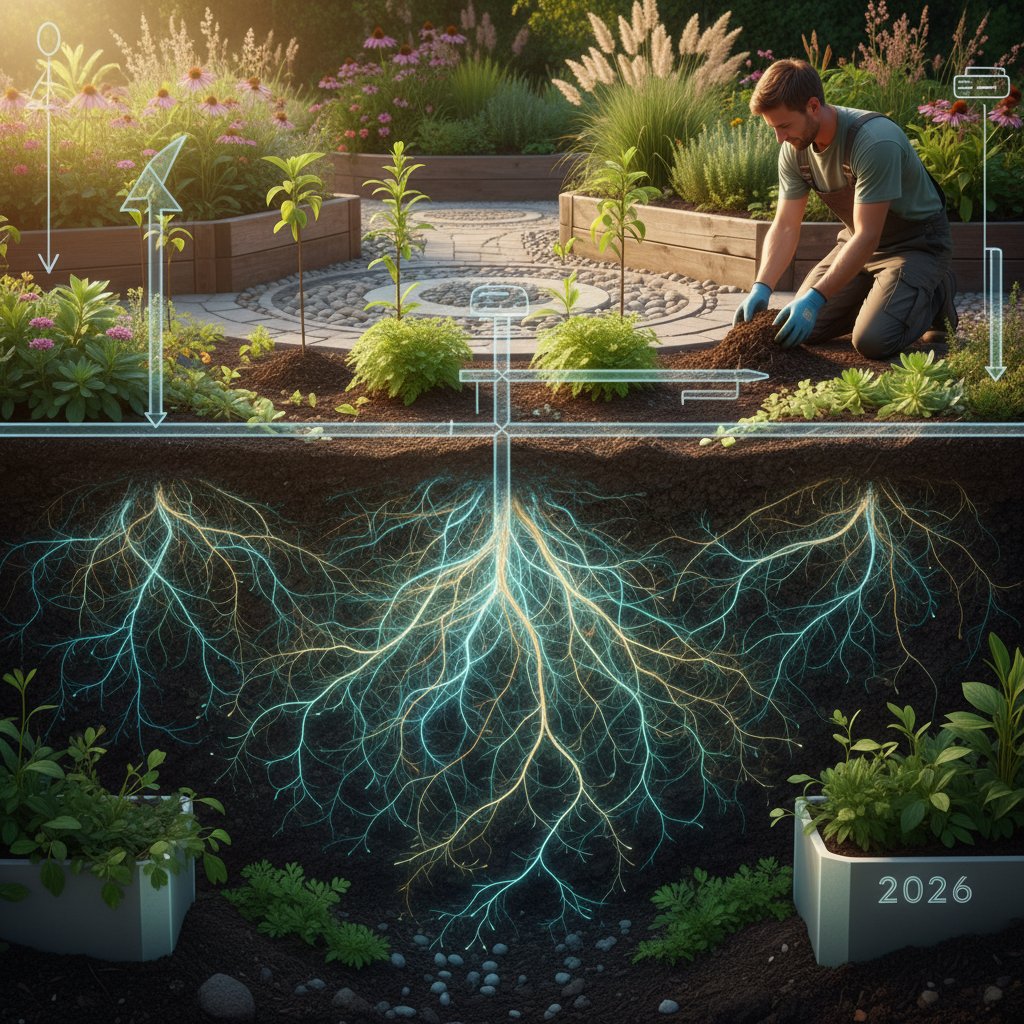
Space plants according to the anticipated mature width of the species, typically two to four feet apart, to form a cohesive barrier. Excavate holes twice the diameter of the root ball and incorporate compost into the native soil for enhanced nutrition. Irrigate thoroughly post-planting and apply mulch around bases to preserve moisture and suppress weeds.
Apply balanced fertilizer or organic compost to fruiting hedges in early spring. Prune following harvest to refine form and eliminate damaged branches. Employ mulching and drip irrigation systems to optimize water use in warm conditions.
For accelerated establishment, select container-grown specimens approximately two feet in height. These integrate rapidly and achieve fullness within two to three seasons. Bare-root options prove more economical but demand additional time to develop density.
Integrating Aesthetics and Productivity
Edible hedges rival ornamental designs in elegance. Combine multiple species to achieve diversity and prolonged harvest periods. Pair blueberries with serviceberries for staggered fruiting, and incorporate currants or herbs upfront for added depth.
Consistent pruning preserves visual appeal while supporting yields. A refined exterior conceals the internal framework of fruit-laden branches.
Sustaining Long-Term Garden Rewards
An edible privacy hedge evolves into a cornerstone of the garden over years. It supplies shade, protection, and reliable fresh produce. Daily visits from birds and pollinators infuse vitality and activity.
Assess space constraints, climate factors, and desired maintenance levels when selecting plants. The appropriate blend of shrubs yields seclusion that delights both the senses and the palate.