Perennials That Thrive in Chaotic Fall Gardens
Autumn transforms gardens into landscapes of swirling leaves and fading blooms, evoking a mix of satisfaction and disarray. Gardeners frequently face the challenge of restoring balance as summer's vibrancy gives way to seasonal unpredictability. This moment presents an ideal opportunity to introduce perennials, plants that establish deep roots and reemerge reliably each year, providing continuity amid change.
Perennials serve as foundational elements in fall gardens, enduring cooler temperatures, variable moisture, and diminishing light. They offer visual anchors through persistent foliage, late-season flowers, and structural forms that persist into winter. By selecting varieties suited to autumn conditions, gardeners can cultivate resilience and anticipate vibrant returns in spring.
This guide outlines key perennials for wild fall settings, along with practical steps for integration and upkeep, enabling readers to harness the season's energy for long-term garden health.
Selecting Perennials for Fall Resilience
Effective fall perennials maintain vitality as temperatures decline, accommodating inconsistent rainfall, reduced sunlight, and early frosts. These plants deliver sustained color and form, preventing the garden from appearing barren. Focus on species that require minimal intervention once established, allowing natural processes to dominate.
1. Sedum (Stonecrop)
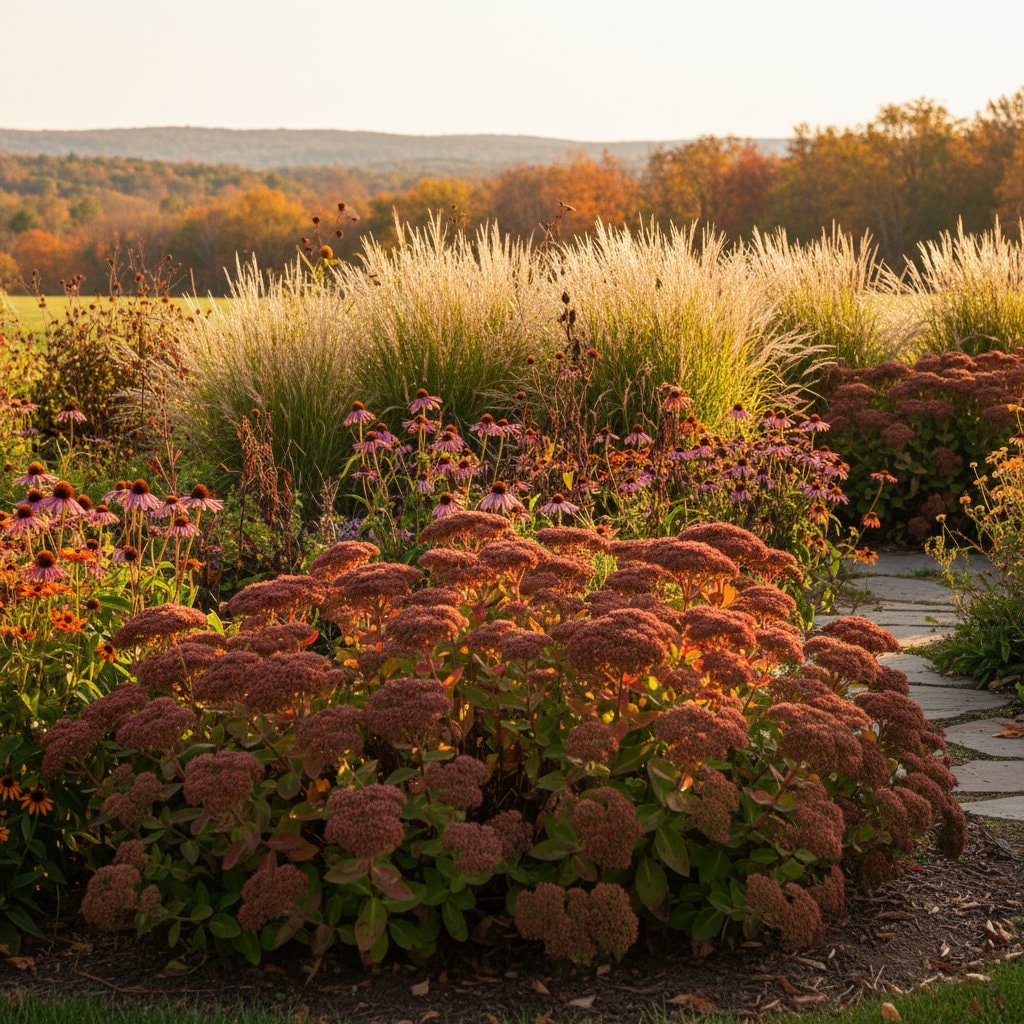
Sedum stands out for its robustness in late-season gardens, featuring succulent leaves that retain moisture during dry periods. Varieties such as 'Autumn Joy' produce flat-topped clusters of star-shaped flowers in shades of pink, red, and bronze, drawing late pollinators like bees and butterflies.
Plant sedum in locations receiving at least six hours of direct sun daily, paired with sandy or gravelly soil to prevent waterlogging. Space plants 12 to 18 inches apart to allow air circulation, reducing disease risk. After flowering, the dried heads provide winter interest, swaying gently in breezes and catching frost for subtle sparkle.
2. Russian Sage (Perovskia atriplicifolia)
Russian sage introduces ethereal blue-violet spikes atop wiry stems, creating a hazy backdrop that complements bolder garden elements. Its aromatic, gray-green foliage repels deer and tolerates drought, making it suitable for exposed, lean soils where other perennials falter.
Position this plant in full sun with minimal fertility; amend heavy clay soils with grit for better drainage. Prune stems to 12 inches in late winter to encourage bushy regrowth reaching three to four feet tall. The persistent structure maintains garden contours through autumn and into early winter.
3. Coneflower (Echinacea)
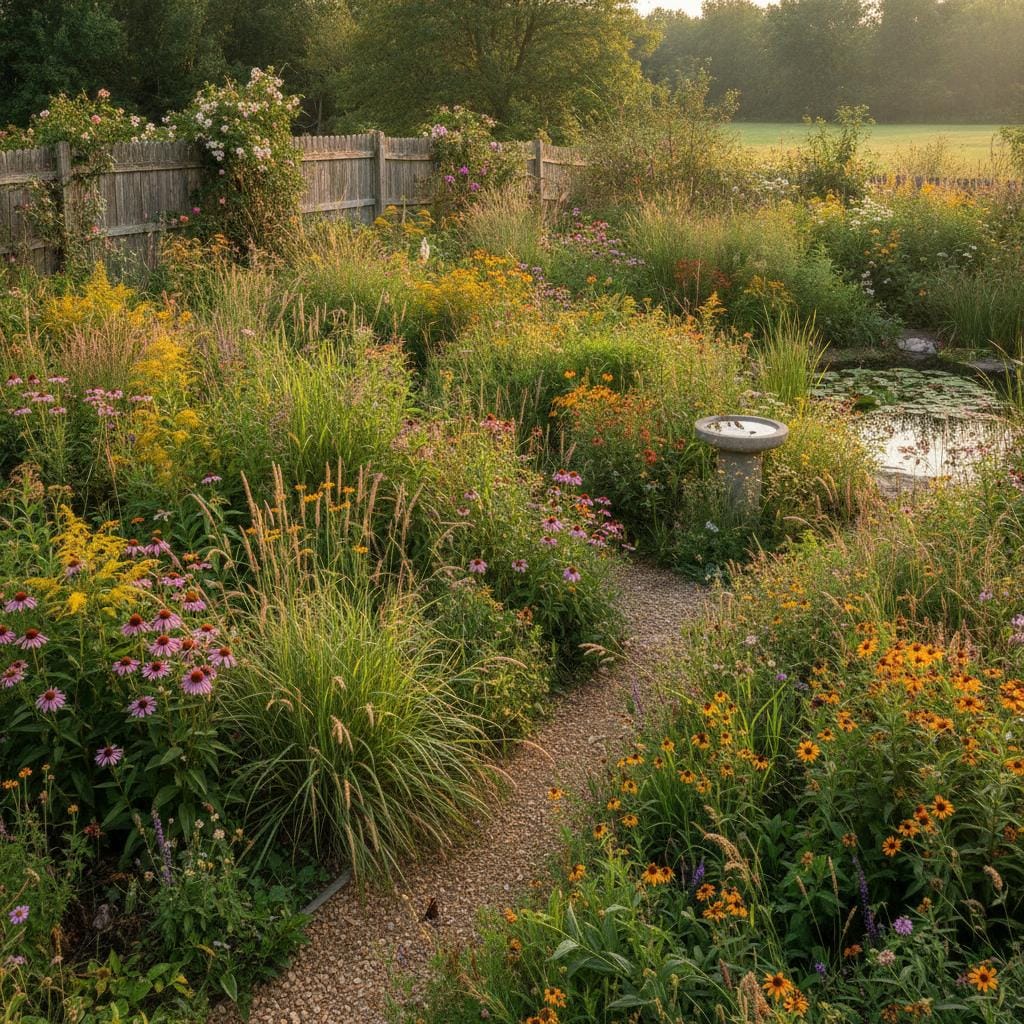
Coneflowers deliver daisy-like blooms with raised central cones, available in purple, pink, orange, and white varieties that extend color into October. These plants support wildlife by producing seed heads that birds, such as finches, consume during scarce months.
They perform best in full sun to partial shade on neutral to slightly alkaline soils with moderate moisture. Divide clumps every three to four years in spring to sustain vigor, planting divisions at the same depth as their original crowns. Their upright habit, growing two to four feet, adds vertical emphasis to border edges.
4. Black-Eyed Susan (Rudbeckia fulgida)
Black-Eyed Susans illuminate fading gardens with bright yellow petals surrounding chocolate-brown centers, often blooming profusely from midsummer through frost. The cultivar 'Goldsturm' offers particularly long-lasting displays and attracts goldfinches to its seeds.
These perennials adapt to full sun or light shade and various soil types, including clay, as long as drainage remains adequate. Sow seeds in fall for natural stratification or transplant nursery starts in prepared beds, spacing 18 inches apart. Their tendency to self-sow creates informal drifts without overwhelming the space.
5. Ornamental Grasses
Ornamental grasses provide dynamic texture and motion, with selections like panicum (switchgrass), pennisetum (fountain grass), and schizachyrium (little bluestem) turning shades of red, gold, and copper in autumn. Their arching forms and feathery plumes soften hardscape features and frame perennial beds.
Choose sites with full sun and average to dry soil; taller varieties reach four to six feet, while dwarf options stay under two feet. Plant in fall to leverage residual warmth for root development, ensuring crowns sit level with the soil surface. Leave standing through winter for habitat value, then trim to six inches in early spring.
6. Hellebore (Helleborus orientalis)
Hellebores offer evergreen foliage that maintains a lush appearance in shaded areas, with leathery, serrated leaves forming basal rosettes. Flowers emerge in late winter to early spring but the plants' structure stabilizes fall borders, preventing bare patches.
They favor partial to full shade and humus-rich, moist but well-drained soil with a neutral pH. Incorporate leaf mold or compost at planting to mimic woodland conditions, spacing plants 18 to 24 inches apart. Mulch annually to retain moisture and suppress weeds, fostering clumps that expand slowly over time.
7. Aster (Symphyotrichum)
Asters produce abundant, star-shaped flowers in violet, blue, and rose tones, serving as a nectar source for migrating butterflies in late fall. New England asters (S. novae-angliae) grow robustly to four feet, while smooth asters (S. laeve) remain more compact.
Plant in full sun with fertile, well-drained loam; pinch back stems in early summer to promote bushiness and delay blooming. Divide overcrowded groups every three years in spring, replanting sections promptly. Their clumping habit fills gaps effectively, enhancing the garden's late-season vitality.
Preparing Soil and Planting in Fall
Fall planting benefits perennials by allowing root expansion in warm soil before dormancy sets in. Begin by assessing site conditions, including light exposure, soil texture, and drainage, to match plant needs.
Follow these steps for successful establishment:
- Clear debris selectively, retaining fallen leaves as mulch to protect soil and nurture invertebrates.
- Aerate compacted soil with a broadfork, working to a depth of 12 inches without inverting layers to preserve microbial life.
- Incorporate two to three inches of aged compost, mixing lightly into the top six inches to boost nutrient availability.
- Dig holes twice the width of root balls, positioning crowns at soil level, then firm soil around roots and water deeply to eliminate air pockets.
Monitor newly planted areas for settling, adding soil as needed, and provide supplemental water during prolonged dry periods to support initial growth.
Maintenance Practices for Fall Perennials
Minimal intervention characterizes care for established fall perennials, emphasizing observation over alteration. Allow natural dieback to occur, as spent foliage insulates roots and hosts overwintering beneficial insects.
Implement these routines throughout the season:
- Retain seed heads and stems until late February, providing food sources and visual interest.
- Irrigate during extended dry spells, delivering one inch of water weekly if rainfall falls short.
- Apply a two-inch layer of shredded bark or straw mulch around bases in mid-fall, avoiding direct contact with crowns to prevent rot.
In spring, remove winter remnants with clean shears, cutting to ground level for most species. This approach fosters self-sustaining ecosystems, reducing future labor while enhancing biodiversity.
Building Lasting Garden Resilience
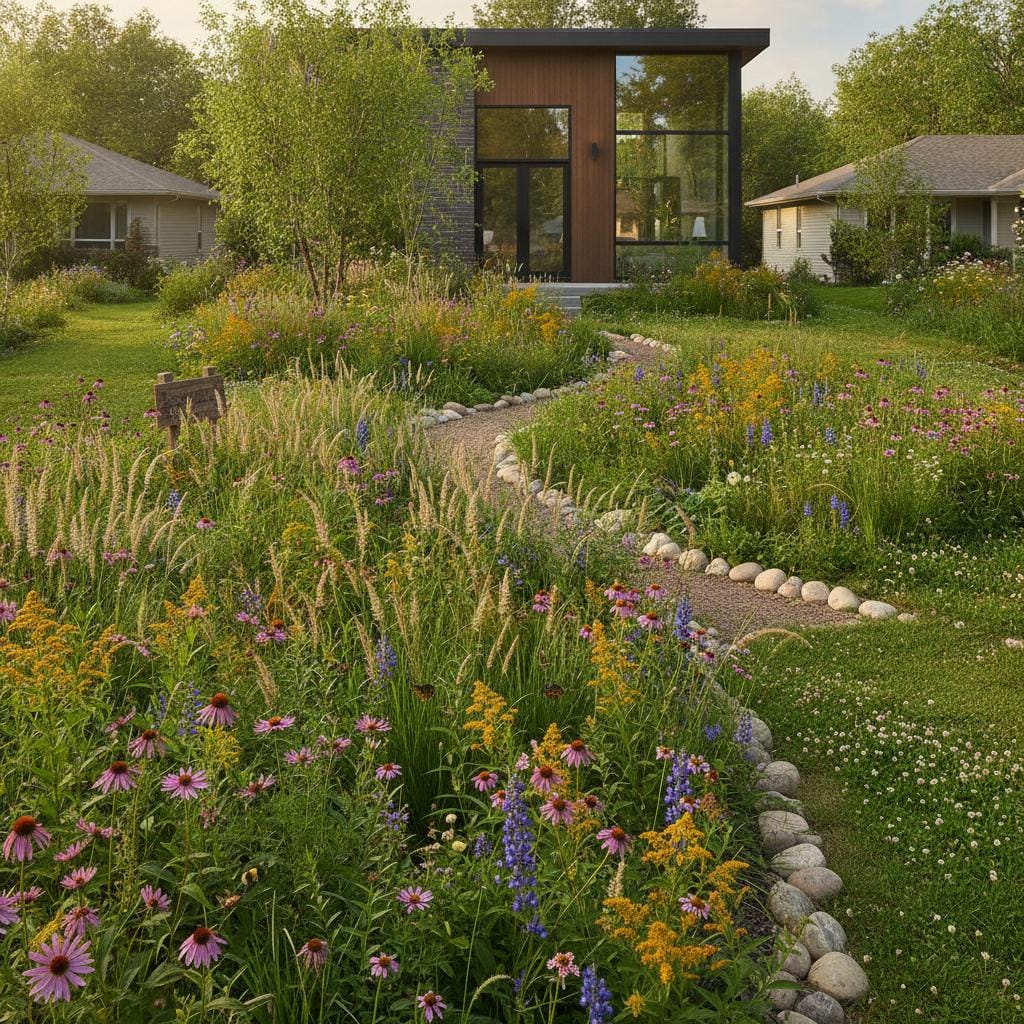
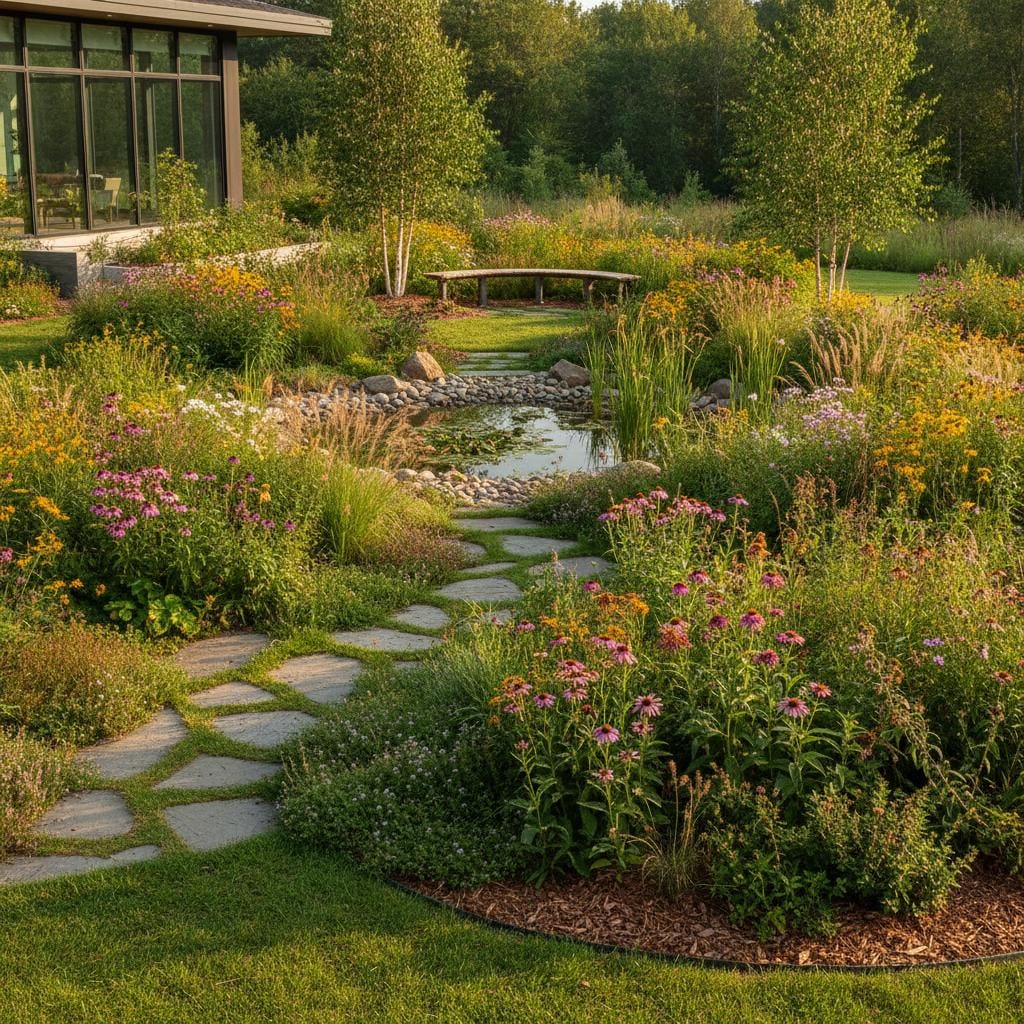
Integrating these perennials transforms autumn's wildness into a foundation for enduring landscapes. Sedum's steadfast form, coneflowers' persistent seeds, and grasses' swaying plumes collectively create layered interest that evolves with the seasons.
Gardeners who invest time in fall preparations witness accelerated spring growth and diminished maintenance demands. Observe how these plants interact with local conditions, adjusting placements as insights emerge. This iterative process cultivates not only thriving perennials but also a deeper connection to the garden's natural cycles.