Designing Outdoor Lighting to Protect the Night Sky
Outdoor lighting enhances safety and ambiance in any yard, yet excessive illumination often obscures stars and disrupts local ecosystems. Purposeful design directs light precisely where it serves a function, preserving the natural darkness above. This approach allows homeowners to create inviting spaces that respect the environment and reduce energy consumption.
Property owners benefit from such systems in multiple ways. They lower utility bills through efficient bulbs and controls. Additionally, these setups minimize disturbances to neighbors by preventing light trespass. The result is a harmonious nighttime environment that supports both human enjoyment and wildlife preservation.
The Principles of Dark Sky Lighting
Dark sky lighting focuses on directing illumination downward and toward intended areas, thereby reducing upward spill that contributes to light pollution. International Dark-Sky Association guidelines emphasize fixtures that limit glare and sky glow. By adhering to these standards, individuals maintain clear views of constellations while ensuring pathways remain visible.
Key elements define effective dark sky fixtures. Shielded housings prevent light from escaping upward or sideways. Warm color temperatures, typically below 3000K, produce a gentle amber hue that mimics natural twilight. Motion sensors activate lights only during use, while timers schedule operations to avoid unnecessary runtime. Low-wattage LEDs provide ample brightness with minimal power draw, often lasting up to 50,000 hours.
Implementing these principles requires assessment of site needs. Measure existing light levels with a simple meter to identify over-illuminated zones. Position fixtures at least 10 feet from property lines to curb spillover. Such targeted planning maximizes efficacy and complies with local ordinances on light pollution.
Selecting Appropriate Fixtures for Your Landscape
Begin the selection process by evaluating your yard's layout during evening hours. Identify high-traffic areas like driveways, patios, and garden paths that require reliable illumination. Prioritize fixtures that cast beams no higher than 6 feet to keep light low and focused.
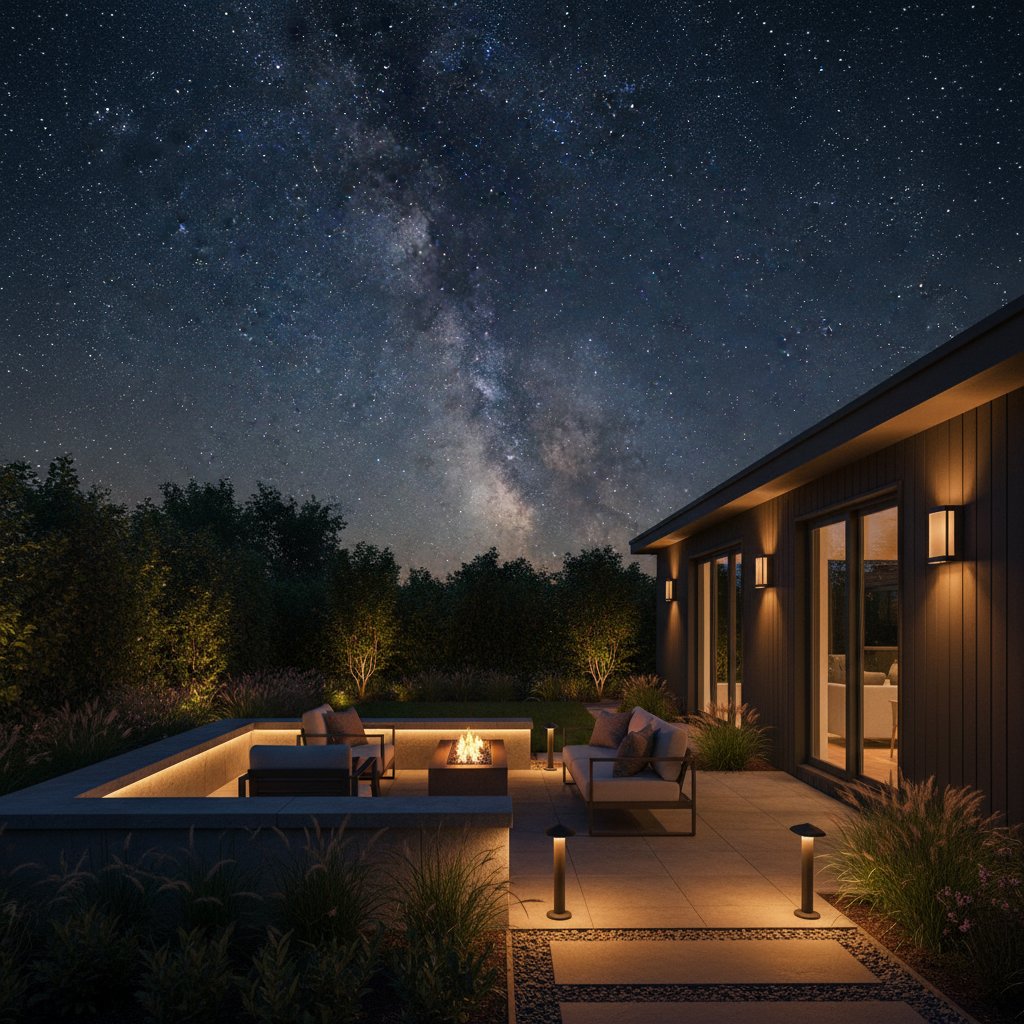
Several fixture types align well with dark sky objectives. Downlights mount on ceilings or eaves, projecting a wide pool of light directly below for seating areas. Bollard lights, standing 18 to 36 inches tall, line walkways with shielded tops that contain the beam. Wall sconces with opaque shields direct output onto surfaces like fences or house walls, avoiding open skies. Recessed step lights embed into treads or risers, offering subtle guidance for stairs without upward projection.
Consider material durability for outdoor conditions. Bronze or aluminum finishes resist weathering better than plastic. For larger properties, integrate landscape spotlights with adjustable hoods to highlight trees or sculptures from below, ensuring the beam angles downward at 10 to 30 degrees. Steer clear of unshielded lanterns or floodlights, which scatter rays indiscriminately and exacerbate pollution.
Achieving Aesthetic Balance with Energy Efficiency
Effective outdoor lighting prioritizes subtlety over intensity to foster a welcoming atmosphere. Strategic placement of three to five fixtures often suffices for a standard yard, outperforming widespread high-output arrays. Warm LEDs at 2700K to 3000K render foliage in rich tones, enhancing visual depth without stark contrasts.
Layer illumination for versatile effects. Path markers ensure safe navigation at 50 to 100 lumens each. Functional wall mounts illuminate doors or garages at moderate levels. Subtle accents, such as ground-level grazers, add texture to architectural features using 200 lumens or less. Solar alternatives prove viable in sunny locations; opt for panels that recharge fully in four hours and include dusk-to-dawn sensors.
Incorporate controls for optimization. Dimmers allow adjustment from 10 to 100 percent brightness based on occasions. Smart systems connect via apps to schedule routines, such as activating at sunset and deactivating at midnight. This layering not only conserves energy but also adapts to seasonal changes, maintaining efficiency year-round.
Budgeting and Installing Dark Sky Systems
Dark sky fixtures generally match the price range of conventional options, with premiums for advanced shielding. Individual units cost between 40 and 150 dollars, influenced by size, material, and features like integrated sensors. A basic setup for a 500-square-foot yard might total 300 to 600 dollars, excluding labor.
Homeowners with electrical knowledge can handle installation. Run low-voltage wiring from a transformer near the power source, burying cables 6 inches deep for protection. Secure mounts with concrete footings for bollards or use weatherproof brackets for walls. Test alignments post-installation to confirm downward directionality.
Professional services, costing 50 to 100 dollars per hour, guarantee code compliance and optimal wiring. Factor in permits if altering main electrical lines. Long-term savings offset initial outlays; LEDs reduce consumption by 80 percent compared to incandescents, potentially recouping costs within two years.
Routine maintenance sustains performance. Inspect annually for lens clarity, wiping away debris with a soft cloth. Verify sensor functionality by simulating motion. Replace any faulty components promptly to prevent inefficiency. Proper upkeep ensures the system remains effective for a decade or more.
Cultivating a Serene Starlit Haven
A well-designed lighting scheme integrates seamlessly with the natural night, fostering tranquility and connection to the cosmos. Clearer star views emerge as pollution diminishes, allowing appreciation of celestial patterns. Plants and animals thrive under reduced artificial light, preserving ecological balance.
Experiment with adjustments to personalize the space. Install programmable timers for extended summer evenings or shorter winter nights. Host gatherings to gauge ambiance, tweaking intensity for comfort. These refinements not only safeguard the sky but also elevate everyday outdoor experiences into memorable retreats.