No-Mow Lawns Transform Yards Into Living Ecosystems
Have you ever looked at your lawn and felt tired just thinking about mowing it again? Many homeowners are discovering that letting the grass grow represents a movement toward balance, beauty, and sustainability. The no-mow lawn trend is spreading quickly. It changes how people see their yards.
Rethinking What a Lawn Should Be
For generations, the neat, trimmed lawn has been a symbol of care and pride. That perfection often comes with long hours of mowing, watering, and fertilizing. A no-mow lawn invites you to rewrite that story. Instead of uniform blades of grass, you create a living mosaic of texture, color, and sound.
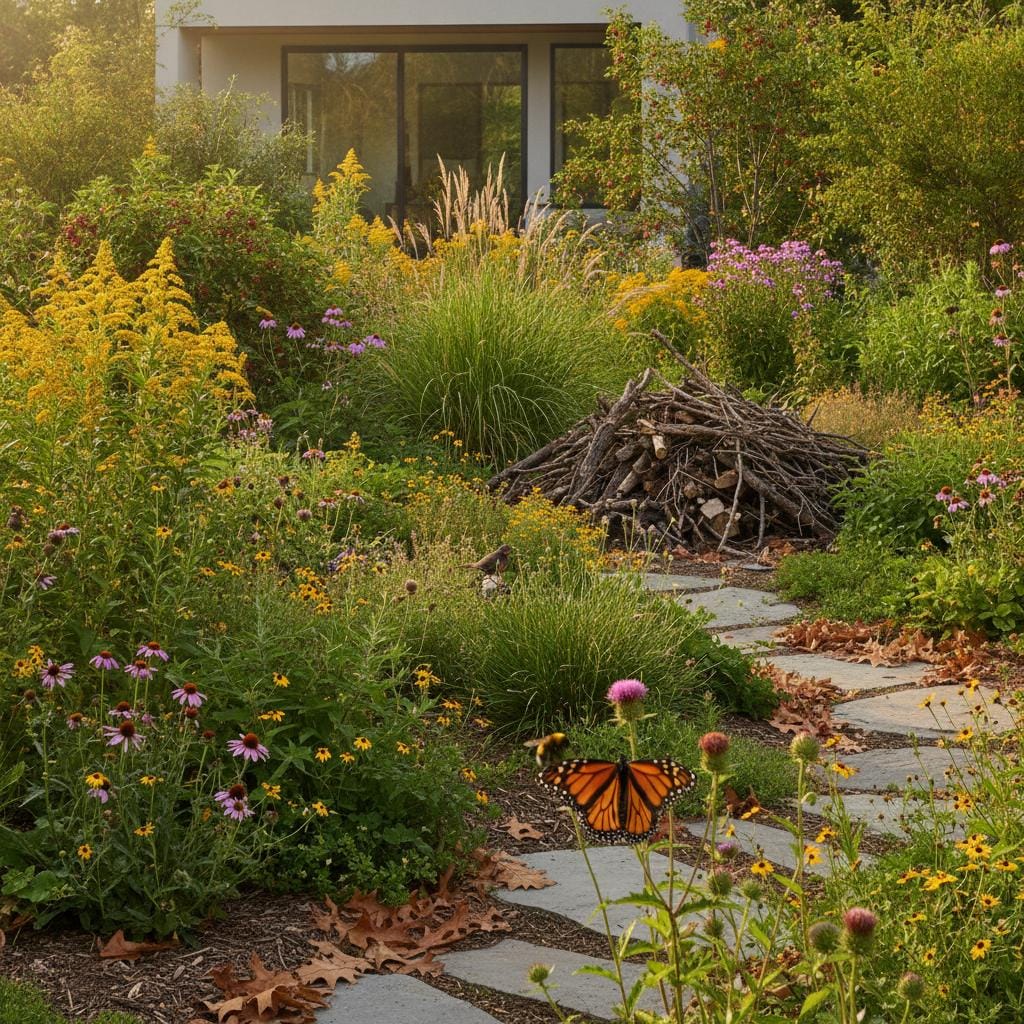
Bees hum through clover. Butterflies flicker over native blooms. The soil rests undisturbed beneath a thick and healthy cover. This approach lets nature take a small step back into your space. When you stop mowing, the land begins to heal. The roots strengthen, moisture stays in the ground longer, and small creatures find shelter again.
Assessing Your Current Space
Before you put away your mower, take a moment to understand what you already have. Walk your yard slowly. Notice where the grass is thin or patchy and where weeds seem to thrive. Look for areas that stay wet or dry out quickly. These clues show what kind of plants will do well without constant trimming.
If your lawn is mostly traditional turf grass, it may need help adjusting to a no-mow approach. Some grasses, like fescues or rye, can handle longer growth. Others might struggle. You might decide to replace parts of your lawn with meadow grasses or low-growing ground covers that naturally stay soft and lush without cutting.
Take note of sunlight patterns too. A sunny patch can support native wildflowers. Shaded areas may be better suited for moss or woodland plants. Every section of your yard has its own rhythm. Learning it is the first step toward a thriving no-mow space.
Planning Your No-Mow Transition
Once you know your lawn current condition, it is time to make a plan. A no-mow lawn does not appear overnight. It grows into existence slowly, through intention and patience.
Start small. Choose one area of your yard, maybe a corner or border, and commit to leaving it unmowed. Watch how it changes over a few weeks. You will begin to see how the grass and local plants respond. This simple experiment builds confidence and helps you understand the pace of rewilding.
If you decide to transform the entire lawn, prepare the soil first. Remove invasive weeds, loosen compacted areas, and enrich the surface with a light layer of compost. Then, seed with a mix of native grasses and wildflowers suited to your region. The goal is to create a stable, self-sustaining community of plants that need little help from you.
Acting with Intention
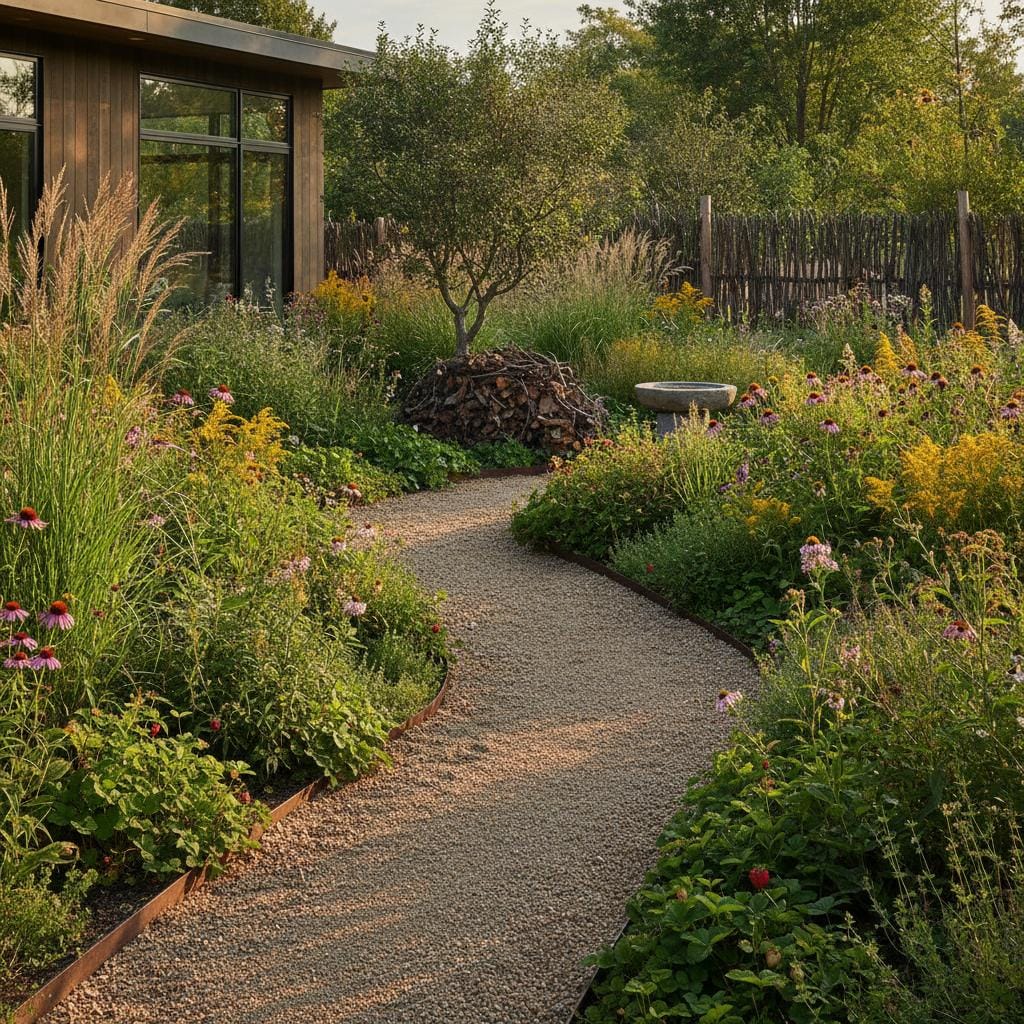
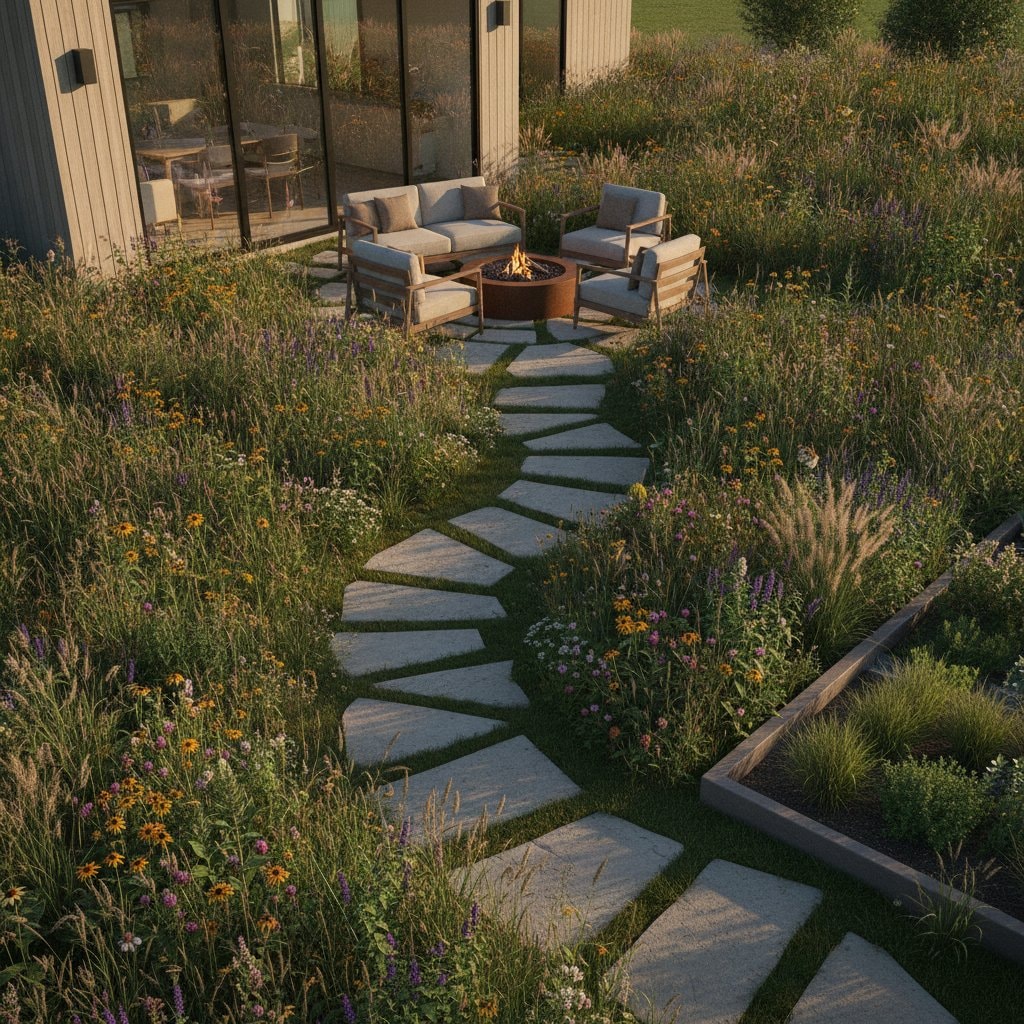
Letting go of mowing can feel strange at first. The uneven height and shifting appearance might seem messy, especially if you are used to crisp, clean edges. You can bring structure to your meadow-style lawn by adding clear borders. A simple gravel path, a mowed edge, or a small stone border creates visual order and signals that the space is cared for.
This balance of wild and tidy helps neighbors see it as intentional design, not neglect. Watering and fertilizing should also shift. Once native plants are established, they need less water and little to no fertilizer. Their roots reach deep, drawing moisture and nutrients naturally. Over time, the soil improves, becoming richer and more alive.
Weeding is still part of the process, especially in the first growing seasons. Remove aggressive or invasive species before they dominate. As your chosen plants mature, they will fill in the gaps and keep unwanted growth under control.
The Beauty of a Living Meadow
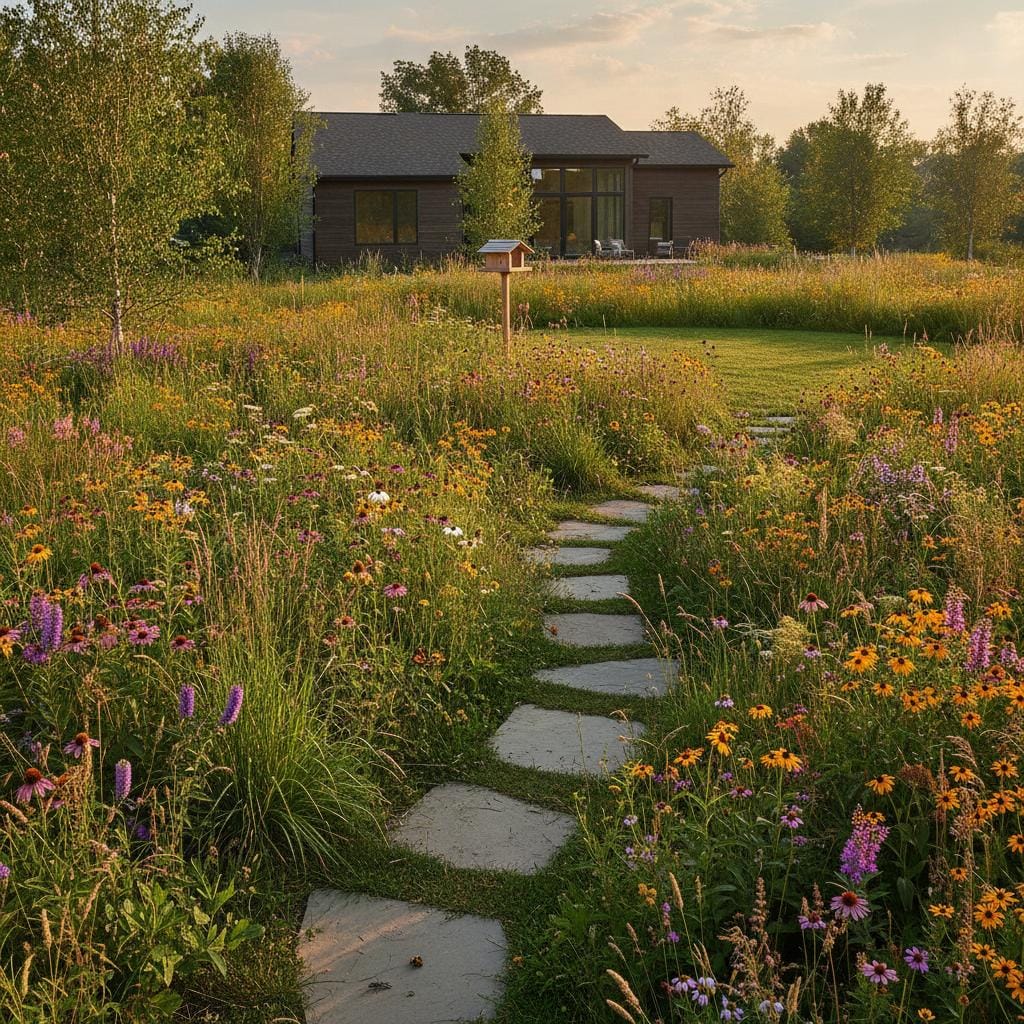
A no-mow lawn is more than a maintenance choice. It changes how you experience your outdoor space. The air feels different when it moves through tall grasses. The sound of crickets replaces the roar of a mower. Every visit outdoors becomes a reminder that nature thrives when given a little room.
You may notice the return of pollinators, songbirds, and small mammals. Their presence keeps the ecosystem in motion. The flowers feed bees and butterflies. The seeds feed birds. The roots hold water in the soil. What was once a quiet patch of green becomes a small but important sanctuary.
Even visually, the change is striking. The shifting colors and textures across the seasons create a kind of living art. Early growth brings soft greens. Midsummer adds bursts of color. Autumn dries the stalks into golden waves. There is always something new to see, and it requires so little from you in return.
Watching Your Garden Thrive
As your no-mow lawn settles into its rhythm, you may find that your connection to your yard deepens. You are no longer managing it through strict schedules. You are observing, responding, and partnering with it.
Maintenance becomes gentler and more mindful. Instead of weekly mowing, you might trim once or twice a year. Cut the grasses back in late winter or early spring to make room for new growth. This light touch keeps the meadow healthy while preserving habitat for overwintering insects.
If you want to expand the diversity of your meadow, sprinkle in additional native seeds each season. Over time, the mix becomes more resilient. It adapts to weather changes and supports more wildlife.
Neighbors might ask questions or even express curiosity about your new lawn. Share what you have learned. Invite them to see how much life has returned to your yard. Many people want to adopt more sustainable practices but do not know where to begin. Your example can inspire others to take that first step.
Building Your Sustainable Outdoor Space
Choosing a no-mow lawn is not just about saving time or effort. It is about creating a living space that reflects care, respect, and patience. You trade the hum of machinery for the sound of bees. You trade uniformity for richness.
The no-mow trend is more than a momentary idea. It is a sign of changing values in how we connect with our land. Whether you transform your entire yard or simply let one corner grow free, each step matters.
Let the grass grow tall. Let the wildflowers bloom. Watch your outdoor space become a small reflection of the natural world at its best.