No-Mow Lawns Are Transforming Suburban Biodiversity
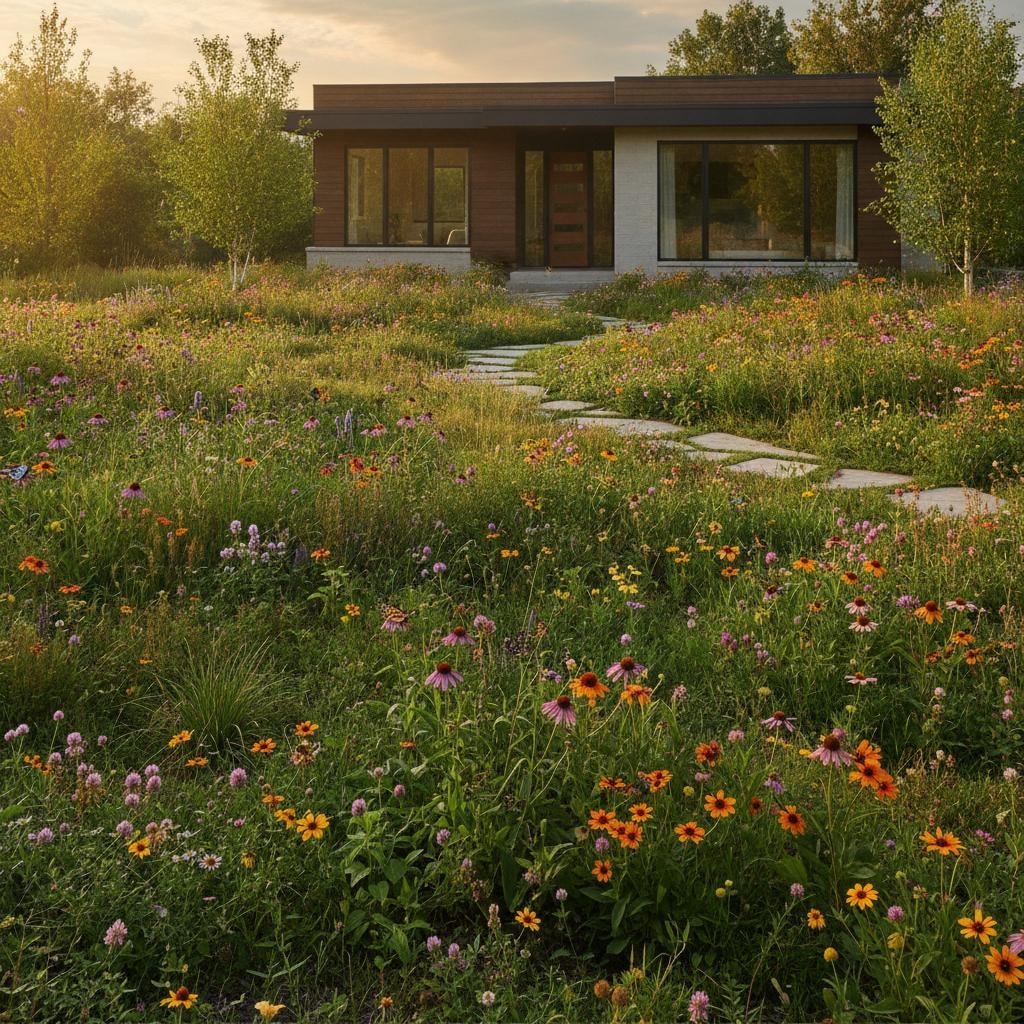
Every neighborhood has that one lawn that looks a little different. It may be a stretch of soft grasses swaying in the breeze and dotted with wildflowers. At first glance it might seem untended. A closer look reveals something more deliberate.
This is the quiet revolution of no-mow lawns. The approach is changing not only how yards look but how suburban ecosystems function.
Rethinking What a Lawn Can Be
For generations a tidy closely cropped lawn was the standard of suburban care. It matched the idea of order and neatness. Yet the traditional lawn often demands heavy watering frequent mowing and chemical treatments that leave little room for life beyond grass.
The no-mow movement challenges that idea by asking a simple question. What if lawns were allowed to grow naturally with minimal interference? A no-mow lawn is not just a patch of overgrown grass. It is a planned combination of low-growing native species that thrive with little maintenance.
These plants can handle foot traffic hold moisture better and create habitats for pollinators. The result is a living carpet that feels alive rather than managed.
The Beauty of Letting Nature Lead
The first time homeowners stop mowing the change can feel unsettling. The grass grows taller seed heads appear and textures shift. Soon bees return butterflies drift through and birds begin to forage. What once was a silent green expanse becomes a small layered ecosystem.
It is less about perfect symmetry and more about quiet participation in the rhythms of nature. Visually no-mow lawns can take many forms.
- Meadow-style lawns that blend native grasses with wildflowers for a soft natural look
- Clover-based lawns that stay green through dry spells and attract pollinators
- Mixed low-grass lawns that create a tidy manageable surface with less mowing
Each version supports biodiversity in its own way and gives suburban spaces a renewed sense of life.
Practical Steps Toward a No-Mow Space
Transitioning to a no-mow lawn need not happen all at once. Starting small helps homeowners learn what works in their soil and climate. A good first step is to designate a corner or border area to grow naturally. Over time this can expand as confidence grows.
Key practices include the following.
- Choosing native grasses and groundcovers suited to local conditions
- Reducing fertilizer and pesticide use to protect soil health
- Allowing seasonal variation rather than keeping a uniform height
- Mowing occasionally to manage weeds or create paths
These changes reduce maintenance while helping the yard support insects birds and soil organisms that keep natural cycles thriving.
Living with the Change
A no-mow lawn invites patience. It evolves over seasons with subtle shifts in color texture and sound. This slower rhythm can be deeply satisfying and reminds us that beauty need not come from control. Over time neighbors may notice the hum of bees or the soft rustle of grasses and begin to ask questions. That curiosity is how transformation spreads.
Observing Your Yard's Potential
If you are considering a no-mow lawn start by observing your space. Notice where water gathers where sunlight falls and what already grows with ease. Choose plants that match those patterns. The goal is not to mimic a meadow perfectly but to work with what your land naturally offers.
With a bit of patience and care you will create a yard that feels alive in every sense. It brings back the small wonders that make a landscape feel whole.