Privacy That Tastes Good: Fruit-Bearing Hedge Ideas
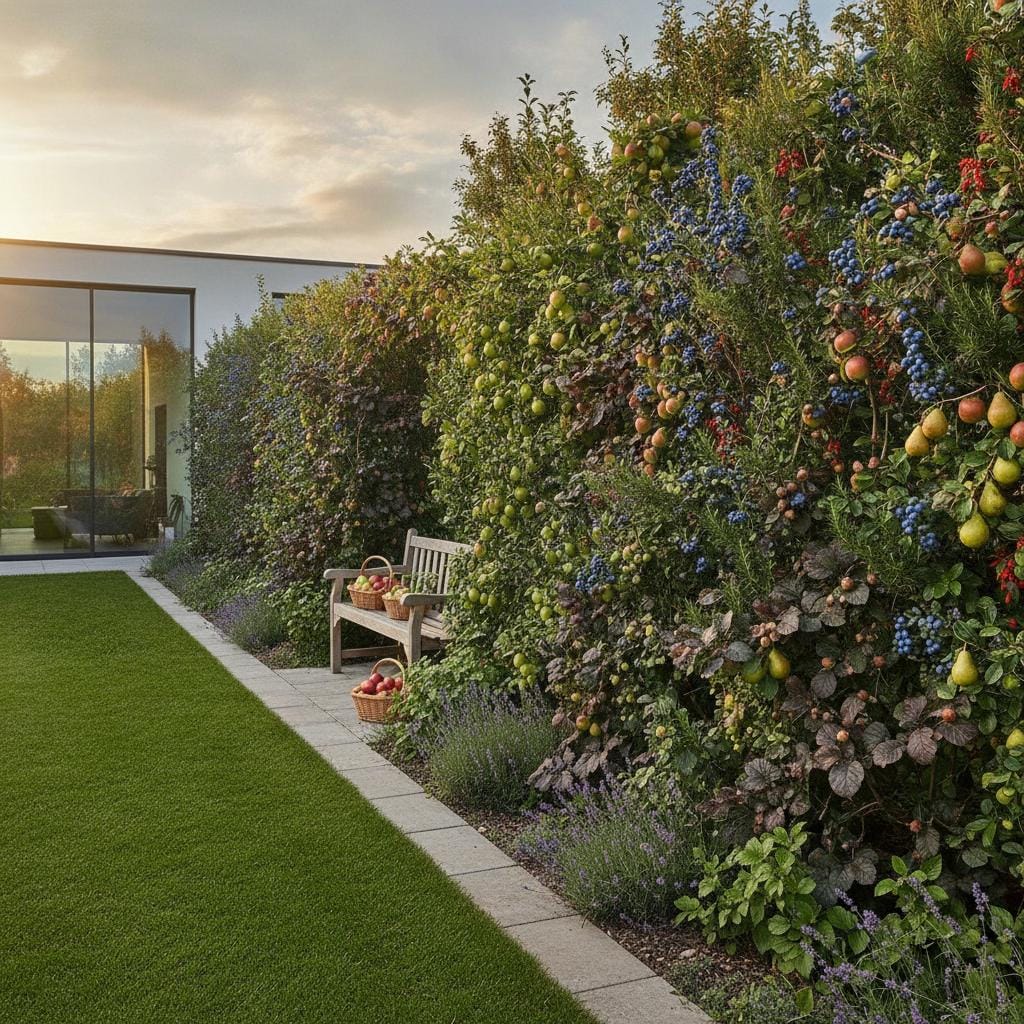
A hedge shapes the look of your yard while offering privacy and producing food for your household. Fruit-bearing options replace plain evergreens with living screens that yield harvests, support pollinators, and shelter birds. These shrubs turn border spaces into productive zones that change with the seasons.
The right selection depends on climate, soil conditions, and the time available for pruning. Several shrubs meet the requirements for dense growth and reliable crops.
Benefits of a Productive Hedge
Fruiting hedges deliver advantages that extend past appearance. They create privacy and supply fresh produce at the same time. Seasonal flowers give way to colorful fruit and foliage that supports local wildlife throughout the year.
Homeowners also reduce grocery costs and limit reliance on commercial produce. The added effort of pruning pays off through consistent yields and improved garden biodiversity.
Strong Shrub Choices for Dense Screens
Select plants that tolerate regular trimming and fill space quickly. The following options suit different site conditions and maintenance levels.
Blueberry Bushes
Blueberry shrubs form compact hedges three to six feet tall in acidic soil and full sun. White bell-shaped flowers appear in spring, followed by clusters of blue fruit by midsummer. Leaves turn deep red in autumn.
These plants suit smaller yards and provide fruit for fresh use or freezing. They require soil amendments if native pH is too high and benefit from netting to protect berries from birds. Initial cost ranges from fifteen to thirty dollars per shrub, with two- to three-foot spacing that creates a solid screen in a few seasons.
Aronia
Aronia produces glossy leaves, white spring flowers, and dark purple berries rich in antioxidants. The fruit suits juice, jam, or baked goods rather than direct eating. Plants reach six to eight feet, tolerate wet soils and cold temperatures, and show strong resistance to pests.
Vibrant red-orange fall color adds seasonal interest. Occasional sucker removal keeps spread in check.
Currants and Gooseberries
Currants and gooseberries stay compact at three to five feet tall and wide, which fits smaller spaces or mixed plantings. They produce early-season fruit and handle partial shade with minimal pruning after initial shaping.
Red, black, and white currant varieties exist alongside green to pink gooseberries used for pies and preserves. Consistent moisture improves fruit quality. Some regions restrict certain types due to disease regulations.
Serviceberry
Serviceberry grows as a native shrub or small tree that reaches fifteen feet when left unpruned. White spring flowers precede purple-blue fruit with a blueberry-like flavor. It adapts to varied soils and both sun and shade exposures.
Birds favor the berries, so partial netting helps secure a harvest. Annual pruning maintains a hedge shape and prevents excessive height.
Rugosa Rose
Rugosa roses create fragrant flowering borders with dense foliage and large edible hips high in vitamin C. They reach six feet, tolerate salt, and suit coastal sites or driveway edges. Hips can be processed into tea, jelly, or syrup.
Thorns make them less suitable near play areas. Regular pruning controls spread and encourages repeat blooms.
Site Preparation Steps
Measure the border and decide on final hedge height before purchasing plants. Most fruiting shrubs need full sun and well-drained soil.
Test soil pH first, especially for blueberries that prefer 4.5 to 5.5. Space individuals according to mature width to avoid competition. Incorporate compost at planting time, water deeply during the first season, and apply two to three inches of mulch to retain moisture and suppress weeds.
Expect at least one full growing season before the hedge supplies meaningful privacy.
Ongoing Care Practices
Fruit-bearing hedges require annual attention to stay productive. Prune once each year to remove old wood and maintain shape. Apply balanced fertilizer or compost in early spring.
Renew mulch yearly and remove weeds promptly. Use netting during fruit ripening to limit bird damage. Lower-maintenance selections such as aronia need less frequent intervention.
Mixed Plantings for Extended Interest
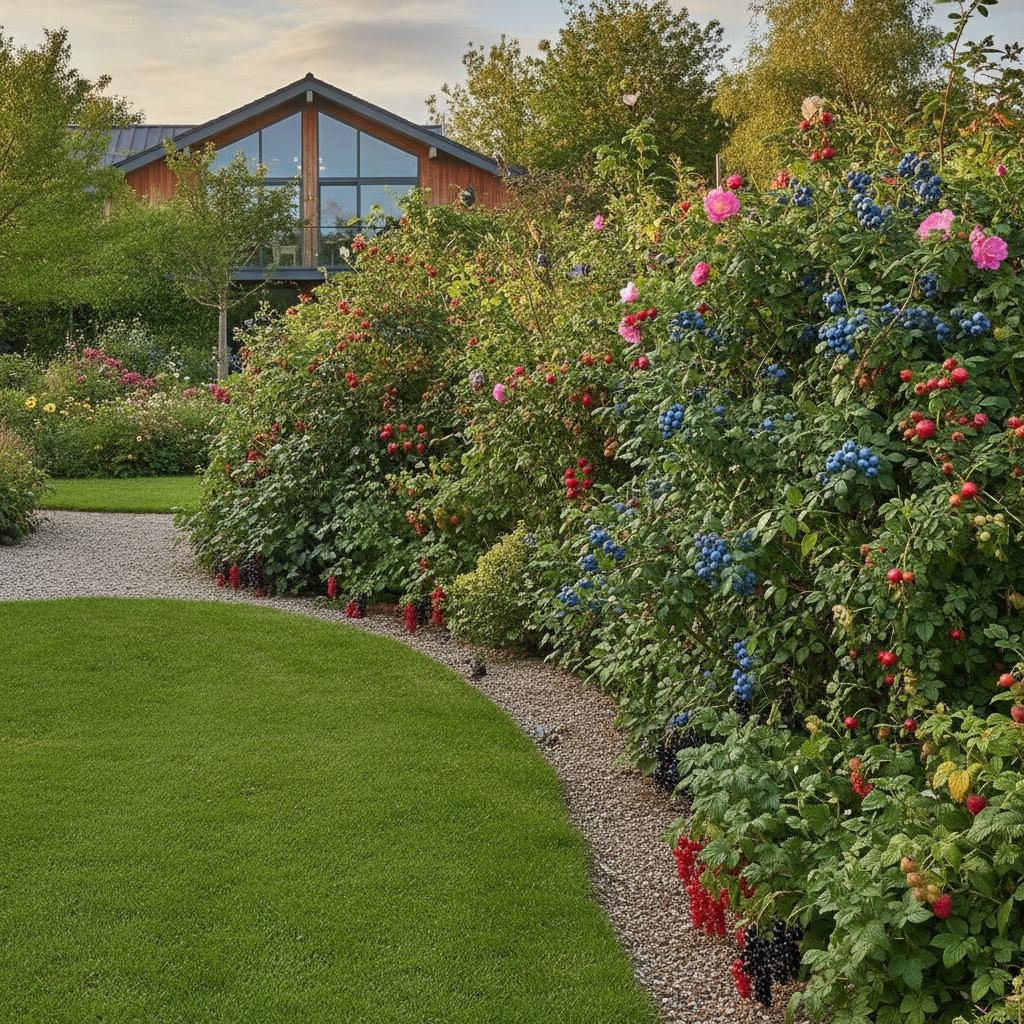
Alternate species along the row to stretch the harvest window and add visual variety. Blueberries paired with currants yield fruit from early through late summer. Inserting rugosa roses introduces flowers and extra color.
Place taller shrubs toward the back for a layered effect. The resulting screen can also function as a windbreak between garden areas.
Long-Term Results
Established hedges grow denser and more fruitful each year. Regular harvesting reduces waste and pest pressure while keeping plants vigorous. The border supplies privacy, seasonal color, and homegrown produce that justifies the initial investment.