Night-Bloomers: The 2025 Trend for Magical Evenings
Gardens at night possess a subtle captivation. The atmosphere softens, sounds sharpen, and colors yield to textures and aromas. While many landscapes receive attention during daylight hours, the most compelling experiences often emerge after dusk. Night-blooming gardens address this by activating when daylight diminishes.
This trend reflects a desire to engage with outdoor spaces in novel ways. Gardeners shift from vibrant daytime hues to silvers, whites, and soft yellows that reflect moonlight. Such designs foster serenity and introspection, emphasizing scent, shadow play, and delicate motion.
The Allure of Night Gardens
Night gardens prioritize ambiance over profusion or vivid colors. Daylight calls for bold contrasts, but evening landscapes speak softly. Effective designs employ moderation and patterns, with light-colored petals capturing minimal illumination against darker foliage for added dimension.
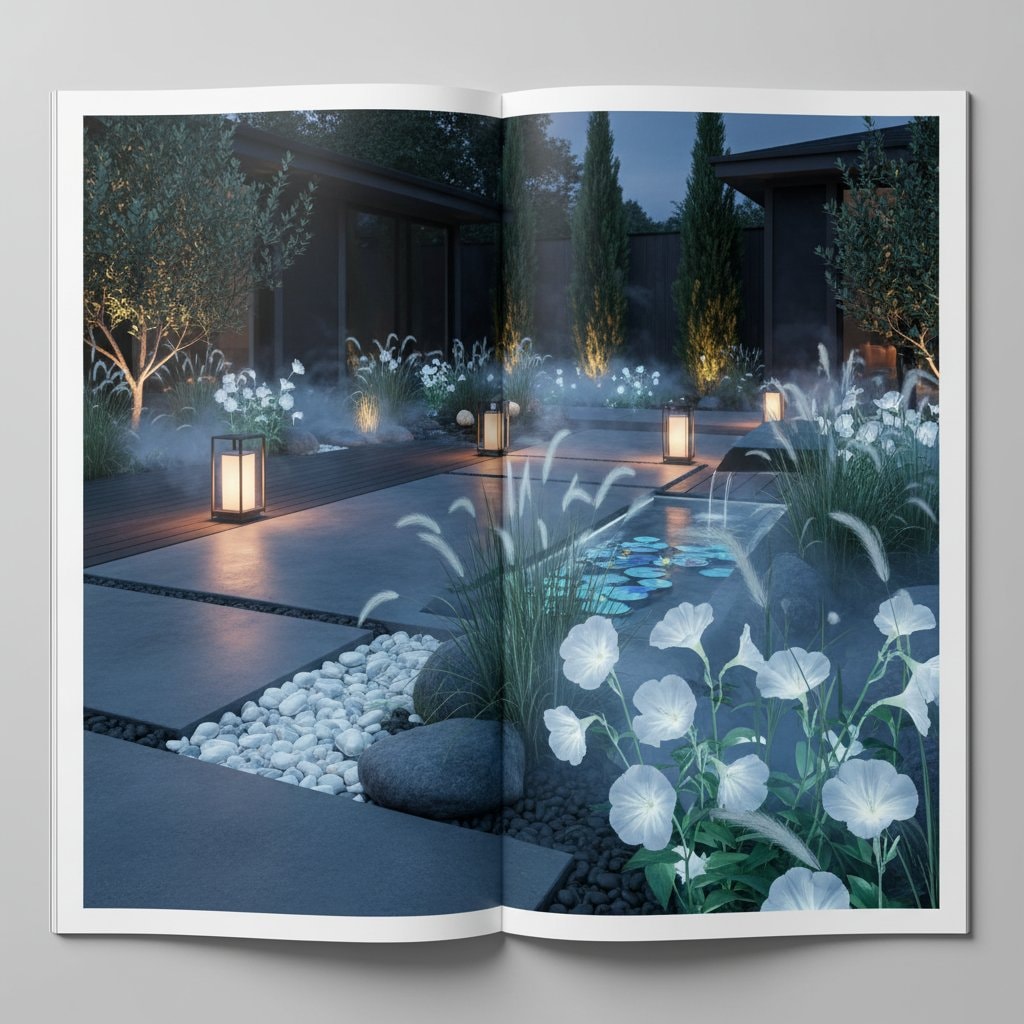
This strategy yields immersive environments. A walkway bordered by moonflowers or a lattice covered in jasmine engages multiple senses. Visitors perceive leaf whispers and insect activity near flowers more acutely. These gardens demonstrate that allure develops gradually, bloom by bloom.
Reasons for Rising Interest in Night-Bloomers
Several factors drive the popularity of night-blooming plants. Individuals increasingly spend evenings outside, whether sharing meals on patios or relaxing in milder air. Gardens that flourish at twilight align with these habits and prolong a sense of refuge beyond sunset.
Emotional appeal also contributes. These spaces offer privacy and contemplation through aroma, form, and understated differences. They encourage relaxed dialogue and mindful watching rather than bustle. In contemporary routines, such oases provide invaluable pauses.
Selecting Effective Night-Blooming Plants
Begin plant selection by evaluating available light. Moonlight or subtle artificial sources dictate visibility; whites, silvers, and light pinks reflect best, while deeper shades blend into darkness. Consider these reliable options to infuse evenings with enchantment:
- Moonflower (Ipomoea alba): Broad white flowers emerge at twilight, emitting a mild fragrance. Train vines on fences or supports to form illuminated screens; space plants 12 inches apart for full coverage.
- Evening Primrose (Oenothera biennis): Pale yellow petals open as evening arrives, attracting moths and bees. This resilient species tolerates lean soils; sow seeds directly in spring for natural spreading.
- Night Phlox (Zaluzianskya capensis): Dubbed midnight candy for its escalating evening sweetness, this compact perennial suits borders. Plant in groups of five for intensified scent; ensure full sun exposure during the day.
- Tuberose (Polianthes tuberosa): Creamy blooms deliver a potent, heady perfume in warm settings. Position bulbs 4 inches deep in rich soil; deadhead spent flowers to promote continuous display.
- Angel’s Trumpet (Brugmansia): Hanging trumpet-shaped flowers unfurl nocturnally, perfuming large areas. Use as specimen shrubs in zones 9-11; prune annually to maintain shape and encourage branching.
- White Nicotiana: Starry clusters gleam in dim light and lure pollinators. Grow from seed in pots or beds; pinch tips early to foster bushier growth and prolonged blooming.
Combine species thoughtfully for diversity and unity. Favor clusters of identical plants over scattered varieties; for instance, intersperse three moonflower vines with evening primrose for rhythmic appeal.
Designing with Light and Shadow
Evening designs diverge from solar-focused principles, emphasizing low-light perception. Light flowers bounce back illumination, whereas dark leaves absorb it, generating layers of depth.
Integrate paths, seats, and water elements strategically. A reflecting pool duplicates moonlight, and light gravel disperses glow evenly. Install low solar fixtures or candles to accentuate focal plants without overwhelming the scene; aim for 5-10 foot-candles of ambient light.
For overhead interest, entwine jasmine or moonflower through pergolas. As blooms activate, aromas descend, enveloping seated areas in ethereal ambiance.
Integrating Fragrance as the Core Element
Scents persist longer in cooler nights, unmasked by daytime odors, heightening floral impact. Night-bloomers evolved strong perfumes to draw moth and bat pollinators, prioritizing aroma over visuals.
Plan scent distribution for progression. Site potent varieties like tuberose beside benches or paths; one cluster can perfume a 10-foot radius. In expansive areas, blend intensities, pairing robust tuberose with subtler nicotiana for balanced progression.
Distribute strong emitters sparingly to prevent overload. Space them 5-8 feet apart, allowing aromas to evolve as one traverses the space, enhancing the night's narrative.
Incorporating Texture and Movement
With hues subdued, forms and surfaces dominate perception. Silvery, downy leaves on lamb’s ear or artemisia catch stray light effectively. Ornamental grasses sway in breezes, introducing fluidity to calm settings.
To counter stillness, include waving stems or feathery fronds. Position pots of miscanthus or soft ferns at entrances; their motion registers clearly under moonlight, infusing vitality.
Shaping Pathways and Social Areas
These gardens encourage unhurried discovery. Opt for meandering paths over linear routes, guiding toward illuminated clusters or aromatic surprises.
Choose reflective materials like pale stone for paths to amplify light, contrasting darker mulches. Employ warm, diffused lighting via lanterns or concealed spots; target 2-3 watt LED equivalents to suggest rather than illuminate harshly.
Centralize a modest seating zone as the focal point. A simple bench amid fragrant surrounds and soft glow creates an inviting haven for reflection.
Maintenance Practices for Night-Bloomers
These species require straightforward care. Provide well-drained soil and consistent moisture without saturation. Most favor full daytime sun to fuel evening displays.
Deadhead regularly to sustain blooms; for moonflowers, remove faded petals weekly. In temperate climates, containerize tender types like brugmansia for seasonal relocation and optimal placement.
Apply light fertilizer monthly during growth, and mulch to stabilize soil conditions. Monitor performance and tweak placements; thriving plants signal successful adaptation.
Adapting to Various Scales and Aesthetics
Night designs accommodate diverse styles. Formal parterres soften mysteriously under moonbeams, while wild meadows turn surreal. Focus on recurring motifs to unify without excess.
On compact balconies, a jasmine-laden pot or white flower medley suffices. Prioritize precise details, such as petal gleam or drifting perfume, over quantity.
Sustaining the Evening Experience
Established night gardens integrate into daily rhythms, prompting frequent evening visits driven by aroma or intrigue. Observe bloom timings, atmospheric shifts, and light variations to appreciate evolving beauty.
Their essence resides in partial revelation, spurring return engagements. Adding select night-bloomers yields a vibrant, responsive haven amid quietude.