Modular Stone: Building Enduring, Adaptable Hardscapes
Well-designed outdoor spaces must accommodate change as gardens mature and family needs shift. Trees grow taller, usage patterns evolve, and preferences refine over time. Modular stone emerges as an ideal solution, delivering structured permanence alongside the liberty to modify, extend, or revitalize elements like patios and walkways as circumstances demand.
Grasping Modular Design Principles
Modular design relies on components that integrate seamlessly through uniform dimensions and proportions. In landscaping, this translates to pavers, retaining walls, and steps engineered for interchangeability. Such compatibility permits reconfiguration or replacement of individual parts without overhauling the full installation.
Flexibility defines this method. Traditional approaches lock in patterns early, with mortar bonds rendering alterations costly. Modular stone employs interlocking profiles or dry-laid methods that facilitate adjustments. Extend a patio by adding sections, redirect a path to skirt new plantings, or incorporate a seating nook, all while preserving the original framework.
Achieving Balance in Precision and Aesthetics
Modular stone installations convey order through consistent module sizes, fostering visual rhythm. Subtle variations in hue and surface texture prevent monotony, evoking natural landscapes. This blend elevates craftsmanship in both professional and DIY endeavors.
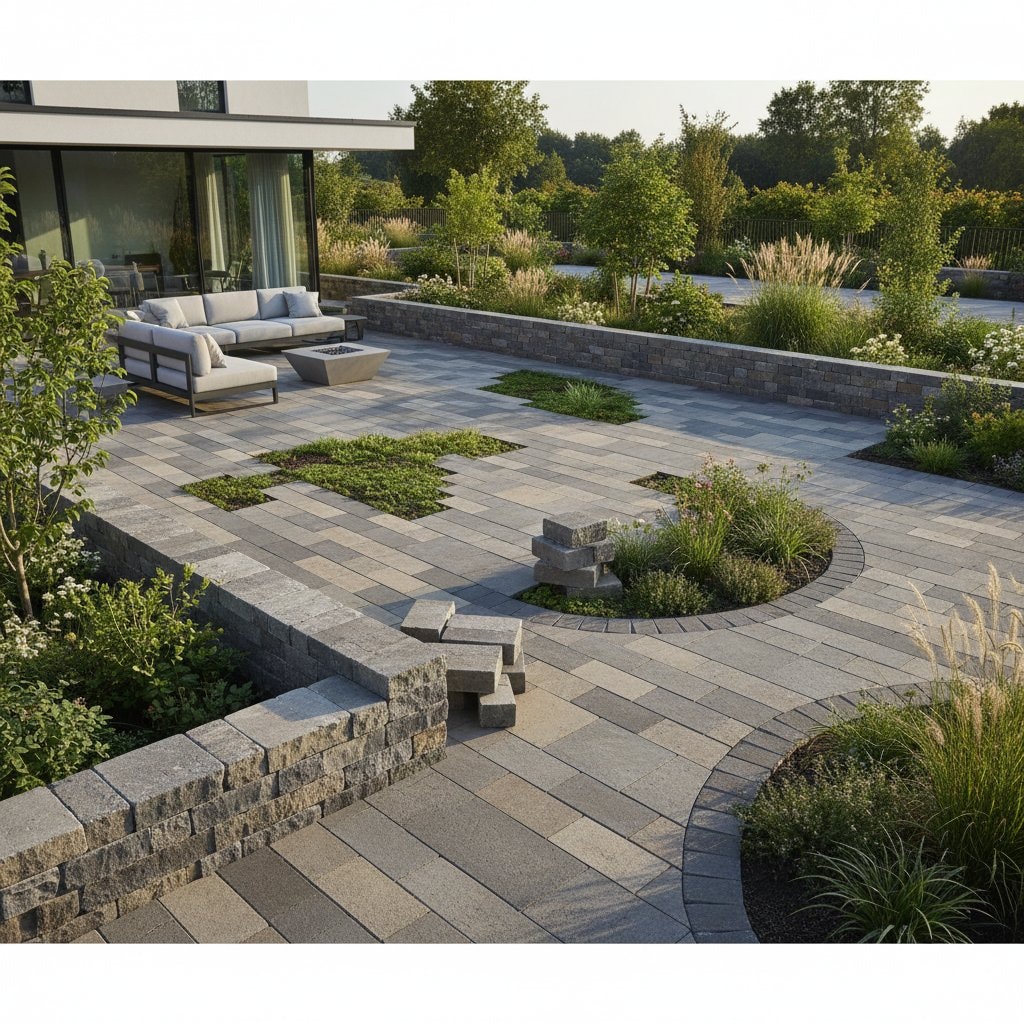
Systems often feature rectangles and squares that assemble into versatile patterns, including herringbone, stack bonds, or varied mosaics. Select layouts that align with your vision, whether aiming for sleek minimalism or earthy informality. The outcome yields surfaces that appear thoughtfully composed yet adaptable to evolving tastes.
Modular Stone Versus Conventional Methods
Modular stone bridges artisanal masonry traditions with contemporary efficiency. Irregular flagstone or bespoke cuts impart an organic, timeless allure, ideal for flowing contours. However, their unique forms complicate future expansions or repairs, often necessitating extensive rework.
In comparison, modular options prioritize foresight. Uniform pieces streamline assembly, cut material surplus, and ease upkeep. While they forgo some raw spontaneity, the trade-off enhances longevity and user control. This evolution parallels interior trends, where prefabricated elements deliver style without sacrificing adaptability.
Selecting Materials for Texture and Performance
Modular stone encompasses diverse options, each suited to specific priorities.
Natural stone variants, precision-quarried from granite, bluestone, or travertine, deliver authentic depth with natural veining and tonal shifts. These age elegantly, gaining character through exposure. Though pricier and heavier, requiring robust sub-bases, their enduring appeal justifies the investment for heritage-inspired designs.
Concrete pavers provide reliable uniformity in sizes from 12 by 12 inches to 24 by 36 inches. Textures replicate slate's cleft face or sandstone's soft grain, available in shades spanning warm buffs to cool grays. Integrated spacers ensure even joints, making them efficient for expansive decks or minimalist layouts.
Engineered composites fuse aggregates with polymers for enhanced resilience. These resist fading, cracks, and stains better than pure stone, ideal for high-traffic zones. Lighter weights simplify handling, broadening application in sloped or confined sites.
Tailoring Designs to Site and Style
Modular stone excels in versatility across architectural contexts, from sleek urban retreats to sprawling rural retreats.
In formal environments, deploy uniform squares in grid formations with neutral palettes like beige quartzite. Accent with slim borders in darker tones to define zones, enhancing geometric elegance around fountains or lawns.
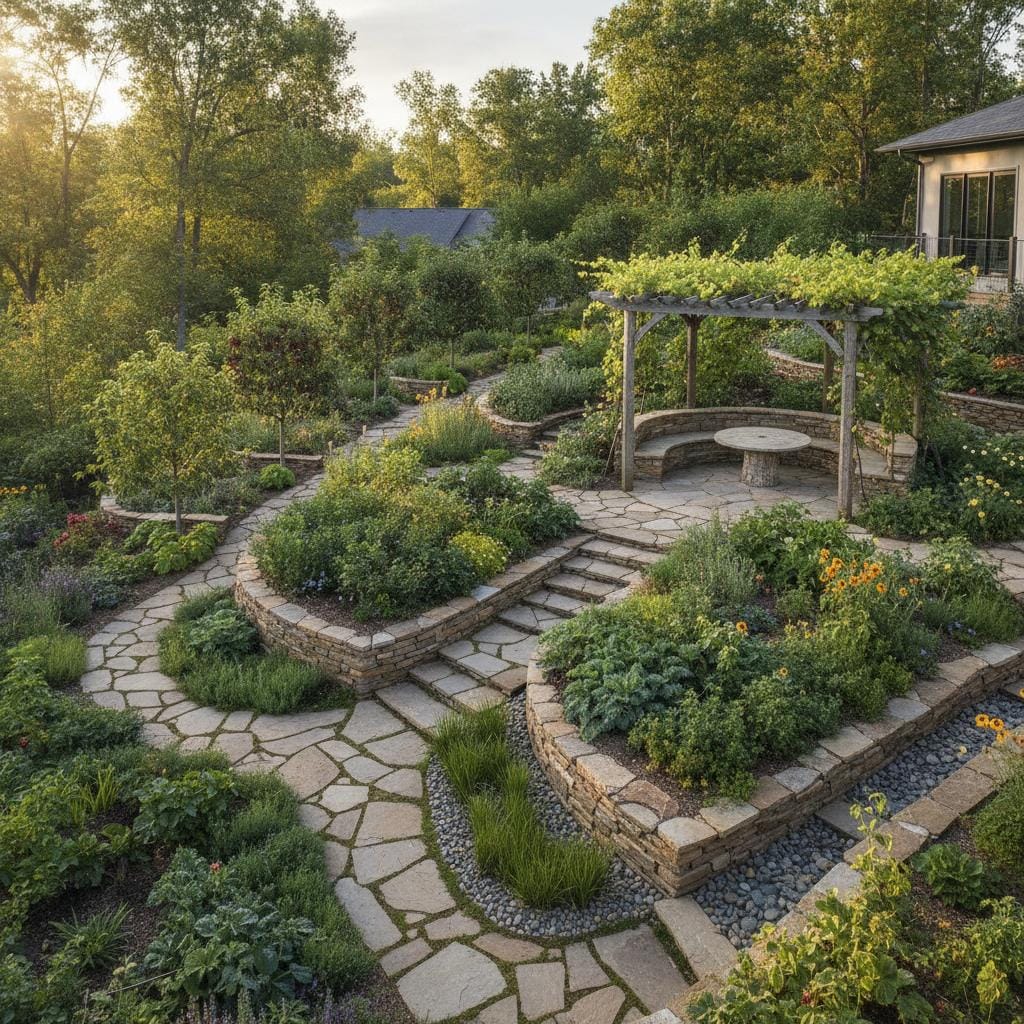
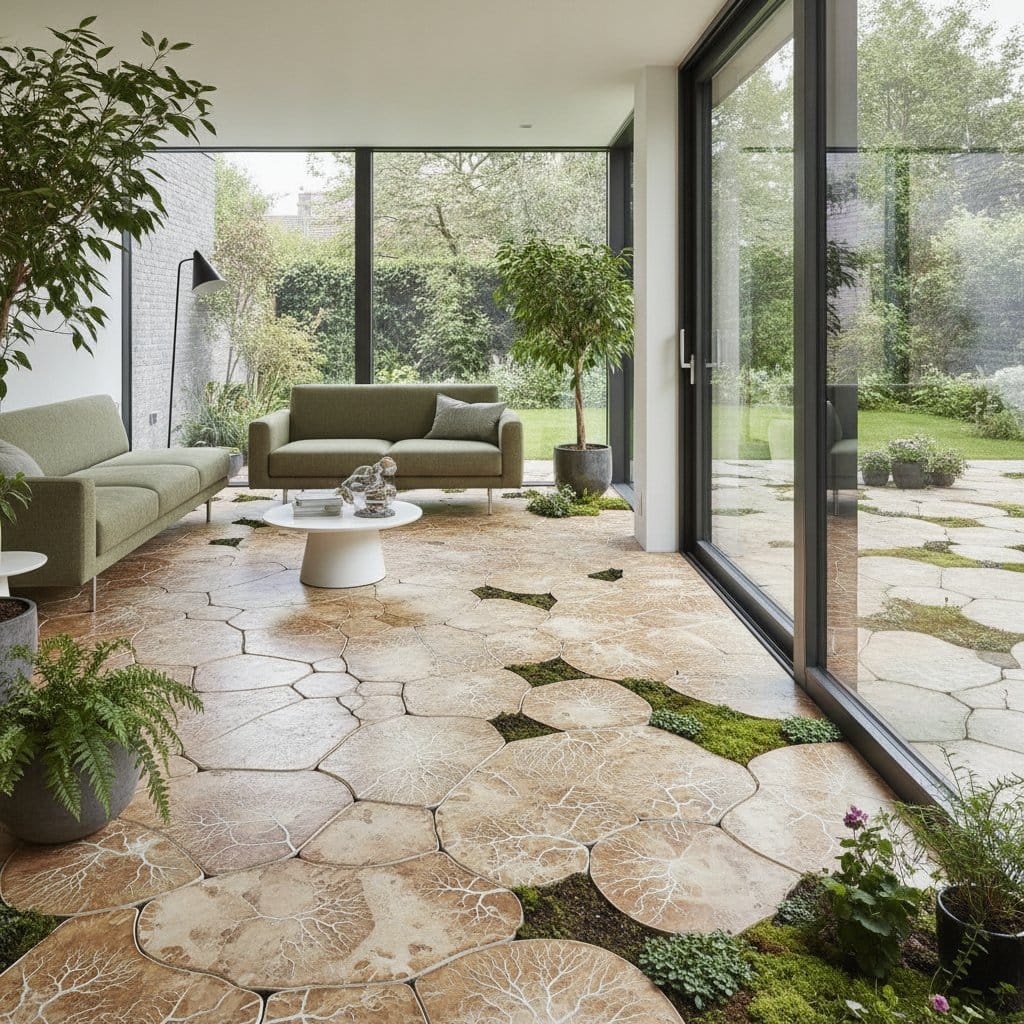
For rustic settings, opt for mixed rectangles with tumbled edges to mimic aged cobblestones. Vary placements for organic flow, integrating mossy joints or bordering with low shrubs to blend with wilder plantings.
In compact urban yards, unify elements by repeating a single paver module across terraces, risers, and edgings. This cohesion amplifies perceived space, turning multifunctional nooks into cohesive retreats.
Ensuring Proper Installation for Durability
Preparation forms the cornerstone of successful modular projects. Excavate to 6-8 inches, install geotextile fabric, then layer 4 inches of compacted gravel followed by 1 inch of coarse sand. Level meticulously to avoid settling.
Place units tightly, tapping with a rubber mallet for stability. Secure edges with plastic or metal restraints. Fill joints with polymeric sand, which hardens to deter erosion while permitting minor flex during temperature fluctuations.
DIY enthusiasts appreciate the puzzle-like progression, but pros handle complex grading and drainage. Proper execution yields surfaces that withstand decades of use, from heavy loads to seasonal extremes.
Embracing Sustainability in Modular Choices
Modular stone aligns with eco-conscious practices through efficient production. Standardized cuts reduce offcuts by up to 20 percent compared to custom stonework. Many manufacturers incorporate recycled content or regional sourcing to lower carbon emissions.
Permeable installations channel rainwater through joints into the soil, mitigating flooding and replenishing aquifers. At end-of-life, disassemble and repurpose units for new paths or raised beds, extending utility and diverting waste.
Facilitating Future Adaptations
Life alters outdoor priorities, from child-friendly zones to serene sanctuaries. Modular systems accommodate such transitions effortlessly. Enlarge a gathering area by integrating matching pavers, or repair a worn section by swapping isolated units.
Begin modestly, perhaps with a 10-foot path, to gauge integration with existing features. Scale up confidently, maintaining pattern continuity. This iterative process crafts personalized landscapes that mirror lived experiences.
Simple Maintenance Routines
Modular surfaces demand minimal effort. Sweep weekly to clear leaves and debris. Hose down quarterly, using a pressure washer on low for stubborn spots. Apply joint stabilizers annually to suppress weeds without harsh chemicals.
In winter, clear snow gently to avoid salt damage; opt for sand over deicers. These habits preserve appearance and functionality year-round.
Integrating Modular Elements into Daily Life
Installed modular stone becomes an unobtrusive ally, supporting gatherings, gardening, and relaxation. Its subtle patterns frame seasonal displays, from blooming borders to holiday lights.
The true value lies in its responsiveness to growth, both literal and figurative. As your garden flourishes, so does the hardscape, providing enduring support amid inevitable shifts.
Planning Your Next Project
Evaluate your yard's current layout and envision five-year changes. Sketch potential expansions, selecting modules that harmonize with your home's facade. Consult samples in natural light to confirm choices. Start small, build incrementally, and enjoy a space that matures with you.