Natural Stone That Turns Hardscaping Into Wellness Havens
Natural stone brings a grounding presence to outdoor areas. It connects people to the earth through texture, color, and permanence that synthetic materials rarely match. This quality turns patios, paths, and walls into places that support rest and quiet reflection.
This guide covers the stone types best suited for calm outdoor settings. It also addresses layout principles, realistic costs, and care routines that keep surfaces attractive for years.
Popular Types of Natural Stone for Wellness Spaces
Stone selection shapes both the visual mood and daily function of an outdoor area. Consider texture, temperature underfoot, and long-term durability when making choices.
Flagstone
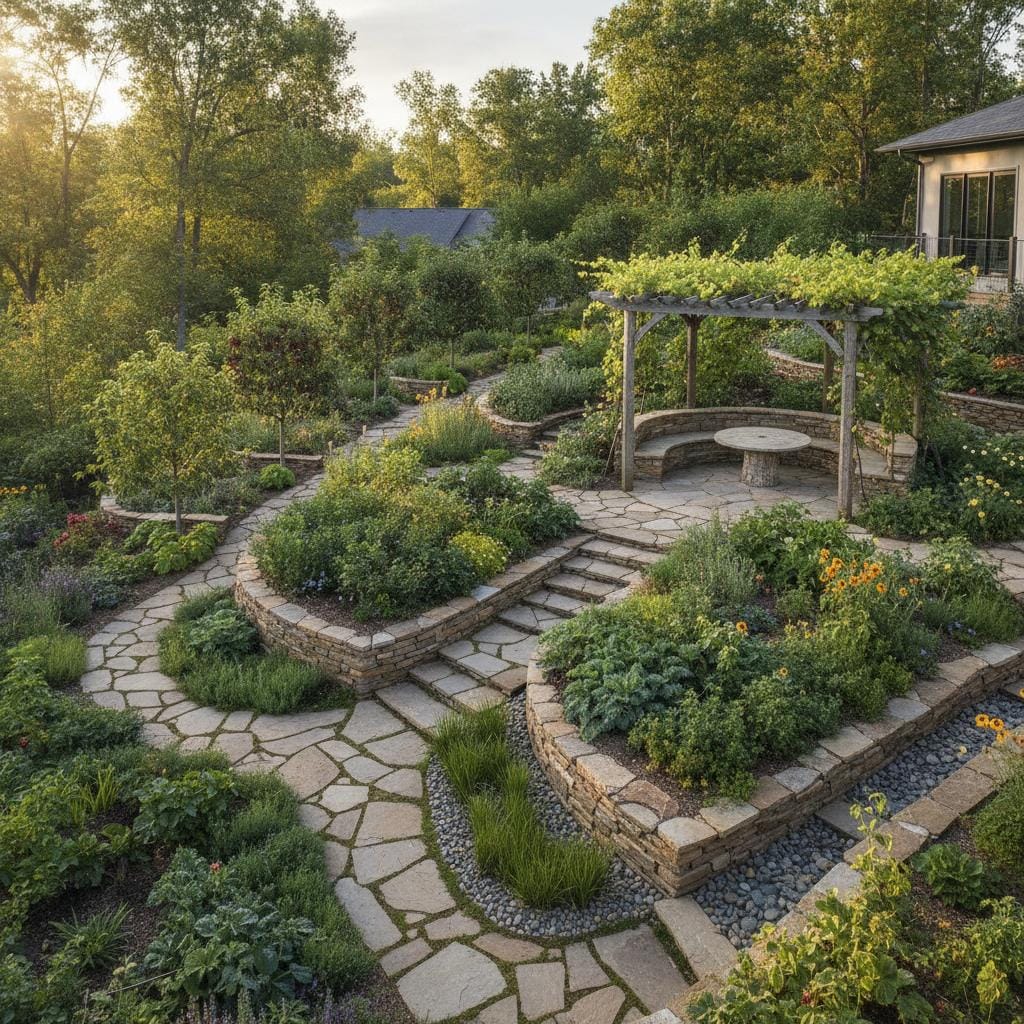
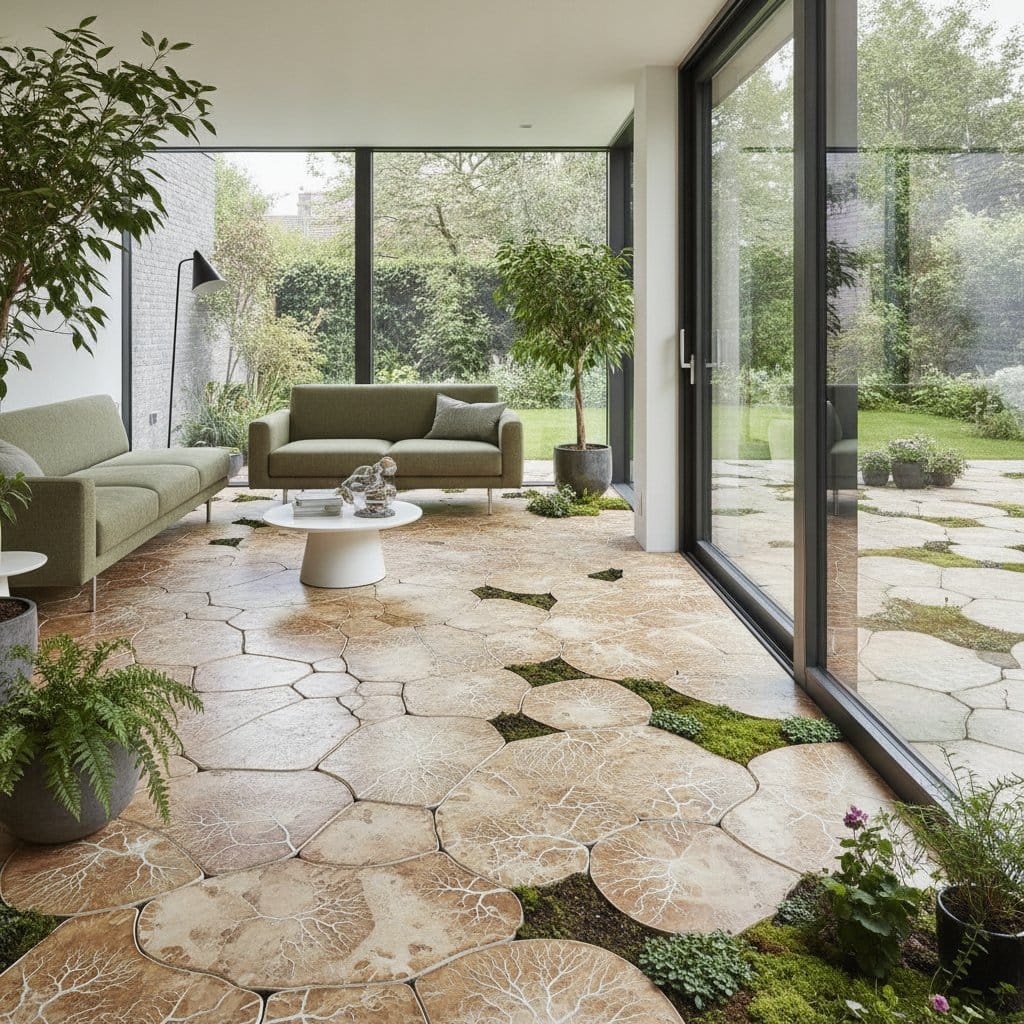
Flagstone creates stable, irregular surfaces ideal for patios and garden paths. Sandstone, limestone, and slate varieties offer soft grays, warm browns, and occasional blue tones.
Use it for pool decks or winding walkways where an organic appearance matters. Sweep debris regularly and apply a penetrating sealer every two to three years to limit staining. Installed costs typically range from ten to twenty dollars per square foot.
Bluestone
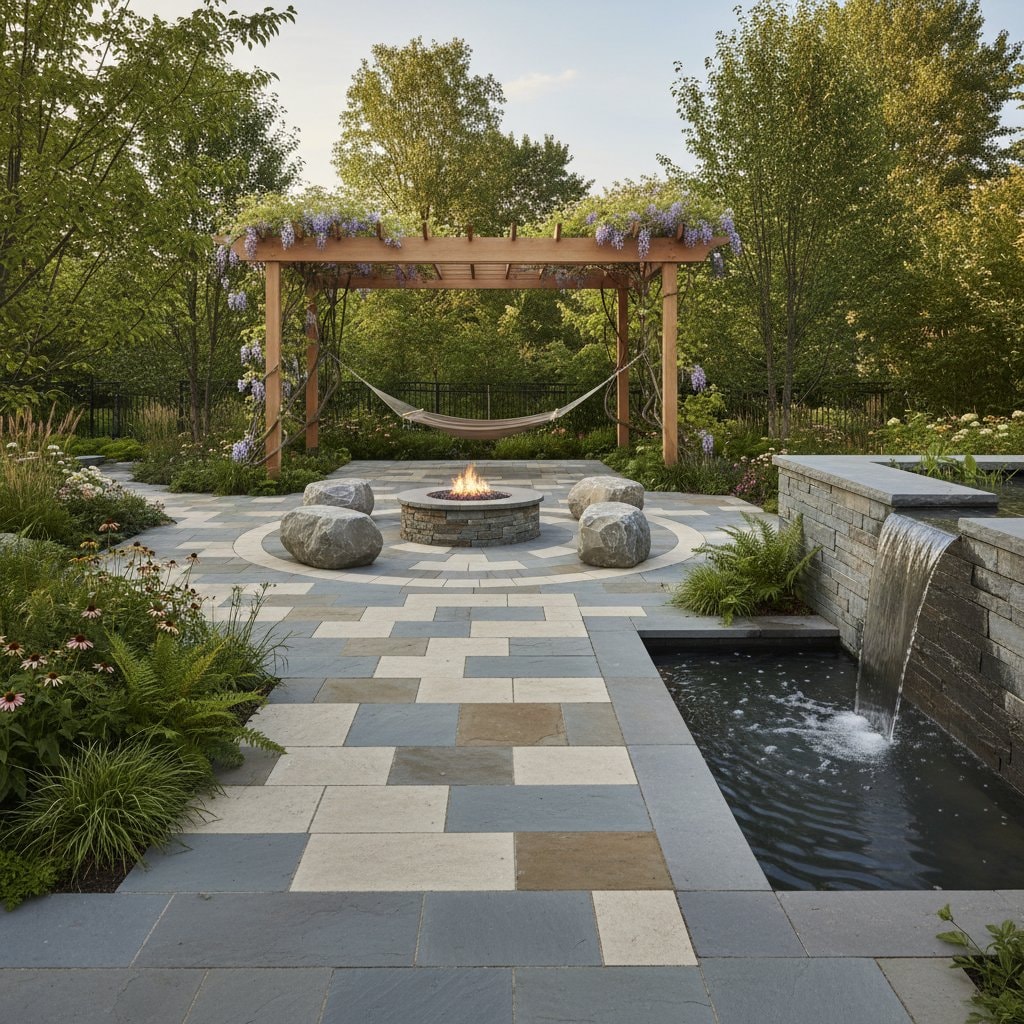
Bluestone delivers a cool, uniform surface suited to modern meditation zones and pool edges. Its blue-gray palette stays comfortable in warm weather.
Place it in courtyards or as stepping stones where clean lines enhance serenity. Clean with mild detergent and reseal periodically to preserve depth of color. Expect fifteen to twenty-five dollars per square foot installed.
Granite
Granite withstands heavy use and temperature swings, making it practical for steps, seating walls, and countertops. Speckled patterns add subtle visual texture without distraction.
Select pale gray or charcoal tones for a grounded look. Occasional rinsing maintains its appearance. Installed prices fall between twenty and thirty dollars per square foot.
Limestone
Limestone offers a soft, warm surface that suits enclosed courtyards and low garden walls. Cream and beige shades reflect light gently and feel pleasant under bare feet.
Seal it promptly after installation to reduce moisture absorption. Budget twelve to twenty dollars per square foot for professional work.
Travertine
Travertine stays cool around water features and resists slipping when properly finished. Its veined cream and ivory tones suit spa-like patios.
Apply a quality sealer each season in pool settings to guard against chemicals. Installed costs range from fifteen to twenty-five dollars per square foot.
Fieldstone
Fieldstone supplies a rugged, site-specific character for retaining walls and fire pit surrounds. Mixed browns and grays blend with existing plantings.
Inspect mortar joints once a year and reset any loose pieces. Costs average ten to eighteen dollars per square foot installed.
The Connection Between Stone and Wellbeing
Natural stone surfaces encourage slower movement and focused attention. Their weight and cool touch create a physical reminder of stability.
Designers note three consistent effects. Weight and permanence foster a sense of being anchored. Muted earth tones reduce visual clutter. Varied textures engage touch without overstimulation.
Pair stone with layered plantings and moving water to amplify these qualities.
Long-Term Maintenance and Care
Routine attention preserves both safety and appearance. Sweep or rinse surfaces weekly during peak use. Apply polymeric sand in joints to limit weed growth.
Reapply penetrating sealer to limestone and travertine every two to three years. Avoid salt-based de-icers in winter; use sand for traction instead. Address any cracked or uneven pavers immediately to prevent trips.
Spring checks catch frost heave early. Summer provides the best window for deep cleaning and sealing. Fall leaf removal prevents moisture stains. These steps keep surfaces inviting across all seasons.
Planning Your Stone Wellness Space
Walk the property at different times of day and note where light and shade already feel comfortable. Mark those transition points as potential locations for seating pads or short paths.
Gather samples of three or four local stones and test them against house siding and existing foliage. Hire a mason for walls or water features while handling simple paths yourself. Once installed, use the space daily for a few quiet minutes to reinforce the sense of calm it provides.